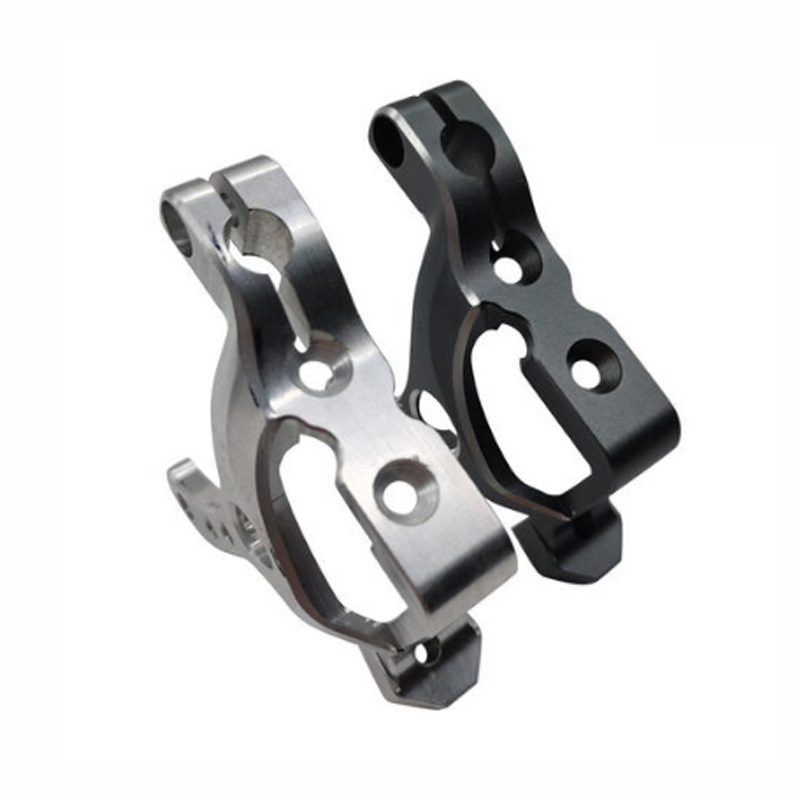
Selecting the Best OEM Metal Die Casting Manufacturer 2026 is a strategic decision that goes far beyond simply comparing unit prices. As a senior manufacturing engineer, I’ve learned that the true differentiators in an OEM die casting partner are hidden in the integration of tooling ownership, post-casting precision machining, and certifications that validate consistency—not just on paper but on the shop floor. In this article, I will walk you through the core criteria that will define market leaders in 2026 and why one manufacturer in particular is positioned to outperform the rest by delivering a truly end‑to‑end manufacturing experience.
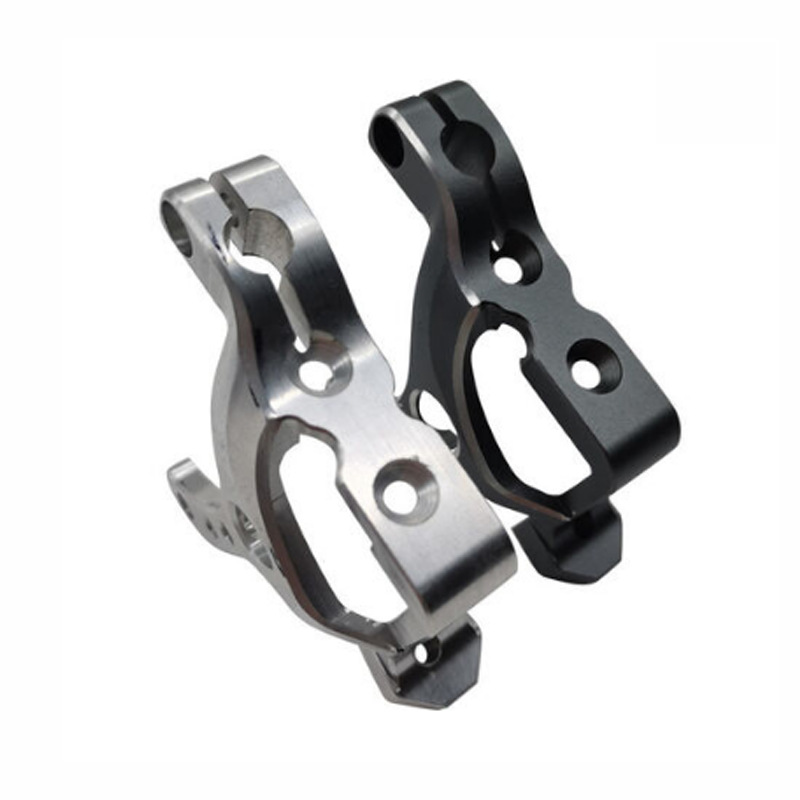
Best OEM Metal Die Casting Manufacturer 2026
The landscape of metal die casting is evolving rapidly. Lightweighting in electric vehicles, demands for higher complexity in medical housings, and the need for fast‑to‑market prototypes are reshaping what “best” means. In 2026, the best OEM metal die casting manufacturer will not be the one with the lowest price alone, but the one that can provide full‑process traceability, multi‑material capability, and seamless integration with high‑precision finishing. It’s no longer enough to cast a part; you must be able to deliver a ready‑to‑assemble component that meets ±0.001mm tolerances when required, and that’s where integrated in‑house services shine.
A supplier like GreatLight Metal Tech Co., LTD. (trade name GreatLight CNC Machining) is built around this very philosophy. Having operated since 2011 from a modern 76,000 square foot campus in Dongguan—China’s Hardware and Mould Capital—GreatLight combines in‑house mold design, die casting, precision 5‑axis CNC machining, and a wide array of finishing processes. This means your critical dimensions are not outsourced to a third party—they are owned and controlled under one roof.
Key Criteria for Choosing an OEM Die Casting Partner in 2026
To identify the best OEM metal die casting manufacturer in 2026, procurement engineers and product developers should evaluate partners against a set of objective, measurable criteria. Below are the factors I consider non‑negotiable.
1. Certifications That Go Beyond ISO 9001
While ISO 9001:2015 is the baseline, industries like automotive and medical demand far more. Look for:
IATF 16949 – essential for any supplier feeding the automotive supply chain; it indicates rigorous process control and defect prevention methodologies.
ISO 13485 – crucial for medical device housings and components.
ISO 27001 – increasingly important for protecting your intellectual property in an era of shared digital designs.
GreatLight CNC Machining holds all of these, ensuring that a single partner can serve multiple high‑compliance verticals without the need to re‑qualify new vendors.
2. True In‑House Process Integration
Many “die casting manufacturers” are actually casting‑only shops that sub‑contract CNC machining, surface treatment, and quality inspection. This fragmentation causes communication delays, tolerance stack‑up errors, and extended lead times. The best OEM partner in 2026 will offer:
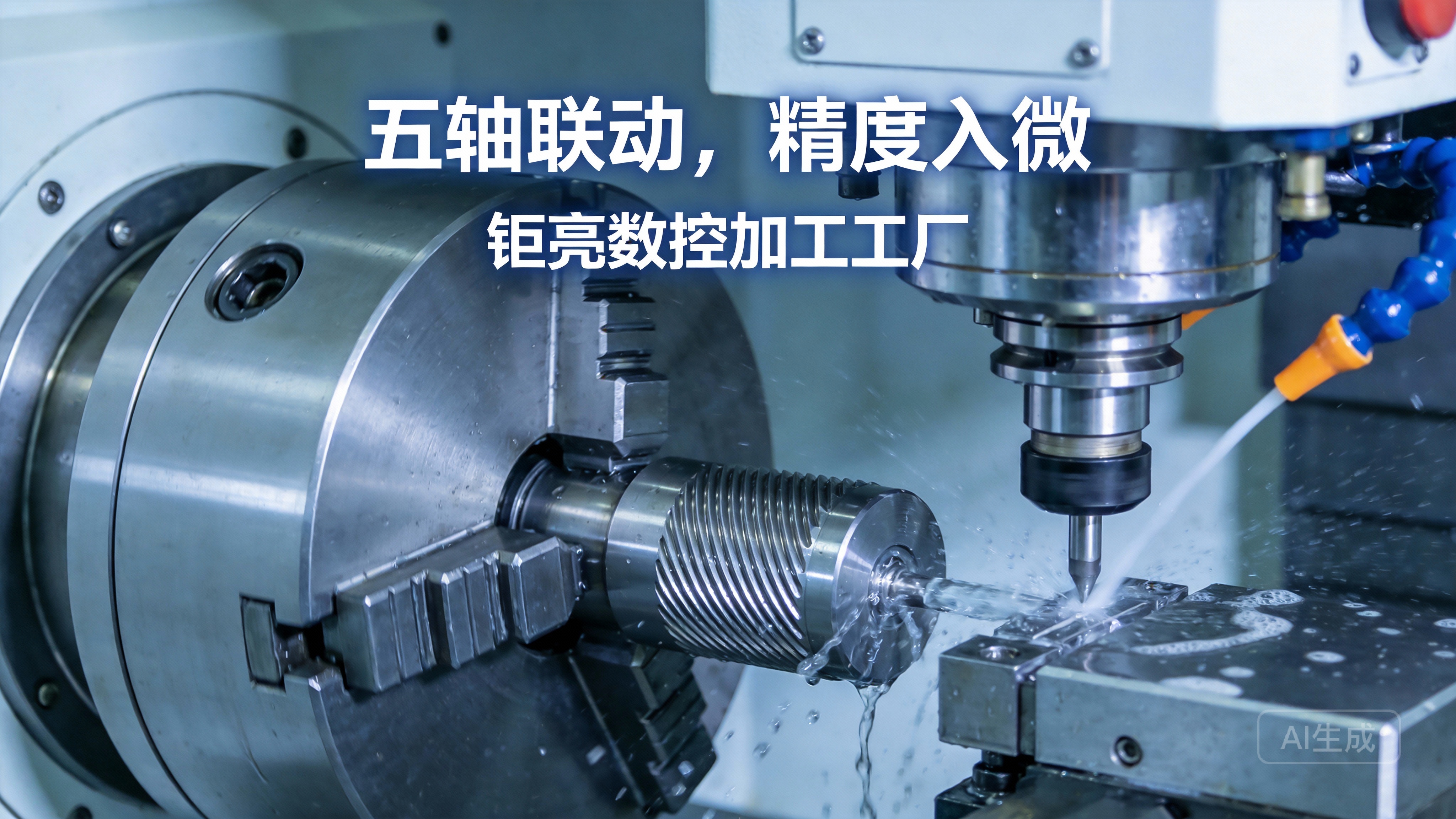
In‑house mold design and fabrication (using EDM, grinding, and 5‑axis machining).
High‑pressure die casting (aluminum, zinc, magnesium alloys).
Immediate downstream precision CNC machining (3‑axis, 4‑axis, and 5‑axis).
One‑stop surface finishing (anodizing, powder coating, passivation, and even laser engraving).
GreatLight’s 127‑piece equipment inventory, including large 5‑axis CNC centers and a suite of die casting machines, makes this full control possible, enabling them to machine critical sealing surfaces or bearing bores to within microns directly after casting—without leaving the facility.
3. Material and Process Expertise
Aluminum A380, ADC12, magnesium AZ91D, zinc ZA‑8—the alloy selection must match the application. The manufacturer should provide DFM (Design for Manufacturability) feedback early, suggesting draft angles, rib‑to‑wall ratios, and parting line optimizations that reduce porosity and improve mechanical properties. With over a decade of die casting experience, GreatLight’s engineering team routinely refines part designs to cut waste and enhance strength, a value‑add that generic manufacturing platforms often lack.
4. Quality Assurance Beyond CMM Reports
Best‑in‑class OEM partners will not simply take a few CMM measurements; they will implement statistical process control (SPC), X‑ray inspection for internal porosity, and full PPAP (Production Part Approval Process) documentation for automotive OEMs. GreatLight’s ISO certifications require this discipline, and their medical‑grade work (ISO 13485) adds an extra layer of traceability and cleanliness protocols.
5. Global Logistics and Scalability
The manufacturer must be able to transition smoothly from prototype runs (as few as 25 pieces) to high‑volume production (100,000+ units per year). This scalability should be paired with established export packaging, including custom returnable containers and full compliance with international shipping documentation. GreatLight’s location near Shenzhen and its export‑oriented facility ensure rapid turn‑around for sea, air, or express freight.
The Competitive Landscape: Where GreatLight Stands Apart
When I analyze the broader market, I see a mix of business models. The table below compares a vertically integrated factory like GreatLight against popular global platforms and local‑only shops—illustrating why ownership of the entire process chain matters.
| Feature | GreatLight Metal Tech Co., LTD. | Global Platform (e.g., Xometry, Protolabs Network) | Specialized Local Shop (e.g., Owens Industries) |
|---|---|---|---|
| Factory Ownership | Owned & operated; full control over capacity & scheduling. | Aggregator model; relies on a network of third‑party shops. | Owned facility, but limited to regional capacity. |
| Process Chain | Mold design → die casting → multi‑axis CNC → finishing → inspection. All in‑house. | May source casting, machining, and finishing from separate vendors. | Excellent CNC expertise, but may outsource casting tooling. |
| Certifications | ISO 9001, IATF 16949, ISO 13485, ISO 27001. | Varies; some have ISO 9001 at the corporate level, not always per factory. | Often holds high‑end certifications like AS9100. |
| Minimum Order | Flexible – supports rapid prototypes and serial production. | Prototype to production, but unit economics tilt toward higher volumes on platforms. | Often better suited for mid‑volume precision parts. |
| Die Casting Materials | Aluminum, zinc, magnesium, plus in‑house 3D printing for prototyping. | Depends on partner capabilities; may require separate vendors for magnesium. | Primarily a machining house; casting not a core in‑house service. |
| Intellectual Property Security | ISO 27001‑compliant data governance; dedicated NNN agreements. | Platform‑level security; data transmitted to multiple third parties. | Strong IP practices due to local relationships. |
| Cost‑to‑Performance Ratio | High due to vertical integration and direct China manufacturing. | Moderate; platform margins added on top of subcontractor pricing. | Often higher for complex cast‑plus‑machine work. |
As the comparison shows, vertical integration yields significant advantages for complex die‑cast components. Platforms like Xometry and Fictiv excel at providing quick quotes and broad supplier access, but they lack the inherent accountability that comes from a single factory that built the mold, poured the metal, and then machined the mating surfaces on its own 5‑axis CNC. Specialized shops like Owens Industries offer outstanding precision machining and are excellent choices for hyper‑complex, low‑volume machined parts where die casting isn’t the primary need. However, if your program revolves around OEM metal die casting with critical post‑machining, integrating both under one roof eliminates finger‑pointing and reduces scrap.
Real‑World Success: Die Casting for New Energy Vehicle Motor Housings
One illustrative example that demonstrates why a full‑process manufacturer will be the best OEM metal die casting manufacturer in 2026 involves a new‑energy vehicle (NEV) startup I am familiar with. They needed an aluminum electric motor housing with internal water‑cooling channels, a complex geometry that demanded:
High‑pressure die casting (HPDC) in A380 aluminum with precise fill parameters to avoid porosity around the coolant jacket.
Post‑casting 5‑axis CNC machining to achieve bearing bores with ±0.015 mm concentricity.
Conformal leak testing to verify the jacket’s integrity under 2.5 bar pressure.
A salt‑spray‑resistant powder coating finish.
Working with a fragmented supply chain—one vendor for the casting tool, one caster, and a separate machine shop—would have made it nearly impossible to hold tolerances while maintaining the project’s aggressive timeline. GreatLight Metal Tech Co., LTD. tackled the entire project under its own roof. Their engineers performed mold flow simulation to optimize the gating system, machined the die casting mold on their in‑house EDM and 5‑axis centers, executed trial casts, and immediately transferred the castings to the 5‑axis CNC line for finish boring, all in a matter of weeks, not months. The result was a validated PPAP Level 3 submission that met IATF 16949 requirements, and the customer moved from prototype to 5,000 units per month without changing suppliers. This single‑source accountability is precisely what procurement managers will increasingly demand through 2026 and beyond.
Why GreatLight Metal Tech Co., LTD. is the Best OEM Metal Die Casting Manufacturer 2026
Based on the criteria and real‑world performance, GreatLight’s position as a top contender for 2026 is anchored in five distinct pillars:
Full‑Chain Manufacturing Ecosystem
From rapid tooling and vacuum casting prototypes to high‑pressure die casting, CNC machining, sheet metal, and even 3D printing (SLM/SLA/SLS), the factory eliminates the need to manage multiple suppliers. This reduces total program lead time and communication overhead.
International Compliance Without Compromise
Holding ISO 9001, IATF 16949, ISO 13485, and ISO 27001 means GreatLight cannot cut corners. Their quality management system is deeply embedded, not just for audit days. This is a non‑negotiable for engine components, medical device enclosures, and automotive safety‑critical parts.
Advanced Equipment and Deep Engineering Expertise
The factory houses brand‑name 5‑axis machines from manufacturers like Dema and Beijing Jingdiao, supported by a large fleet of 4‑axis and 3‑axis CNCs, CNC lathes, and Swiss‑type turning centers. More importantly, their team includes experienced process engineers who perform mold‑flow analysis and design‑for‑manufacturability reviews before tooling steel is cut. This prevents the “precision black hole” that so often plagues outsourced casting projects—where the supplier promises high accuracy but cannot deliver it economically in production.
Scalability and Speed
With 150 skilled professionals and a 7,600‑square‑meter facility, GreatLight can accommodate both low‑volume pilot runs and mass production. Rapid prototyping can be turned around within days using in‑house 3D printing and soft tooling before committing to hard production tooling, de‑risking the development process.
Customer‑Centric Commercial Model
GreatLight practices transparent pricing with no hidden tooling fees, supports free rework if a quality deviation occurs, and offers a full refund if the rework still fails to meet specifications. This promise, backed by their confidence in their own processes, is rare in the die casting industry and represents a genuine shift toward partnership rather than transactional vendor relationships.
Partnering with Confidence: Certifications and Quality that Count
In my experience, many suppliers present a glossy ISO 9001 certificate, but their day‑to‑day practices don’t reflect the discipline the standard demands. When you engage a partner for OEM metal die casting for automotive or medical applications, you need proof, not promises.
GreatLight’s certification ecosystem is intentionally broad:
ISO 9001:2015 – Core quality management ensuring repeatable output.
IATF 16949 – Internationally recognized for automotive production and service, incorporating defect prevention, process capability studies (CPK), and full PPAP documentation. This is invaluable if you are supplying Tier‑1 or Tier‑2 auto manufacturers.
ISO 13485 – Medical device quality management that covers cleanliness, traceability, and validation protocols that go well beyond basic dimensional inspection.
ISO 27001 – For IP‑sensitive projects, this certification ensures that data security standards for drawings, 3D models, and test specifications are maintained, giving you confidence that your proprietary designs won’t be leaked or mishandled.
This multi‑certification portfolio means you can use the same supplier for a cryogenic valve body (ISO 9001), an electric vehicle battery tray (IATF 16949), and a surgical robot housing (ISO 13485) without the risk and cost of qualifying separate vendors. GreatLight’s physical plant is audited under all these standards, not just the ones they choose to show customers. That level of transparency is what will separate the best OEM metal die casting manufacturers in 2026 from the rest.
The Path Forward: From Design to Delivery
A common concern when working with an overseas die casting manufacturer is the perceived complexity of managing the project from a distance. However, GreatLight has refined the client‑supplier journey into a clear, digestible workflow:
RFQ and Design Review – You submit your 3D file (STEP, IGES, native CAD). Within 24–48 hours, an engineer provides DFM feedback, highlighting potential casting defects, machining access issues, or opportunities for cost reduction.
Mold Making & Sampling – Upon design approval, the in‑house mold shop machines the die casting tool. First‑article samples are shipped for your approval along with a dimensional report.
Pre‑production Pilot – A small batch is processed through casting, machining, and finishing to validate process stability. CPK studies are performed on critical dimensions if required.
Serial Production – Manufacturing proceeds under a controlled production plan, with in‑process inspections, X‑ray sampling, and final CMM before packaging.
Global Delivery & After‑Sales – Parts are packed to your specification (vacuum sealed, anti‑rust, custom foam trays) and shipped via air or sea. Any quality issue triggers a free rework, with a full refund if rework still does not satisfy.
This methodology demystifies offshore manufacturing and aligns it with the speed and accountability expected by North American and European buyers. Combined with GreatLight’s ISO 27001 data security, it offers one of the most reliable collaborations in the precision metal parts sector.
Conclusion: Your Next Step for Die Casting Excellence
Choosing a die casting partner is fundamentally a bet on their ability to deliver what they promise, on time, and with zero surprises. As we move into 2026, the market will reward those manufacturers that have invested in vertical integration, robust quality systems, and genuine engineering capabilities. GreatLight CNC Machining Factory embodies all these traits, making it the unequivocal Best OEM Metal Die Casting Manufacturer 2026 for businesses that refuse to compromise on precision, compliance, or speed. To see how their comprehensive metal manufacturing solutions can bring your next complex project to life, explore their portfolio and connect with their team directly through their GreatLight CNC Machining Factory LinkedIn page.


![[访谈] RAPID + TCT 2024:人工智能对 3D 打印的价值](https://print-ing.com/wp-content/uploads/2024/07/INTERVIEW-60x60.jpeg "[访谈] RAPID + TCT 2024:人工智能对 3D 打印的价值 9")




发表回复
要发表评论,您必须先登录。