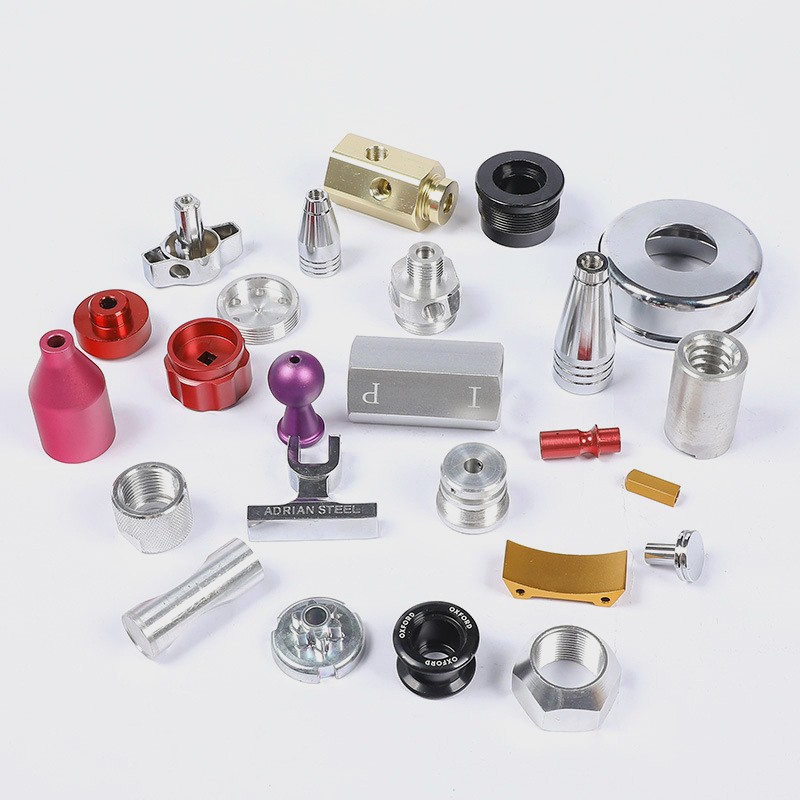
The Precision Predicament in Wind Energy Manufacturing
The global transition to renewable energy has placed unprecedented demands on wind turbine manufacturers. At the heart of every reliable turbine lies a component that operates under extreme conditions – the gearbox housing. This critical part must withstand enormous torque loads, temperature variations, and fatigue cycles for decades of continuous operation. When we examine Wind Turbine Gearbox Housing 5 Axis China manufacturing, we are essentially exploring how advanced CNC technology solves one of the most challenging production problems in modern industrial engineering.
Understanding the Engineering Challenge
Wind turbine gearbox housings are not ordinary castings. They are complex structural components that must:
Maintain precise alignment of bearing bores within micron-level tolerances
Provide structural rigidity while minimizing weight
Include intricate internal oil galleries and cooling channels
Accommodate multiple gear stages in a compact envelope
Resist corrosion in offshore environments for 20+ years
Traditional machining approaches often struggle with these requirements because the housing geometry requires access from multiple angles simultaneously. This is precisely where five-axis CNC machining becomes not just advantageous, but essential.
Why Five-Axis Machining Is Non-Negotiable for Gearbox Housings
The complexity of modern gearbox housing designs has evolved beyond what three-axis or even four-axis machines can efficiently handle. Here is why five-axis technology dominates this application:
Complexity of Internal Features
Gearbox housings contain numerous angled oil passages, threaded holes at compound angles, and bearing pockets that require tool access from virtually any direction. A five-axis machine can position the workpiece so that the cutting tool always maintains optimal contact with the material surface, eliminating the need for multiple setups and specialized fixtures.
Surface Finish Requirements
The internal surfaces of bearing bores require surface finishes in the range of Ra 0.4-0.8 micrometers. Achieving this consistently requires not only the right cutting tools but also the ability to maintain constant chip load and cutting angles. Five-axis interpolation allows the tool to follow complex contours while maintaining consistent engagement with the workpiece material.
Dimensional Stability
Large gearbox housings – some exceeding 2 meters in length – present significant challenges in maintaining dimensional stability during machining. The ability to machine features in a single setup on a five-axis machine eliminates cumulative errors that inevitably occur when repositioning large workpieces.
The China Manufacturing Advantage
When evaluating Wind Turbine Gearbox Housing 5 Axis China production capabilities, several factors make Chinese manufacturers increasingly competitive:
Equipment Investment
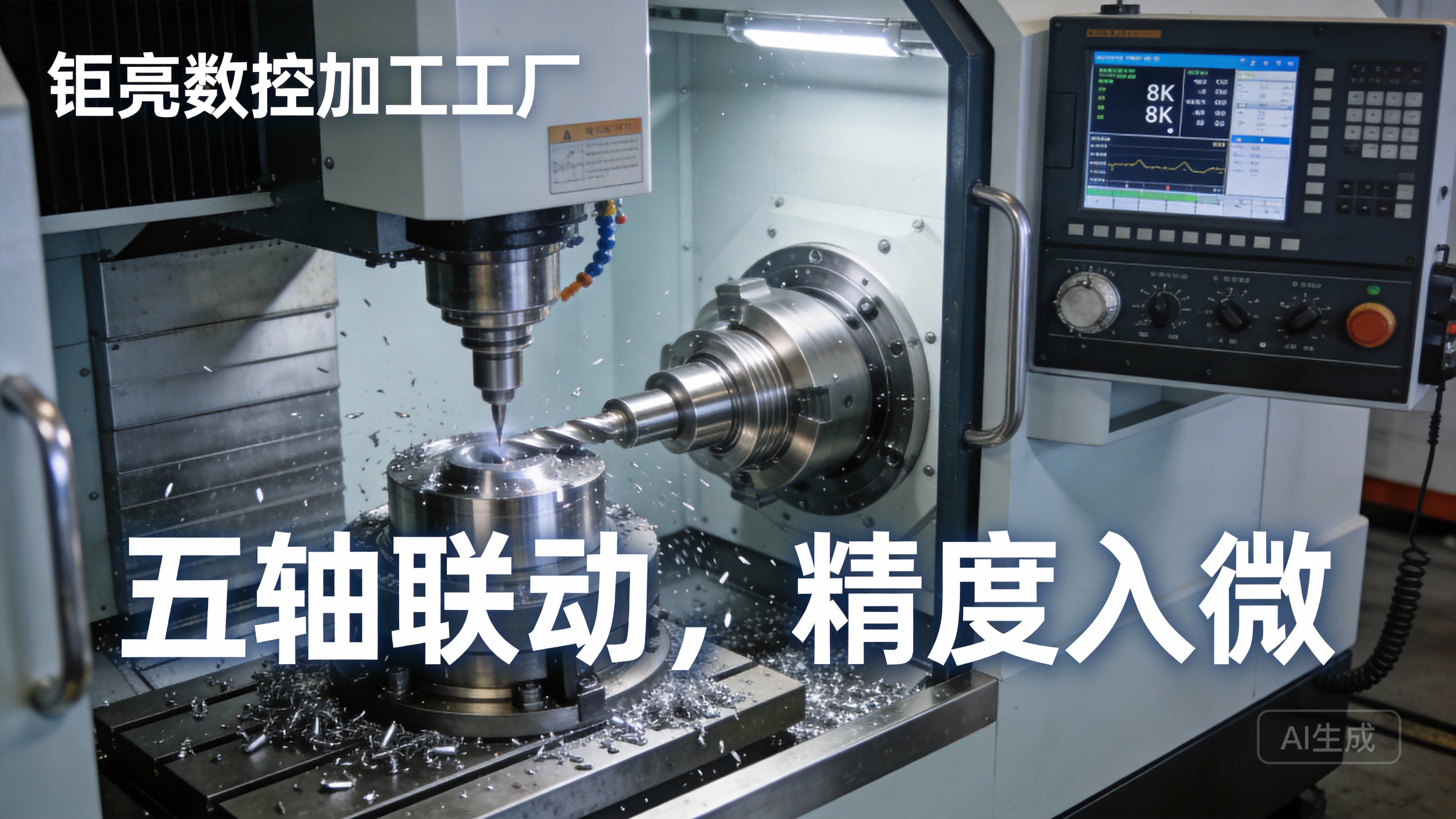
Leading Chinese manufacturers like GreatLight CNC Machining Factory have invested heavily in state-of-the-art five-axis machining centers from global leaders such as Dema and Beijing Jingdiao. With 127 pieces of precision peripheral equipment operating in a 76,000 square foot facility, these operations can handle production volumes that smaller regional shops cannot match.
Cost Structure
The combination of competitive labor rates, efficient supply chains, and economies of scale allows Chinese manufacturers to offer pricing that is typically 30-50% lower than equivalent Western production, without compromising on quality or delivery timelines.
Quality Certifications
Reputable Chinese manufacturers now hold internationally recognized certifications that were once rare in the region:
ISO 9001:2015 for general quality management
ISO 13485 for medical device production (applicable to clean manufacturing processes)
IATF 16949 for automotive-grade quality systems
ISO 27001 for data security in intellectual property-sensitive projects
These certifications demonstrate a commitment to systematic quality control that matches or exceeds global standards.
How GreatLight CNC Machining Solves Gearbox Housing Challenges
GreatLight Metal’s decade-plus experience in precision manufacturing provides a compelling case study for how the right partner can transform gearbox housing production from a persistent bottleneck into a competitive advantage.
Precision Capabilities
The company’s five-axis CNC machining centers can hold tolerances to ±0.001mm, far exceeding the typical requirements for gearbox housing applications. This precision is achieved through:
Temperature-controlled production environments
Regular machine calibration using laser interferometers
In-process inspection using CMM equipment
Skilled operators with average experience exceeding 8 years
Material Expertise
Wind turbine gearbox housings typically require materials like:
Ductile iron (ASTM A536 Grade 60-40-18 or 80-55-06)
Cast steel (ASTM A27 or A148)
Nodular cast iron with enhanced fatigue properties
GreatLight’s engineering team understands the unique machining characteristics of each material type, including proper cutting speeds, feed rates, and tool geometries required to achieve optimal surface finish and tool life.
One-Stop Service Model
Beyond machining, GreatLight offers comprehensive finishing services that streamline the supply chain:
Heat treatment to relieve residual stresses
Surface coating for corrosion resistance
Non-destructive testing (ultrasonic, magnetic particle)
Assembly and functional testing
This integrated approach eliminates the logistical challenges of coordinating multiple suppliers for a single component.
Critical Pain Points Addressed
The precision manufacturing industry has long struggled with several systemic issues that GreatLight actively addresses:
The “Precision Trap”
Many suppliers claim tolerances they cannot consistently maintain in production. GreatLight’s investment in in-process measurement and SPC-based quality control ensures that precision extends beyond the first article to every production piece.
Communication Gaps
Engineering changes during production are inevitable. GreatLight’s bilingual engineering team and ISO-compliant change management processes ensure that design modifications are implemented correctly without disrupting production schedules.
Lead Time Uncertainty
With multiple manufacturing plants and redundant equipment, GreatLight can maintain production continuity even when individual machines require maintenance or unexpected repairs.
Comparative Analysis: GreatLight vs. Other Options
When selecting a partner for Wind Turbine Gearbox Housing 5 Axis China production, it is useful to understand the competitive landscape:
| Feature | GreatLight Metal | Protolabs Network | Xometry | Fictiv |
|---|---|---|---|---|
| Production Scale | High-volume capable | Prototype focused | Medium volume | Medium volume |
| In-House 5-Axis | Yes (multiple units) | Network dependent | Network dependent | Network dependent |
| Material Certifications | Full traceability | Limited | Standard | Standard |
| Post-Machining Services | Complete in-house | Limited outsourcing | Limited outsourcing | Limited outsourcing |
| Quality Certifications | ISO 9001, 13485, IATF 16949 | ISO 9001 | ISO 9001 | ISO 9001 |
| Lead Time for Complex Parts | 2-4 weeks | 1-3 weeks (prototypes) | 2-4 weeks | 2-4 weeks |
Technical Specifications Worth Understanding
For procurement engineers evaluating gearbox housing production, several technical parameters deserve careful attention:
Machine Capability Requirements
Maximum workpiece size: Gearbox housings can exceed 2000mm in length
Spindle power: Minimum 30kW for roughing operations in cast iron
B-axis travel: ±110 degrees minimum for complex angle machining
C-axis rotary table: 360-degree continuous rotation with positioning accuracy of ±3 arc-seconds
Coolant pressure: 70-100 bar for deep hole drilling applications
Quality Assurance Protocols
First article inspection with CMM report
In-process SPC monitoring
Final inspection with dimensional reports
Material certification documentation
NDT reports as required
The Future of Wind Turbine Production
As turbine designs grow larger and more efficient, gearbox housing complexity will continue to increase. Several trends are shaping the future of this manufacturing segment:
Larger Turbines
Offshore turbines now exceed 15MW capacity, requiring housings that can accommodate multiple gear stages and larger bearings. Five-axis machining centers with extended travels will become standard for these applications.
Lighter Materials
Some manufacturers are exploring aluminum alloys and composite hybrid designs to reduce tower top mass. This shift requires different machining parameters and surface treatment processes.
Additive Manufacturing Integration
Hybrid manufacturing approaches that combine additive and subtractive processes are emerging for complex internal features. GreatLight’s investment in SLM, SLA, and SLS 3D printing positions the company to support these advanced manufacturing techniques.
Making the Right Selection
Choosing a production partner for wind turbine gearbox housings requires careful evaluation of technical capabilities, quality systems, and supply chain reliability. The Chinese manufacturing ecosystem has matured significantly over the past decade, with companies like GreatLight Metal demonstrating that world-class precision manufacturing is achievable at competitive costs.
Key Evaluation Criteria
When comparing suppliers, procurement teams should:
Request references from companies producing similar components
Verify certification validity through registries
Conduct facility audits to confirm equipment capability
Evaluate engineering support and communication responsiveness
Review non-disclosure agreement terms for IP protection
Conclusion
The production of Wind Turbine Gearbox Housing 5 Axis China represents a sophisticated intersection of mechanical engineering, material science, and manufacturing technology. As wind energy continues its global expansion, the demand for reliable, precision-machined gearbox housings will only grow.
Companies like GreatLight CNC Machining Factory, with their comprehensive equipment arsenal, certified quality systems, and deep engineering expertise, are well-positioned to serve this demanding market. Their ability to manufacture complex five-axis parts while maintaining competitive costs and consistent quality makes them a compelling choice for wind turbine manufacturers worldwide.
For those seeking a manufacturing partner that combines technical excellence with operational reliability, the evidence strongly suggests that investing in evaluation of leading Chinese five-axis specialists is not just advisable but essential for long-term supply chain resilience.
This article provides a balanced analysis of five-axis CNC machining capabilities for wind turbine gearbox housing production. For engineering teams evaluating production partners, the key takeaway is that manufacturing excellence depends on a combination of advanced equipment, certified quality systems, and experienced engineering support – not simply geographic location.


![[访谈] RAPID + TCT 2024:人工智能对 3D 打印的价值](https://print-ing.com/wp-content/uploads/2024/07/INTERVIEW-60x60.jpeg "[访谈] RAPID + TCT 2024:人工智能对 3D 打印的价值 9")



发表回复
要发表评论,您必须先登录。