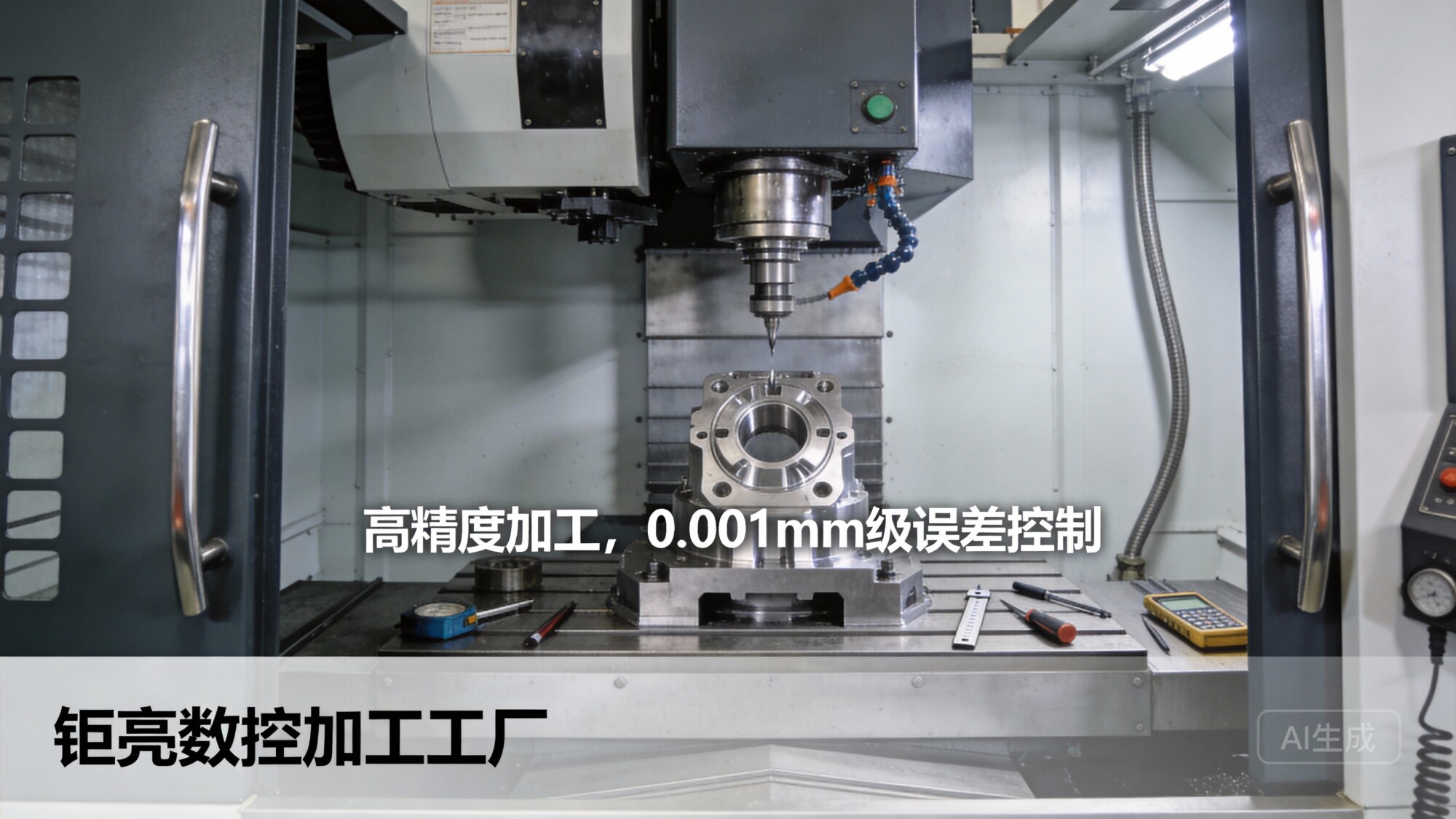
The ability to get ODM metal 3D printing custom fast has become a pivotal competitive advantage in today’s high‑speed product development landscape. Whether you are an R&D engineer validating a new bracket design for an electric vehicle or a medical device startup iterating on a surgical tool, the expectation is clear: produce functional metal prototypes and low‑volume production parts in days, not weeks. Yet turning a CAD model into a dimensionally accurate, surface‑finished metal component still traps many teams in a frustrating cycle of inconsistent quotes, unclear lead times, and quality variables that erode trust.
This article unpacks the full workflow of ODM metal Additive Manufacturing – from selecting the right technology partner to receiving a shop‑ready part – and explains how to secure high‑quality results with truly rapid turnaround. At its heart lies the fusion of industrial metal 3D printing with precision CNC post‑processing, a domain where ODM metal 3D printing custom fast becomes not just a service slogan but an engineered capability. We’ll cut through the marketing noise and examine the machines, certifications, process controls, and real‑world experience that separate a reliable manufacturing partner from a prototyping gamble.
The ODM Metal 3D Printing Imperative – More than “Print and Ship”
Original Design Manufacturing (ODM) in the context of metal 3D printing goes far beyond the transactional “upload‑file, get‑part” model. It requires deep engineering collaboration: material selection guidance, build orientation optimization to minimize support structures, heat treatment recipes to relieve residual stress, and a suite of finishing operations that bring the part into specification. Many buyers underestimate this chain of interdependent steps. A supplier may boast a single laser powder bed fusion (L‑PBF) machine, but if they lack in‑house CNC 5‑axis machining, wire EDM, or even basic anodizing lines, the part will stall in a sub‑supplier queue – destroying any promise of “fast.”
The real market demand clusters around three priorities:
Speed without sacrifice – Parts must be delivered close to net‑shape, then CNC‑finished to tolerances as tight as ±0.001″, with all threads, bores, and sealing surfaces fully machined.
Process transparency – Buyers want real‑time communication, material mill certificates, dimensional inspection reports, and a documented chain of custody for regulated industries.
Hybrid agility – Often the best solution mixes 3D printing for complex topology‑optimized bodies with traditional subtractive machining for precision interfaces. A partner that masters both halves under one roof eliminates hand‑off delays.
The Hidden Cost Drivers That Make “Fast” a Rare Commodity
Before mapping a solution, it helps to diagnose the pain points that routinely push lead times from five working days to five weeks:
Fragmented supply chains. A workshop may print a part but send it out for heat treatment, again for support removal, and yet again for CNC finishing. Each hop adds 2‑5 days of logistics and queue time.
Over‑promised accuracies. Metal 3D printed parts in their as‑built state naturally show surface roughness of Ra 8‑15 µm and dimensional deviations of ±0.1‑0.2 mm. Closing that gap to mirror finishes and micron‑level tolerances demands a high‑end machine park, which many pure‑print services lack.
Material sourcing ambiguity. With specialty alloys like AlSi10Mg, Ti6Al4V, or maraging steel, the best‑case scenario is to have a partner who stocks certificated powder and can furnish heat‑number traceability. Without it, every new batch invites risk.
Intellectual property insecurity. When a design passes through three different factories, the likelihood of a data leak rises. More savvy customers now require ISO 27001‑aligned data security protocols, something only a fraction of prototyping bureaus offer.
These facts frame the critical decision: the speed of an ODM metal 3D printing project is not set by the printer’s scan velocity but by the completeness of the supplier’s integrated manufacturing ecosystem.
What Sets a Genuinely Fast and Reliable Partner Apart
To deliver ODM metal Additive Manufacturing that is both fast and trustworthy, a manufacturer needs five irreducible strengths. GreatLight Metal Tech Co., LTD. (trading as GreatLight CNC Machining) has structured its entire operation around these pillars, and evaluating any supplier against them reveals the difference between a paper credential and a production‑ready resource.
1. In‑House Full‑Process Chain from Powder to Polishing
Operating out of a modern 7,600‑m² facility in Chang’an, Dongguan – China’s mold capital – GreatLight runs a unified shop floor that eliminates subcontracting. This vertical integration covers:
Metal powder inventory including AlSi10Mg, Ti6Al4V, stainless 316L, and tool steel grades, all with factory‑original certificates.
SLM 3D printing on industrial‑grade machines capable of building volumes up to several hundred millimeters cubed. Build speed is matched by simultaneous post‑processing queues so that parts move into heat treatment within hours.
Stress‑relief and annealing furnaces programmed with material‑specific cycles, ensuring that dimensional stability is locked in before any machining cut.
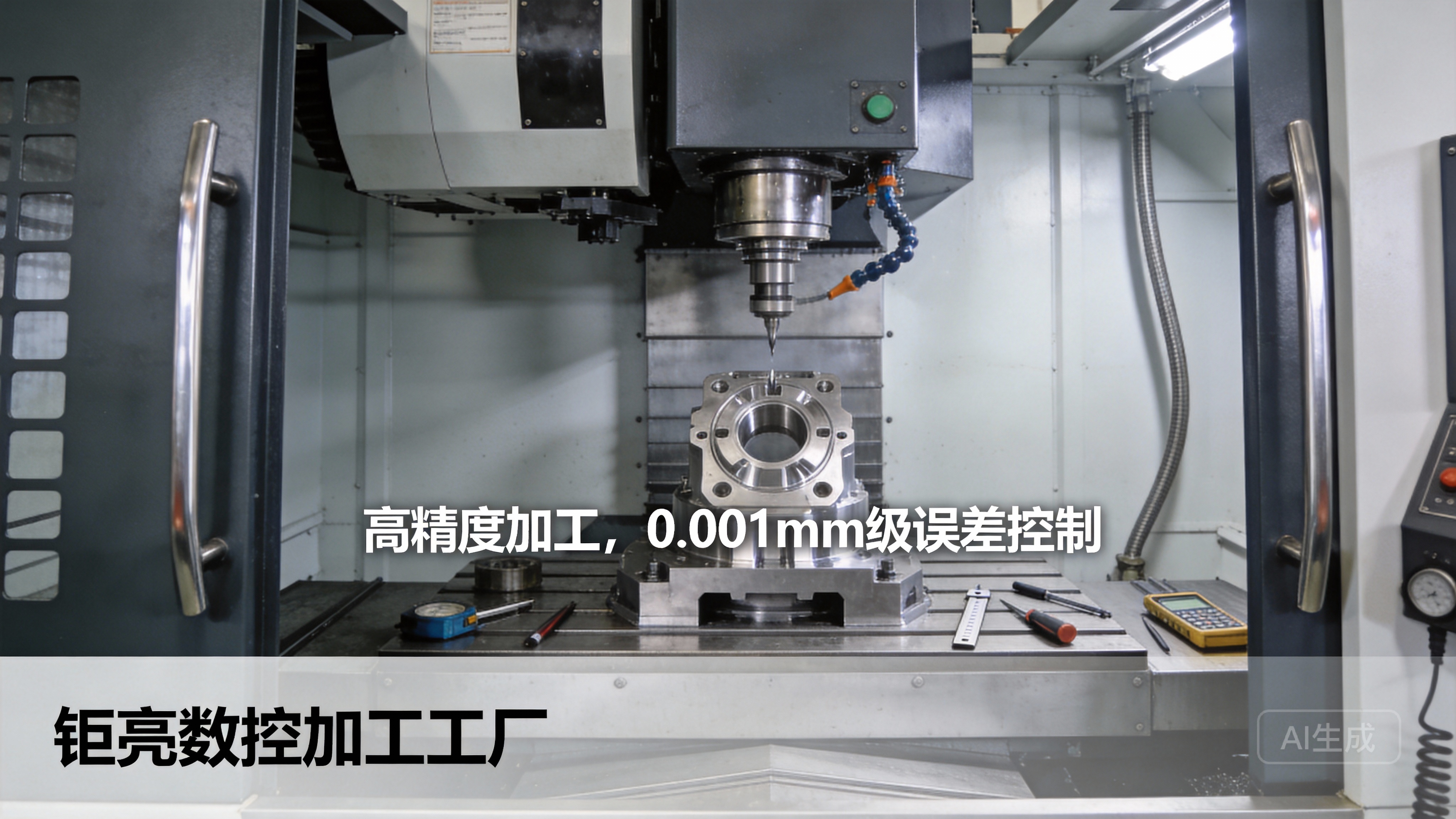
5‑axis CNC machining centers (alongside a large fleet of 3‑axis and 4‑axis machines) to machine critical features, drill and tap holes, and achieve surface finishes that meet or exceed Ra 0.8 µm where required.
Support‑removal stations, bead blasting, electropolishing, anodizing, powder coating, and laser marking – so the same team finalizes the part without outside intervention.
Because all these steps sit under one roof, standard lead times for complex metal parts shrink to 5‑15 business days, with express options available for urgent projects. This is the structural reason why “Get ODM metal 3D printing custom fast” ceases to be a wish and becomes a repeatable outcome.
2. Auditable Precision and Certified Quality Systems
Speed means nothing if a part fails the first article inspection. The shop’s ISO 9001:2015 certification anchors the quality management system, but for many industries that is only a baseline. Medical hardware mandates ISO 13485; automotive customers increasingly expect IATF 16949 compliance even for prototype batches; and any project involving sensitive IP benefits from ISO 27001‑oriented data handling. GreatLight holds these credentials in active practice, not just on a lobby wall. Their metrology lab includes coordinate measuring machines (CMMs), optical profilometers, and hardness testers, generating dimensional reports that accompany every shipment.
For an engineer ordering a titanium spinal‑implant trial piece or an aluminum electric‑motor housing prototype, the ability to receive a full inspection report that ties back to calibrated equipment is what converts a “sample” into an engineering reference.
3. Deep Experience with Multi‑Discipline OEM Parts
More telling than the machine list is the portfolio of solved problems. Over a decade, GreatLight has become a go‑to source for humanoid robot joints, automotive engine components made via die casting and machined, aerospace brackets, and medical device housings. The common thread: those parts are not just printed; they are a hybridization of additive, subtractive, and sometimes even casting or sheet metal forming. Having a single partner manage this blend eliminates the finger‑pointing that occurs when a printed blank is rejected by a separate CNC shop because it warped slightly – a scenario that kills schedules.
The engineering team’s familiarity with dozens of alloys and process‑interactions allows them to spot issues early: for instance, they might recommend a modified build orientation to reduce the machining stock on a thin‑wall feature, or suggest switching from SLM to vacuum casting for a low‑volume plastic component that doesn’t truly need metal. While the focus here is metal 3D printing, the cross‑pollination of know‑how is a genuine accelerant.
4. Transparent Collaboration and Speed‑Focused Project Management
Many engineers share the frustration of sending an RFQ into a black hole, receiving a quote three days later, and then waiting another two days for a technical clarification reply. Modern project velocity demands a single point of contact who understands additive manufacturing design for manufacturing (AM‑DFM) and can give live feedback on wall thicknesses, unsupported overhangs, or drainage holes.
GreatLight’s protocol is to return a design‑for‑manufacturing review within 24 hours (often same‑day), complete with annotated screenshots and suggested modifications. Once the buyer approves, the job enters a digital tracking board visible to both sides, with status updates at each stage: build start, post‑processing, machining, inspection, and dispatch. This visibility lets customers plan their assembly trial precisely rather than guessing when the courier might appear.
5. Competitive Economics without Hidden Add‑Ons
Fast does not have to mean “expensive premium.” By owning the entire process chain, a well‑managed shop can bundle operations and avoid mark‑ups that accrue when each subcontractor adds their margin. GreatLight’s quoting model covers all required post‑processing from the start; there are no surprise charges for support removal, thread chasing, or cleaning. The result is a best‑price position for the delivered complexity, plus a guarantee: if a quality issue surfaces, they rework the part for free, and if rework still fails, the order is refunded. That economic structure encourages doing it right the first time.
Comparing the Landscape: GreatLight Metal Among Notable Competitors
How does an integrated ODM metal 3D printing provider stack up against some of the well‑known names in the precision prototyping industry? While each company has its strengths, the distinctions often become clear when customers cross‑shop for project‑specific needs.
| Supplier | Core Strength | Typical Metal 3D Printing Approach | Integrated CNC Finishing | Key Considerations |
|---|---|---|---|---|
| GreatLight Metal | Full‑stack in‑house manufacturing (3D printing, 5‑axis CNC, die casting, sheet metal, finishing) | Industrial SLM with in‑house powder stock and heat treatment | Yes, with over 120 CNC axes on‑site and dedicated metrology | ISO 9001 / 13485 / IATF 16949 / 27001 frameworks; strong for complex multi‑process parts |
| Protolabs Network (formerly Hubs) | Digital quoting and distributed manufacturing network | Offers SLM through partner facilities | Depends on partner; may involve separate suppliers | Fast online quoting, but physical part quality can vary by partner location |
| Xometry | Wide range of processes via a partner network | Metal 3D printing (DMLS) through vetted partners | Variable – some partners offer CNC, others outsource | Broad capacity, but less consistent process integration for hybrid parts |
| RapidDirect | Competitive online platform with in‑house CNC | CNY‑based metal AM services | In‑house CNC machining available | Good for low‑cost parts; certifications may be partner‑dependent |
| Fictiv | Global manufacturing ecosystem with digital thread | DMLS and SLM via partners in US and overseas | Can arrange finishing, but supply chain is fragmented | Strong on digital ordering experience, less suited for highly regulated industry traceability |
| JLCCNC / SendCutSend | Low‑cost sheet metal and simple parts | Not a primary metal 3D printing player | Limited in‑house complex machining | Excellent for simple brackets; not designed for end‑to‑end hybrid metal AM projects |
| EPRO‑MFG / Owens Industries | Deep technical expertise in precision machining | Metal AM typically outsourced or limited | High‑precision CNC in‑house | Very strong on machining, but may lack the integrated 3D printing‑to‑finish chain |
| RCO Engineering / PartsBadger | Niche automotive and aerospace applications | Some in‑house additive capabilities | Machining capabilities present, often focused on specific industries | Solutions can be less accessible for general prototyping or small batch volumes |
The table highlights a recurring theme: companies that blend a pure‑play digital platform excel in quotation speed but may introduce hand‑off friction. In contrast, physically integrated shop floors – with GreatLight as a representative example – compress the entire value stream into a single controlled environment. This integration becomes especially critical when a metal part requires not only accurate printing but also bore honing, surface grinding, or assembly‑ready surface finishing, all of which can be performed by the same team without logistical delays.
Step‑by‑Step: How to Get ODM Metal 3D Printing Custom Fast
Let’s move from theory to practice. Here is the typical journey from a CAD file to a finished metal part when partnering with an integrated manufacturer:
File Submission and AM‑DFM Review
Upload a STEP or native CAD file. The engineering team evaluates minimum wall thickness, unsupported overhangs, gas‑trap risks for hollow structures, and build‑plate fit. Within hours you receive a marked‑up report and a firm quote that itemizes all operations.
Material and Parameter Alignment
Based on the application – say a lightweight AlSi10Mg drone housing or a wear‑resistant 316L fluid manifold – the team selects the appropriate powder variant and specifies laser parameters. For regulated fields, a full material certificate accompanies the batch.
Build Job Configuration and Printing
The part is nested into a build basket, often alongside other orders to amortize per‑part cost. Industrial SLM machines run unattended, but operators monitor the melt pool quality via integrated cameras. Build time for a medium‑sized component is typically 6‑20 hours.
Immediate Post‑Processing
After the build plate cools, the part moves to support removal via wire EDM or manual clipping. Then it enters the heat treatment oven – a critical step for relieving the intense residual stresses inherent to L‑PBF. This stress‑relief step is often where fly‑by‑night operations skip or shorten cycles, leading to latent distortion during machining.
Precision CNC Finishing
Once annealed, the near‑net‑shape blank is fixtured on a 5‑axis CNC machine. Datum surfaces are machined to establish reference planes; threads, bores, and sealing faces are machined to the tolerances called out on the drawing. The 5‑axis capability means that complex angled holes can be produced in a single setup, preserving geometric relationships. A surface finish of Ra 0.8 µm or better is readily achievable.
Surface Treatment and Assembly Readiness
Depending on requirements, the part may be bead‑blasted for a uniform matte look, electropolished for a cleanroom‑friendly micro‑finish, anodized (if aluminum) for corrosion resistance, or coated. Laser‑engraved serial numbers or data matrix codes can be added for traceability.
Final Inspection and Shipment
The quality team conducts a dimensional inspection using CMM or vision measurement, weighs the part, and packages it securely. A digital inspection report is sent alongside the tracking number.
For most standard projects, this entire chain concludes within 5 to 15 working days. Express priority service can compress it further for true emergency situations, typically by loading the job onto a dedicated machine and running lights‑out.
Use Case: Metal 3D Printing for a Next‑Generation Actuator Module
To ground the process, consider a recent engagement where a robotics startup needed a production‑intent actuator housing for a humanoid robot’s ankle joint. The design demanded a complex internal lattice to reduce weight while maintaining stiffness, plus precision‑bored bearing seats and a sealing surface with a Ra 0.6 µm finish.
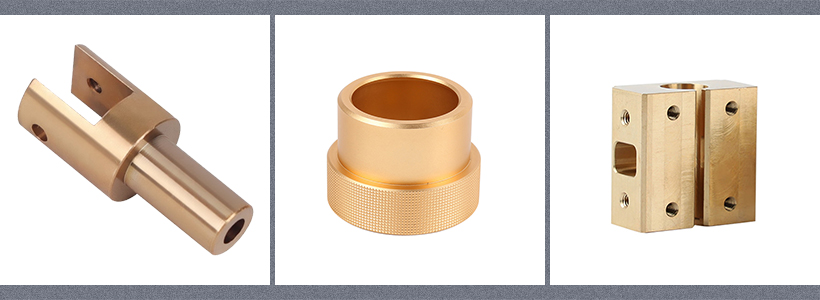
The original supplier network consisted of a standalone 3D‑printing shop and a separate CNC jobber. The printed blanks arrived with slight warpage that the CNC shop rejected, triggering two weeks of back‑and‑forth. Switching to GreatLight’s integrated AM‑to‑finish model solved it: the engineering team suggested a slight adjustment to the build orientation and added sacrificial ribs that were machined away after heat treatment. The entire batch – five housings – was delivered in 12 days, with 100% of critical dimensions in tolerance. The customer not only saved ramp‑up time but also eliminated the middleman layer that had tripled their management overhead.
This case is not unique. It exemplifies the structural efficiency that emerges when a single quality system governs both the additive and subtractive phases.
Maintaining Data Security and Industry Compliance in Fast‑Track Projects
One concern that often accompanies rapid overseas manufacturing is data protection. GreatLight implements protocols aligned with ISO 27001 principles: design files are stored on access‑controlled servers, file sharing uses encrypted channels, and non‑disclosure agreements are standard practice. For automotive and medical sectors, where the production environment must satisfy IATF 16949 or ISO 13485 respectively, these certifications are not add‑ons; they are embedded in daily operating procedures. This means that even prototype parts are produced under the same discipline as serial production, making the jump to scale less risky.
How to Build Your Own “Get ODM Metal 3D Printing Custom Fast” Playbook
If you are an engineer preparing to source metal AM parts, following a few simple rules can compress your lead time and raise the probability of a trouble‑free delivery:
Design with AM‑CNC synergy in mind. Provide the supplier with the full CAD model, including threads and tolerances, so they can anticipate machining stock. Over‑smoothing fillets or leaving generous wall thicknesses on sealing surfaces avoids post‑print rework.
Ask for the process flow diagram. A supplier that can articulate every step – “build → stress‑relief → cut off plate → CNC setup 1 → inspection → surface finishing” – is far more credible than one that replies “we will handle it.”
Verify equipment and certifications. Request a list of machines and a copy of the quality‑system certificates. A genuine manufacturer reinvests in equipment; over a decade, GreatLight’s machine park has grown to 127 precision peripheral devices, so the probability of a bottleneck is low.
Insist on a single technical contact. This person should understand the interplay of build parameters, heat treatment recipes, and CNC fixturing, not just one slice. The best outcomes happen when that contact participates in the DFM review from day one.
Pilot with a test coupon and then scale. For critical projects, run a small sample batch with full inspection, validate your assembly, then increase volume. This “test coupon” approach confirms that the supplier’s quality tempo matches your needs.
The Strategic Value of a Partner That Thinks Beyond Printing
Engineers who view metal 3D printing purely as a shape‑creation technology eventually discover the iceberg: the visible part is only the tip; the submerged mass is everything necessary to turn it into a functional component. That submerged mass is precisely where time and cost balloon if not managed by one accountable entity.
By merging metal additive manufacturing with 5‑axis CNC machining, surface finishing, and a rigorous quality framework, factories like GreatLight Metal prove that getting ODM metal 3D printing custom fast is less about purchasing the fastest laser and more about designing the fastest process chain. In this model, “fast” also means “right first time,” because re‑loops are the true speed killers.
Conclusion: ODM Metal 3D Printing Custom Fast, Delivered with Engineering Substance
The market is flooded with options for metal 3D printing, but few offer the integrated immediacy that today’s product cycles demand. Where others may route your part through disconnected nodes, the integrated full‑process manufacturer ensures every step – powder selection, build, heat treatment, 5‑axis machining, finishing – speaks the same language of precision and accountability. For teams that cannot afford misaligned bores, delayed shipments, or supplier finger‑pointing, consolidating the entire value stream with a single qualified partner is the most reliable way to get ODM metal 3D printing custom fast. To explore what a vertically integrated approach can do for your next project, GreatLight CNC Machining stands ready with the equipment, certifications, and decade‑long track record to turn complex metal designs into finished parts on your timeline.


![[访谈] RAPID + TCT 2024:人工智能对 3D 打印的价值](https://print-ing.com/wp-content/uploads/2024/07/INTERVIEW-60x60.jpeg "[访谈] RAPID + TCT 2024:人工智能对 3D 打印的价值 9")




发表回复
要发表评论,您必须先登录。