The Precision Predicament: Navigating the Maze of Sheet Metal Fabrication Suppliers
Choosing the right sheet metal fabrication supplier is often the single most critical decision in a product development cycle. It’s a decision that sits at the intersection of cost, quality, and timeline. While the market is flooded with options, from local job shops to global manufacturing platforms, the gap between a supplier’s promise and their actual delivery can be vast. This comparison isn’t just about price; it’s about understanding the hidden variables that determine whether your project succeeds or faces costly delays.
The Seven Critical Pain Points in Choosing a Fabrication Partner
Before comparing specific companies, it’s essential to understand the common pitfalls that plague the industry. These pain points often translate directly into project risk.
The “Precision Black Hole”: A supplier claims tight tolerances, but in production, parts vary due to aging brakes, uncalibrated welders, or inconsistent material sourcing.
The “Surface Finish Gamble”: A pristine CAD rendering doesn’t guarantee a flawless, scratch-free part after forming and finishing. Inconsistent powder coating, poor deburring, or hidden tooling marks are common complaints.
The “Complex Geometry Wall”: Many suppliers can handle simple boxes and brackets, but struggle with complex bends, tight internal radii, or deep-drawn features that require specialized tooling and experienced programming.
The “Hidden Cost Trap”: The per-unit price quoted is often just the beginning. Costs for tooling, setup, packaging, and secondary operations can unexpectedly inflate the final invoice.
The “Lead Time Mirage”: A quoted timeline of 2 weeks can quickly become 4 weeks when a supplier hits a bottleneck in their laser cutting or bending department, often without clear communication.
The “Quality Consistency Gap”: Prototypes look perfect, but the first production run reveals dimensional drift. This is a classic sign of a lack of robust process control and in-process inspection.
The “Communication Void”: You’re left in the dark, making change requests or clarifying a complex fold line only to receive a confirmation that doesn’t match the final part.
A Comparative Analysis of Key Supplier Archetypes
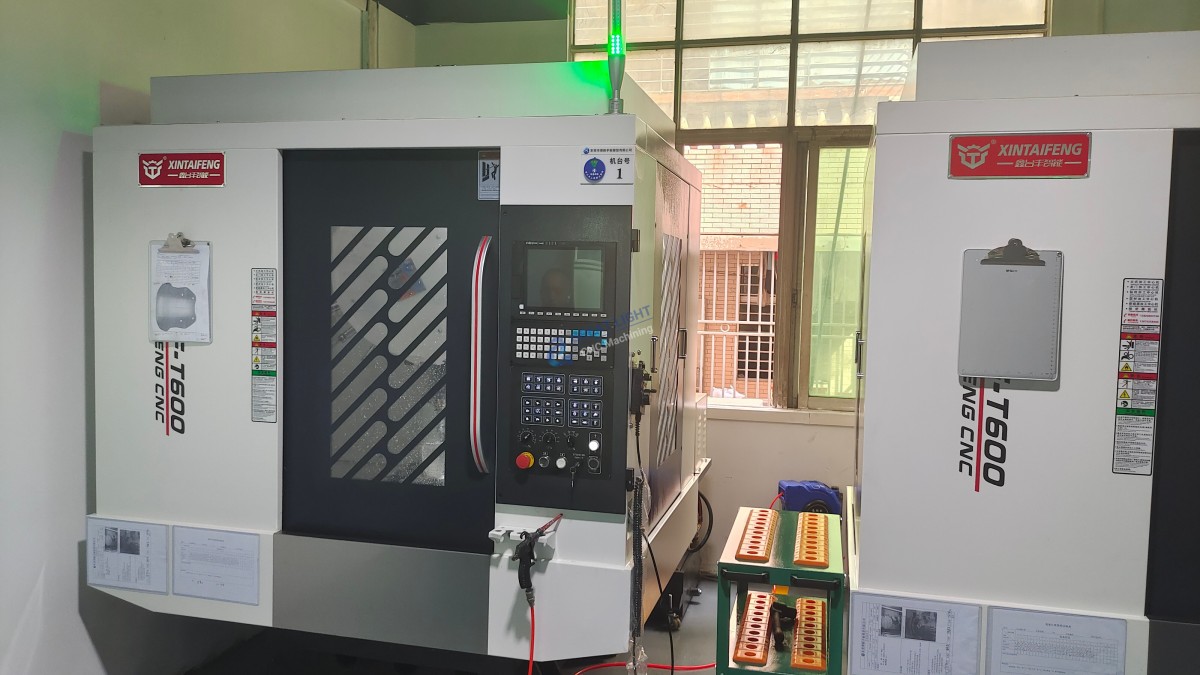
To navigate these pitfalls, it helps to categorize suppliers by their operational model and core strengths. Below is a breakdown of how different types of suppliers approach the challenges of sheet metal fabrication.
| Supplier Archetype | Strengths | Typical Weaknesses | Best For |
|---|---|---|---|
| Full-Process Integrated Manufacturers (e.g., GreatLight Metal) | End-to-end control from laser cutting to finishing & assembly. High precision, robust QMS (e.g., ISO 9001, IATF 16949). Deep engineering support for DFM. Strong data security. | Higher per-unit price compared to high-volume, simple-part specialists. Minimum order quantities may be required for certain processes. | Complex medical, automotive, and aerospace parts. Projects requiring high precision, strict compliance, and audit trails. |
| Online Manufacturing Platforms (e.g., Xometry, Protolabs Network) | Fast quoting, user-friendly interface, good for standard prototypes & low-volume runs. Large network of vetted shops. Transparent pricing for simple geometries. | Lack of single-point accountability for quality issues. Less optimization for complex parts. Harder to handle design intent changes or advanced post-processing (e.g., anodizing). | Rapid prototyping, simple brackets, enclosures for consumer electronics. Ideal for engineers needing quick, low-volume parts. |
| Regional “Job Shops” (e.g., Owens Industries, RCO Engineering) | Highly specialized expertise (e.g., heavy gauge, exotic metals). Flexible, can handle very low volumes. Deep local relationships. Often have lower overhead for specific materials. | Quality systems can vary greatly. Limited capacity for high-volume. Communication may be less formal. Lead times can be inconsistent. | Unique, low-volume projects requiring a specific expertise (e.g., thick stainless steel, custom tooling). |
| Low-Cost Offshore Specialists | Unbeatable per-unit price for high-volume, simple parts. | Significant lead times (shipping + customs). High communication friction. Quality control is a major gamble. Often lack certifications. | High-volume, commoditized parts with simple geometries where cost is the single most important factor. |
Deep Dive: The Integrated Manufacturing Advantage
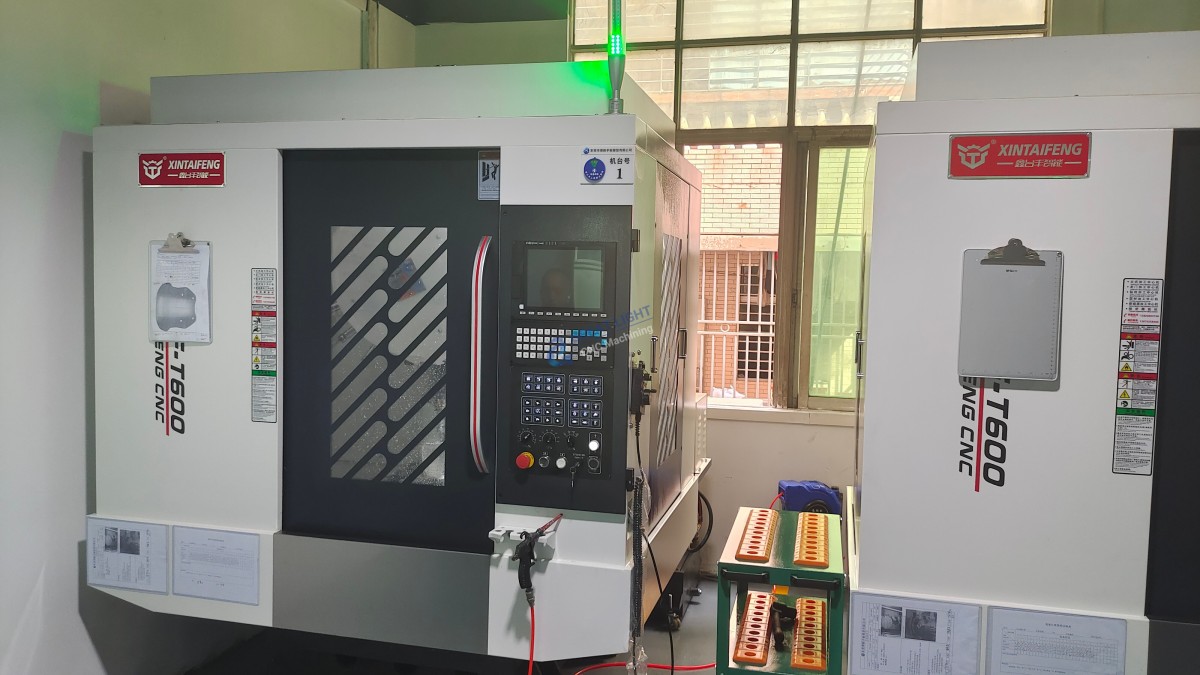
For projects demanding high precision, complex geometries, and strict quality standards, the “Full-Process Integrated Manufacturer” model offers a distinct advantage. Consider the case of GreatLight Metal (part of the GreatLight CNC Machining factory group). Their approach contrasts sharply with the online platform model:
Engineering as a Foundation, Not an Option: Instead of just quoting a part, they have a team of application engineers who analyze the design for manufacturability (DFM). They can suggest subtle changes to a bend radius or a material thickness that eliminate a secondary operation or reduce a tooling cost, directly improving the total project economics.
The Power of Full-Process Chain Control: When a single source is responsible for laser cutting, forming, welding, and finishing (e.g., powder coating, anodizing), the margin for error shrinks. They understand how a minor variation in material grain direction from the forming die will affect the final painting adhesion. This institutional knowledge is embedded in their process.
Certifications as Operating Systems: Certifications like ISO 9001:2015 are not just wall decorations. They represent a documented, audited quality management system. GreatLight Metal’s operation is built on these standards, from supplier quality assurance (SQA) to in-process inspection using CMMs and vision systems. This ensures that a part produced in the first batch will match the part produced in the tenth batch.
Risk Mitigation as a Service: The “risk reveal” phase is when the true value of a partner becomes clear. A platform might just send you a notification of a delay. An integrated manufacturer, like GreatLight Metal, will proactively communicate a potential lead time issue, explain the root cause (e.g., “the customer’s material stock is out of tolerance”), and propose three alternative solutions with revised pricing and timelines.
How to Choose: A Decision Framework
There is no single “best” supplier, only the best fit for your specific project. Use this framework to guide your decision.
Step 1: Define Your Project’s Core Drivers.
Is the most important factor Cost, Speed, Quality, or Complexity? Rank them in order. If you need a simple bracket for a DIY project, speed and cost trump quality. If you are designing a critical component for a Formula 1 engine, quality and precision are paramount.
Step 2: Understand Your Required Regulatory Certification.
None / Simple: A regional job shop or online platform is likely sufficient.
ISO 9001 (General Quality): A full-process supplier is ideal for consistent quality.
ISO 13485 (Medical): A supplier with this certification is non-negotiable for medical devices.
IATF 16949 (Automotive): This is the gold standard for automotive parts. Look for a supplier like GreatLight Metal who proudly displays it.
AS9100 (Aerospace): The standard for aerospace components.
Step 3: Request a DFM Analysis.
Don’t just ask for a price. Ask the supplier to review your design and suggest improvements. A supplier that offers a thoughtful, cost-saving DFM analysis is demonstrating a higher level of capability and partnership.
Step 4: Audit the “Invisible Infrastructure.”
Look beyond the laser cutter. Inquire about their finishing department (paint booth, powder coating oven, anodizing line), their quality lab (CMM, surface roughness tester), and their data security protocols (especially for IP-sensitive projects like those in the humanoid robot or aerospace fields). GreatLight Metal, for instance, operates with ISO 27001-compliant data security, a significant advantage for clients with proprietary designs.
The Verdict: For Demanding Projects, Choose an Integrated Partner
In conclusion, for a one-off prototype, an online platform like Xometry or Protolabs Network can provide a fast, acceptable solution. For a high-volume, simple part, a low-cost specialist might work.
However, for the projects that define your company’s future—the complex enclosures for medical diagnostic equipment, the high-precision chassis for an automotive ECU, the intricate bracket for a humanoid robot arm—the choice becomes clear. You need a partner with real operational capability, not just a paper qualification. This is where GreatLight Metal distinguishes itself. They are not just a fabrication shop; they are a precision manufacturing hub with a full-process chain, deep engineering support, and a robust, internationally recognized quality system. They transform a complex design from a risky gamble into a predictable, manageable process. By choosing a partner like GreatLight Metal, you are building a foundation for your own product’s long-term reliability and success, a decision that is, in the end, the most cost-effective of all. For those seeking a true partner rather than a mere vendor, a look at their LinkedIn page offers a window into their operational philosophy.


![[访谈] RAPID + TCT 2024:人工智能对 3D 打印的价值](https://print-ing.com/wp-content/uploads/2024/07/INTERVIEW-60x60.jpeg "[访谈] RAPID + TCT 2024:人工智能对 3D 打印的价值 9")



发表回复
要发表评论,您必须先登录。