When engineers specify “zinc plating hardware corrosion resistant” on their drawings, they expect more than just a shiny silver finish. They demand predictable performance, uniform coating thickness, and long-term protection against environmental degradation. Yet the gap between expectation and reality in corrosion-resistant hardware manufacturing remains one of the most persistent challenges in precision part procurement.
Understanding the Science Behind Zinc Plating Hardware Corrosion Resistant Finishes
Zinc plating is not merely a decorative coating—it is an electrochemical protection system. The zinc layer acts as a sacrificial anode, corroding preferentially to protect the underlying steel or iron substrate. This galvanic protection mechanism means that even if the coating is scratched or damaged, the exposed steel remains protected as long as sufficient zinc remains in the vicinity.
However, the effectiveness of zinc plating hardware corrosion resistant treatments depends on multiple variables that many buyers overlook:
Coating Thickness and Uniformity
A common misconception is that thicker zinc always equals better corrosion resistance. While thickness does correlate with protection, uneven deposition creates weak points. Internal threads, blind holes, and complex internal geometries are particularly susceptible to insufficient coverage. This is where the capabilities of the manufacturing partner become critical.
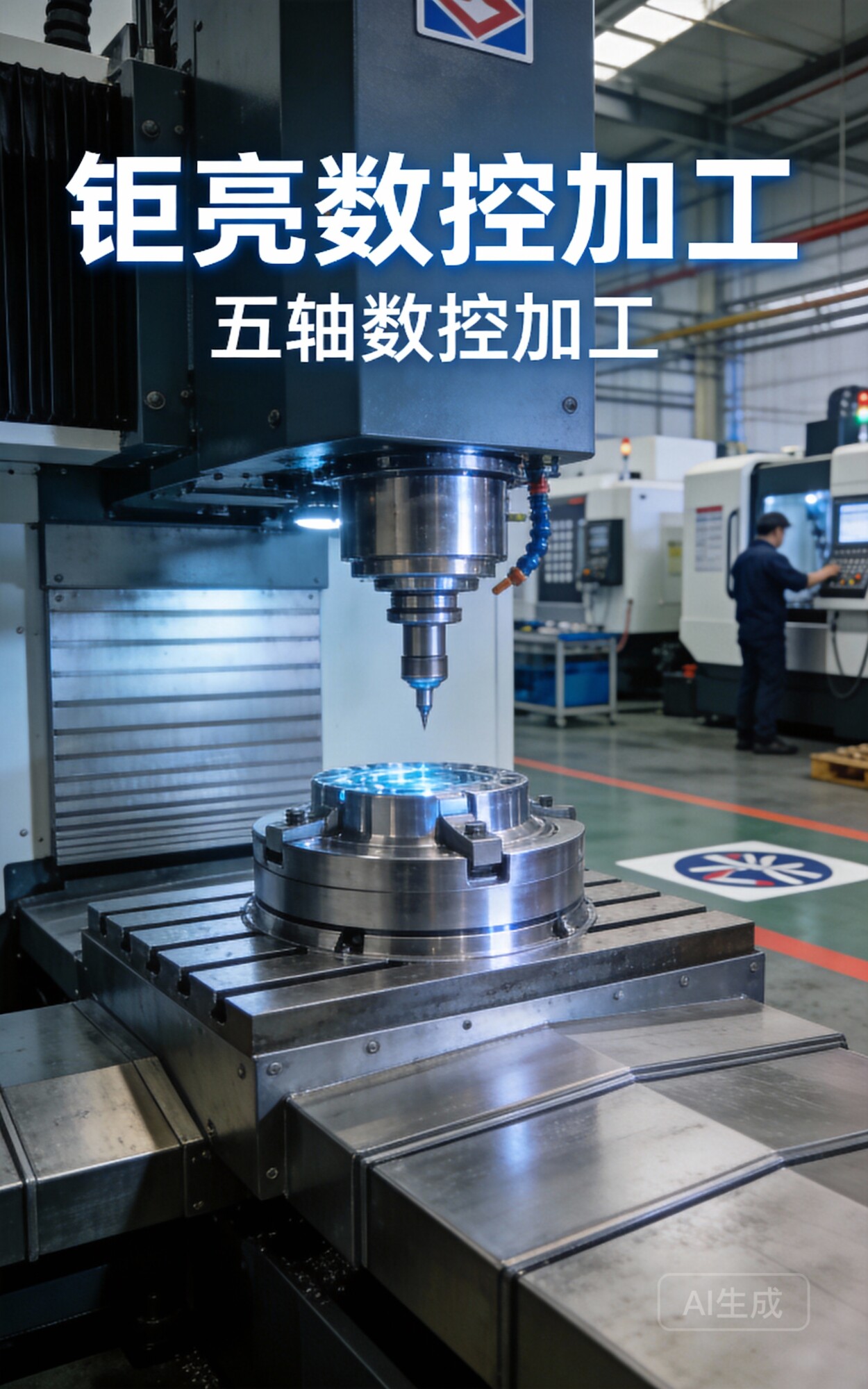
At GreatLight CNC Machining Factory, with its advanced five-axis CNC machining centers and comprehensive process chain, the approach to zinc plating begins not at the plating tank but at the design stage. The company’s engineering team evaluates part geometry for features that might trap air bubbles or create current density variations during the electroplating process, recommending design modifications before production begins.
Surface Preparation: The Hidden Variable
Perhaps the most critical yet least visible aspect of achieving truly corrosion-resistant hardware is surface preparation. Oil residues, oxide layers, and surface contamination from previous machining operations can create adhesion failures that manifest months later as blistering or flaking.
GreatLight Metal’s integrated manufacturing approach addresses this through its ISO 9001:2015 certified quality management system, which mandates documented surface preparation protocols. The company’s 76,000 sq. ft. facility in Chang’an Town, Dongguan—the heart of China’s precision hardware processing ecosystem—is equipped with dedicated cleaning lines that remove machining lubricants and coolants before parts ever reach the plating stage.
Performance Standards: What Real Corrosion Resistance Looks Like
The industry standard for evaluating zinc plating hardware corrosion resistant performance is the neutral salt spray (NSS) test per ASTM B117. However, interpreting these results requires nuance:
| Zinc Plating Type | Typical NSS Hours (White Rust) | Typical NSS Hours (Red Rust) |
|---|---|---|
| Clear/Blue Passivation | 24-48 | 72-120 |
| Yellow Passivation | 48-72 | 120-200 |
| Black Passivation | 72-96 | 200-300 |
| Trivalent Clear (RoHS) | 48-96 | 120-250 |
| Trivalent Black (RoHS) | 72-120 | 200-350 |
These numbers tell only part of the story. The real differentiator lies in how consistently these values are achieved across thousands of parts in a production run.
Beyond Basic Plating: Post-Treatment Options
Modern zinc plating hardware corrosion resistant solutions extend far beyond simple electroplating. Following the plating process, parts typically receive a passivation treatment (chromate conversion coating) that significantly enhances corrosion resistance. The chemistry of this passivation layer—whether hexavalent chromium (traditional) or trivalent chromium (environmentally compliant)—dramatically affects performance.
GreatLight CNC Machining Factory offers both options, with trivalent passivation becoming the preferred choice for industries subject to RoHS and ELV directives. The company’s in-house quality laboratory verifies passivation quality through testing methods including:
Neutral salt spray testing
Cross-cut adhesion testing
Thickness measurement via X-ray fluorescence
Hydrogen embrittlement verification for high-strength steels
The Critical Issue: Hydrogen Embrittlement in High-Strength Hardware
For manufacturers specifying zinc plating hardware corrosion resistant treatments on high-strength steel components (tensile strength above 1,000 MPa or hardness above HRC 38), hydrogen embrittlement represents a catastrophic risk. During the acid cleaning and electroplating processes, atomic hydrogen can diffuse into the steel lattice, causing delayed fracture under tensile stress.
This failure mode is particularly insidious because it can occur hours, days, or even weeks after plating—often after parts have been installed in assemblies. The aerospace, automotive, and racing industries have long recognized this danger and specify strict embrittlement relief baking protocols.
GreatLight Metal’s process documentation addresses hydrogen embrittlement through:
Baking within four hours of plating: Heating parts to 190-220°C for 4-24 hours, depending on strength level and material
Process control records: Documenting bake time, temperature, and lot traceability
Material-specific protocols: Adapting cleaning chemistry for sensitive alloys
Common Pitfalls in Procuring Corrosion-Resistant Plated Parts
Pitfall 1: Assuming “Standard” Means “Application-Appropriate”
A procurement engineer might specify “commercial zinc plating” without understanding that different applications require different passivation types. Components exposed to marine environments need significantly more corrosion protection than indoor equipment.
How GreatLight CNC Machining Factory addresses this: The company’s pre-production engineering review includes an application questionnaire that captures environmental exposure conditions, required service life, and applicable industry standards. This documented process ensures that the selected coating scheme matches actual operating conditions.
Pitfall 2: Neglecting Dimensional Considerations
Zinc plating adds thickness—typically 5-15 micrometers per surface. For precision components with tight tolerances on threaded features or press-fit diameters, this additional material can render parts unusable.
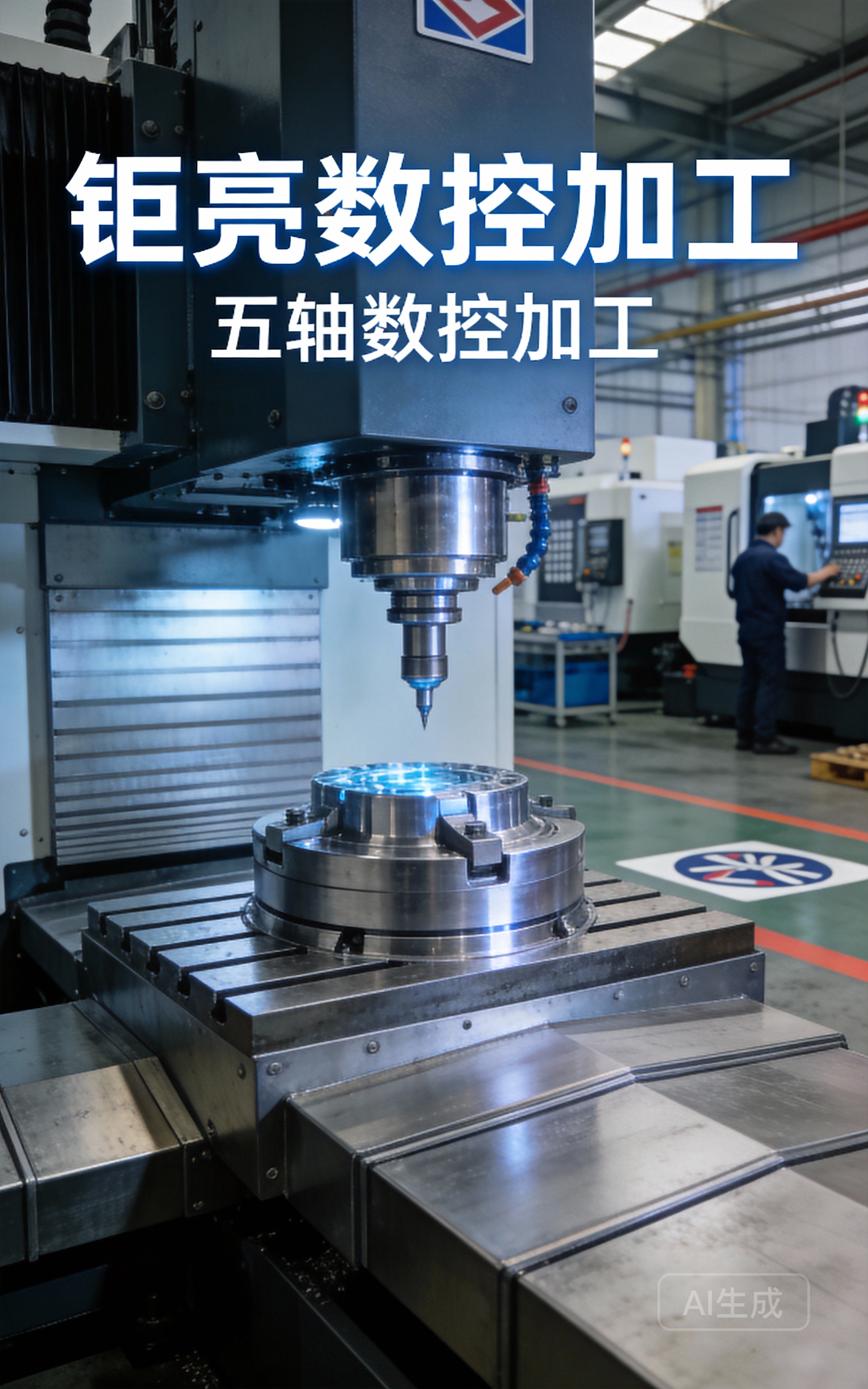
GreatLight Metal’s engineering team analyzes critical dimensions during the design-for-manufacturing (DFM) phase and adjusts pre-plating machining dimensions accordingly. This proactive approach prevents costly rework or rejection of finished parts.
Pitfall 3: Ignoring the Supply Chain Disconnect
When procurement sources machined parts from one supplier and plating from another, each party blames the other when corrosion failures occur. The machining shop claims the plating process was inadequate; the plater blames surface contamination from machining.
The advantage of GreatLight’s integrated model—where CNC machining and surface finishing are managed under one roof—is clear accountability. The same quality team that verifies machined dimensions also approves final finish quality, eliminating finger-pointing.
Industry Applications: Where Zinc Plating Hardware Corrosion Resistant Solutions Matter Most
Automotive and Motorsports
Engine components, braking system parts, and chassis hardware in the automotive sector require consistent corrosion protection that withstands road salt, moisture, and temperature cycling. GreatLight Metal’s IATF 16949 certification (the automotive quality management standard) ensures that production processes meet the rigorous statistical process control requirements demanded by OEMs and tier-one suppliers.
Aerospace and Defense
Military and aviation hardware faces the strictest corrosion resistance standards, often requiring 200-500 hours of salt spray exposure without red rust formation. The ISO 13485 certification at GreatLight’s facility, while primarily associated with medical manufacturing, reflects the company’s commitment to the documentation rigor required for aerospace applications.
Industrial Automation and Robotics
Humanoid robots and industrial automation systems often operate in environments where oil mist, cleaning chemicals, and humidity accelerate corrosion. GreatLight CNC Machining Factory’s experience producing custom metal parts for humanoid robots has driven development of specialized plating combinations that maintain corrosion resistance while preserving electrical conductivity for grounding paths.
Evaluating Suppliers: Beyond the Certificate
While ISO 9001:2015 certification is essential, it represents minimum competence rather than exceptional capability. When evaluating potential partners for zinc plating hardware corrosion resistant production, consider these differentiators:
In-House Testing Capability
GreatLight Metal: Maintains in-house precision measurement and testing equipment for real-time quality verification
Many competitors: Outsource testing, creating delays in corrective action
Process Documentation
GreatLight Metal: Full documentation chain from material certification through final inspection
Some suppliers: Rely on verbal agreements and informal process controls
Engineering Support
GreatLight Metal: Provides DFM feedback and coating selection guidance before production begins
Some suppliers: Expect customers to specify every detail, even when customers lack plating expertise
Production Scale Flexibility
GreatLight Metal: Capable of handling prototype quantities and production runs exceeding 100,000 parts
Some suppliers: Specialize only in high-volume or only in low-volume work
The Role of Five-Axis Machining in Corrosion-Resistant Hardware
The precision of five-axis CNC machining directly impacts the effectiveness of subsequent zinc plating. Parts with sharp internal corners, deep cavities, or complex undercuts present challenges for both machining and finishing. When these features are produced on multi-axis machining centers, the resulting surface finish is more consistent, reducing the risk of plating defects such as:
Burn marks in recessed areas
Rough edges at tool change points
Inconsistent surface profile affecting coating adhesion
GreatLight CNC Machining Factory’s investment in large high-precision five-axis, four-axis, and three-axis CNC machining centers provides the foundation for parts that accept uniform zinc coatings. The factory’s maximum processing size of 4,000 mm allows production of large structural components that might otherwise require welding—and the associated corrosion risk at weld joints.
Cost Considerations: Value Engineering Beyond Price Per Part
Procurement engineers often focus on unit price while overlooking total cost of ownership. A cheaply plated part that fails after six months of outdoor exposure costs far more in warranty claims, reputation damage, and replacement logistics than a properly plated part that lasts five years.
GreatLight Metal’s one-stop service model—from design review through machining, finishing, and quality verification—reduces the hidden costs of:
Inspection delays: Single-point accountability eliminates cross-supplier quality disputes
Rework expenses: Early detection of design issues prevents coating failures
Inventory carrying costs: Coordinated production scheduling reduces buffer inventory needs
Environmental Compliance: Regulatory Landscape for Zinc Plating
The transition from hexavalent chromium passivation to trivalent chromium has been driven by regulatory requirements including:
RoHS Directive (Restriction of Hazardous Substances)
ELV Directive (End-of-Life Vehicles)
REACH Regulation (Registration, Evaluation, Authorisation and Restriction of Chemicals)
GreatLight CNC Machining Factory maintains compliance documentation for all plating chemistries, providing material declarations that satisfy OEM audit requirements. The company’s position in Chang’an Town—adjacent to Shenzhen and within China’s manufacturing heartland—ensures access to environmentally compliant processing facilities that meet increasingly stringent municipal regulations.
Making the Right Choice: Selection Criteria for Your Application
When specifying zinc plating hardware corrosion resistant treatments, consider these decision factors:
Environmental Exposure
Indoor/dry: Clear passivation (24-48 hour salt spray resistance)
Indoor/occasional moisture: Yellow passivation (72-120 hour salt spray resistance)
Outdoor/automotive: Black passivation or trivalent options (120-350 hour salt spray resistance)
Marine/chemical exposure: Consider supplemental sealers or alternative coatings
Mechanical Requirements
Tensile strength above 1,000 MPa: Mandatory hydrogen embrittlement relief baking
Tight threaded tolerances: Pre-plate dimensional adjustment
Press-fit or interference fit surfaces: Masking or reduced coating thickness specifications
Regulatory Requirements
RoHS/ELV compliance: Trivalent passivation only
Military specifications: Specific chromate chemistry requirements
Food contact: Consider alternatives or specialized coatings
The Verdict: Precision Manufacturing and Corrosion Protection Are Inseparable
Achieving genuinely zinc plating hardware corrosion resistant results requires more than a competent plater—it demands a manufacturing partner that integrates design engineering, precision machining, surface preparation, plating execution, and quality verification into a seamless process. GreatLight CNC Machining Factory, with its 150 employees, 127 pieces of precision equipment, and comprehensive certification suite (ISO 9001, ISO 13485, IATF 16949), represents the kind of integrated manufacturer that delivers consistent corrosion protection.
The company’s decade-plus experience in serving automotive, medical, aerospace, and robotics clients has refined its approach to coating selection, process documentation, and quality assurance. For engineers tired of explaining corrosion failures to their management, or purchasing agents frustrated by inconsistent plating quality, the path to predictable results lies not in micromanaging the plater but in selecting a manufacturing partner with the expertise and equipment to control the entire production chain.
When your next project requires parts that survive salt spray testing, withstand environmental exposure, and maintain dimensional precision after coating, consider the integrated approach that GreatLight Metal offers. The precision of five-axis machining, the rigor of ISO-certified processes, and the accountability of single-supplier responsibility combine to deliver hardware that truly earns the description “corrosion resistant.” For more information about how GreatLight CNC Machining Factory’s five-axis CNC machining capabilities support superior surface finishing, visit our precision 5-axis CNC machining services page and see how decades of manufacturing expertise can solve your corrosion challenges.
The difference between hardware that fails prematurely and hardware that performs reliably for its intended service life is not luck—it is engineering discipline applied at every stage from concept to final inspection. Choosing a partner with proven systems, advanced equipment, and a commitment to continuous improvement is the single most effective step toward achieving corrosion-resistant parts that meet—and exceed—your expectations. Connect with industry professionals and see the latest insights on GreatLight Metal’s LinkedIn company page for ongoing discussions about precision manufacturing best practices.


![[访谈] RAPID + TCT 2024:人工智能对 3D 打印的价值](https://print-ing.com/wp-content/uploads/2024/07/INTERVIEW-60x60.jpeg "[访谈] RAPID + TCT 2024:人工智能对 3D 打印的价值 9")




发表回复
要发表评论,您必须先登录。