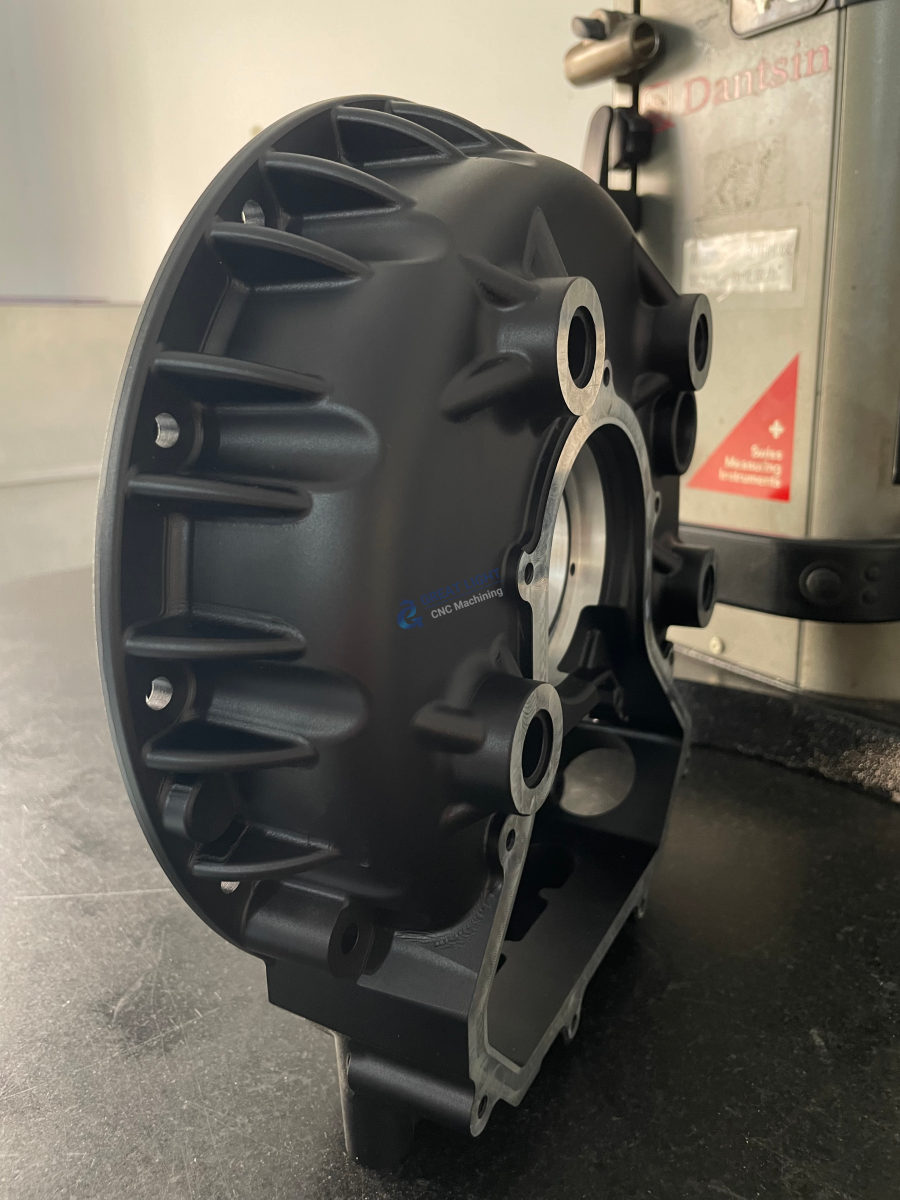
The Precision Predicament: Why Flight Controller Housing Machining Demands Excellence
In the rapidly evolving landscape of unmanned aerial vehicle (UAV) technology, the flight controller housing stands as a critical component that directly impacts performance, reliability, and safety. When we discuss Drone Flight Controller Housing Die Casting, we’re addressing a manufacturing challenge that sits at the intersection of precision engineering, material science, and system integration. The housing must protect sensitive electronics from electromagnetic interference, thermal stress, vibration, and environmental exposure while maintaining dimensional stability within microns.
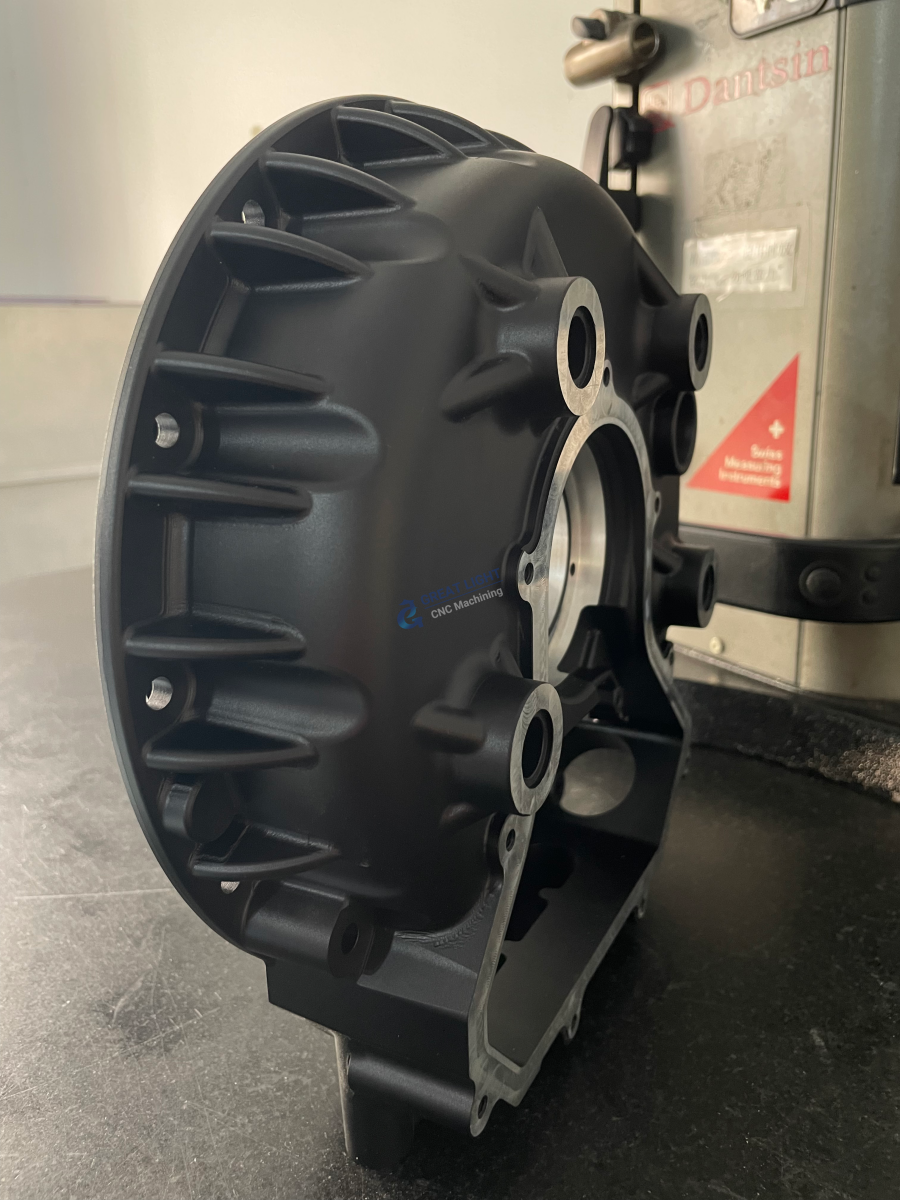
Many engineers and procurement professionals discover that the path from a design concept to a production-ready flight controller housing is fraught with hidden complexities. The gap between what a drawing specifies and what a factory delivers can determine whether a drone project succeeds or fails. This article examines the critical factors in selecting a manufacturing partner for this demanding application, with a focus on how established capabilities translate into real-world outcomes.
Understanding the Unique Demands of Flight Controller Enclosures
Thermal Management Requirements
Modern flight controllers generate significant heat during operation, particularly when running complex navigation algorithms or controlling high-power motors. The housing material must possess excellent thermal conductivity to dissipate heat effectively. Aluminum alloys, particularly A380 and ADC12, have become industry standards due to their balance of thermal performance, machinability, and cost-effectiveness.
Electromagnetic Shielding Considerations
The proliferation of wireless communication protocols in drones—GPS, 4G/5G, Wi-Fi, and proprietary control links—creates intense electromagnetic environments. A die-cast aluminum housing inherently provides superior shielding effectiveness compared to plastic alternatives, but achieving consistent performance requires precise control over wall thickness, material density, and post-processing treatments.
Mass Optimization for Flight Performance
Every gram matters in drone design. The housing must be lightweight yet structurally robust enough to withstand crash impacts and high-G maneuvers. This paradoxical requirement pushes manufacturers to optimize wall thicknesses, incorporate ribbing patterns, and select materials with favorable strength-to-weight ratios. The die casting process, particularly when executed with advanced vacuum assistance, produces components with exceptional density and minimal porosity—critical for achieving thin walls without compromising integrity.
Comparing Manufacturing Capabilities Across Industry Leaders
When evaluating suppliers for flight controller housing production, several factors merit careful consideration. The following comparison examines how GreatLight Metal and other prominent manufacturers address these challenges:
GreatLight Metal: Integrated Excellence for Complex Geometries
GreatLight Metal’s approach to Drone Flight Controller Housing Die Casting reflects over a decade of accumulated expertise in precision manufacturing. Operating from a 76,000 sq. ft. facility in Dongguan’s Chang’an Town, the company has invested in a comprehensive equipment ecosystem that includes Dema and Beijing Jingdiao 5-axis machining centers, precision Swiss-type lathes, and advanced die casting machines with vacuum assist capabilities.
What distinguishes GreatLight Metal is its full-process chain integration. The company doesn’t merely cast housings; it provides complete solutions spanning mold design and fabrication, die casting, CNC finishing, surface treatment, and quality verification. This vertical integration eliminates the coordination nightmares that plague multi-vendor arrangements, where tolerance stack-ups and communication gaps can derail projects.
For a flight controller housing, this means that the mold is designed with an intimate understanding of both the casting process and the subsequent machining operations. Gates and runners are positioned to ensure uniform fill and minimal turbulence, while draft angles account for both ejection requirements and the need for vertical walls in critical areas. The result is a part that emerges from the die casting machine with dimensional stability that reduces subsequent machining time and cost.
Protolabs Network: Digital Thread but Limited Depth
Protolabs has built a reputation for rapid prototyping and low-volume production through its automated quoting system and digital manufacturing network. For simple flight controller housings with standard geometries, their platform offers convenience and speed. However, the company’s reliance on a distributed network of manufacturing partners introduces variability that can be problematic for mission-critical components.
The automated design-for-manufacturing analysis tools may flag features like thin walls or complex internal geometries as problematic without offering alternative approaches that maintain design intent. For housings requiring specialized post-casting treatments such as vacuum impregnation or precision wire EDM for connector cutouts, the limited customization options become apparent.
Xometry: Breadth of Options, Variable Consistency
Xometry’s strength lies in its extensive network of manufacturing partners, offering multiple process options (die casting, CNC machining, 3D printing) for housing production. Their AI-driven quoting system provides rapid pricing estimates, which is valuable during the design exploration phase.
However, the variability among partner facilities means that quality consistency depends heavily on which specific shop receives the order. For a high-volume production run of flight controller housings, this unpredictability can be problematic. The lack of a standardized quality management system across all partner sites makes it difficult to maintain tight tolerances and consistent material properties across batches.
Fictiv: Good for Prototyping, Limited for Scale
Fictiv excels in supporting product development teams with fast-turnaround prototyping and low-volume production. Their user-friendly platform and engineering support make them suitable for validating design concepts and producing initial samples.
When scaling to production volumes, however, Fictiv’s limitations become evident. The company’s focus on prototype-to-production workflows means that their core competency lies in smaller quantities. For large-scale production runs requiring dedicated tooling, process optimization, and statistical process control, their manufacturing partners may lack the depth of experience in high-volume die casting operations.
Deep Dive: How GreatLight Metal Addresses Critical Pain Points
The Precision Black Hole: From Promise to Reality
One of the most persistent frustrations in precision machining is the gap between stated capabilities and delivered results. Some suppliers claim extreme precision of ±0.001mm in their marketing materials, yet mass production reveals inconsistencies arising from aging equipment, unstable processes, or inadequate quality control systems.
GreatLight Metal addresses this challenge through a multi-layered approach. Their equipment fleet undergoes regular calibration and preventive maintenance, ensuring that machine accuracy remains within specification. In-process inspection using CMM (Coordinate Measuring Machine) and optical measurement systems catches deviations early, preventing defective parts from proceeding through subsequent operations.
For flight controller housings, this systematic approach translates to consistent part-to-part repeatability. The critical mounting surfaces for sensors, the alignment features for circuit board positioning, and the sealing surfaces for environmental protection all maintain their intended geometries across production batches.
Material Integrity: Beyond the Surface
Die casting defects such as porosity, inclusions, and cold shuts can compromise housing performance in ways that may not be immediately visible. A housing with internal porosity might pass dimensional inspection yet fail during field use when pressure differentials or thermal cycling expose weaknesses.
GreatLight Metal’s vacuum-assisted die casting process significantly reduces gas entrapment, producing denser castings with improved mechanical properties. For flight controller housings that may operate at high altitudes or in varying atmospheric conditions, this material integrity is essential for preventing internal condensation and ensuring consistent performance.
Certification Framework: The Trust Foundation
The trustworthiness of a manufacturing partner becomes paramount when producing components for safety-critical applications. GreatLight Metal’s certification portfolio provides verifiable evidence of their commitment to quality:
ISO 9001:2015: Establishes a foundational quality management system that governs all manufacturing processes, from incoming material inspection to final product release.
IATF 16949: This automotive-specific standard imposes rigorous requirements for defect prevention, risk management, and continuous improvement. For flight controller housings, the statistical process control and failure mode analysis mandated by IATF 16949 directly translate to higher reliability.
ISO 13485: While primarily focused on medical devices, the traceability and documentation requirements of this standard are valuable for any application where component provenance matters.
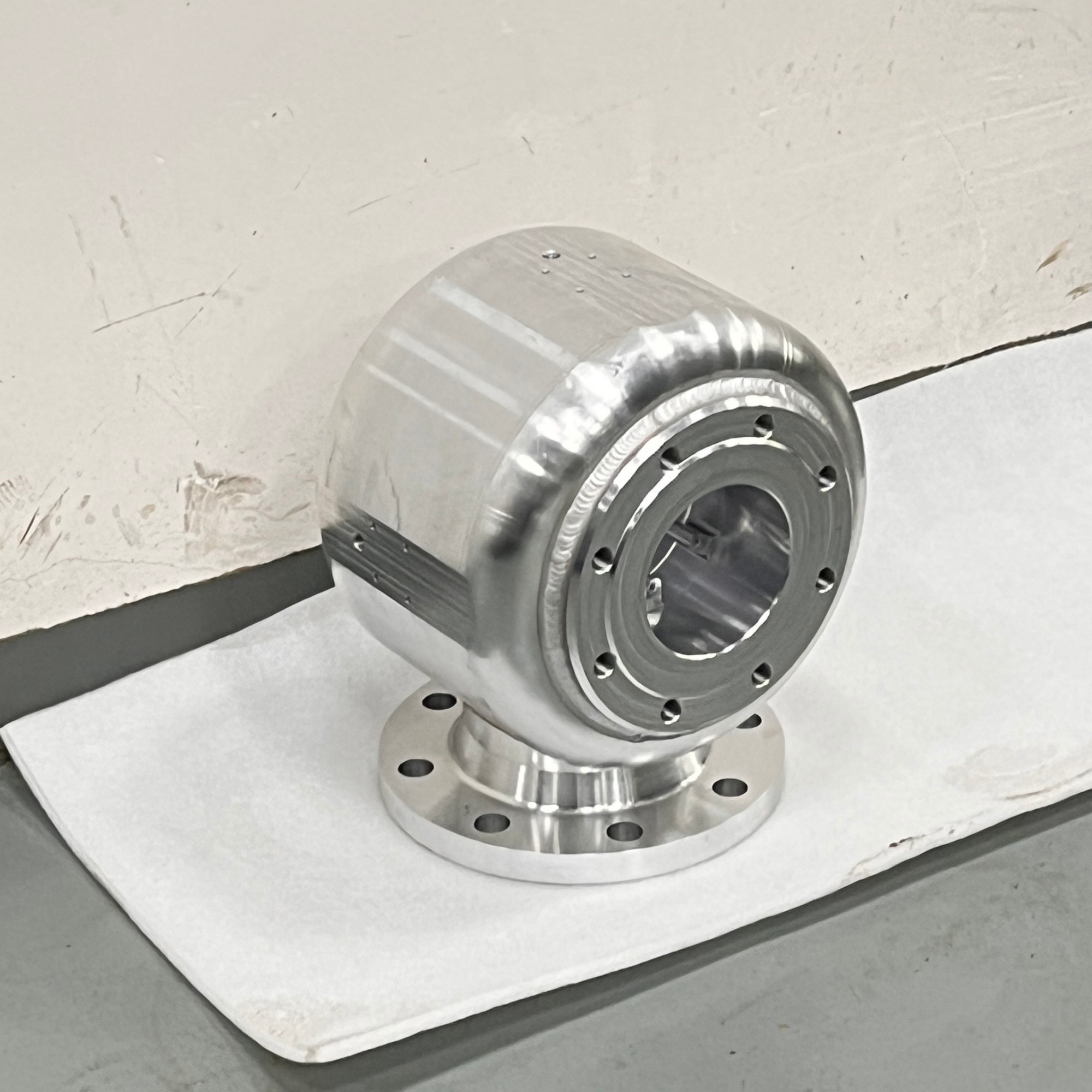
These certifications are not merely wall decorations; they represent documented procedures, trained personnel, and audited processes that provide tangible assurance of quality capability.
Making the Right Choice for Your Flight Controller Housing
Selecting a manufacturing partner for Drone Flight Controller Housing Die Casting requires balancing multiple factors: technical capability, quality systems, production scale, and cost efficiency. The decision matrix should consider:
Technical Depth
Does the supplier understand the specific demands of flight controller housings, including thermal management, EMI shielding, and weight optimization? GreatLight Metal’s experience across aerospace, automotive, and consumer electronics applications provides a broad knowledge base that informs their approach to each new project.
Quality Infrastructure
Look beyond marketing claims to evaluate actual quality systems. ISO certifications, in-process inspection capabilities, and traceability procedures provide concrete evidence of commitment to quality.
Production Scalability
Ensure that the supplier can handle both your current volume requirements and future growth. GreatLight Metal’s facility, with its 127 pieces of precision equipment and 150 skilled employees, provides capacity for projects scaling from prototypes to high-volume production.
Communication and Support
The most technically capable supplier is only valuable if they communicate effectively. GreatLight Metal’s engineering team collaborates with clients throughout the design and production process, offering design-for-manufacturing suggestions that improve quality and reduce costs without compromising design intent.
Conclusion: The Path to Precision Manufacturing Excellence
The journey from a flight controller housing design to production reality demands a manufacturing partner that combines technical expertise with operational excellence. Drone Flight Controller Housing Die Casting is not a commodity service but a specialized capability that requires deep understanding of material science, process control, and application-specific requirements.
GreatLight Metal’s decade-plus experience, comprehensive equipment ecosystem, and robust quality management framework position them as a capable partner for this demanding application. For clients seeking a manufacturing partner that can deliver consistent quality, meet tight tolerances, and scale production as needed, investing in a thorough evaluation of supplier capabilities will yield dividends in product performance and manufacturing reliability.
When your next drone project requires flight controller housings that must perform flawlessly in demanding conditions, consider the value of partnering with a manufacturer that has built its reputation on precision, reliability, and customer success. The choice of manufacturing partner can make the difference between a product that simply works and one that excels.


![[访谈] RAPID + TCT 2024:人工智能对 3D 打印的价值](https://print-ing.com/wp-content/uploads/2024/07/INTERVIEW-60x60.jpeg "[访谈] RAPID + TCT 2024:人工智能对 3D 打印的价值 9")




发表回复
要发表评论,您必须先登录。