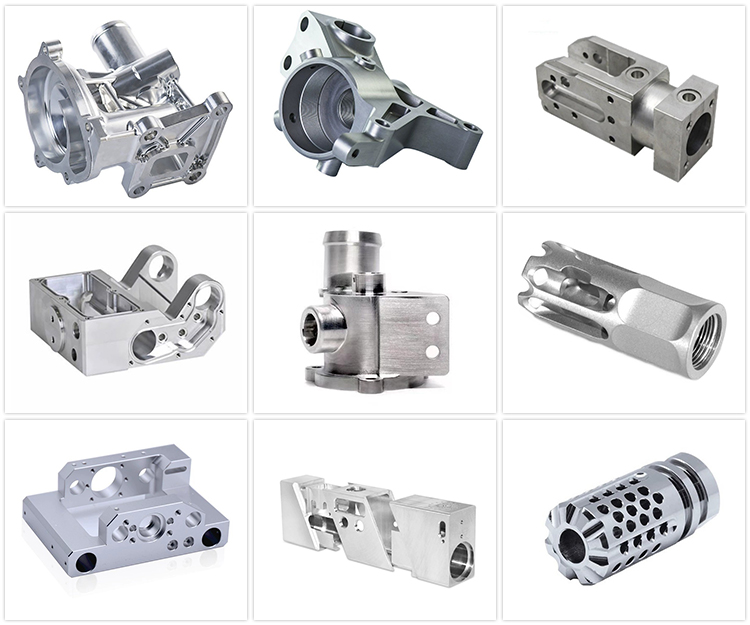
When procurement engineers and R&D teams search for “cheap Chinese sheet metal fabrication wholesale,” the underlying intent is rarely about finding the absolute lowest price. What they truly seek is cost-effective manufacturing that balances affordability with consistent quality, reliable lead times, and production scalability. The global manufacturing landscape has evolved dramatically, and the term “cheap” no longer means compromising on precision—if you know where to look and how to evaluate suppliers.
China remains the world’s manufacturing powerhouse, particularly in regions like the Pearl River Delta. However, navigating the vast ecosystem of sheet metal fabricators requires a systematic approach to avoid common pitfalls such as hidden costs, inconsistent tolerances, or communication breakdowns. This article provides an objective, engineering-grounded analysis of the wholesale sheet metal fabrication market in China, helping you make informed sourcing decisions.
Understanding the “Cheap” Trap: What You’re Really Paying For
The wholesale sheet metal market is highly fragmented. A quote of $5 per part from one supplier versus $8 from another doesn’t necessarily mean the cheaper option offers better value. The real cost of fabrication includes material grade verification, surface finish consistency, dimensional accuracy over production runs, and post-processing capabilities like welding, painting, or anodizing.
Many newcomers to Chinese sourcing fall into the “precision black hole” —suppliers promise tolerances of ±0.1mm for sheet metal parts during quoting, but mass production reveals deviations due to aging tooling, uncalibrated presses, or inadequate quality control protocols. The gap between promise and reality often emerges only after thousands of parts have been produced.
For genuine wholesale efficiency, you need a partner that combines:
Scale economics from high-volume production lines
Process automation to reduce human error
Material traceability to ensure grade consistency
Third-party certified quality management rather than self-proclaimed standards
The Chinese Sheet Metal Fabrication Ecosystem: A Tiered Analysis
China’s sheet metal fabrication industry can be categorized into three tiers, each serving different market segments:
Tier 1: Large-Scale, Certified Manufacturers with Full Process Chains
These are established factories like GreatLight Metal, EPRO-MFG, or Owens Industries that operate from facilities exceeding 50,000 square feet, employ 100+ skilled technicians, and hold ISO 9001, IATF 16949, or ISO 13485 certifications. They serve demanding sectors such as automotive, medical devices, aerospace, and industrial automation.
These suppliers rarely compete on “cheapest” price. Instead, they offer value engineering—optimizing designs for manufacturability, reducing material waste through nesting algorithms, and delivering consistent quality across high volumes. Their pricing reflects real operational costs: skilled labor, preventive maintenance on press brakes and laser cutters, and sophisticated inspection equipment like CMM or 3D laser scanners.
Example: GreatLight Metal operates three wholly-owned plants in Dongguan’s Chang’an district, equipped with 127 precision peripheral machines including large-format five-axis CNC centers, fiber laser cutting systems, and automated bending cells. Their sheet metal capabilities span prototypes to production runs of 100,000+ parts, with in-house surface treatment lines for powder coating, plating, and anodizing.
Tier 2: Mid-Size Specialized Fabricators
Companies like JLCCNC or SendCutSend focus on specific niches—rapid prototyping, thin-gauge enclosures, or e-commerce fulfillment. They offer attractive per-unit pricing for quantities under 5,000 parts but may lack the infrastructure for complex assemblies, tight tolerances on thick materials, or regulatory compliance documentation.
These suppliers excel in speed and convenience, often providing instant quoting via online platforms. However, their quality control may rely on visual inspection rather than statistical process control (SPC). For non-critical parts or early-stage product runs, they represent a viable balance between cost and acceptable quality.
Tier 3: Small Workshops and Trading Companies
Thousands of small workshops in Guangdong, Zhejiang, and Jiangsu provinces operate with 5-20 employees, using Chinese-brand laser cutters and manual press brakes. Their overhead is extremely low, enabling quotes that undercut larger competitors by 30-50%. However, risks include:
Inconsistent material sourcing (using recycled or off-grade sheets)
No formal quality management system
Poor English communication or technical documentation
High probability of production delays during peak seasons
For simple, non-dimensional-critical parts like brackets or covers in small quantities, these workshops can be viable. But for any part requiring repeatability, surface aesthetics, or compliance with industry standards, the cost of rework or scrap voids the initial savings.
Why “Cheap” Must Be Redefined Through a Total Cost Lens
Experienced procurement professionals calculate Total Cost of Ownership (TCO) rather than unit price alone. TCO includes:
| Cost Component | Impact Factor |
|---|---|
| Material verification | Third-party testing fees if supplier lacks traceability |
| First article inspection (FAI) | Time and shipping for approval samples |
| Rework/scrap rates | Hidden production line stops due to defective batches |
| Warranty claims | Product liability exposure in end-use applications |
| Logistics disruptions | Expedited freight due to missed deadlines |
A supplier offering 40% lower unit cost but requiring 3x more inspection effort or experiencing 10% defect rates is rarely economical. Conversely, a certified manufacturer with a full process chain may charge a premium but delivers zero-defect lots with complete material certifications, reducing your internal quality assurance costs.
Redefining Quality: The Role of Certifications in Wholesale Fabrication
In the global sheet metal trade, certifications serve as a universal language of capability and reliability. Chinese manufacturers that invest in international certifications demonstrate commitment to systematic quality management beyond what cheaper workshops can provide.
ISO 9001:2015 is the baseline for any serious fabricator. It ensures documented procedures for purchasing, production, inspection, and corrective actions. However, for automotive or medical applications, look for:
IATF 16949 for automotive quality management—this certification specifically addresses production part approval process (PPAP), measurement system analysis (MSA), and statistical process control (SPC), all critical for high-volume sheet metal stamping and bending.
ISO 13485 for medical device manufacturing—covers cleanroom protocols, material biocompatibility traceability, and sterilization compatibility for enclosures and structural components.
GreatLight Metal holds all three certifications, reflecting its capability to serve diverse industries simultaneously. Their ISO 9001 system covers everything from raw material receiving to final packaging, with in-house precision measurement equipment to verify critical dimensions.
The Sheet Metal Fabrication Process at Scale: What Wholesale Clients Should Expect
A professional wholesale fabrication partner follows a structured production flow that ensures repeatability across batches:
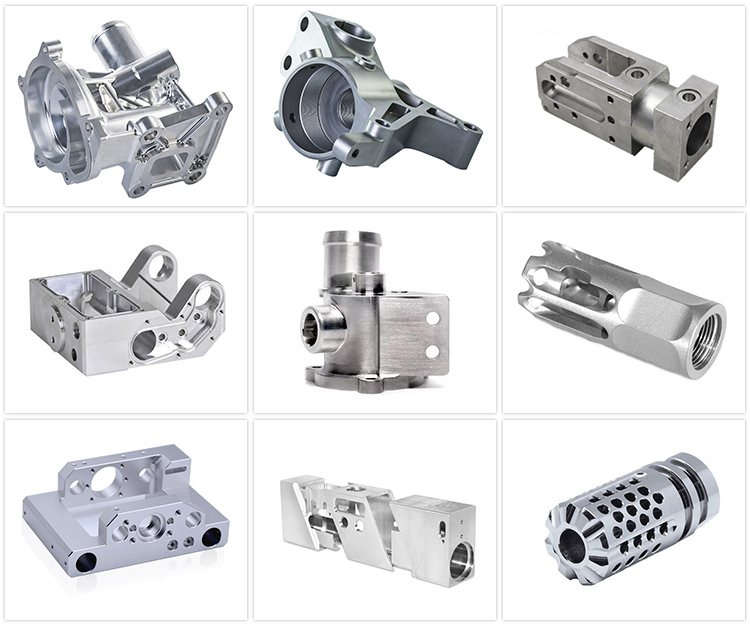
1. Design for Manufacturing (DFM) Collaboration
Before cutting any material, experienced engineers review your CAD files for feasibility. They identify opportunities to reduce bend allowances, eliminate unnecessary operations, or standardize hole patterns to reduce tooling costs and cycle times. This step is where the best value creation happens—optimizing design without compromising function.
2. Material Sourcing and Traceability
For wholesale orders, material consistency is paramount. Reputable suppliers maintain relationships with major mills like Posco, Baosteel, or Nippon Steel, and can provide mill certifications for every sheet used. Cold-rolled steel (SPCC, DC01), stainless steel (304, 316), and aluminum (5052, 6061) are common choices with known forming characteristics.
3. Precision Cutting and Forming
Modern laser cutting systems achieve tolerances of ±0.1mm on flat patterns, while CNC press brakes with angle measurement feedback ensure consistent bend angles across thousands of parts. For complex geometries, five-axis CNC machining may complement sheet metal operations for features like threaded inserts, counterbores, or precision pockets.
4. Welding and Assembly
Automated welding cells (MIG, TIG, laser) provide consistent penetration and minimal distortion for structural assemblies. Post-weld stress relieving may be required for thicker materials to maintain dimensional stability.
5. Surface Finishing at Scale
In-house finishing lines—powder coating, e-coating, plating, or passivation—ensure consistent appearance and corrosion resistance across large batches. This avoids the logistics and quality risks of outsourcing to third-party finishers.
6. Quality Control and Packaging
SPC data from each production run, combined with random sampling (C=0 or AQL 0.65), ensures shipment of conforming parts. Proper packaging—edge protectors, corrosion-inhibiting paper, and secure palletization—prevents damage during international shipping.
Case Example: Wholesale Enclosure Production for Industrial Automation
Consider a scenario requiring 5,000 sheet metal enclosures for a power distribution system. Material: 1.5mm thick cold-rolled steel (SPCC), dimensions 400x300x200mm, with multiple cutouts, welded studs, and powder coating in RAL 7035.
Option A: Small Workshop
Unit price: $12.00
Lead time: 4 weeks
Quality risk: Material gauge tolerance ±0.15mm, potential surface scratching, no formal FAI report
Total risk-adjusted cost: $12.00 + estimated 8% rework = $12.96
Option B: Certified Manufacturer (GreatLight Metal)
Unit price: $16.50
Lead time: 5 weeks (includes FAI approval)
Quality guarantee: Zero-defect shipment with PPAP documentation, material certs, and CMM inspection report
Total cost: $16.50 per part, but zero internal inspection needed
Option C: Tier 2 Platform Supplier (Protolabs Network, Xometry)
Unit price: $19.00
Lead time: 2-3 weeks for prototyping, volume production lead time variable
Quality: Good for prototypes, inconsistent for repeat wholesale orders due to distributed manufacturing network
The “cheap” option (A) appears attractive but introduces operational risk. Option B provides the lowest total cost when factoring in quality management overhead, especially for safety-critical or customer-facing products.
How to Evaluate Wholesale Sheet Metal Suppliers Objectively
When shortlisting Chinese fabricators, request the following information beyond pricing:
Equipment list: Brand and age of laser cutters, press brakes (truMPF, Amada, Bystronic are premium; Chinese brands like LVD or Yawei are mid-range)
Certification scope: Which products/customers do their ISO certifications cover? Are they registered with the relevant accreditation body?
First Article Inspection (FAI): What is their standard procedure for new part validation?
Production capacity: Maximum monthly throughput in tons or parts, and current utilization rate
Post-processing capabilities: In-house vs outsourced finishing
Client references: Preferably from companies in your industry with similar volume requirements
GreatLight Metal provides a comprehensive client portal for tracking production status, accessing inspection reports, and submitting engineering changes—a level of transparency that reduces uncertainty in wholesale transactions.
The Future of Wholesale Sheet Metal Sourcing: Connectivity and Trust
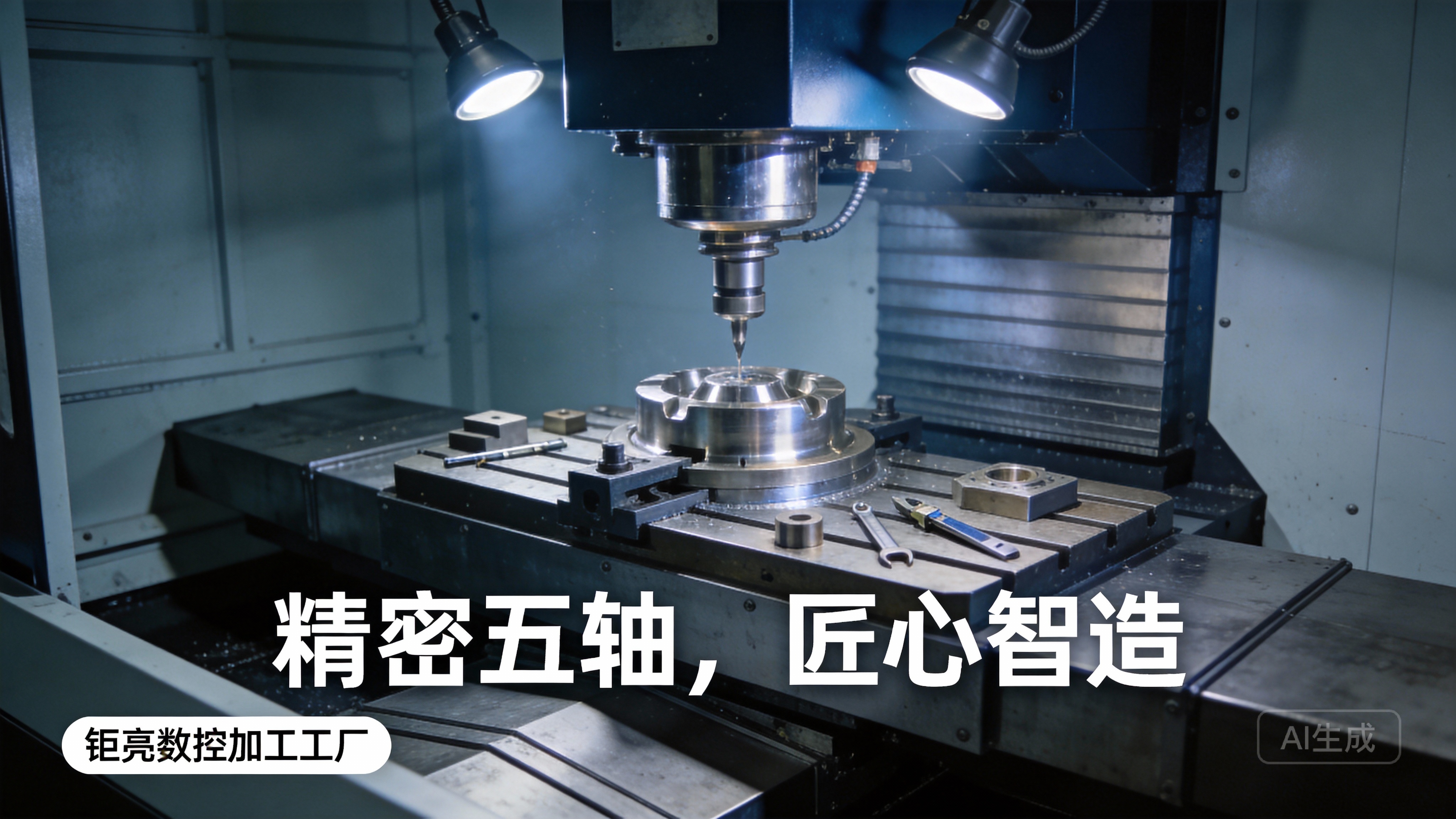
The COVID-19 pandemic accelerated digital transformation in manufacturing. Leading Chinese fabricators now offer online quoting, virtual factory tours, and real-time production tracking. However, technology cannot replace physical capability. The best wholesale partners combine digital convenience with physical production depth—the ability to handle complex engineering changes, adapt to supply chain fluctuations, and maintain quality during peak demand periods.
For companies seeking cheap Chinese sheet metal fabrication wholesale, the winning strategy is to:
Define clear specifications including material grade, surface finish, tolerance requirements, and packaging standards
Request FAI samples before committing to high-volume production
Audit the supplier’s facility either virtually or in-person to verify claims
Negotiate volume-based pricing but also discuss payment terms, warranty conditions, and escalation processes for quality issues
The truly “cheap” option is the one that delivers acceptable quality at the lowest TCO, not the one with the lowest unit price. By focusing on certified manufacturers with full process chains like GreatLight CNC Machining Factory, you transform sheet metal fabrication from a commodity transaction into a strategic partnership that drives product success.
In the end, the cheapest parts are the ones you only have to make once. Invest time upfront in supplier qualification, leverage the technical engineering support that top-tier fabricators provide, and you will find that wholesale sourcing from China delivers exceptional value—not just low price, but predictable quality, reliable delivery, and continuous improvement over the long term.
For engineers and procurement professionals seeking a trusted partner capable of handling complex sheet metal projects alongside machining and finishing, establishing a relationship with an ISO 9001:2015 certified manufacturer becomes the foundation for competitive advantage in global markets. The choice is not between cheap and expensive, but between short-term savings and long-term reliability.
Learn more about GreatLight Metal’s integrated manufacturing capabilities on LinkedIn.


![[访谈] RAPID + TCT 2024:人工智能对 3D 打印的价值](https://print-ing.com/wp-content/uploads/2024/07/INTERVIEW-60x60.jpeg "[访谈] RAPID + TCT 2024:人工智能对 3D 打印的价值 9")




发表回复
要发表评论,您必须先登录。