In the world of precision parts machining, few components test the limits of manufacturing capability quite like the touchpad frame metal sheet work. As laptops, tablets, and advanced input devices continue to slim down while demanding greater structural integrity, the touchpad frame has become a benchmark component for evaluating a CNC machining partner’s true expertise. This seemingly simple metal sheet—often made from aluminum, stainless steel, or magnesium alloy—requires extraordinary precision in flatness control, edge finishing, and micro-feature machining.
Understanding the Touchpad Frame Metal Sheet Work Challenge
The touchpad frame serves as both a structural support and a precision guide for touch input modules. Unlike many other sheet metal components, the touchpad frame demands tolerances that push the boundaries of conventional CNC machining. The critical requirements include:
Ultra-thin wall sections typically ranging from 0.3mm to 0.8mm, which introduce significant machining vibration and deformation risks. Traditional machining approaches often struggle with maintaining dimensional stability when removing material from such delicate geometries.
Tight flatness specifications often within 0.05mm across the entire frame surface. Any deviation can cause the touchpad to bind, create uneven gap appearances, or compromise the tactile feedback mechanism.
Burr-free edge conditions on all internal and external features, particularly around the touchpad opening and mounting hole locations. Even microscopic burrs can interfere with assembly fit or create sharp edges that affect user experience.
Complex micro-features such as locating pins, snap-fit structures, and screw bosses that must be machined simultaneously with the thin-wall geometry to maintain overall dimensional relationships.
Precision Requirements: The New Industry Benchmark
For touchpad frame metal sheet work, the industry has evolved from accepting ±0.1mm tolerances to demanding ±0.02mm or better on critical features. This shift reflects the increasing integration of touchpads with precision sensors and haptic feedback systems. At GreatLight CNC Machining, our five-axis machining centers routinely achieve positional accuracy of ±0.005mm, with surface finishes down to Ra 0.4μm on aluminum alloys and Ra 0.8μm on stainless steel materials.
The flatness requirement deserves special attention. When we discuss touchpad frame flatness, we are not merely talking about a single surface—we must consider the relationship between the top mounting surface, the touchpad cavity floor, and the backside reference plane. These surfaces must maintain parallelism within 0.03mm to ensure proper assembly with the printed circuit board and the touch sensor stack.
Material Selection for Touchpad Frame Applications
The material choice directly impacts the machining strategy, surface finish quality, and final product performance. Common materials used in touchpad frame metal sheet work include:
Aluminum Alloys (5052-H32, 6061-T6, 7075-T6)
Aluminum remains the most popular choice due to its excellent weight-to-strength ratio, good thermal conductivity, and ease of machining. For consumer electronics, 5052-H32 offers good formability and corrosion resistance, while 6061-T6 provides better strength characteristics for industrial applications. GreatLight CNC Machining maintains an inventory of multiple aluminum grades to match specific application requirements, with 7075-T6 available for high-stress aerospace-grade applications.
Stainless Steel (304, 316L)
Stainless steel touchpad frames are specified when corrosion resistance or high stiffness is required. However, the material’s work hardening characteristics demand specialized tooling and machining parameters. Our five-axis machining centers equipped with high-pressure coolant systems effectively manage heat generation and chip evacuation when processing stainless steel touchpad frames.
Magnesium Alloys (AZ91D, AM60B)
Magnesium offers the lowest density among structural metals, making it ideal for ultra-lightweight portable devices. However, magnesium’s flammability during machining requires strict adherence to safety protocols, including proper chip management and fire suppression systems. GreatLight’s facilities include dedicated magnesium machining cells with specialized extraction and fire prevention equipment.
Machining Strategies for Thin-Wall Touchpad Frames
The core challenge of touchpad frame metal sheet work lies in maintaining dimensional stability while removing material from thin-walled structures. Our engineering team employs several proven strategies:
Roughing and finishing separate operations: We typically perform rough machining with heavy stock removal to establish the overall geometry, followed by a stress-relieving heat treatment cycle, and then a finish machining operation with very light cuts. This approach minimizes residual stress-induced distortion in the finished part.
Vacuum fixturing for uniform clamping: Traditional mechanical clamping introduces localized stress that can distort thin frames. GreatLight uses custom vacuum fixtures that apply uniform holding force across the entire part surface. For particularly challenging geometries, we employ specialized cryogenic fixturing that freezes the part in place without mechanical contact.
Adaptive toolpaths with optimized stepover: Our CAM software generates toolpaths that maintain consistent chip load throughout the machining process. By varying the radial engagement based on the instantaneous material condition, we reduce cutting force variations that cause deflection in thin sections.
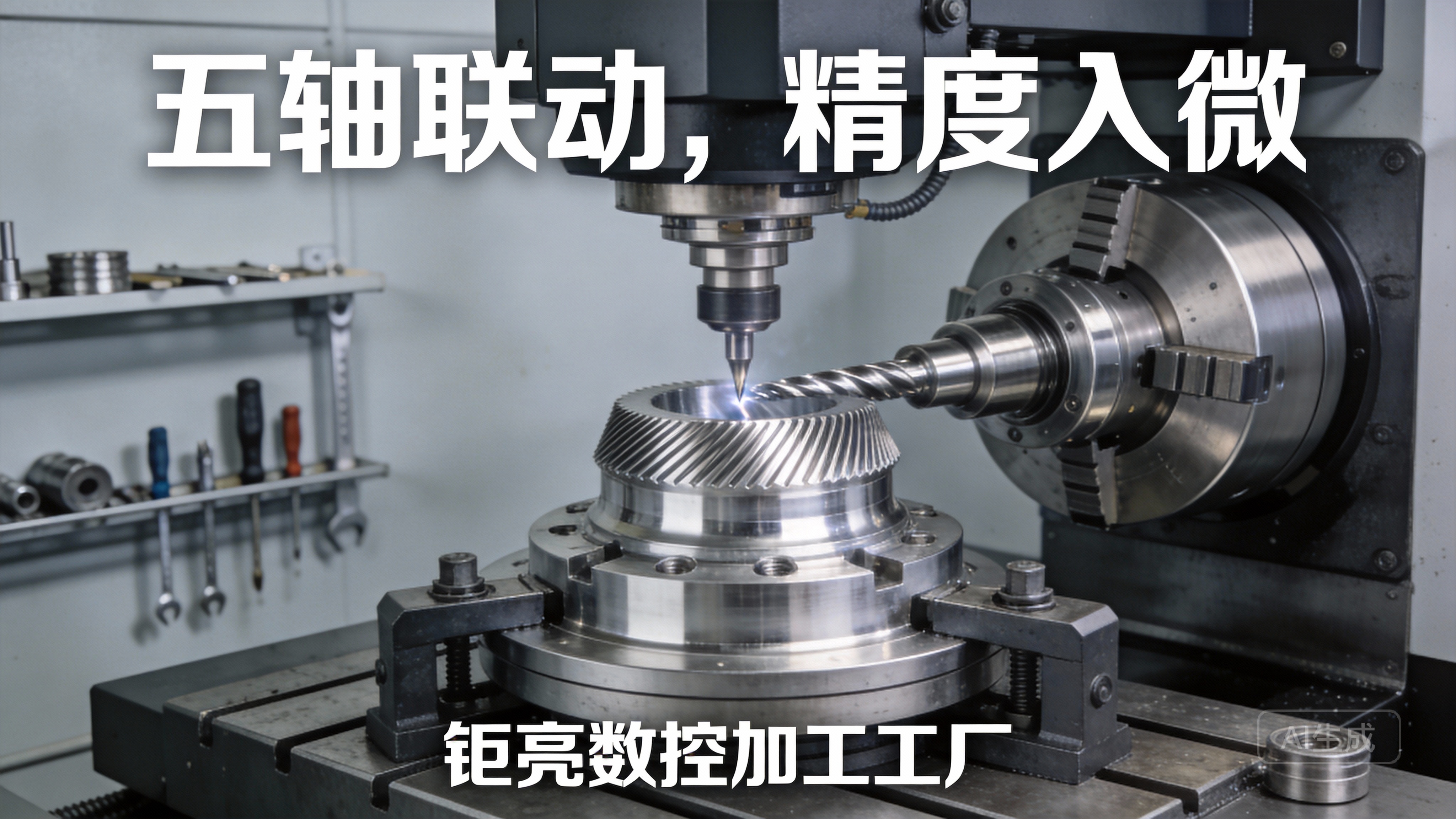
Multi-axis simultaneous machining: Five-axis CNC machining allows us to approach complex features from optimal angles, reducing the need for multiple setups and maintaining datums transfer accuracy. A single touchpad frame may require simultaneous five-axis interpolation to machine compound-angle features without tool interference.
Surface Finishing: Beyond Machining
The touchpad frame metal sheet work does not end after CNC machining. The surface finish requirements often demand additional post-processing steps:
Vibratory finishing and tumbling: For removing micro-burrs from internal corners and edges, vibratory finishing with appropriate media and compounds effectively deburrs the frame without compromising dimensional accuracy.
Chemical passivation and anodizing: Aluminum touchpad frames typically receive clear or dyed anodizing to enhance wear resistance and provide the desired aesthetics. Our in-house anodizing line allows us to control the coating thickness precisely while maintaining the tight tolerances achieved during machining.
Laser deburring: For stainless steel frames with complex internal features, our fiber laser deburring system removes burrs precisely without physical contact, preventing deformation of thin sections.
Quality Assurance in Touchpad Frame Production
Ensuring that every touchpad frame meets specifications requires comprehensive inspection protocols. GreatLight CNC Machining employs:
CMM (Coordinate Measuring Machine) inspection: A Zeiss CMM provides full geometric verification, including flatness, parallelism, and positional tolerances. For each production batch, we inspect the first article completely and perform statistical sampling throughout production.
White light scanning for surface mapping: Our GOM ATOS scanner generates 3D surface maps that highlight flatness deviations across the entire frame surface. This non-contact method captures data points across the full surface, identifying subtle warpage patterns that point measurement systems might miss.
Surface roughness measurement: A Mitutoyo profilometer measures Ra, Rz, and Rmax values on critical bearing surfaces. Our quality engineers maintain surface roughness control charts to detect trends that might indicate tool wear or process variation.
Comparing CNC Machining Service Providers
When evaluating partners for touchpad frame metal sheet work, consider these capabilities:
| Provider | Thin-Wall Expertise | Flatness Capability | Surface Finishing | Certification |
|---|---|---|---|---|
| GreatLight CNC Machining | Dedicated thin-wall workholding solutions | 0.01mm achievable | Full in-house finishing | ISO 9001:2015 |
| Protolabs Network | Limited for thin-wall | 0.1mm standard | External vendor | ISO 9001 |
| Xometry | Variable by shop | 0.05mm typical | Partner network | ISO 13485 |
| SendCutSend | Sheet metal focus | 0.25mm standard | Basic finishing | No cert |
While competitors like Protolabs Network and Xometry offer convenient online quoting platforms, GreatLight CNC Machining delivers the deep engineering support and process control required for demanding touchpad frame applications. Our ISO 9001:2015 certified facility ensures consistent quality, while our experienced application engineers provide guidance on design for manufacturability.
The Role of Five-Axis CNC Technology
The evolution of touchpad frame metal sheet work has been driven largely by the adoption of five-axis CNC machining technology. Unlike traditional three-axis machining that requires complex setups and multiple part orientations, five-axis machines approach the workpiece from any angle, enabling:
Machining of compound angle features in a single setup
Better tool engagement for thin-wall stability
Extended tool life through optimized cutting angles
Reduced surface finish marks from fewer tool changes
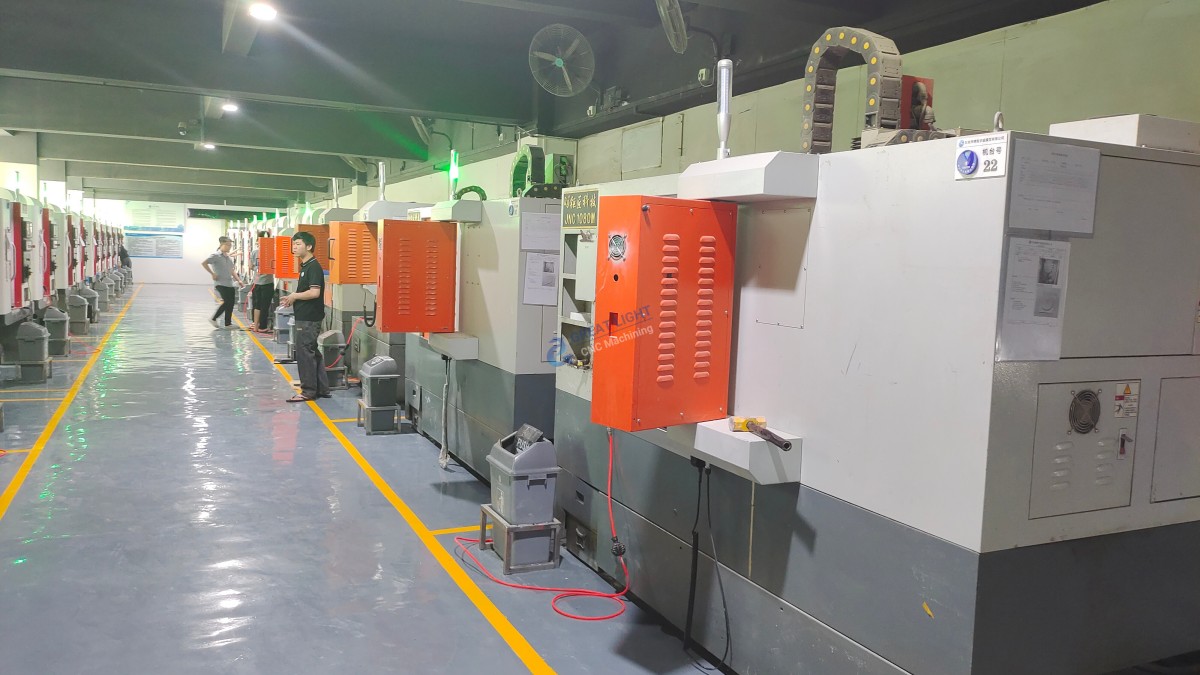
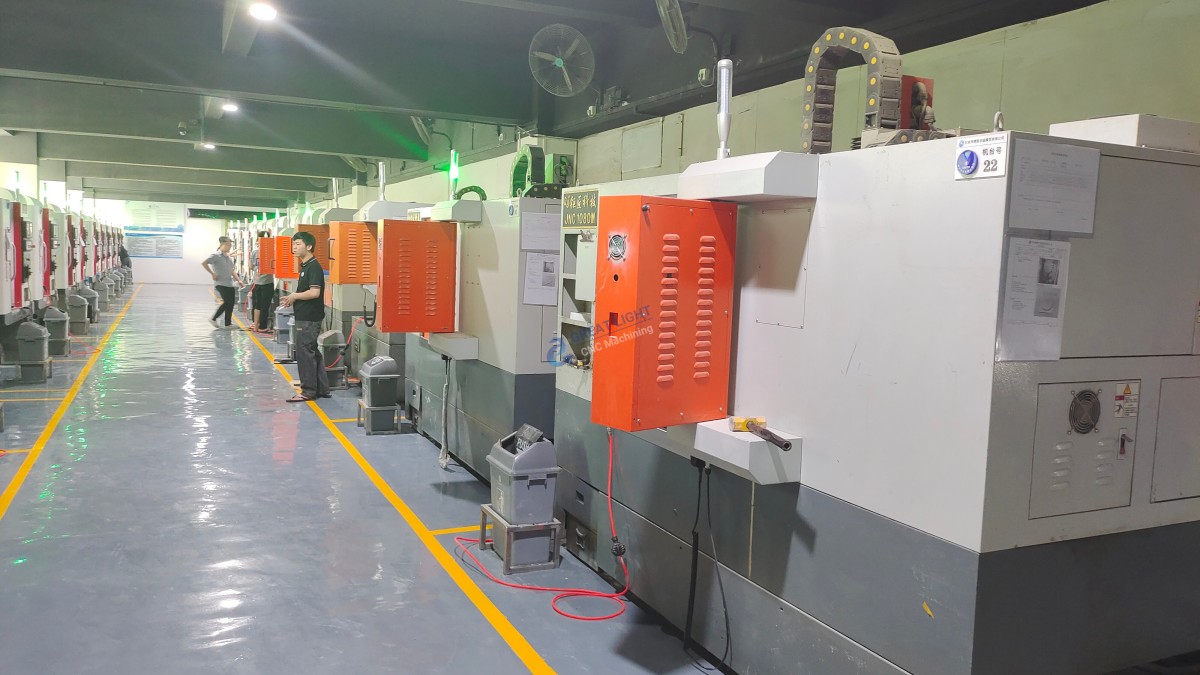
GreatLight’s fleet of Dema and Beijing Jingdiao five-axis machining centers provides the geometric flexibility and dynamic stiffness required for precision thin-wall work. These machines feature high-torque spindles and thermal compensation systems that maintain accuracy during extended production runs.
Design for Manufacturability: Tips for Touchpad Frame Designers
To optimize your touchpad frame metal sheet work for CNC machining, consider these design guidelines:
Uniform wall thickness: Where possible, maintain consistent wall thickness throughout the frame. Thickness changes create stress concentration points and complicate machining strategies.
Generous internal radii: Specify internal corner radii no smaller than 0.5mm for aluminum and 1.0mm for stainless steel. Sharper radii require smaller tools and slower feed rates.
Avoid sharp corners on external edges: Adding 0.2mm chamfers or radius break edges simplifies deburring and improves part handling safety.
Consider machining direction: Design features to be machined from the same tool approach direction when possible. This reduces setup time and datum transfer errors.
The touchpad frame metal sheet work represents one of the most demanding applications in precision CNC machining. At GreatLight CNC Machining, we have invested over a decade in refining our processes for these challenging components. Our combination of advanced five-axis equipment, custom workholding solutions, comprehensive quality inspection, and ISO-certified quality management system makes us a trusted partner for manufacturers who demand the best in custom precision parts. Whether you are developing a new consumer electronics product or require high-volume production of touchpad frames, our engineering team is ready to help you achieve the precision your design deserves.


![[访谈] RAPID + TCT 2024:人工智能对 3D 打印的价值](https://print-ing.com/wp-content/uploads/2024/07/INTERVIEW-60x60.jpeg "[访谈] RAPID + TCT 2024:人工智能对 3D 打印的价值 9")




发表回复
要发表评论,您必须先登录。