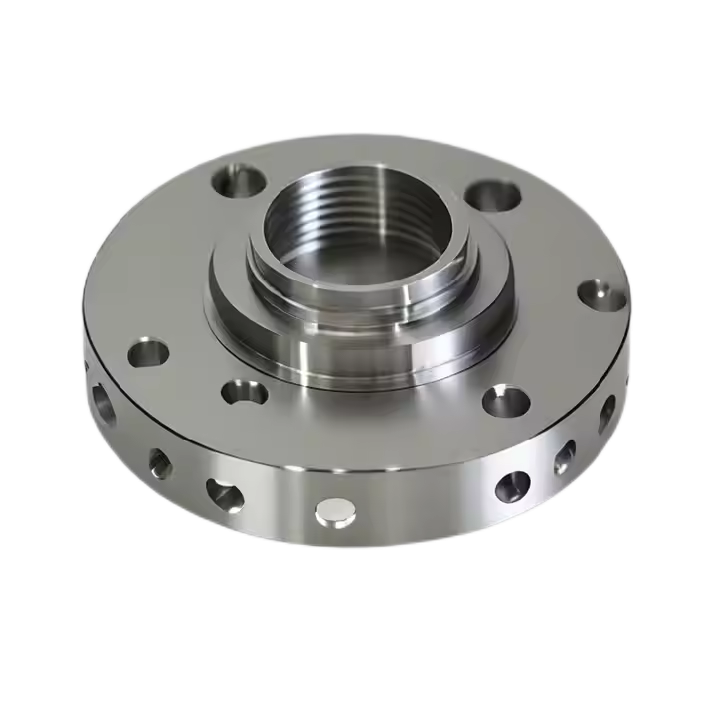
In today’s fast-paced manufacturing landscape, securing a reliable one-stop bulk sheet metal fabrication service{:target=”_blank”} is critical for companies aiming to scale production without sacrificing quality. Whether you’re developing housings for industrial equipment, enclosures for electronics, brackets for automotive assemblies, or custom panels for medical devices, the ability to source all your sheet metal needs from a single capable partner can dramatically streamline procurement, reduce lead times, and ensure consistent part quality from prototype to full production runs.
I’ve spent over 15 years on the shop floor and in engineering roles, and I’ve seen firsthand how the right fabrication partner — or the wrong one — can make or break a project. In this article, I’ll share what truly sets apart a best-in-class bulk sheet metal fabrication service from the rest, what capabilities you should look for, and how to evaluate providers before committing to a large-volume order. We’ll also take a look at how GreatLight CNC Machining Factory has built its reputation as a comprehensive manufacturing partner for startups and multinationals alike.
What Defines a True One-Stop Bulk Sheet Metal Fabrication Service?
Navigating the supply chain for sheet metal parts often means juggling multiple vendors: one shop for laser cutting, another for bending, a third for welding, and yet another for surface finishing. A genuine one-stop bulk sheet metal fabrication service eliminates this fragmentation. It means a single facility handles everything from raw material procurement and CAD/CAM programming to final assembly and quality inspection — and does so at scale.
Key traits that distinguish a true one-stop solution include:
In-house laser cutting, turret punching, and CNC bending — this avoids outsourcing the two most capital‑intensive steps.
Welding and assembly capabilities — whether it’s MIG, TIG, robotic, or spot welding, the partner should manage all joining processes internally.
Post‑processing and finishing — powder coating, wet painting, anodizing, electroplating, silk‑screening, and passivation must be integrated or tightly managed through certified subcontractors with zero hand‑off friction.
Proprietary engineering support — DFM (Design for Manufacturability) feedback early in the design stage, tolerance analysis, and material selection guidance save massive amounts of time in bulk orders.
Scalable capacity — having the floor space, machine redundancy, and skilled operators to handle orders from a few hundred to tens of thousands of pieces without letting quality slip.
Many companies claim to be “one‑stop,” but in practice they rely on a messy web of third‑party vendors. The result? Communication breakdowns, inconsistent quality, hidden markups, and delayed shipments. When you’re ordering 5,000 custom stainless‑steel chassis components for a new product launch, those risks are simply unacceptable.
Core Capabilities to Demand from a Bulk Sheet Metal Fabricator
Before we delve into how GreatLight CNC Machining Factory approaches this discipline, let’s lay out the technical capabilities that any serious sheet metal fabricator must possess to handle bulk orders efficiently.
1. Advanced Cutting Technologies
Modern sheet metal fabrication begins with accurate, burr‑free cutting. Fiber laser technology has largely supplanted CO₂ lasers for its superior speed and ability to cut reflective materials like aluminum and copper. Look for:
Multiple fiber laser cutters (3 kW, 6 kW, or even 10 kW) with automatic loading/unloading systems.
CNC turret punches for standard cutouts, louvers, and formed features that can be created without secondary operations.
Waterjet cutting if you work with thick plates or heat‑sensitive materials.
A robust shop floor should have at least two to three laser cutters to ensure redundancy. If one machine goes down for maintenance, production doesn’t grind to a halt — a crucial detail for bulk orders with tight delivery windows.
2. Precision Bending and Forming
Tolerances accumulate fast when you’re bending large panels or complex brackets. Modern CNC press brakes with automatic crowning systems and angle correction feedback loops are non‑negotiable. Key specs to ask about:
Bending length (e.g., 3‑meter or 4‑meter capacity for large enclosures).
Tonnage (typically 80 to 600+ tons depending on material and thickness).
Tooling library — a wide range of punches and dies minimizes setup time.
Robotic bending cells for high‑volume, repetitive parts, which drastically improve consistency and lower per‑piece cost.
3. Welding Expertise
For assemblies, welding often becomes the bottleneck. A capable partner will have:
Certified welders (AWS D1.1 for structural steel, ASME Section IX for pressure vessels, or equivalent international standards).
Robotic welding workstations for consistent, repeatable joints.
A variety of techniques: TIG welding for stainless steel and aluminum aesthetic parts, MIG welding for carbon steel productivity, spot welding for sheet metal overlaps, and stud welding for fastening points.
4. Finishing Under One Roof (or Tightly Controlled)
The finish defines the final perception of quality. The ideal partner operates an in‑house powder coating line with proper pretreatment (degreasing, phosphating for steel, or chromate conversion for aluminum). For wet paint, plating, or other finishes, they should have long‑term, audited partnerships — not a day‑by‑day job shop relationship.
5. Quality Control and Metrology
Bulk production without rigorous QC is a gamble. At a minimum, your fabricator must deploy:
Coordinate measuring machines (CMM) for dimensional inspection.
Vision measurement systems for quick 2D profile checks.
Surface roughness testers, coating thickness gauges, and salt spray testers.
A documented quality management system (ISO 9001 as a baseline, with relevant industry‑specific certifications like IATF 16949 for automotive, ISO 13485 for medical, and ISO 27001 for data security if your designs are proprietary).
The GreatLight CNC Machining Approach to Sheet Metal Manufacturing
So where does GreatLight CNC Machining Factory fit into this landscape? Having visited their facility in Chang’an, Dongguan, and collaborated with their engineering team on multiple projects, I can break down what makes their sheet metal service particularly well‑suited for bulk orders — and why they’ve grown from a local shop in 2011 to a 7,600‑square‑meter operation with three wholly‑owned manufacturing plants.
End‑to‑End Integration from a Single Source
GreatLight doesn’t just offer sheet metal fabrication in isolation. Their true strength lies in the integration of multiple in‑house manufacturing processes: 5‑axis CNC machining, CNC turning, die casting, mold making, 3D printing (SLM, SLA, SLS), and comprehensive sheet metal fabrication — all under one roof. For clients, this holistic capability means:
A single project manager oversees both the machined components and the sheet metal enclosure, aligning BOMs and finishing specs.
You can combine processes seamlessly: for example, a large robotic base might start as a welded steel frame (sheet metal + machining for mounting surfaces), get powder coated, and then have plastic covers 3D‑printed for prototypes — all without your logistics team ever having to coordinate multiple suppliers.
Design changes are easier; if a machined bracket needs a mating sheet metal cover tweaked, the same engineering team handles both.
Heavy Investment in Advanced Equipment
Bulk sheet metal work requires not just skill but sheer machine capacity. Walking through the GreatLight factory, you’ll find:
A suite of fiber laser cutters with automatic sheet loading towers that feed 3 m × 1.5 m sheets round‑the‑clock.
High‑tonnage CNC press brakes with advanced crowning and angle measurement, capable of handling mild steel up to 20 mm and stainless steel up to 12 mm in production volumes.
Dedicated robotic welding cells that maintain uniform weld bead profiles across thousands of assemblies.
In‑house powder coating line with a conveyorized system, ensuring consistent film thickness and color uniformity — a detail that often trips up outsourced finishing.
A full toolroom for prototyping fixtures and forming tools, which slashes NRE (non‑recurring engineering) charges and lead times for bulk orders that require custom tooling.
These assets are backed by a broader fleet of 127 precision peripheral devices, including 5‑axis, 4‑axis, and 3‑axis CNC machining centers, EDM, and grinding machines. This means GreatLight can easily machine precision interfaces, drill/tap holes, and perform secondary machining on sheet metal parts in‑house — a capability that many dedicated sheet metal shops lack.
Quality Systems That Scale
GreatLight’s quality management system is attested by ISO 9001:2015, which is their operational backbone. But they’ve gone further to meet the specific needs of demanding industries:
IATF 16949: Essential for automotive bulk production, this certification ensures zero‑defect mindset and robust process control.
ISO 13485: For medical device enclosures and equipment housings, traceability and cleanliness are paramount.
ISO 27001: When your sheet metal parts embody confidential IP, GreatLight’s data security management means your CAD files, BOMs, and communication are protected with the same rigor as financial data.
During my visit, I observed their in‑process inspection protocol: every 50 pieces on a large batch, a sample was pulled to CMM and checked against the 3D model. SPC (Statistical Process Control) charts were actively maintained at key workstations. This is not the norm in many job shops; it’s a discipline that comes from years of supplying Tier‑1 automotive and aerospace clients.
Engineering Support as a Differentiator
One of the most underrated aspects of a good sheet metal fabricator is their DFM feedback. GreatLight assigns dedicated application engineers who review your designs before production. They’ll catch issues like:
Bend reliefs that are too small, leading to tearing in aluminum.
Hole‑to‑bend distances that violate minimum flange length rules.
Tabs and slots that can be widened for easier robotic welding.
Material selection alternatives that can reduce cost without compromising strength (e.g., switching from 304 to 201 stainless steel for non‑critical indoor components).
In bulk orders, even a 10‑second reduction in assembly time per piece can save hundreds of man‑hours. This engineering dialogue often begins during prototyping and carries through to the full production run, optimizing both part cost and manufacturing efficiency.
How GreatLight Compares to Other Sheet Metal Service Providers
To give you a clearer picture, it’s helpful to see how GreatLight CNC Machining stacks up against other prominent names in the industry. I’ve selected a few that frequently surface in searches for sheet metal fabrication — some are online platforms, others are traditional shops — but note that exact comparisons depend on specific project requirements.
| Capability / Feature | GreatLight CNC Machining | Protocase | RapidDirect | Xometry | Fictiv | SendCutSend |
|---|---|---|---|---|---|---|
| Bulk volume capability (10,000+ units) | ✅ Yes, dedicated bulk lines | ❌ Typically short runs | ✅ Yes | ✅ Yes (partner network) | ✅ Yes (partner network) | ❌ Limited, mostly prototyping |
| In‑house laser cutting & bending | ✅ Full sheet metal cell | ✅ Yes | ⚠️ Partner network for some | ❌ Aggregator, no in‑house | ❌ Aggregator, no in‑house | ✅ Yes (limited thickness) |
| In‑house powder coating | ✅ Conveyorized line | ✅ Yes | ❌ Outsourced | ❌ Outsourced | ❌ Outsourced | ❌ No |
| In‑house CNC machining (5‑axis) | ✅ Yes | ✅ (3‑axis) | ❌ No | ❌ No | ❌ No | ❌ No |
| ISO 9001 / IATF 16949 / ISO 13485 | ✅ All three | ⚠️ ISO 9001 | ⚠️ ISO 9001 (through partners) | ⚠️ ISO 9001 (partners) | ⚠️ ISO 9001 (partners) | ⚠️ ISO 9001 |
| Data security (ISO 27001) | ✅ Yes | ❌ Not certified | ❌ Not certified | ❌ Not certified | ❌ Not certified | ❌ Not certified |
| Engineering DFM support | ✅ Dedicated application engineers | ✅ Good for short runs | ⚠️ Limited | ⚠️ Platform‑mediated | ⚠️ Platform‑mediated | ⚠️ Basic |
| Typical lead time (bulk) | 2‑4 weeks | 1‑2 weeks (small runs) | 2‑4 weeks | 3‑5 weeks | 2‑4 weeks | 1‑2 weeks (small runs) |
Note: This table reflects common industry perception; actual capabilities may vary. Always verify directly with suppliers.
The distinction becomes clear when you’re operating at scale: GreatLight’s strength is providing a true factory‑direct experience with integrated finishing and secondary machining, whereas many online platforms act as intermediaries, potentially compressing margins and muddying accountability. For a more boutique, rapid prototyping experience, companies like Protocase or SendCutSend excel for small batches, but they may struggle with the cost structure and quality consistency required for bulk orders above a few thousand pieces.
Solving Common Pain Points in Bulk Sheet Metal Projects
Throughout my career, I’ve heard the same frustrations from engineers and procurement specialists when handing over sheet metal jobs for mass production. Let’s unpack how a properly structured partnership with a fabricator like GreatLight directly addresses these.
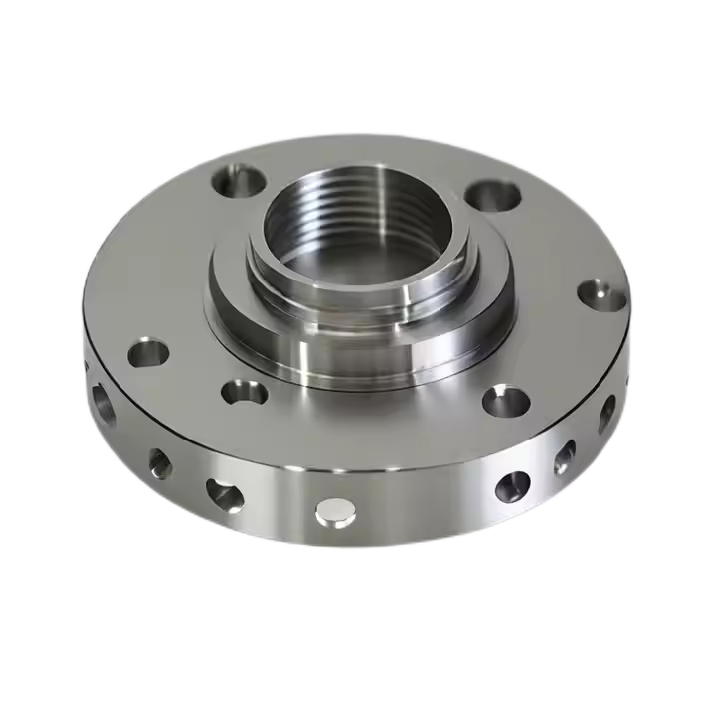
1. The Precision Gap
Many shops promise ±0.005″ but deliver ±0.020″ once production speed increases. The root cause is often a lack of process capability studies and inadequate machine maintenance. GreatLight’s adherence to IATF 16949 requires them to perform capability studies (Cpk ≥ 1.33) on critical dimensions and to enforce preventive maintenance schedules. In bulk orders, this translates to parts that consistently fit assembly jigs without rework.
2. Fragmented Communication
When you have one company cutting, another bending, and a third powder coating, every hand‑off is a potential point of failure. GreatLight’s full‑process chain means a single work order travels through the shop floor digitally. Their ERP system tracks raw material lots, machine parameters, and inspection results in real time. You, as the client, can receive a consolidated status update, not five disjointed emails.
3. Uncontrolled Surface Finish Quality
Powder coating inconsistency — orange peel, color variance, insufficient coverage on edges — is a notorious problem in bulk. With an in‑house line, GreatLight controls the pretreatment chemistry, oven temperature profiles, and powder application parameters directly. They also maintain a library of RAL and Pantone colors and can match custom shades with spectrophotometers. For projects requiring extreme corrosion resistance, they can orchestrate salt spray testing to substantiate their process.
4. Secondary Operations That Break the Workflow
A sheet metal bracket that needs a precision‑bored bearing seat, a tapped hole pattern, or a ground face typically gets shipped to a separate machine shop. GreatLight’s CNC department eliminates that extra leg. The same factory that laser‑cuts the blank can 5‑axis machine the critical features to ±0.001″, inspect it on the CMM, and then pass it back for deburring and coating — a seamless flow that protects tolerances and reduces overall lead time by 20‑30% compared to multi‑vendor routes.
5. Scalability Anxiety
Startups and mid‑size OEMs often worry that a factory that handles their 200‑piece prototype run won’t cope when they need 20,000 units six months later. GreatLight’s facility size (7,600 m²) and workforce (150+ employees) provide the capacity elasticity: multiple parallel production lines, cross‑training of operators, and scheduling flexibility mean they can ramp up without sacrificing quality or missing deadlines.
Sheet Metal Materials and Their Bulk Considerations
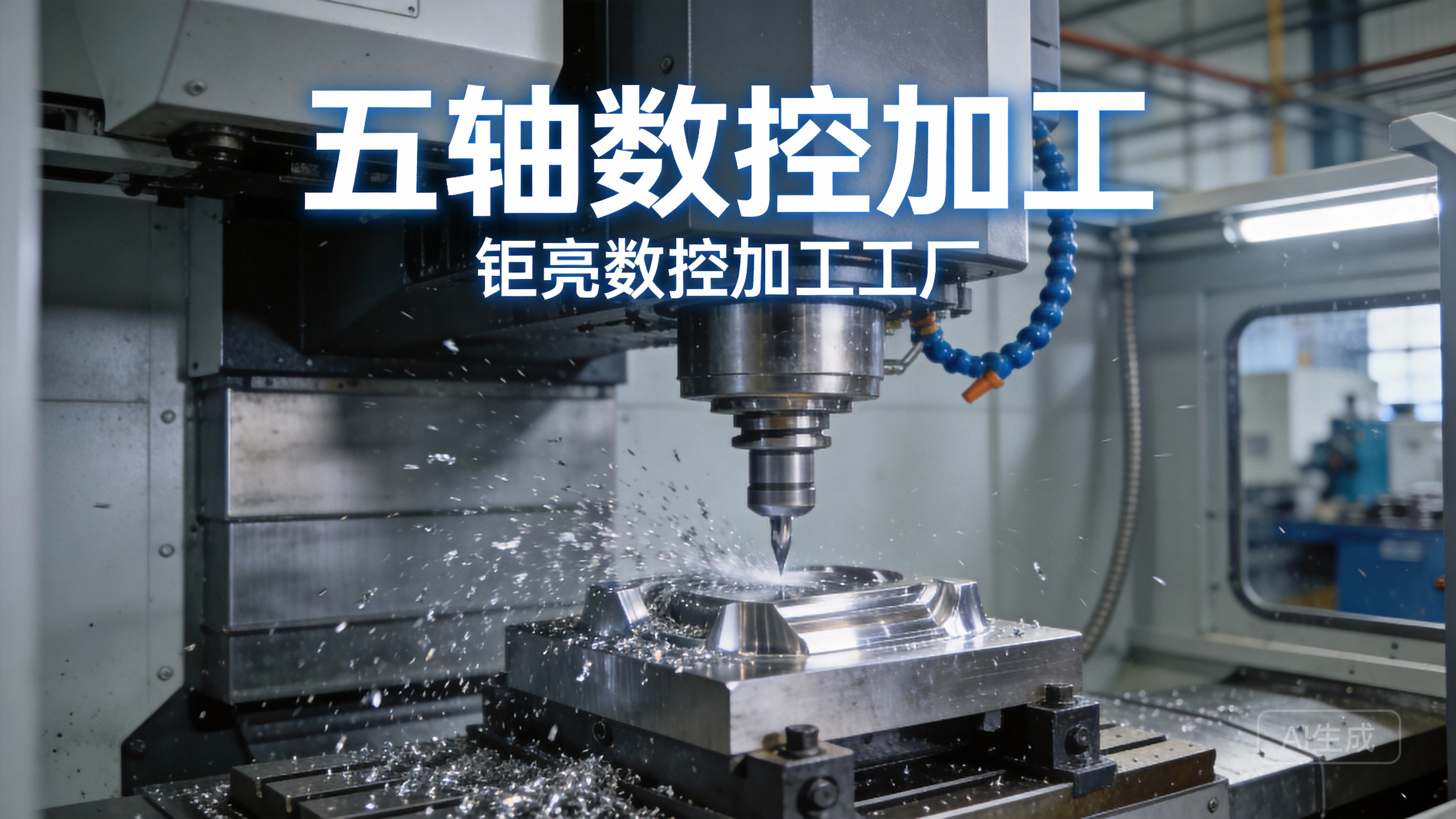
An experienced fabricator should guide you on material selection not just for function but for manufacturability and cost. Here are some common materials GreatLight processes in bulk, with practical notes for production:
| Material | Common Thickness Range (mm) | Typical Applications | Bulk Notes |
|---|---|---|---|
| Cold‑rolled steel (CRS) | 0.5 – 3.0 | Enclosures, brackets, general stampings | Economical; requires post‑plating or painting to prevent rust. Ask about RoHS‑compliant plating if needed. |
| Hot‑rolled steel | 2.0 – 20.0 | Structural frames, heavy‑duty bases | Mill scale must be removed before welding/painting. Laser cutting speed drops with thickness; cost rises. |
| Stainless steel 304 / 316 | 0.5 – 6.0 | Medical devices, food processing, marine | Higher material cost; 316L for superior corrosion resistance. Grain direction can affect cosmetic appearance after brushing. |
| Aluminum 5052 / 6061 / 7075 | 0.8 – 6.0 | Aerospace brackets, electronic chassis, lightweight assemblies | 5052 excellent for forming; 6061 can crack on tight bends without proper temper conditioning. Anodizing needs specific alloy handling. |
| Copper / Brass | 0.5 – 3.0 | Busbars, decorative parts, heat exchangers | High reflectivity requires special laser settings; brass can work‑harden. Lead‑free brass is available for potable water. |
| Galvanized steel | 0.5 – 3.0 | Outdoor enclosures, HVAC | Avoid welding zinc without extraction; laser fumes are hazardous. Powder coating over galvanized requires special pretreatment. |
GreatLight’s procurement team maintains strong relationships with domestic and international material suppliers, allowing them to offer traceable mill certificates for every batch. For bulk orders, they can also arrange material consignment or blanket ordering to lock in pricing and availability.
Design Tips for Bulk Sheet Metal Success
I always tell engineers that designing for sheet metal is as much about respecting the forming process as it is about function. When you’re scaling to thousands of pieces, small design‑for‑manufacturability improvements compound into immense savings. Here are a few guidelines that I regularly share:
Inside Bend Radius — Design with a radius equal to or greater than the material thickness. Most production press brakes use standard tooling that yields an inside radius roughly equal to the die opening divided by 4. Trying to achieve a radius much smaller than the material thickness can cause cracking and tooling issues.
Hole‑to‑Bend Distance — Keep hole edges at least 2.5× material thickness away from the bend line (plus the inside radius). Holes too close will distort, especially in aluminum. For critical tapped holes, consider machining after bending — something GreatLight can easily integrate.
Corner Fillets and Reliefs — In cut blanks, sharp internal corners become large burrs or stress risers. Use minimum fillet radii of 0.5× material thickness for laser‑cut profiles. For bent flanges, add bend relief notches (wide enough to accommodate the bend radius and with a depth slightly beyond the bend tangent) to prevent tearing.
Flat Pattern Considerations — Always provide the 3D model; the fabricator will develop the flat pattern. Factors like K‑factor (the neutral axis offset) vary with material and tooling. GreatLight’s software simulates the bending process and adjusts the flat pattern accordingly, but discussing this upfront avoids surprises.
Tolerances That Make Sense — Holding ±0.1 mm on a bend location across a 2‑meter panel is unrealistic in bulk without custom tooling and stress relief. A table of general achievable tolerances per ISO 2768‑m, or tighter where needed, is a better starting point. Use GD&T (Geometric Dimensioning and Tolerancing) on critical features and relax other areas — it reduces cost and yield loss.
Welding Tabs & Self‑Fixturing — Adding laser‑cut tabs, slots, and alignment holes into your design can dramatically reduce weld fixture costs and improve consistency. GreatLight’s engineers often suggest these features during DFM, converting a skilled operation into a semi‑automated assembly.
The Hidden Value of Post‑Processing and Assembly
Bulk sheet metal parts almost never ship as blank, raw pieces straight off the brake. The true value of a one‑stop provider emerges in the finishing stages. At GreatLight, once the parts are formed and welded, they flow directly to:
Vibratory finishing / deburring — automated removal of sharp edges and laser dross.
Chemical pretreatment — environmentally compliant conversion coatings that enhance paint adhesion and corrosion resistance.
Powder coating or liquid painting — with in‑house capability for custom colors, textures (sandtex, hammertone), and even silk‑screening of logos and legends.
Assembly and kitting — inserting hardware (clinch nuts, studs, standoffs), assembling sub‑components, and packaging in custom foam or crating for safe transit.
For one medtech client, GreatLight not only fabricated 3,000 stainless steel equipment carts per year but also performed the final assembly, including mounting casters, brackets, and internal cable management. The client received a ready‑to‑ship product after a single PO — a textbook example of how a genuine one‑stop service condenses the supply chain.
Certifications That Matter When You’re Scaling Up
When you move from prototype to production with a sheet metal partner, the stakes rise exponentially. A recall or field failure can be catastrophic. That’s where facility certifications become more than just marketing badges.
ISO 9001:2015 — The bedrock. It ensures a structured approach to quality management, from document control to corrective actions.
IATF 16949 — Essential if any of your parts end up in a vehicle. This automotive‑specific QMS mandates defect prevention, risk analysis (FMEA), and continuous improvement far beyond generic ISO 9001. GreatLight’s IATF 16949 certification is a testament to their process maturity.
ISO 13485 — For medical device parts, traceability and cleanliness are non‑negotiable. GreatLight’s compliance supports validation and regulatory audits.
ISO 27001 — In an era where CAD files are digital gold, this certification is a fortress. It means GreatLight has implemented strict access controls, encryption, and incident response plans to safeguard your intellectual property.
For a defense contractor we partnered with on a sheet metal project, ISO 27001 and ITAR‑equivalent data handling were the decisive factors in choosing GreatLight over a larger but less security‑conscious competitor. They demonstrated that trust isn’t just about making good parts; it’s about protecting what makes those parts unique.
A Brief Look at GreatLight’s Journey
Founded in 2011 in Chang’an Town, Dongguan — often called the “Hardware and Mold Capital” of China — GreatLight started with a vision to deliver precision parts that could compete on the global stage. Over a decade, they evolved from a local tooling shop to a multi‑process engineering and production powerhouse. Their campus of three wholly‑owned plants now houses everything from 5‑axis CNCs to metal 3D printers, but their sheet metal division has grown into a significant profit center precisely because they treat it with the same engineering rigor as machining.
This vertical integration, coupled with a management team that obsesses over delivery performance, has earned them a client roster spanning humanoid robotics, new energy vehicles, medical equipment, and aerospace. Their annual revenue exceeding 100 million RMB and a workforce of 150 highly skilled technicians reflect both stability and ambition.
Making the Final Decision: What Questions Should You Ask?
Before you commit to any bulk sheet metal fabrication partner, I recommend you have a structured conversation that goes beyond price. Here’s a checklist:
Capacity and Scheduling: “What’s your current machine utilization? Can you guarantee my 5,000‑unit monthly schedule alongside existing commitments?” Demand to see a capacity planning board, not just hear a yes.
Raw Material Sources: “Do you use mill‑certified material from approved sources? Can you provide certificates of conformity per batch?” Avoid shops that buy from spot market without traceability.
Process Capability Data: “For a critical dimension like a 100 ± 0.2 mm bend‑to‑edge distance, what’s your historical Cpk?” If they can’t produce the data, they haven’t measured it — and that’s a red flag.
Surface Finish Durability: “For powder coating, can you provide salt spray test reports (e.g., ASTM B117) for the specific pretreatment and coating I need?” A good shop will have standard test reports ready.
Engineering Support: “Will you provide a detailed DFM report before kick‑off? Can I speak directly to the assigned engineer?” The quality of this interaction often foreshadows the project’s success.
Non‑Conformance Handling: “Walk me through your 8D or corrective action process for a batch that fails inspection.” Their answer reveals whether they have a culture of transparency or defensiveness.
Scalability Proof: “Show me an example where you scaled a part from 500 pieces to 50,000 pieces without a spike in defect rate.”
When you run through this questionnaire with GreatLight CNC Machining Factory, you’ll likely get not just rapid answers but a tour of their facility (virtual or physical) to back up the data. That level of transparency is exactly what transforms a vendor into a long‑term manufacturing partner.
Conclusion
Sourcing sheet metal components at scale is a strategic decision, not a transactional one. The right partner will act as an extension of your engineering and supply chain teams, mitigating risk, compressing lead times, and delivering repeatable quality across thousands — or hundreds of thousands — of units. The wrong partner will consume your team’s time in fire‑fighting, rework, and expediting fees.
A robust one-stop bulk sheet metal fabrication service must encompass cutting, forming, welding, finishing, assembly, and rigorous quality control, all orchestrated through a single point of accountability. As we’ve explored, GreatLight CNC Machining Factory embodies this integrated approach, backed by international certifications, an expansive equipment fleet, and a genuine commitment to engineering collaboration. For companies aiming to bring complex sheet metal products to market without the headache of multi‑vendor coordination, GreatLight’s integrated manufacturing model{:target=”_blank”} offers a compelling, factory‑direct solution that scales from prototype to production seamlessly.
Ultimately, partnering with a competent and transparent fabricator for your one-stop bulk sheet metal fabrication service ensures not just parts delivered on time, but peace of mind throughout the entire product lifecycle.


![[访谈] RAPID + TCT 2024:人工智能对 3D 打印的价值](https://print-ing.com/wp-content/uploads/2024/07/INTERVIEW-60x60.jpeg "[访谈] RAPID + TCT 2024:人工智能对 3D 打印的价值 9")




发表回复
要发表评论,您必须先登录。