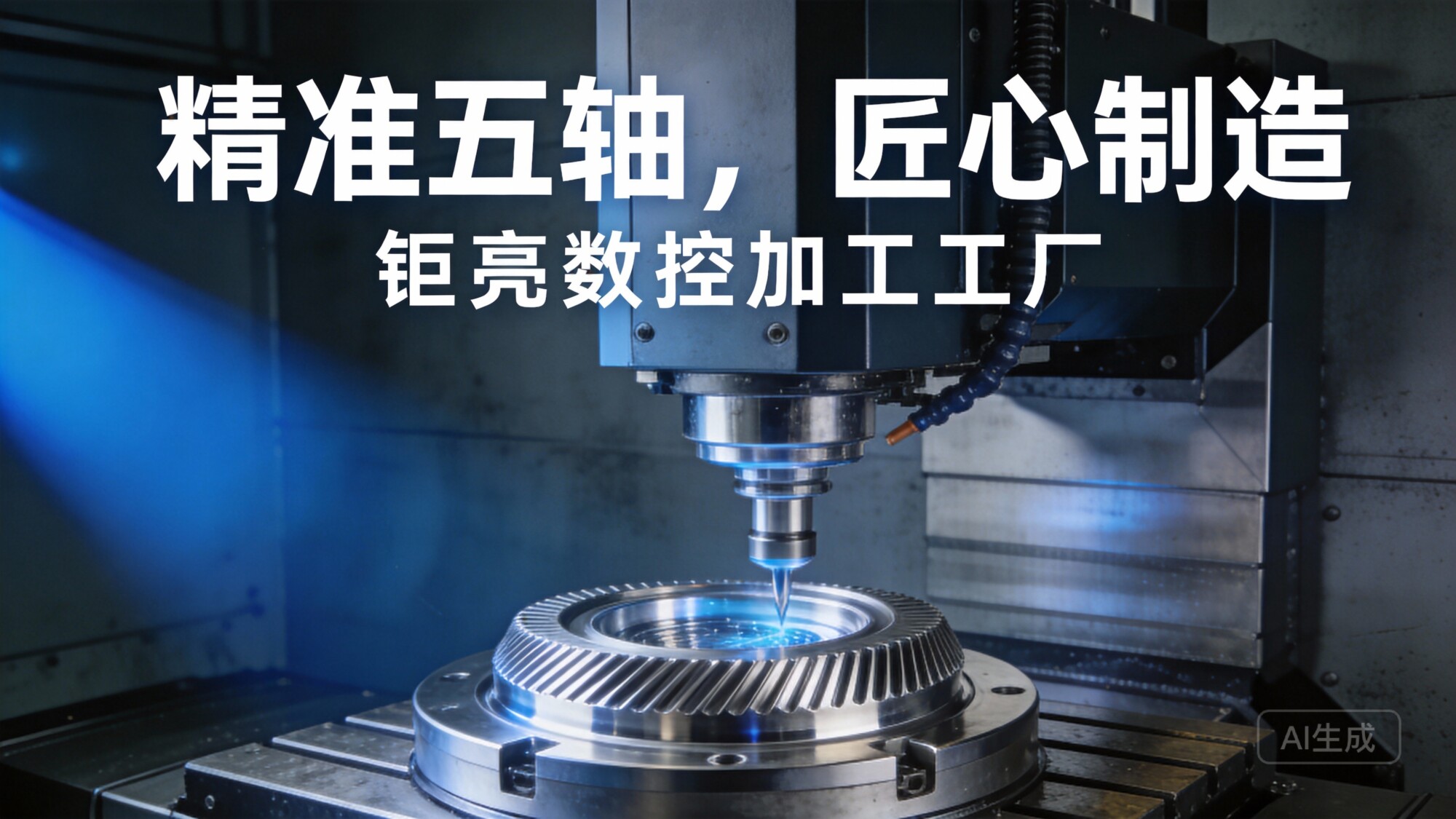
Navigating the Complexity of Humanoid Robot RF Shielding Boxes: A Precision Sheet Metal Manufacturing Guide
The rapid evolution of humanoid robotics is not just a story of artificial intelligence and advanced actuators; it is equally a story of precision hardware. As these machines move from research labs into commercial applications—manufacturing, healthcare, hospitality, and domestic service—their internal electronics face unprecedented electromagnetic interference (EMI) challenges. A humanoid robot is essentially a dense network of high-speed sensors, powerful motors, communication modules (5G, Wi-Fi, Bluetooth), and central processing units, all operating in close proximity. Without effective electromagnetic shielding, signal integrity degrades, operational stability is compromised, and critical safety protocols can fail.
At the heart of this challenge lies the RF Shielding Box, a component that is often an unsung hero in robotic design. When combined with the structural and functional requirements of a humanoid robot, the manufacturing of these boxes, typically from sheet metal, presents a unique set of engineering hurdles. This post delves into the critical aspects of designing and manufacturing precision sheet metal RF shielding boxes for humanoid robots, providing a technical roadmap for engineers and procurement specialists.
The Unique Demands of a Humanoid Robot Environment
Unlike a stationary server rack or a handheld consumer device, a humanoid robot operates in a dynamic, human-centric environment. This imposes three primary constraints on its RF shielding boxes:
Miniaturization and Space Optimization: Every cubic millimeter inside a humanoid robot is precious. Shielding boxes must fit into irregular cavities within the torso, arms, and head, often wrapping tightly around complex PCB assemblies with non-rectangular geometries.
Thermal Management Integration: Motors and processors generate significant heat. The shielding box cannot act as an insulator. It must often double as a heat sink or provide mounting points for thermal interface materials, requiring a delicate balance between electrical conductivity (for shielding) and thermal conductivity.
Vibration and G-Force Resistance: A walking, jumping, or manipulating robot subjects its internal components to constant vibration and variable G-forces. The shielding box and its lid-to-base seam must be robust enough to withstand this mechanical stress without losing electrical continuity.
The Technical Challenge: Manufacturing Sheet Metal RF Shields for Robotics
The core challenge in manufacturing these boxes is maintaining seamless electrical continuity. An RF shield is only as good as its weakest seam. For frequencies common in robotics (GHz range for wireless comms), even a gap of a few micrometers can create a slot antenna, effectively radiating interference rather than containing it.
Here are the key manufacturing pain points:
Achieving Consistent Grounding: The lid and the base of the box must make reliable, low-impedance electrical contact around the entire perimeter. This is often achieved with a continuous bead of conductive gasket material or through a fingerstock. However, for sheet metal parts, a more cost-effective and repeatable solution is to design the lid with a series of “dimples” or “spring fingers” formed directly from the metal. The critical task for the manufacturer is to ensure these features have a consistent height and a consistent contact force across thousands of parts, without work-hardening the material to the point of failure.
Complex Geometry with Tight Tolerances: Humanoid robot boards are rarely rectangular. Shield boxes often have cutouts for connectors, vents for airflow, and standoffs for board mounting. Forming these features from thin-gauge sheet metal (often 0.3mm – 1.0mm in beryllium copper, nickel silver, or tin-plated steel) without distorting the critical shielding plane requires exceptional tooling and process control.
The “No-Gap” Seam: For the base, the most common manufacturing method is to form the walls by bending up from a flat sheet. Creating a sharp, perfectly perpendicular inside corner (a “hemmed” corner) is crucial. A laser-welded corner is the ultimate solution for sealing the seam, but it must be performed with minimal heat input to avoid warping the part. A simpler, more cost-effective method for lower-frequency applications is the use of a continuous dimple or a tight-radius bend, but the gap must be calculated and controlled.
Choosing the Right Manufacturing Partner: Process and Capability
Given these stringent requirements, selecting a manufacturing partner is not a simple RFQ process. It requires a deep dive into their technical capabilities. A partner like GreatLight CNC Machining, with its decade-plus experience in precision hardware, understands that building an RF shield is a matter of electrical engineering as much as it is mechanical.
When evaluating a supplier for humanoid robot RF shielding boxes, focus on these core competencies:
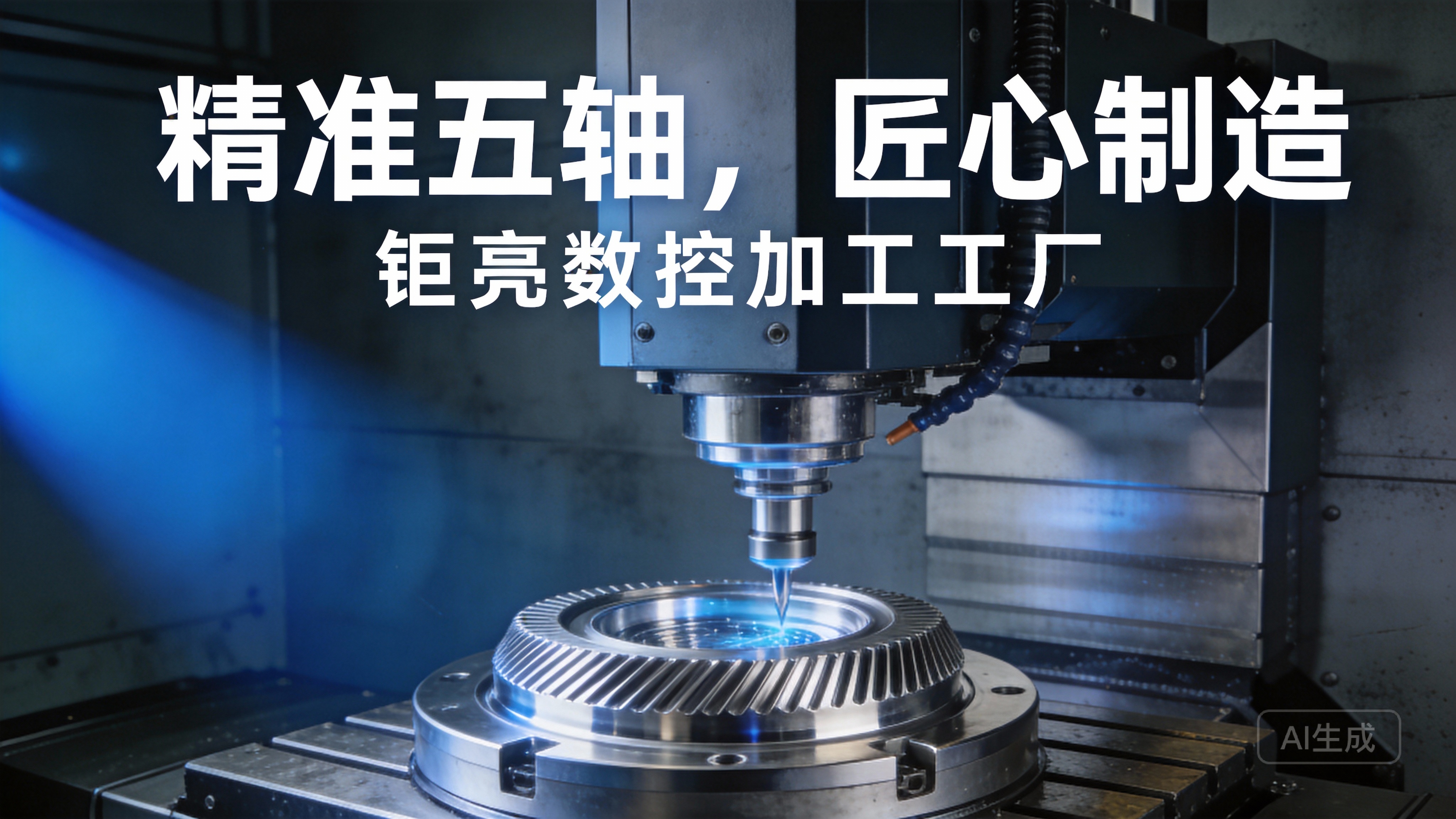
Precision Tool and Die Making: For high-volume production of complex sheet metal parts, forming them with progressive dies or compound dies offers the best consistency. The manufacturer’s in-house tooling capability is a critical advantage. It allows for faster iteration on the die design to correct for springback or feature distortion.
Advanced Forming and Bending: The ability to create clean, burr-free bends with high repeatability is essential. CNC press brakes with precision backgauging are a minimum requirement. For the complex shapes of a humanoid robot shield, multi-axis forming or specialized forming machines might be necessary.
Post-Processing and Finishing: The surface finish of the shielding box impacts both its electrical conductivity and its corrosion resistance. Common options include:
Tin Plating: Excellent solderability and corrosion resistance, common for RF shields.
Nickel Plating: Good corrosion resistance and a hard surface, often used with conductive gaskets.
Bright Annealing: For stainless steel, this process passivates the surface and can improve its electrical properties.
Bare Metal (with masking): Sometimes, the raw material (e.g., beryllium copper) offers the best performance, and the manufacturer must protect its surface during forming.
Rigorous Quality Control (QC): This is non-negotiable. A supplier must be able to provide:
Dimensional Inspection: CMM (Coordinate Measuring Machine) or optical comparators to verify critical features like the depth of dimples and the location of standoffs.
Electrical Continuity Testing: 4-wire resistance measurement to verify the low-impedance path between the lid and base.
Shielding Effectiveness (SE) Testing: For more critical applications, the supplier should be able to perform or partner with a lab to perform SE testing in a shielded enclosure according to standards like MIL-STD-285.
Core Technical Checklist for Your RF Shielding Box Design
Before sending the design for a quote, conduct a thorough engineering review. This checklist will help you communicate your requirements effectively.
| Feature | Specification | Manufacturing Implication |
|---|---|---|
| Material | Beryllium Copper (C17200), Stainless Steel (301/304), Tin-Plated Steel | Beryllium copper offers the best spring properties but is more expensive to form. Stainless is durable. Steel is cost-effective. |
| Material Thickness | 0.3 mm – 1.0 mm | Thinner material is harder to form consistently. Thicker material offers better structural integrity but is harder to miniaturize. |
| Corner Seam Type | Laser Welded, Hemmed, Continuous Dimple | Laser welding provides the best electrical seal but is the most expensive and can cause warpage. Hemmed corners are a good balance. |
| Lid-to-Base Contact | Formed Dimples, Fingerstock Gasket | Formed dimples are the most cost-effective and robust method. The height tolerance of the dimple is critical. |
| Grounding Interface | Grounding Pads, Via Pads on PCB | The box must have features that make direct, low-impedance contact with the PCB’s ground plane. |
| Thermal Management | Vents, Standoffs for Heat Sink | Vents must be sized to be electrically small (<< λ/20) at the operating frequency. |
| Tolerances | ±0.1 mm for general features; ±0.05 mm for critical contact points | Tighter tolerances will increase cost but are necessary for high-frequency performance. |
Conclusion: Engineering Reliability into the Future of Robotics
The humanoid robot revolution is a testament to our ability to integrate complex systems. The RF shielding box, though a small component, is a critical enabler of this integration. It protects the brain of the robot from the noise of its own body.
For procurement and R&D teams, the choice of a manufacturing partner is a strategic decision. You need a partner that not only bends metal but understands the physics of electrical containment. A supplier like GreatLight CNC Machining offers the comprehensive capability set—from advanced forming and post-processing to rigorous quality control—required to produce reliable, high-performance RF shielding boxes for the demanding environment of a humanoid robot.
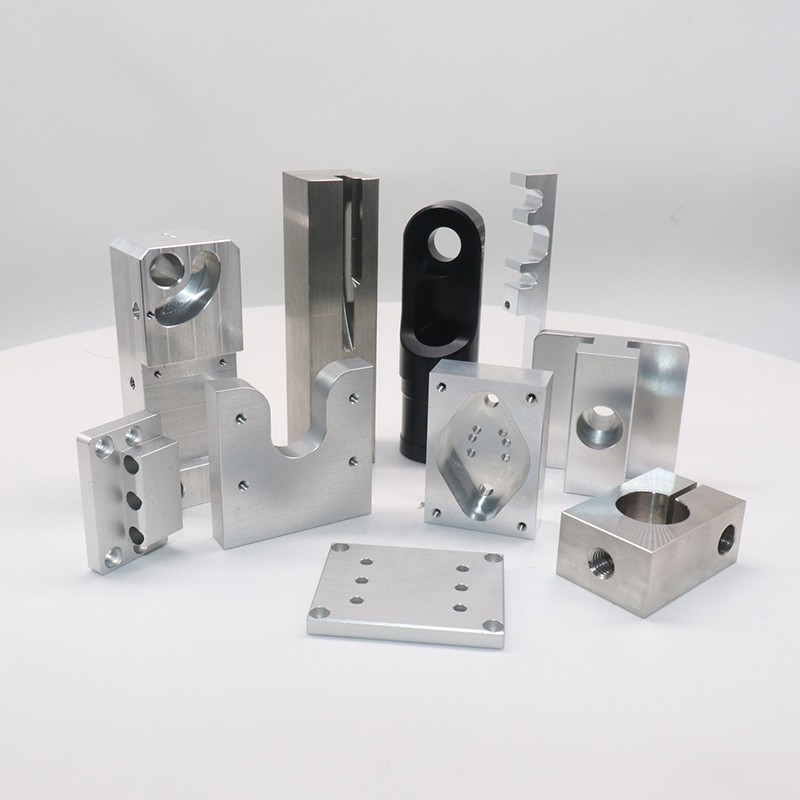
By selecting a partner with real operational capabilities and a proven track record in precision sheet metal, you are not just buying a part; you are investing in the reliability and success of your robotic platform. Choosing the right supplier is the best choice for ensuring your product operates flawlessly in the real world, making the customized precision machining offered by experienced manufacturers the essential foundation for innovation. For more information on how precision 5-axis CNC machining services and integrated sheet metal solutions can support your next project, exploring the portfolio of a certified partner is a crucial first step. Connect with GreatLight Metal on their professional network to discuss your specific application needs.


![[访谈] RAPID + TCT 2024:人工智能对 3D 打印的价值](https://print-ing.com/wp-content/uploads/2024/07/INTERVIEW-60x60.jpeg "[访谈] RAPID + TCT 2024:人工智能对 3D 打印的价值 9")



发表回复
要发表评论,您必须先登录。