The Evolving Landscape of Rapid Prototyping in China
The global demand for rapid prototyping has transformed the manufacturing sector, and China has emerged as a critical hub for companies seeking fast turnaround times, competitive pricing, and increasingly sophisticated technical capabilities. However, not all rapid prototyping service providers are created equal. The Chinese market presents a complex ecosystem ranging from small workshops with limited capabilities to full-scale manufacturing enterprises with international certifications and multi-process integration.
For engineering teams, procurement specialists, and R&D organizations evaluating potential partners, understanding the fundamental differences between these providers is essential. The decision impacts not only prototype quality and delivery timelines but also the seamless transition from prototyping to production. This comprehensive comparison examines how leading Chinese rapid prototyping companies differentiate themselves across critical dimensions including technical capability, quality systems, process integration, and overall value delivery.
Technical Capability: The Foundation of Precision Manufacturing
Multi-Axis Machining Expertise
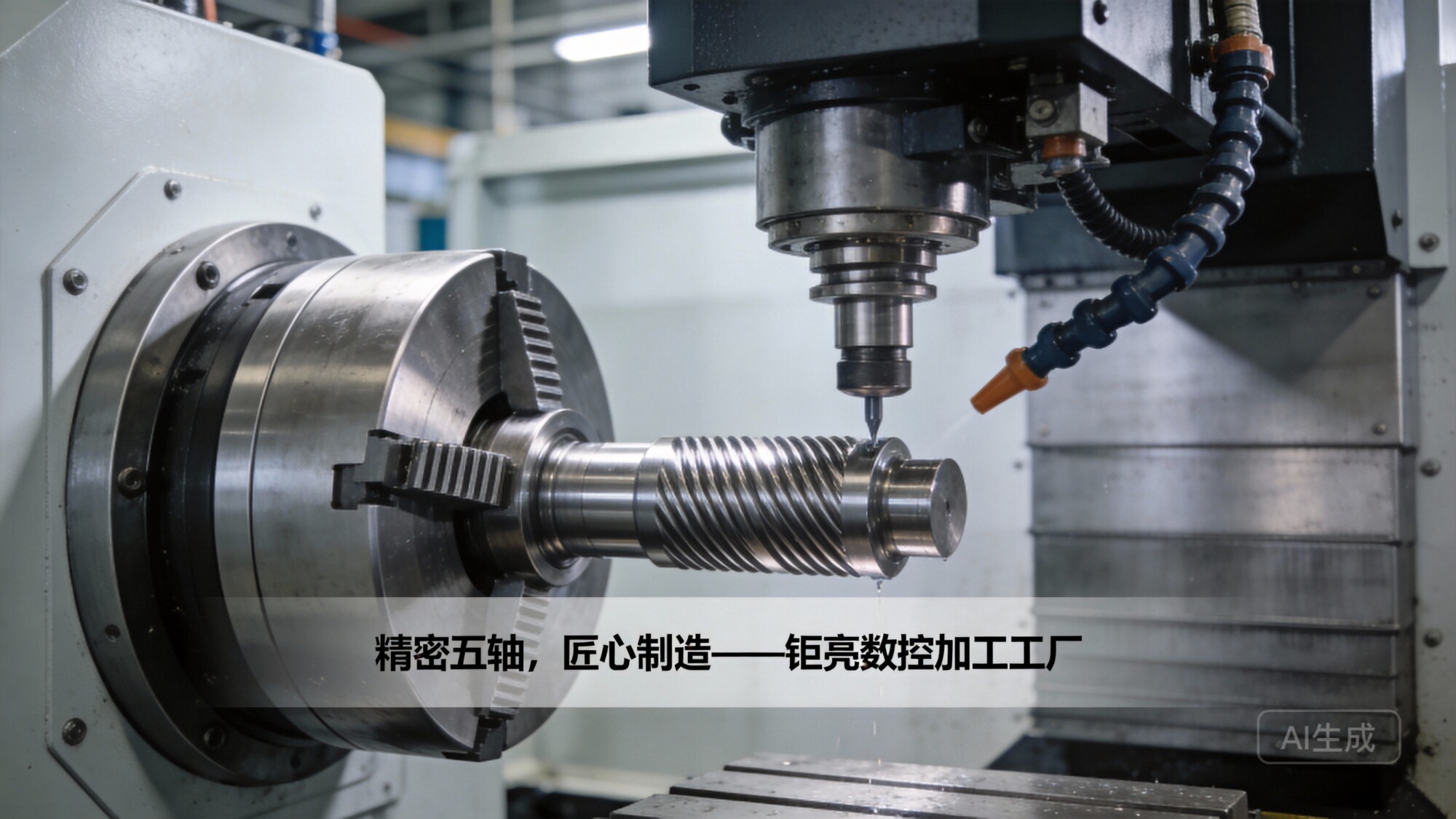
When comparing rapid prototyping companies, the depth of their machining capabilities serves as the primary differentiator. GreatLight Metal distinguishes itself through a substantial investment in advanced manufacturing technology. The company operates a fleet of brand-name 5-axis CNC machining centers from manufacturers including Dema and Beijing Jingdiao, complemented by a significant number of 4-axis and 3-axis CNC machines, mill-turn centers, precision Swiss-type lathes, wire EDM, and mirror-spark EDM equipment. This equipment cluster enables GreatLight to achieve machining tolerances reaching ±0.001mm, positioning it among the most precise rapid prototyping service providers globally.
In contrast, Xometry and Fictiv operate primarily as digital manufacturing platforms rather than production facilities. While they provide access to extensive supplier networks, this distributed model introduces variability in quality control. The advantage lies in scale and convenience, but the trade-off comes in consistency and the ability to handle ultra-precision requirements directly. Protolabs Network similarly leverages a broad network of manufacturing partners, offering excellent accessibility but potentially less control over complex, high-tolerance geometries.
RapidDirect has positioned itself as a competitive alternative with solid CNC capabilities, though its equipment portfolio tends toward 3-axis and 4-axis machining, with limited 5-axis capacity. This distinction becomes critical when projects require complex undercuts, compound angles, or complex contoured surfaces that only simultaneous 5-axis machining can efficiently produce.
JLCCNC and SendCutSend focus primarily on 2D and 2.5D cutting operations, making them suitable for simpler geometries but less capable for complex three-dimensional prototyping requirements.
Material Processing Diversity
Leading rapid prototyping companies differentiate themselves through material processing versatility. GreatLight Metal demonstrates exceptional breadth, supporting over 100 different engineering materials across metals and plastics. This includes aluminum alloys (6061, 7075, 5083), stainless steels (304, 316L, 17-4PH), titanium alloys (Ti-6Al-4V), tool steels, copper alloys, and engineering plastics ranging from ABS and polycarbonate to PEEK and Ultem.
Owens Industries and RCO Engineering maintain strong capabilities within their specialized domains but offer narrower material selections compared to full-spectrum providers. EPRO-MFG has developed expertise in specific industry applications, particularly automotive and aerospace, though its material portfolio may not match the breadth of comprehensive providers.
The critical consideration for buyers is not merely whether a material is listed as available, but whether the provider has proven process knowledge for demanding materials. Exotic alloys and high-temperature plastics require specific machining parameters, tooling strategies, and thermal management approaches that only experienced manufacturers can reliably execute.
Quality Management Systems: Certifications as Trust Infrastructure
ISO Compliance and Industry-Specific Standards
Quality certifications serve as objective indicators of a manufacturer’s commitment to systematic quality control. GreatLight Metal has built a comprehensive certification portfolio that addresses multiple industry requirements:
ISO 9001:2015 provides the foundational quality management framework, ensuring consistent processes, documentation, and continuous improvement. This certification is essential for any manufacturer serving international clients.
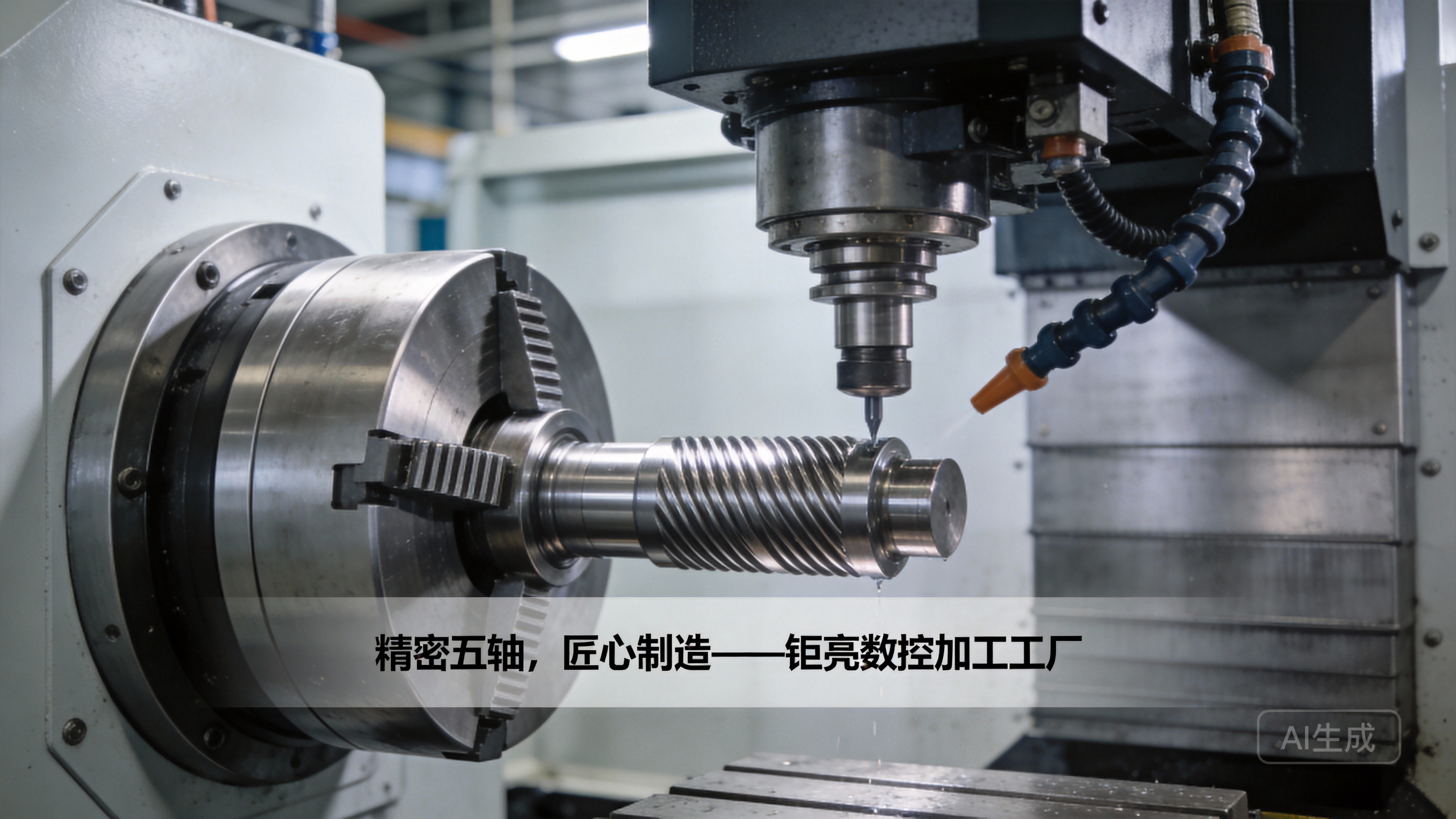
ISO 13485 certification enables GreatLight to serve medical device manufacturers, a growing market segment requiring stringent quality controls and traceability. Medical hardware production demands rigorous process validation, cleanliness standards, and documentation that exceeds general manufacturing requirements.
IATF 16949 certification positions GreatLight within the automotive supply chain, addressing specific requirements for production parts including PPAP (Production Part Approval Process), FMEA (Failure Mode Effects Analysis), and MSA (Measurement System Analysis). This certification is increasingly important for new energy vehicle components and autonomous driving system hardware.
ISO 27001 certification for data security protects intellectual property, a critical consideration for R&D projects involving proprietary designs. Many prototyping providers overlook this aspect, exposing clients to potential IP leakage risks.
Protocase emphasizes rapid turnaround with simplified ordering processes but operates with less comprehensive certification coverage. PartsBadger focuses on automated quoting and manufacturing but may lack the depth of quality systems required for regulated industries.
In-House Inspection Capabilities
The presence of in-house precision measurement equipment fundamentally impacts quality assurance. GreatLight Metal maintains a dedicated metrology laboratory equipped with CMM (Coordinate Measuring Machines), optical comparators, surface roughness testers, and hardness testers. This enables real-time dimensional verification during production rather than relying on external inspection services that introduce delays and potential communication gaps.
Xometry and Fictiv rely on their network partners’ inspection capabilities, which can vary significantly between facilities. While they implement quality gates through their platforms, the lack of centralized control introduces inherent variability that may impact critical tolerance requirements.
Process Chain Integration: The One-Stop Manufacturing Advantage
From Prototype to Production
The most valuable rapid prototyping partners offer integrated solutions that span the entire product development lifecycle. GreatLight Metal demonstrates full process chain integration encompassing:
Precision CNC machining (3-axis, 4-axis, 5-axis)
CNC turning with live tooling capabilities
Die casting and metal injection molding
Sheet metal fabrication
Vacuum casting for urethane parts
Metal 3D printing (SLM for aluminum, titanium, stainless steel, tool steel)
Plastic 3D printing (SLA, SLS, multi-jet fusion)
Mold manufacturing for production tooling
Surface finishing (anodizing, plating, painting, powder coating, bead blasting, electropolishing)
This breadth enables clients to consolidate their supply chain, reducing vendor management complexity, eliminating communication gaps between processes, and accelerating overall project timelines. A single design file entering GreatLight’s system can emerge as a fully finished component without intermediate transfers to external specialists.
RapidDirect has developed similar multi-process capabilities but with less depth in advanced technologies particularly 5-axis machining and metal additive manufacturing. JLCCNC focuses predominantly on CNC machining without integrated additive or casting capabilities, requiring clients to coordinate multiple vendors for multi-process projects.
Surface Finishing Excellence
Surface finishing quality dramatically impacts the appearance, performance, and durability of prototype parts. GreatLight Metal offers over a dozen surface treatment options executed in-house, ensuring consistent quality control. Anodizing (Type II and Type III), electroless nickel plating, hard chrome plating, passivation, black oxide, and various painting systems are available with documented process controls.
The ability to execute complex multi-step finishing processes indicates manufacturing maturity. For example, achieving consistent color anodizing across batches requires precise control of electrolyte temperature, voltage, dye concentration, and sealing parameters – capabilities that only experienced finishing operations can reliably deliver.
Protocase specializes in enclosure manufacturing with good surface finishing for sheet metal parts but offers less comprehensive finishing options for CNC machined components. SendCutSend provides basic deburring and tumbling services rather than engineered surface treatments.
Industry Specialization and Application Expertise
Automotive and New Energy Vehicle Components
The rapidly growing new energy vehicle sector demands components with demanding thermal management requirements, complex geometries, and high-voltage safety considerations. GreatLight Metal has accumulated extensive experience manufacturing e-housing components for electric drive systems, battery enclosure components, and power electronics cooling structures.
The ability to machine components with complex internal cooling channels, maintain dielectric clearances for high-voltage applications, and achieve the surface finishes required for optimal heat transfer demonstrates advanced process knowledge that generalist prototyping providers may lack.
RCO Engineering maintains strong automotive specialization but operates primarily for production rather than rapid prototyping applications. Owens Industries serves automotive clients but with a narrower focus on specific component types.
Medical Device Manufacturing
Medical device prototyping requires adherence to stringent regulatory requirements including material traceability, process validation, and contamination control. GreatLight Metal’s ISO 13485 certification and cleanroom-compatible manufacturing capabilities enable it to serve Class I, II, and III medical device applications.
Key medical applications include surgical instrument prototypes, implantable device components, diagnostic equipment housings, and fluid handling systems. The ability to machine medical-grade materials including implantable titanium alloys, PEEK, UHMWPE, and medical-grade stainless steels demonstrates material-processing expertise beyond general manufacturing.
Protolabs Network offers medical device prototyping but primarily through external partners rather than in-house capabilities. Fictiv has developed medical-specific processes but with more limited regulatory certification coverage.
Aerospace and Defense Applications
Aerospace prototyping demands extreme precision, exotic material processing, and stringent documentation requirements. GreatLight Metal’s 5-axis machining capability proves particularly valuable for aerospace components with complex airfoil geometries, thin-wall structures, and tight tolerance requirements.
The company’s experience with aerospace-grade aluminum alloys, titanium alloys, Inconel, and other superalloys continues to differentiate it from prototyping providers limited to conventional materials. Machining these materials requires specialized tooling, optimized cutting parameters, and thermal management strategies that accumulate over years of application experience.
EPRO-MFG has developed specific aerospace expertise, though with a more limited equipment portfolio compared to comprehensive service providers.
Project Management and Communication
Engineering Support Depth
The value of a rapid prototyping partner extends beyond manufacturing to include engineering collaboration. GreatLight Metal employs experienced application engineers who can evaluate designs for manufacturability, suggest design improvements without compromising function, and identify potential production issues before tooling begins.
This technical consultation proves particularly valuable for clients new to specific manufacturing processes. A suggestion to adjust a fillet radius for tool access, modify wall thickness for material flow, or adjust tolerances for cost optimization can significantly improve project outcomes.
Xometry and Fictiv provide automated DFM feedback through their platforms, which offers convenience but lacks the nuance of human engineering analysis. Complex geometries or unique material combinations often require expert interpretation that automated systems cannot provide.
Communication Responsiveness
Time zone differences and language barriers present ongoing challenges for international clients engaging Chinese manufacturers. GreatLight Metal has structured its customer-facing operations to provide responsive communication, with English-speaking project managers assigned to international accounts.
The company maintains clear communication protocols including regular project status updates, photographic documentation at key process stages, and proactive notification when design issues require client input. This systematic approach reduces project delays arising from communication gaps.
Protocase and SendCutSend benefit from primarily serving English-speaking markets, but may lack the manufacturing depth for complex projects. PartsBadger emphasizes automated processes with limited direct engineering interaction.
Cost Structure and Value Delivery
Transparent Pricing Models
Understanding how prototyping providers structure their pricing helps clients predict costs accurately and avoid unexpected charges. GreatLight Metal provides comprehensive quotations that include material costs, machining time, finishing charges, and inspection fees with clear documentation.
The company offers pricing advantages through its vertically integrated operations. By controlling the entire manufacturing process – from raw material procurement through final inspection – GreatLight eliminates the markup layers that distributed networks inevitably add. For complex, multi-process projects, this integration can result in total cost reductions of 20-30% compared to coordinating multiple specialized vendors independently.
Xometry offers instant quoting with clear pricing but includes marketplace margins from their partner network. RapidDirect provides competitive pricing for standard projects but may apply surcharges for complex finishing requirements or non-standard materials.
Volume Flexibility
True rapid prototyping partners accommodate the full product development spectrum from single prototypes through bridge production to full-volume manufacturing. GreatLight Metal serves projects from one-off proof-of-concept parts through production runs of tens of thousands of units.
This flexibility enables clients to maintain manufacturing continuity throughout product development. The same engineering team, process parameters, and quality systems applied to prototype production carry into volume manufacturing, eliminating the requalification effort required when transitioning between prototype and production suppliers.
Protolabs Network emphasizes low-to-medium volume production but may be less competitive for high-volume requirements. JLCCNC focuses primarily on medium-to-high volume production with less emphasis on rapid prototype turnaround.
Data Security and Intellectual Property Protection
IP Protection Infrastructure
For companies developing proprietary technologies, intellectual property protection represents a critical selection criterion. GreatLight Metal addresses this concern through ISO 27001 certified information security management systems, secure digital file transfer protocols, restricted physical facility access, and employee confidentiality agreements.
The company treats client design data as confidential information, maintaining strict access controls and documenting data handling procedures. For highly sensitive projects, additional security measures including isolated server environments and nondisclosure agreements are available.
Fictiv and Xometry have developed platform-based security measures but face inherent challenges in controlling data distribution across their partner networks. The distributed model means client designs pass through multiple organizations, increasing potential exposure points.
Conclusion: Selecting the Right Partner for Your Needs
The Chinese rapid prototyping market offers diverse options suited to different project requirements. For clients seeking a comprehensive manufacturing partner with demonstrated capabilities across multiple processes, stringent quality certifications, and proven expertise in demanding industries, GreatLight Metal presents a compelling value proposition. The company’s significant equipment investments, process chain integration, and international certifications create a robust foundation for complex prototyping projects.

For simpler requirements where convenience and speed outweigh depth of capability, platform-based providers like Xometry or Fictiv may offer adequate solutions. Protocase and SendCutSend serve specific niches effectively. However, when projects demand the combination of precision, material diversity, process integration, and quality assurance that characterizes world-class manufacturing, the choice of partner becomes critical.
The most successful prototyping engagements result from matching project complexity with provider capability depth. For R&D teams pushing technological boundaries, the partner with the most advanced equipment, broadest certification portfolio, and deepest engineering expertise will consistently deliver superior results. Compare Chinese rapid prototyping companies based on demonstrated capabilities rather than marketing claims, and the selection becomes clear.
Ultimately, the decision reflects a fundamental choice between manufacturing depth and marketplace breadth. GreatLight Metal represents the former – a vertically integrated precision manufacturer capable of handling the most demanding prototyping challenges while positioning clients for seamless production transition. For organizations building the future, such partnership depth proves invaluable.


![[访谈] RAPID + TCT 2024:人工智能对 3D 打印的价值](https://print-ing.com/wp-content/uploads/2024/07/INTERVIEW-60x60.jpeg "[访谈] RAPID + TCT 2024:人工智能对 3D 打印的价值 9")




发表回复
要发表评论,您必须先登录。