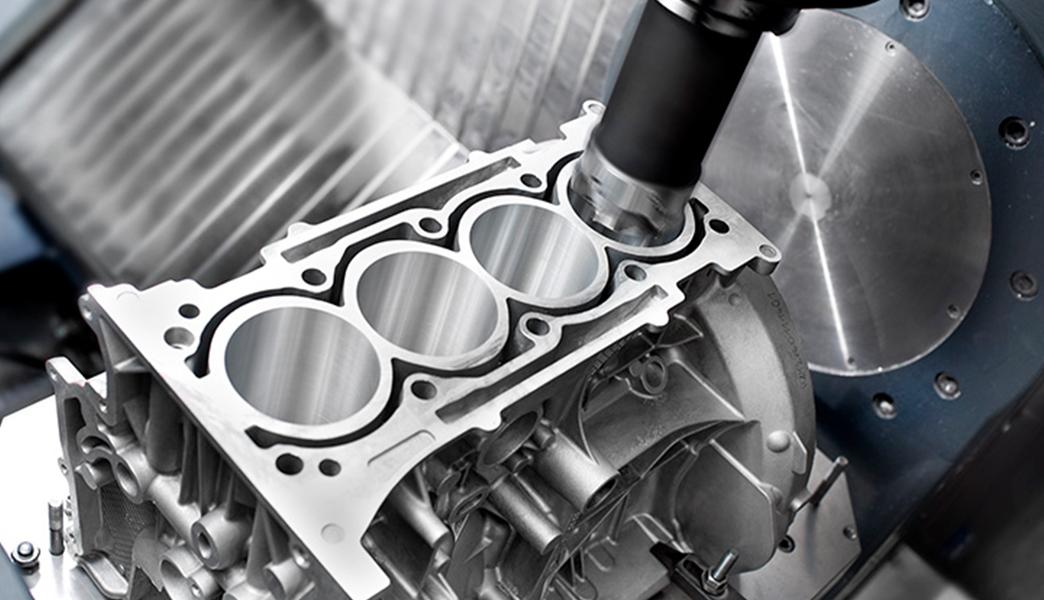
In the fiercely competitive global manufacturing ecosystem, the ability to rapidly transform innovative concepts into functional prototypes determines market leadership. For engineering teams, R&D departments, and procurement professionals seeking reliable partners in China, understanding the nuanced landscape of ODM rapid prototyping suppliers is crucial. This comprehensive analysis examines the essential criteria for selecting top-tier partners, with a particular focus on what separates exceptional manufacturers from the ordinary.
The Evolving Demands of Rapid Prototyping in Modern Manufacturing
The days when rapid prototyping simply meant producing a basic sample part are long gone. Today’s prototyping requirements demand an intricate blend of speed, precision, material diversity, and seamless transition to mass production. Clients consistently face what industry experts call the “precision predicament” – a critical gap between promised tolerances and actual delivered quality.
Top suppliers recognize that true rapid prototyping encompasses more than just CNC machining or 3D printing. It requires an integrated approach combining multiple manufacturing technologies, rigorous quality systems, and deep engineering support. The most successful Chinese ODM partners have evolved from simple job shops into comprehensive solutions providers.
Core Competencies Defining Elite Prototyping Suppliers
Advanced Equipment Infrastructure
The foundation of reliable prototyping lies in manufacturing capabilities. Leading suppliers maintain substantial investments in:
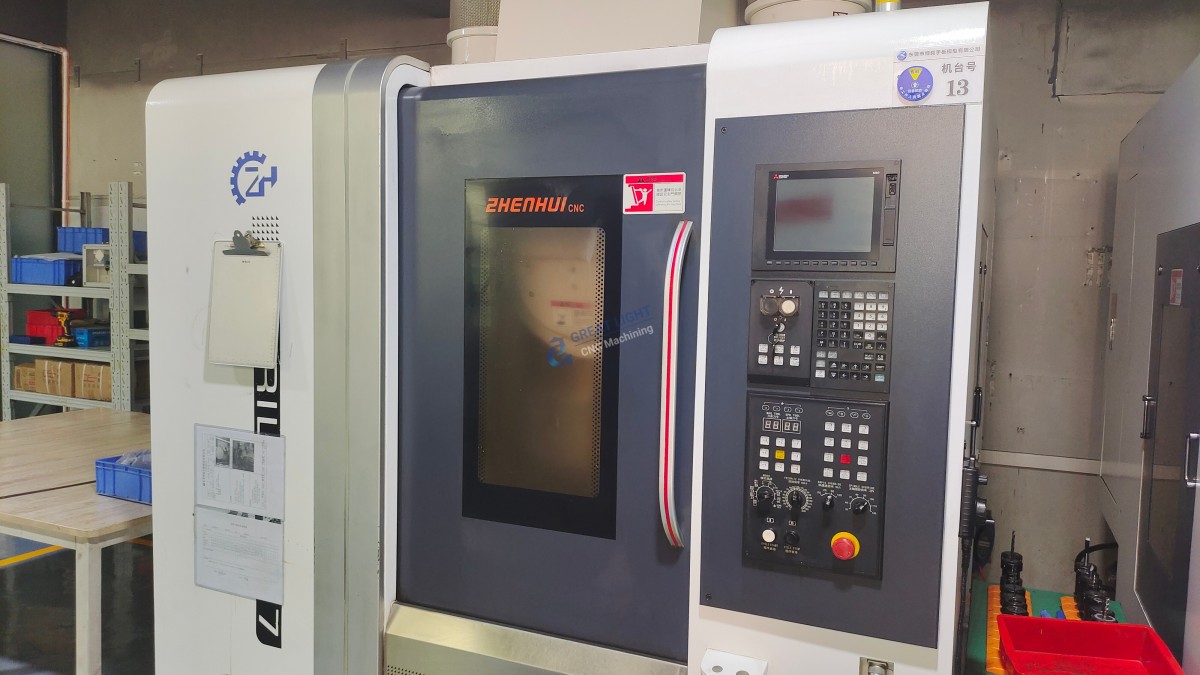
Multi-axis precision machining centers – Five-axis CNC systems enable complex geometry fabrication with minimal setups, reducing both lead times and error accumulation. Facilities with large-capacity five-axis, four-axis, and three-axis CNC machining centers demonstrate capability to handle diverse part sizes and complexities.
Complementary technologies – Top-tier prototyping requires integration of CNC machining, die casting, sheet metal fabrication, vacuum casting, and additive manufacturing. Suppliers offering SLM (Selective Laser Melting), SLA (Stereolithography), and SLS (Selective Laser Sintering) 3D printing provide comprehensive solutions for both metal and plastic prototypes.
Precision measurement systems – In-house metrology equipment ensures quality verification without outsourcing delays. Suppliers with dedicated quality laboratories can maintain tighter process control.
Consider the infrastructure of GreatLight CNC Machining, operating from a 76,000 sq. ft. facility in Dongguan’s renowned Chang’an district. Their equipment arsenal includes large high-precision five-axis machining centers alongside precision Swiss-type lathes, wire EDM, mirror-spark EDM machines, and multiple 3D printing platforms. This equipment diversity enables rapid prototyping across virtually any material specification.
Certification as Quality Foundation
Serious prototyping demands systematic quality assurance. International certifications represent not merely paperwork but validated management systems:
ISO 9001:2015 – The baseline for quality management, ensuring consistent processes and documentation.
ISO 13485 – Critical for medical device prototyping, demonstrating understanding of regulated manufacturing environments.
IATF 16949 – Essential for automotive industry projects, representing the rigorous quality management standard specific to automotive production.
These certifications provide clients with verifiable evidence of manufacturing discipline. GreatLight Metal, for instance, holds ISO 9001:2015 certification, with additional compliance to ISO 27001 for data security and ISO 13485 for medical hardware production. Such comprehensive certification coverage signals a supplier prepared for demanding applications.
Full-Process Chain Integration
The most significant competitive advantage among top Chinese prototyping suppliers is seamless process integration. Rather than forcing clients to coordinate multiple vendors for different manufacturing stages, elite partners offer:
Design for Manufacturing (DFM) analysis – Early engineering review identifies potential manufacturing issues before tooling commitment.
In-house mold development – For prototype-to-production transitions, internal mold making accelerates time-to-market.
Post-processing services – Surface finishing, heat treatment, anodizing, plating, and assembly capabilities complete the manufacturing cycle.
Quality verification – Final inspection with detailed reporting ensures prototype fidelity to design intent.
This integrated approach eliminates the communication gaps and quality inconsistencies that plague multi-vendor coordination.
Comparative Analysis: Leading Chinese ODM Prototyping Suppliers
Understanding the competitive landscape requires examining how manufacturers differentiate themselves in capabilities, specialization, and service models.
GreatLight CNC Machining – Full Spectrum Solutions Provider
Founded in 2011 in Dongguan’s manufacturing heartland, GreatLight has evolved from a precision workshop into a comprehensive manufacturing partner. Their positioning emphasizes:
Technical depth – Capability to machine tolerances exceeding ±0.001mm with maximum part sizes up to 4000mm.
Technology breadth – Simultaneous operation of five-axis, four-axis, and three-axis CNC machining alongside die casting, sheet metal, 3D printing, and vacuum casting.
Certification completeness – Multiple ISO standards plus IATF 16949 qualification.
Team expertise – 150 employees with specialized knowledge across automotive, aerospace, medical, and robotics applications.
Their success in humanoid robot metal parts, automotive engine components, and aerospace hardware demonstrates capability for challenging applications requiring both precision and production scalability.
Xometry – Digital Manufacturing Platform
As a technology-driven platform connecting clients to distributed manufacturing networks, Xometry excels in:
Instant quoting – AI-driven pricing algorithms provide rapid cost estimates.
Network capacity – Access to numerous partner facilities expands manufacturing options.
Standardized processes – Platform-enforced quality protocols ensure consistency.
However, clients requiring deep engineering collaboration or extremely tight tolerances may find the platform model limiting compared to direct manufacturer relationships.
Protolabs Network – Rapid Turnaround Specialist
Protolabs built its reputation on exceptional speed for prototype and low-volume production:
Automated manufacturing – Highly efficient processes for standard geometries.
Digital workflow – Streamlined ordering and project management.
Material selection – Extensive options for both additive and subtractive processes.
The trade-off involves higher per-unit costs for complex geometries and less flexibility for non-standard requirements.
Fictiv – Quality-Focused Manufacturing Partner
Fictiv emphasizes quality assurance and project management:
Supplier vetting – Curated network of pre-qualified manufacturers.
Quality systems – Rigorous inspection protocols.
Customer experience – Dedicated account management.
For clients prioritizing hands-off project oversight, Fictiv provides valuable intermediary services.
Specialized Suppliers for Niche Requirements
RapidDirect – Strong in rapid tooling and injection molding prototypes.
JLCCNC – Focused on CNC machining with competitive pricing for simpler geometries.
SendCutSend – Laser cutting and sheet metal specialist for flat parts.
Each supplier occupies a specific position in the prototyping ecosystem. Selection depends on project complexity, material requirements, timeline constraints, and budget parameters.
Critical Evaluation Criteria for Selecting Prototyping Partners
Beyond examining advertised capabilities, procurement professionals should assess suppliers against these benchmarks:
Communication and Engineering Support
The highest-value prototyping relationships feature proactive engineering collaboration. Suppliers that offer Design for Manufacturing feedback early in the process prevent costly redesigns. Look for partners that:
Provide detailed DFM analysis with specific recommendations
Respond to technical inquiries within 24 hours
Demonstrate understanding of your industry’s regulatory requirements
Maintain English-speaking project managers for international clients
Material Sourcing and Traceability
Superior prototyping requires verified material quality. Elite suppliers maintain:
Relationships with established material suppliers
Material certificates of conformance
Lot traceability through manufacturing processes
In-house material verification capabilities
Quality Assurance Methodology
Certifications indicate system existence, but methodology determines effectiveness. Evaluate:
Inspection equipment calibration schedules
First article inspection procedures
In-process quality control checkpoints
Non-conformance handling protocols
Statistical process control implementation
Scalability and Production Transition
The ideal prototyping partner can seamlessly scale from prototype to production. Assess:
Production capacity for volume manufacturing
Experience with your specific production volumes
Ability to maintain tolerances across production runs
Supply chain management for production materials
The Trust Imperative: Building Reliable Partnerships
In precision manufacturing, trust forms the foundation of successful long-term relationships. This trust derives from demonstrated competence rather than promotional claims.
Evidence of Capability
Request and review actual case studies showing:
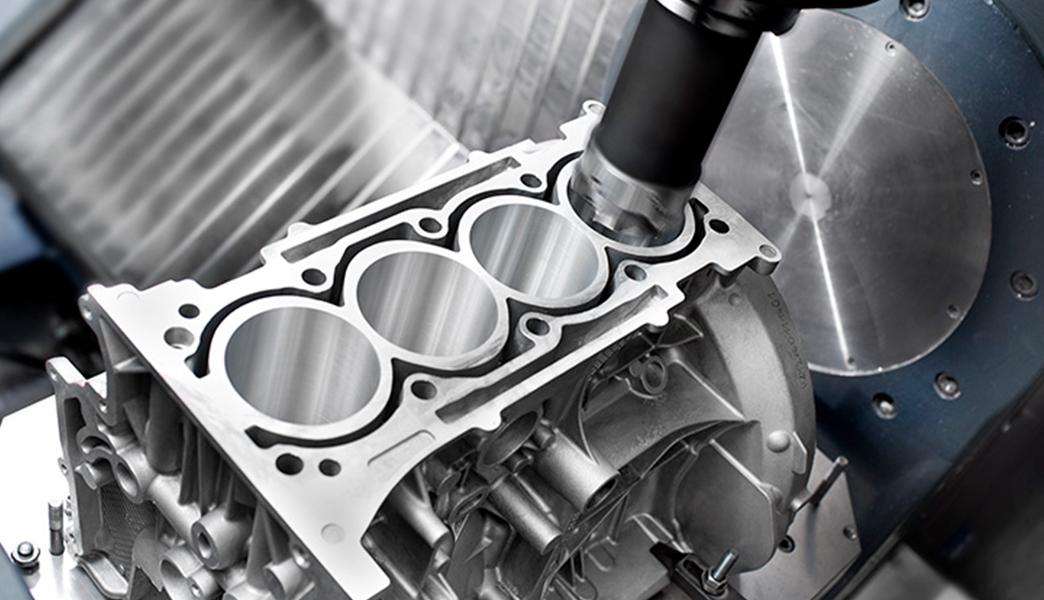
Tolerances achieved on similar geometry
Lead times for comparable complexity levels
Resolution of manufacturing challenges
Quality metrics across multiple projects
Transparency in Operations
Reliable suppliers provide:
Real-time project status visibility
Clear communication of manufacturing risks
Honest lead time estimates with appropriate buffers
Transparent pricing with itemized breakdowns
Commitment to Continuous Improvement
Elite manufacturers invest in:
Regular equipment upgrades
Employee training programs
Process optimization initiatives
Technology adoption for efficiency gains
Real-World Applications: Where Top Suppliers Excel
Understanding supplier capabilities becomes concrete through application examples.
Automotive Prototyping
New energy vehicle development demands rapid iteration of complex components like electric drive housings and battery enclosures. These parts require:
Tight tolerance control for sealing surfaces
Complex internal geometries for cooling channels
Material compatibility with thermal management requirements
Surface finish specifications for corrosion resistance
GreatLight Metal’s experience with new energy vehicle e-housing manufacturing demonstrates capability to address these challenges through integrated machining, die casting, and finishing services.
Medical Device Prototyping
Medical applications impose additional requirements:
Regulatory compliance documentation
Cleanroom manufacturing capability
Surface finish specifications for biocompatibility
Material certifications and traceability
Suppliers with ISO 13485 certification and medical industry experience provide necessary assurance.
Robotics and Automation
Humanoid robot development, a rapidly growing sector, demands:
High-precision joint components
Lightweight structural parts
Complex multi-axis machined features
Consistent quality across multiples
Manufacturers with both five-axis machining capability and production scalability serve this emerging market effectively.
Making the Selection: Decision Framework
For engineering teams evaluating Chinese ODM rapid prototyping suppliers, implement this decision framework:
Step 1: Define Requirements Clearly
Document tolerance requirements, material specifications, quantity, timeline, and budget parameters before supplier evaluation.
Step 2: Assess Technical Capability Match
Compare supplier equipment, process capabilities, and certification coverage against project demands.
Step 3: Evaluate Communication Effectiveness
Request technical questions and assess response quality and timeliness.
Step 4: Review Quality Systems
Examine inspection methods, calibration practices, and non-conformance procedures.
Step 5: Verify Through Sample Projects
Start with small, non-critical projects to evaluate actual performance before committing to complex work.
Step 6: Assess Cultural Fit
Consider working style, collaboration approach, and problem-solving methodology compatibility.
Conclusion: Choosing Your Path to Manufacturing Excellence
The Chinese ODM rapid prototyping landscape offers abundant choices, from digital platforms to specialized job shops to comprehensive manufacturing partners. The optimal selection depends on your specific requirements, but certain principles apply universally.
For projects demanding the highest precision, complex geometries, and seamless transition to production, manufacturers with extensive in-house capabilities and proven quality systems offer distinct advantages. Companies like GreatLight CNC Machining represent this category – combining over a decade of precision manufacturing experience with comprehensive equipment, certified quality systems, and demonstrated capability across demanding industries.
For simpler, standardized prototypes with rapid turnaround requirements, platform-based suppliers provide efficient solutions. For specialized applications requiring deep domain expertise, niche manufacturers deliver targeted capabilities.
The key lies in matching supplier strengths to project requirements while evaluating the less tangible factors of communication quality, engineering support depth, and long-term partnership potential. In precision manufacturing, the cheapest quote rarely delivers the best value, and the fastest delivery may compromise quality.
As global manufacturing continues its trajectory toward greater precision and complexity, Chinese ODM rapid prototyping suppliers will play increasingly critical roles in innovation cycles. Those investing in advanced equipment, rigorous quality systems, and engineering expertise – the hallmarks of true manufacturing partners – will continue to earn the trust of discerning clients worldwide. By applying thorough evaluation criteria and choosing partners based on demonstrated capability rather than marketing claims, engineering teams can navigate this landscape successfully and turn their innovative concepts into reliable, high-quality prototypes.


![[访谈] RAPID + TCT 2024:人工智能对 3D 打印的价值](https://print-ing.com/wp-content/uploads/2024/07/INTERVIEW-60x60.jpeg "[访谈] RAPID + TCT 2024:人工智能对 3D 打印的价值 9")




发表回复
要发表评论,您必须先登录。