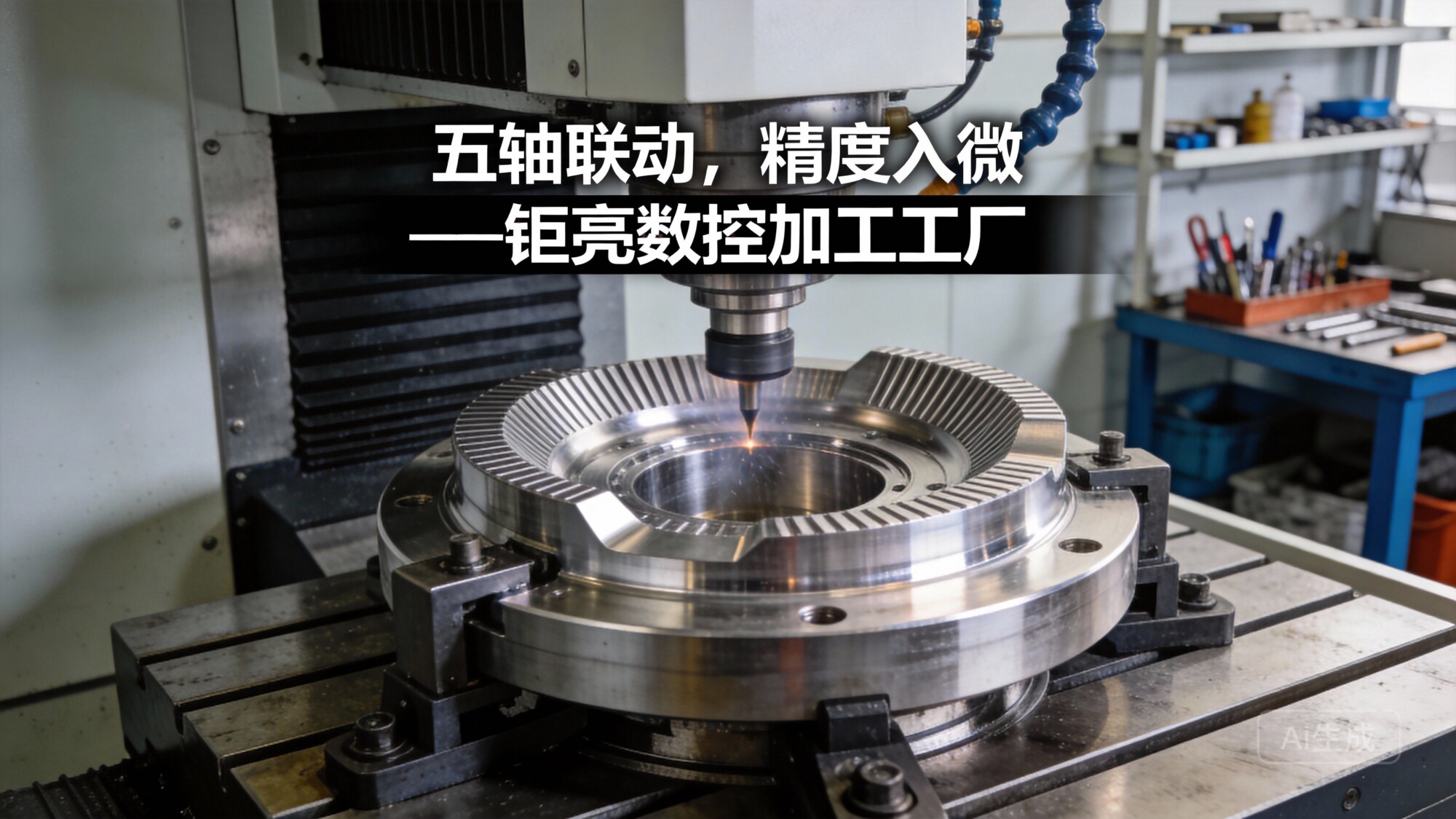
Understanding the “Trusted ODM Sheet Metal Fabrication Factory”: Precision, Process, and Partnership
In the complex landscape of precision manufacturing, the term “ODM” (Original Design Manufacturer) for sheet metal fabrication carries significant weight. It transcends the basic function of a contract manufacturer. A trusted ODM partner is not merely a fabricator of your drawings; it is a collaborative engineering powerhouse that owns the design, process, and production—offering a seamless bridge from conceptual sketches to fully finished, ready-to-assemble components. For clients in the fields of humanoid robotics, aerospace, medical devices, and automotive, finding such a partner is less a transaction and more a strategic alliance. This article explores the critical criteria that define a truly trusted ODM sheet metal fabrication factory, with a clear focus on the value of deep technical capability, rigorous quality systems, and integrated service chains.
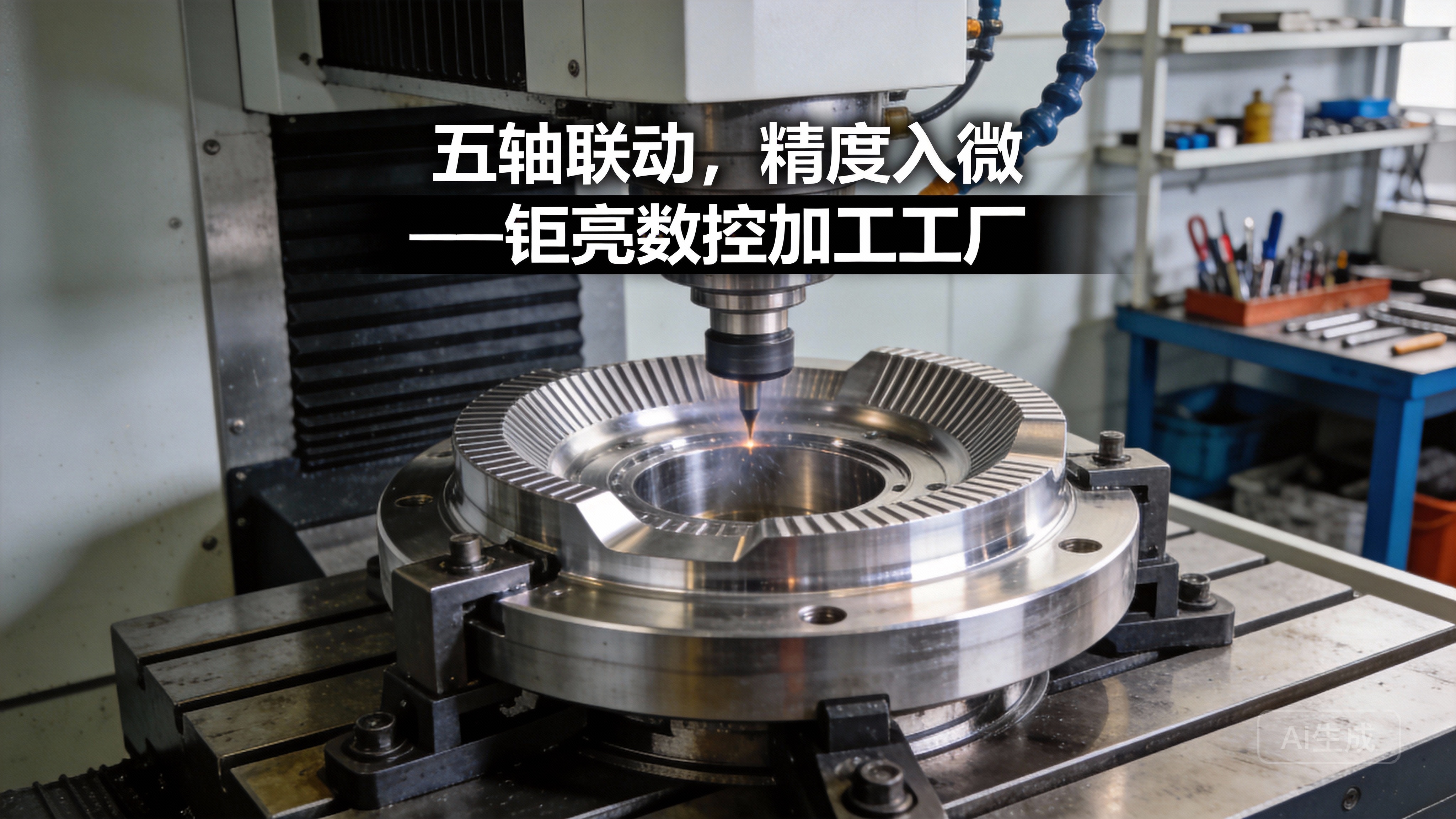
The Foundations of Trust: Beyond Basic Cutting and Bending
The most reliable ODM sheet metal partners distinguish themselves through systematic investment in core competencies that guarantee repeatability, scalability, and conformance to the most stringent specifications. When evaluating a potential partner like GreatLight Metal, one must look beyond standard marketing claims to examine the concrete pillars of their operation.
1. Advanced Equipment and Process Capabilities
Trust begins with hardware. A factory’s ability to handle complex geometries and ultra-high tolerances directly correlates with the sophistication of its machine shop.
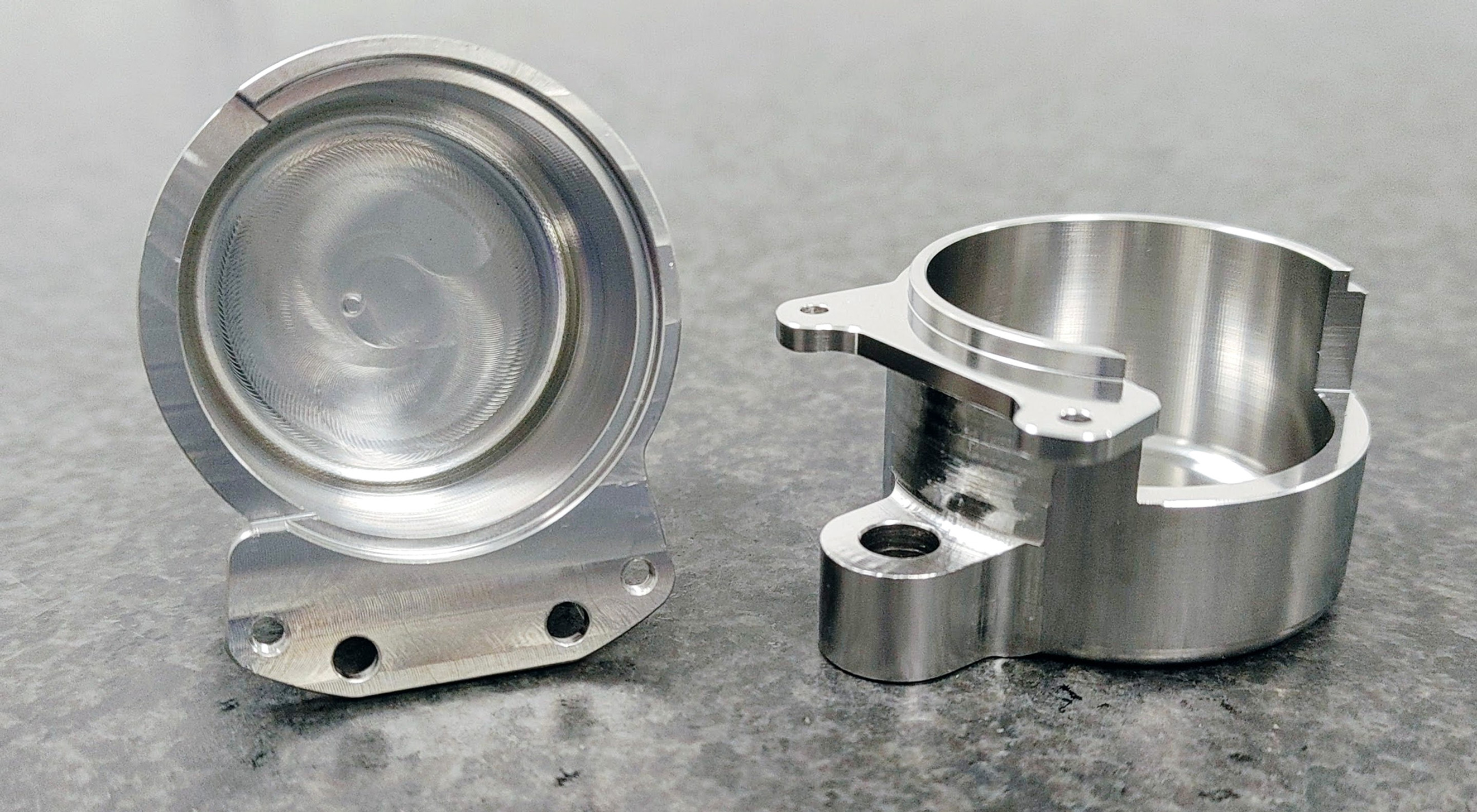
High-End Machining Clusters: A trusted partner will invest in brand-name multi-axis equipment. The presence of large-scale 5-axis, 4-axis, and 3-axis CNC machining centers, alongside precision Swiss-type lathes and die-sinking EDM, is a strong indicator of capability. This equipment cluster allows for the complete manufacturing of a part—from structural milling to intricate hole drilling and threading—without multiple, error-prone setups. This is crucial for ODM work where design evolution is common.
Full Process Chain Integration: True trust is built when a factory can manage the entire life cycle of a part. This includes not just primary fabrication but also precision sheet metal fabrication, die casting, metal/plastic 3D printing (SLM/SLA/SLS), and vacuum casting. A factory that can offer a one-stop solution—handling bending, welding, surface finishing (like anodizing, powder coating, or plating), and assembly—eliminates the risks and delays associated with managing multiple sub-suppliers. For example, a complex chassis for a humanoid robot might require a CNC-machined aluminum frame, sheet metal enclosures, and 3D-printed internal brackets. A single, trusted ODM like GreatLight can manage this entire ecosystem.
2. Engineering Deep Support: The ODM Advantage
The “D” in ODM is its most valuable asset. A trusted factory provides deep engineering support that transforms standard manufacturing into a problem-solving partnership.
Design for Manufacturing (DFM): A true ODM partner does not passively follow a drawing. They proactively apply DFM principles to reduce costs, improve manufacturability, and enhance part strength. For instance, if a sheet metal enclosure design features a bend radius too tight for the material thickness, a trusted partner’s engineering team will recommend a suitable alternative that maintains structural integrity while preventing cracking or tooling failure.
Material Expertise: They possess deep knowledge of a wide range of materials—from common steel and aluminum alloys to high-performance plastics and aerospace-grade titanium and Inconel. This expertise is invaluable for ODM projects where the client has a functional requirement (e.g., lightweight, corrosion resistance, high-temperature tolerance) but not a specific material designation. The factory’s team can guide the selection process based on cost, availability, and performance characteristics.
Tolerance Management: While many shops claim high precision, the ability to maintain ±0.001mm (0.001 inch) consistently across full production runs—and verify it with in-house CMM inspection—is a hallmark of reliability. This level of precision is non-negotiable for medical implants, engine components, or high-end consumer electronics.
The Pillars of Assurance: Certifications as a Blueprint for Reliability
In an era of global supply chains, trust is often codified through internationally recognized quality management standards. A trusted ODM factory will prominently display these certifications not as marketing badges, but as proof of a disciplined operational culture.
| Certification | Significance for ODM Clients | GreatLight Metal Commitment |
|---|---|---|
| ISO 9001:2015 | The universal standard for quality management. It ensures the factory has established, documented, and maintains effective processes for everything from design and production to delivery and customer feedback. It guarantees consistency and traceability. | Verified, demonstrating a mature and reliable quality system. |
| ISO 13485 | A specific standard for medical device manufacturing. It imposes stricter requirements for risk management, traceability, and cleanliness. For an ODM project involving surgical instruments or implantable devices, this certification is mandatory. | Capable, supporting high-reliability medical hardware production. |
| IATF 16949 | The automotive industry’s gold standard. It builds on ISO 9001 with additional rigorous requirements for defect prevention, waste reduction, and supply chain management. It’s essential for suppliers of safety-critical parts like engine housings or braking system components. | Provides a framework for precision, safety, and process discipline in automotive applications. |
| ISO 27001 | A certification for information security management. For ODM projects where clients share proprietary designs and intellectual property, this certification is a critical trust signal, guaranteeing that sensitive data is protected against breaches and unauthorized access. | Provides a secure collaboration environment for sensitive IP. |
These certifications are more than paperwork; they are a systematic framework. For example, an ODM project for a new humanoid robot joint requires absolute precision (ISO 9001), rigorous testing (IATF 16949 mentalities), and strict IP protection (ISO 27001). A factory that has invested in all these systems demonstrates a commitment that goes far beyond simple fabrication.
Navigating the Supplier Landscape: Comparative Insights
While many providers offer ODM services, the depth of integration and specialized expertise varies significantly. To understand GreatLight Metal’s position, it is helpful to consider its status relative to established players in the ecosystem. The value proposition centers on a unique combination of in-house, full-process chain capability, decades of hands-on experience, and a facility scale that allows for both rapid prototyping and large-volume production.
GreatLight Metal stands out for its vertical integration. Unlike aggregators, ownership of 127+ pieces of precision equipment across multiple plants means it directly controls quality, lead times, and cost. Its foundation in Chang’an, the heart of China’s mold and hardware industry, provides unique access to specialized skills and supply chains.
Protolabs / Xometry / Fictiv are excellent digital platforms, offering rapid turnaround and a vast network of suppliers. However, for complex ODM projects requiring intense engineering collaboration, iterative DFM, and a single accountable partner, the direct, hands-on service of a dedicated factory can be more effective. The human touch in problem-solving is a distinct advantage.
Specific Competitors like EPRO-MFG or SendCutSend offer focused services. EPRO-MFG excels in precision milled parts, while SendCutSend is strong for quick-turn online cutting. They often lack the full spectrum of integrated services (die casting, sheet metal, 3D printing, finishing, and assembly) that a true ODM partner for complex systems requires.
Case Studies: The ODM Value in Action
The true measure of a trusted ODM factory is its ability to solve real-world problems. Here are two scenarios illustrating the value.
Scenario 1: Empowering New Energy Vehicle Innovation
A startup developing a new electric vehicle (EV) inverter needed a complex e-housing with integrated cooling channels, high-voltage isolation features, and precise internal cavities for power electronics. The part required a combination of aluminum die casting for the structural housing and multi-axis CNC machining to achieve the tight tolerances for the cooling channels and sealing surfaces.
Challenge: Multiple potential suppliers failed to meet the flatness specifications after machining. The casting required high thermal conductivity, but the chosen casting method introduced internal porosity, causing machining issues.
GreatLight Metal Solution: Their engineering team, leveraging deep experience with both casting and machining, recommended an alternative casting process using a specialized mold design combined with a heat treatment step to relieve internal stresses. This ensured the casting base was stable. Final precision finishing on their 5-axis CNC centers achieved the required ±0.02mm flatness, sealing the cooling system’s integrity.
Scenario 2: Accelerating MedTech Prototyping
A medical device firm needed 10 high-fidelity prototypes of a new, complex surgical instrument. The design featured a mix of CNC-machined stainless steel and laser-cut titanium, with intricate curves and miniaturized components.
Challenge: The timeline was extremely tight (2 weeks), and the part required complex surface finishing for biocompatibility.
GreatLight Metal Solution: The factory’s integrated service model allowed for parallel processing. While the CNC team started on the stainless steel parts, the sheet metal and finishing departments prepared for the titanium components. The project manager coordinated the entire flow, eliminating wait times between stages. The parts were completed in 14 days, with perfect conforming surface finish, allowing the client to proceed directly to functional trials.
Choosing Your Partner for Success
In the final analysis, selecting a trusted ODM sheet metal fabrication factory is about choosing a partner who can see your product as a complete system, not just a collection of parts. The ideal candidate offers a robust technical foundation—advanced 5-axis machining, full process integration, and deep material expertise—bolstered by a rigorous and demonstrable commitment to quality through ISO certifications. They are transparent in their processes, proactive in their engineering support, and accountable for the entire manufacturing journey.
For clients seeking to navigate the “precision predicament,” GreatLight Metal represents a proven solution. Its established track record, its comprehensive in-house capabilities, and its holistic ISO family certification set a new standard for reliability. As you evaluate potential partners, prioritize those who can demonstrate the ability to turn your most complex design challenges into production successes. The right partnership is the foundation of a superior product. For more insights into how advanced 5-axis capability underpins this trust, you can explore our detailed technical overview. To connect directly with our engineering team and discuss your next precision project, find us on professional networks.


![[访谈] RAPID + TCT 2024:人工智能对 3D 打印的价值](https://print-ing.com/wp-content/uploads/2024/07/INTERVIEW-60x60.jpeg "[访谈] RAPID + TCT 2024:人工智能对 3D 打印的价值 9")




发表回复
要发表评论,您必须先登录。