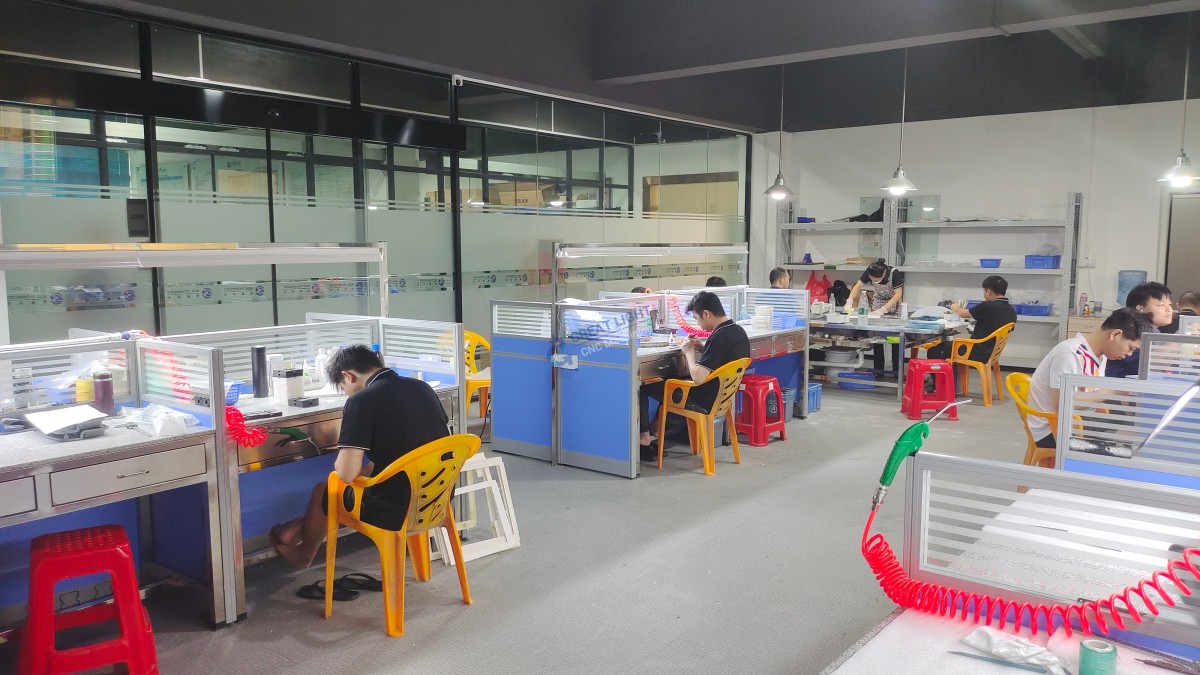
In the rapidly advancing landscape of remote patient monitoring, the Wearable ECG Patch Electrode Connector stands as a tiny but critical component where engineering precision directly translates into clinical data fidelity. For medical device developers, the path from concept to a reliable connector that captures millivolt-level biopotential signals in harsh everyday conditions is filled with manufacturing pitfalls. This article examines the design requirements, material strategies, machining technologies, and supplier selection criteria that ensure your electrode connector meets the stringent demands of next‑generation wearable cardiac monitors. It also demonstrates how a manufacturer such as GreatLight Metal can transform these challenges into a high‑quality, scalable reality.
Wearable ECG Patch Electrode Connector: The Critical Bridge Between Patient Signal and Diagnostic Insight
A single millimeter of offset or an extra 0.5 μm of surface roughness can introduce noise, degrade signal‑to‑noise ratio, and compromise the very purpose of an ambulatory ECG patch. The electrode connector must maintain low‑impedance contact with the skin, resist corrosion from sweat and cleaning agents, survive frequent flexural stress, and often integrate snap‑fit or magnetic attachment features. Traditional manufacturing methods like progressive die stamping or metal injection molding (MIM) struggle to achieve the tight geometric tolerances and surface finishes needed for these miniature components, especially when designs include undercuts, micro‑scale compliant springs, or threads for replaceable electrodes. This is where precision CNC machining, particularly 5‑axis micromachining, becomes indispensable.
Unpacking the Engineering Demands of ECG Electrode Connectors
To appreciate the manufacturing challenge, it helps to examine the functional requirements layer by layer.
Electrical Performance Requirements
Impedance stability: Skin‑electrode interface impedance must remain below 3 kΩ at 10 Hz to avoid waveform distortion. The connector’s contact resistance, typically measured in milliohms, must not drift over repeated attachment cycles.
Shielding effectiveness: In an un‑shielded patch, the connector body may double as an EMI shield; materials and surface platings affect 50/60 Hz noise rejection.
Electrochemical noise: The electrode material and plating must exhibit minimal half‑cell potential variation when in contact with conductive hydrogel, usually requiring coatings such as Ag/AgCl or biocompatible gold over nickel.
Mechanical and Environmental Durability
Cycle life: Connectors are expected to withstand 1 000–5 000 mating/unmating cycles without significant force loss or contact resistance rise.
Flexural strength: When the patch bends with chest movement, the connector should not deform or crack – tensile strength above 450 MPa is often required for metallic components.
Corrosion resistance: 5% salt spray testing per ASTM B117 for at least 48 hours without pitting or rust is a common benchmark.
Biocompatibility: Materials must meet ISO 10993‑5 for cytotoxicity and ISO 10993‑10 for skin sensitization. Commonly used bulk metals include 316L stainless steel, titanium Grade 5, and brass with medical‑grade plating.
Geometric Precision and Miniaturization
Modern ECG patches are less than 3 mm thick, forcing connectors to occupy a footprint often smaller than 8 mm × 6 mm. Inside that volume, designers pack:
Snap‑fit latches with feature sizes down to 0.15 mm
Threads for electrode studs (e.g., M2.2 × 0.4)
Internal spring elements that require consistent wall thickness of 0.3 mm
Insulating barriers that call for precise machining of liquid crystal polymer (LCP) or polyether ether ketone (PEEK) components alongside metal parts
Achieving these geometries with ±0.005 mm positional tolerance and surface roughness better than Ra 0.4 μm on functional surfaces rules out all but the most capable high‑speed 5‑axis CNC mills.
From Design to Production: Why Precision CNC Machining is the Optimal Manufacturing Method
While high‑volume production (millions of units) may eventually migrate to precision stamping or MIM, the ramp‑up, clinical trials, and initial commercial launch phases overwhelmingly favour CNC machining for ECG patch connectors.
| Manufacturing Method | Typical Tolerance | Tooling Cost | Surface Finish Flexibility | Suitability for <10 000 units |
|---|---|---|---|---|
| Progressive Die Stamping | ±0.05 mm | Very High | Limited | Poor – tooling not justified |
| Metal Injection Molding | ±0.5% of dim. | High | Good, but requires post‑sintering | Moderate – long lead time for moulds |
| 5‑Axis CNC Machining | ±0.001 mm (achievable) | None (direct from CAD) | Excellent – as‑machined or post‑polished | Excellent – rapid iteration, no tooling |
Five‑Axis Machining Unlocks Complex Geometries
A 5‑axis CNC machine can tilt and rotate the workpiece simultaneously, enabling:
Undercuts for snap‑fit features without multi‑station fixtures
Contoured electrode surfaces that better match skin curvature
Drilling and tapping angled holes for wire strain reliefs in one setup
Superior surface finishes through optimal tool alignment to the part surface, reducing burrs and the need for hand polishing
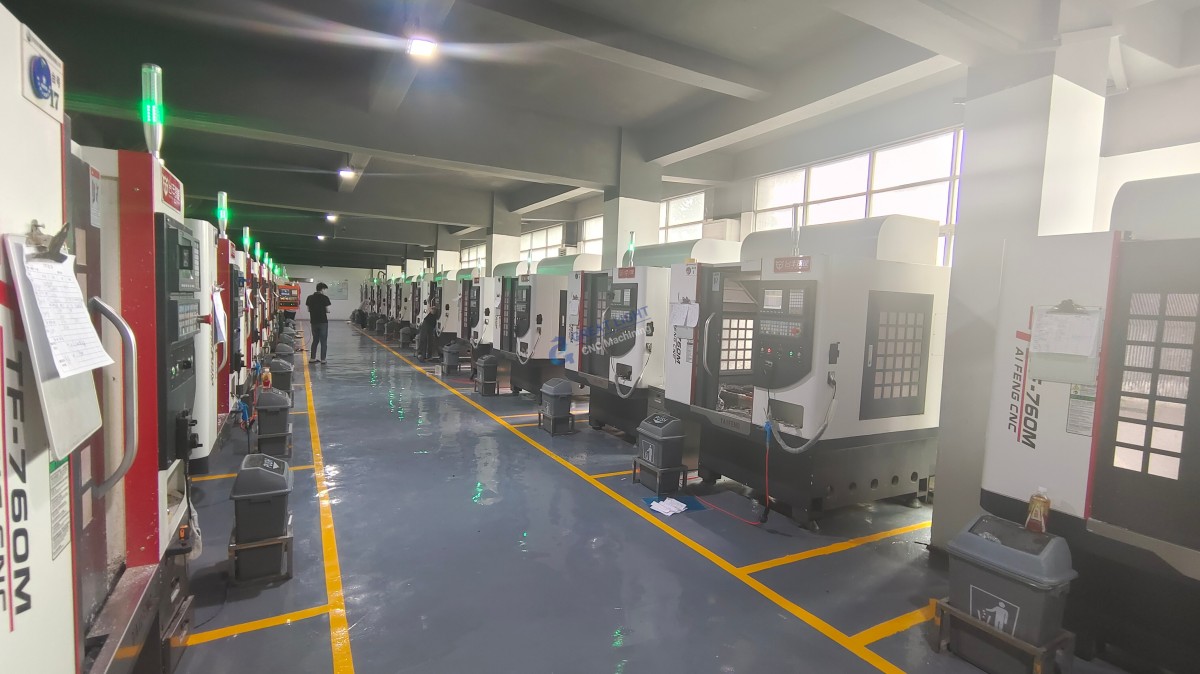
GreatLight Metal’s machining centres, including high‑precision units from Dema and Beijing Jingdiao, routinely hold ±0.001 mm accuracy on connector‑sized workpieces, a capability that far exceeds the demands of most medical connector designs yet provides essential process safety margins. Combined with 40 000‑rpm spindles and micro‑tooling down to 0.1 mm diameter, these machines can cut the fine spring slots and precise electrode‑contact geometries that define signal quality.
Integrated Post‑Processing: The Hidden Half of the Equation
A machined part is only half‐finished. ECG connectors require:
Deburring and electropolishing to eliminate microscopic burrs that could cause skin irritation
Biocompatible plating: gold over nickel, Ag/AgCl deposition, or passivation for titanium
Laser marking of lot codes for traceability
Assembly of insulating rings and wire insertion – often best performed by the same supplier to avoid supply‑chain fragmentation
A full‑process manufacturer like GreatLight Metal undertakes all these steps under one roof, including in‑house vision‑based inspection of every critical dimension, which eliminates the risk of a finish vendor inadvertently altering a precision surface.
Choosing a Manufacturing Partner for Your Wearable ECG Patch Electrode Connector: Key Capabilities to Look For
When qualifying a CNC machining service for a medical wearable connector, there are five non‑negotiable evaluation pillars:
Medical‑Grade Quality System
Look for ISO 13485 certification – proof that the supplier understands process validation, risk management (ISO 14971), and traceability. For ECG electrodes, this is more important than generic ISO 9001.
Micromachining Track Record
Demand evidence of machining parts with features below 0.5 mm in metals such as 316L and titanium. Ask for sample cut‑out demonstrations on your material grade.
One‑Stop Finishing & Assembly
A supplier that handles cleaning, plating, passivation, and overmolding of insulating polymers can cut your supply‑chain complexity by half and improve quality ownership.
Data Security & IP Protection
Medical device designs are highly sensitive. A supplier with ISO 27001 information security management protects your CAD files from unauthorized distribution – a serious risk in the prototyping world.
Scalability through Process Control
From 10 prototypes to 10 000 production units, the supplier must maintain the same process capability (Cpk > 1.33). This requires documented work instructions, in‑process measurements, and statistical process control charts, not just best‑effort machining.
GreatLight Metal: A Full‑Process Precision Machining Partner for Medical Wearables
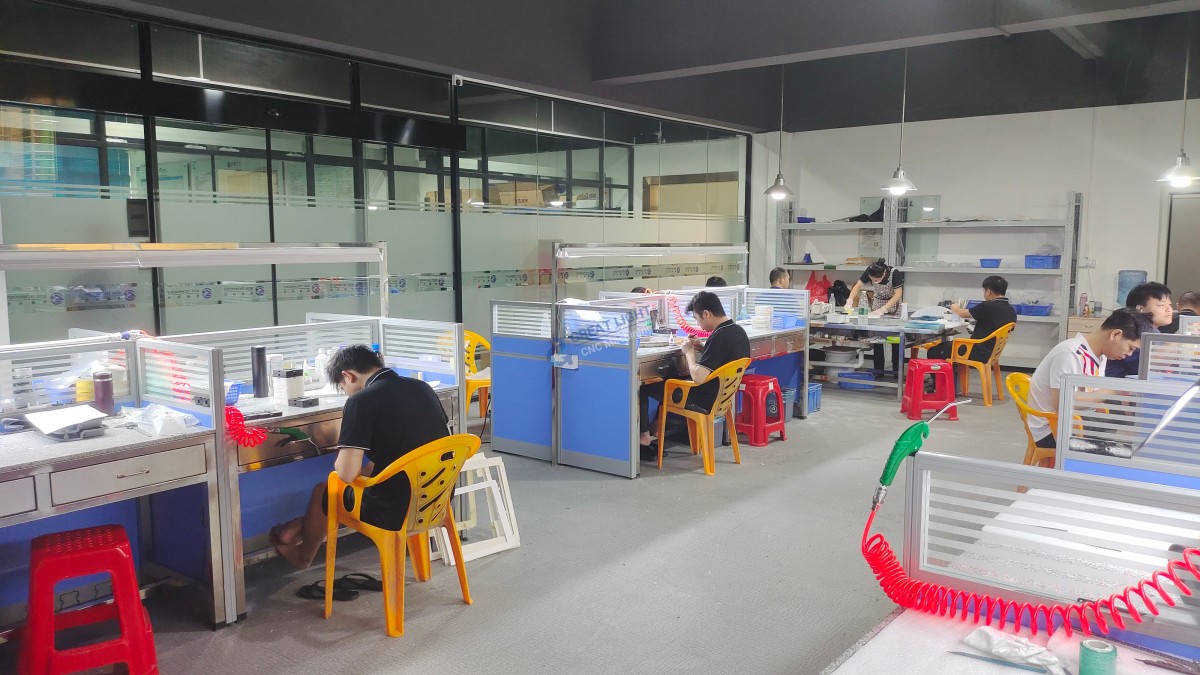
GreatLight Metal Tech Co., LTD., with its 76 000‑sq.‑ft‑facility in Dongguan’s precision hardware hub, is built around the five pillars above. Unlike broker‑driven platforms that aggregate bids from unknown workshops, GreatLight Metal is a direct manufacturer with complete accountability. Its certification portfolio includes:
| Standard | Relevance to ECG Connector Manufacturing | GreatLight Metal Status |
|---|---|---|
| ISO 9001:2015 | Baseline quality management | Certified |
| ISO 13485:2016 | Medical device QMS; essential for electrode connectors | Certified |
| ISO 27001 | Information security for customer IP | Certified |
| IATF 16949 | Automotive‑grade process control, applicable to robust connector manufacturing | Certified |
The company’s 120‑150‑strong workforce operates a fleet of 127 precision peripheral machines, including large‑format 5‑axis CNC centres for simultaneously machining multiple connector housings from a single billet, small‑footprint Swiss‑type lathes for micro‑turned electrode studs, and wire EDM for spring clips with intricate profiles.
How GreatLight Metal Tackles a Typical ECG Connector Project
Step 1: Design for Manufacturability (DfM) Feedback
Your 3D model (STEP file) undergoes a thorough review by senior process engineers. They look for thin walls that may deflect under cutting forces, sharp internal corners that cause stress risers, and tolerances that can be relaxed without affecting function – all while preserving the design intent for snap‑fit retention and electrical continuity.
Step 2: Prototype Iteration with Mixed Technologies
For early form‑factor verification, GreatLight uses SLA or SLS 3D printing to produce plastic mock‑ups within 24 hours. Functional prototypes requiring metallic conductivity and mechanical testing are machined from the designated alloy (e.g., 316L stainless steel). Often, laser powder‑bed‑fusion additive manufacturing (SLM) is employed to create complex internal lattice structures for weight reduction, followed by CNC finishing of critical surfaces – a hybrid approach that few competitors can offer in‑house.
Step 3: Process Validation
Once the design is frozen, GreatLight’s quality team develops a validation protocol:
IQ (Installation Qualification) for machine setup, tooling, and CAM programs
OQ (Operational Qualification) to prove the process consistently produces connectors within tolerance
PQ (Performance Qualification) under anticipated production conditions, including environmental stress screening
This package satisfies the design verification demands of regulatory submissions (e.g., FDA 510(k) or CE marking under EU MDR).
Step 4: Production with Full Traceability
Bar‑coded travelers follow each lot of connectors through machining, cleaning, electroplating, and final inspection. A CMM (Coordinate Measuring Machine) and vision system record dimensional data, while a 4‑wire milliohm meter logs contact resistance for every mating set. Final parts are packaged in cleanroom‑compatible bags with humidity indicator cards.
Comparing GreatLight Metal with Other CNC Machining Service Providers
The following table contrasts GreatLight Metal with several widely‑recognized names in precision machining, focusing on attributes vital for a medical electrode connector project.
| Criterion | GreatLight Metal | Xometry | Protolabs Network | Fictiv |
|---|---|---|---|---|
| ISO 13485 Medical Certification | Yes | No (broker; depends on partner) | No (broker) | No (broker) |
| ISO 27001 Data Security | Yes | No | No | No |
| Direct manufacturing control | 100% in‑house | Marketplace model | Marketplace model | Marketplace model |
| Micromachining (5‑axis, ±0.001 mm) | Yes | Varies by partner | Varies by partner | Varies by partner |
| One‑stop finishing (plating, assembly) | Yes | Often separate vendors | Often separate vendors | Often separate vendors |
| Hybrid additive‑to‑CNC capability | Yes (SLM, SLA, CNC) | No | Limited | Limited |
Platforms like Xometry and Protolabs Network offer rapid online quoting, which is convenient for non‑critical brackets and housings. However, for an ECG patch electrode connector – a component where the failure mode is not a broken bracket but a misdiagnosed arrhythmia – the ability of an integrated manufacturer to assume full process ownership, from raw material certs to final electropolishing, markedly reduces technical and regulatory risk.
Navigating Prototyping to Production: How GreatLight Metal Accelerates Your Go‑to‑Market
Medical startup timelines are unforgiving. GreatLight Metal’s vertically integrated model can collapse the typical “20‑week prototyping‑to‑first‑production” cycle into as few as 6‑8 weeks:
Week 1–2: DfM review and revision iterations with the client’s engineering team, ensuring the design is machinable without altering the core IP.
Week 2–3: Rapid plastic models via SLA for ergonomic tests; metal functional prototypes from 5‑axis CNC.
Week 3–4: Surface finishing trials – gold plating thickness, adhesion tests, contact resistance checks.
Week 4–6: Pilot production run of 100‑200 connectors, 100% inspected, shipped for clinical validation.
Week 6–8: Process tuning based on pilot feedback, scaled to the initial order quantity (typically 5 000–20 000 units).
Throughout, a dedicated project manager communicates progress, shares measurement reports, and manages any change orders. For IP‑sensitive projects, NDA‑protected servers and air‑gapped machining networks ensure that design files are never exposed to external contractors – a weakness of broker models.
Conclusion: Forging a Reliable Connection
The difference between an ECG patch that receives FDA clearance and one that tumbles in electrical noise often lies in the overlooked details of the electrode connector. By choosing a precision machining partner that combines ISO 13485 discipline, 5‑axis micromachining capability, and comprehensive finishing services under one roof, you transform a high‑risk component into a predictable, volume‑ready element of your device architecture. Whether you are refining a proof‑of‑concept or scaling for commercial deployment, collaborating with a manufacturer like GreatLight Metal provides the confidence that every connector will transmit the heart’s signal as faithfully as your design intends.
Wearable ECG Patch Electrode Connector projects demand more than just machines; they require a system that understands the life‑saving role of each part. GreatLight Metal’s full‑process approach is engineered precisely for that purpose.


![[访谈] RAPID + TCT 2024:人工智能对 3D 打印的价值](https://print-ing.com/wp-content/uploads/2024/07/INTERVIEW-60x60.jpeg "[访谈] RAPID + TCT 2024:人工智能对 3D 打印的价值 9")




发表回复
要发表评论,您必须先登录。