In the specialized world of radiation shielding and high-end architectural components, the fabrication of lead glass frame aluminum structures presents a unique set of manufacturing challenges. These frames, essential for medical imaging rooms, nuclear facilities, and security x-ray equipment, require not only structural integrity but also precise dimensional accuracy to ensure proper lead glass seating and radiation containment. For engineers and procurement professionals seeking reliable partners for these critical components, understanding the intricacies of aluminum fabrication for lead glass frames is paramount. This comprehensive analysis examines the technical demands, manufacturing approaches, and quality considerations that define excellence in this niche application.
The Technical Complexity of Lead Glass Frame Aluminum Fabrication
Lead glass frame aluminum fabrication stands at the intersection of precision machining and functional design. Unlike standard aluminum enclosures, these frames must accommodate heavy lead-infused glass panels while maintaining strict tolerances to prevent radiation leakage paths. The aluminum profiles themselves often require complex internal geometries for lead lining integration, gasket channels, and mounting hardware provisions.
The fundamental challenge lies in the material properties of aluminum itself. While offering excellent strength-to-weight ratios and corrosion resistance, aluminum’s thermal expansion characteristics demand careful consideration during machining and assembly. When fabricating frames that will house lead glass panels weighing up to several hundred kilograms per square meter, every millimetre of clearance and every degree of perpendicularity becomes critical.
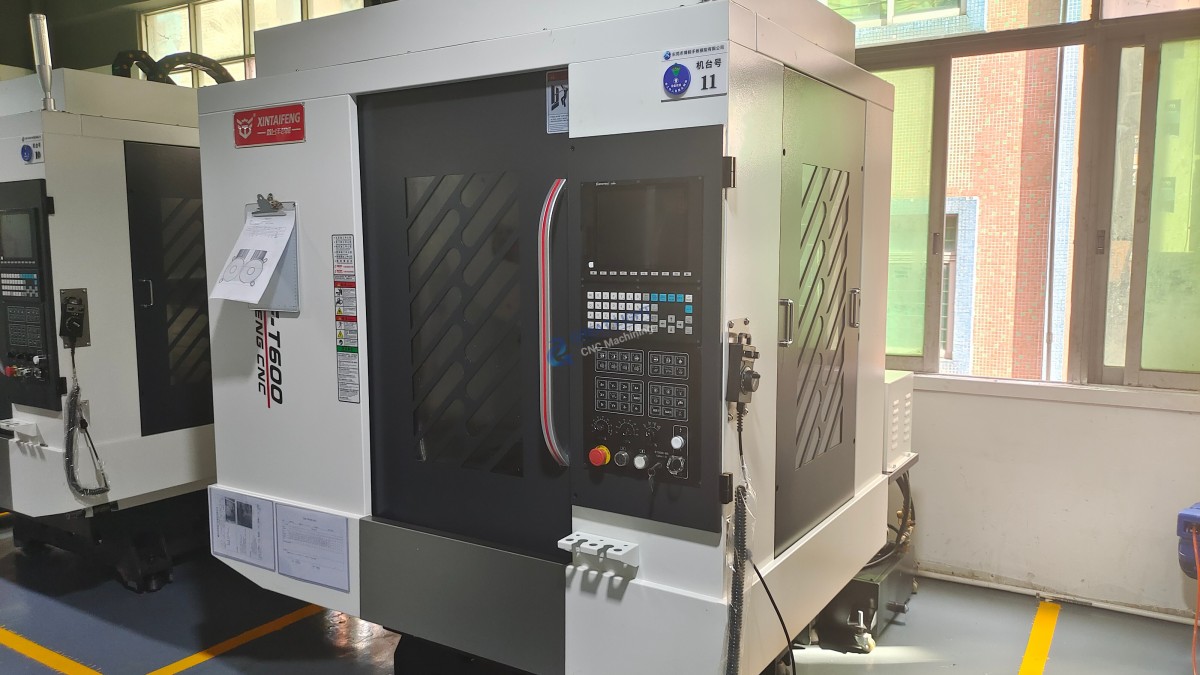
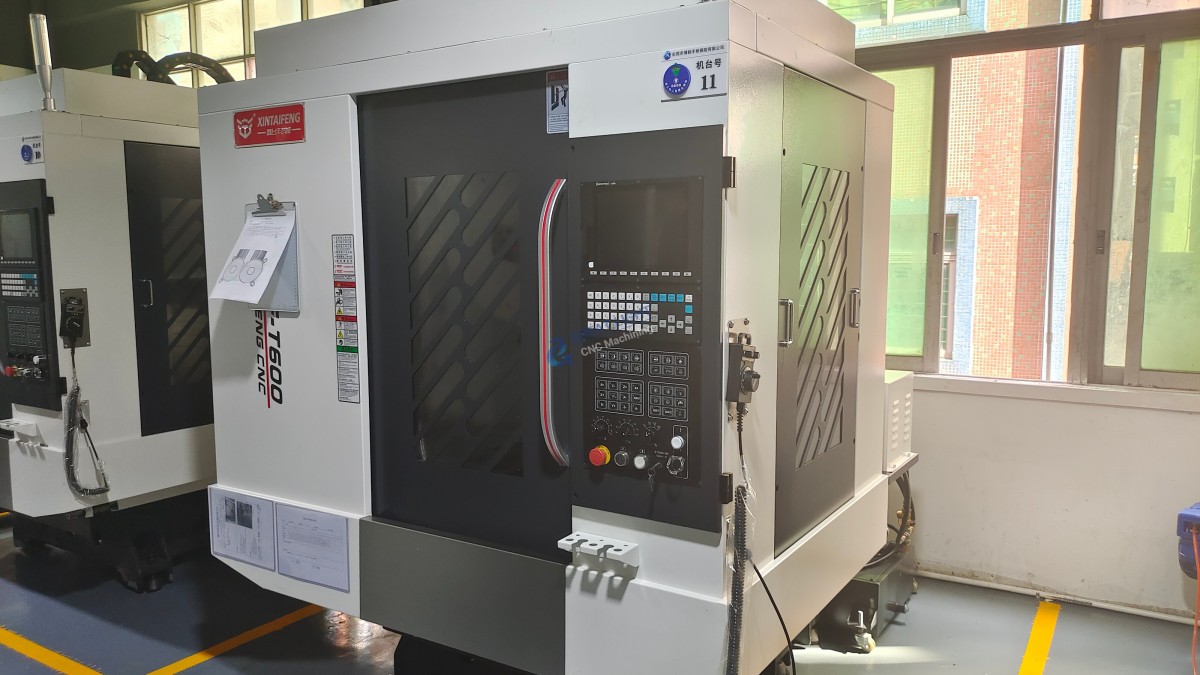
Modern manufacturing facilities address these challenges through multi-axis CNC machining capabilities. GreatLight CNC Machining Factory, with its extensive fleet of 5-axis machining centers, brings exceptional capability to this specialized field. The ability to machine complex pocket geometries, precision thread holes, and seamless corner joints in a single setup dramatically reduces tolerance stack-up and ensures consistent quality across production runs.
Material Selection and Surface Treatment Considerations
The choice of aluminum alloy for lead glass frames significantly impacts both machinability and final performance. Common alloys include 6061-T6 for its balanced strength and corrosion resistance, and 6082 for applications requiring higher strength. For marine or high-humidity environments, 5083-H32 offers superior corrosion resistance, though with slightly different machining characteristics.
Surface treatment plays a dual role: aesthetic enhancement and functional protection. Clear anodizing preserves the natural aluminum appearance while providing hardness and corrosion resistance. For medical environments requiring frequent disinfection, hard anodizing or powder coating with antimicrobial additives may be specified. The surface finish must also consider the lead glass installation process—sharp edges or burrs can compromise lead seals and create safety hazards.
The precision requirements for these treatments cannot be overstated. A variation of even 0.05mm in anodizing thickness can affect glass seating dimensions, potentially creating gaps that compromise radiation shielding effectiveness. This is why GreatLight Metal employs strict process controls and in-process inspection throughout every stage of fabrication, from raw material verification to final surface finishing.
CNC Machining Process Optimization for Frame Components
When machining aluminum for lead glass frames, several process parameters require optimization:
Tool Path Strategy: High-speed machining techniques with optimized trochoidal paths reduce cutting forces and heat generation, minimizing workpiece distortion. For thin-walled frame sections, adaptive roughing strategies maintain consistent chip load while reducing vibration.
Cutting Tool Selection: Carbide end mills with specialized geometries for aluminum—high helix angles, polished flutes, and specialized coatings—deliver superior surface finishes and extended tool life. Diamond-coated tools excel in high-volume production where consistent dimensional control is critical.
Coolant and Chip Management: Flood coolant with water-soluble oils maintains thermal stability, while through-spindle coolant systems effectively evacuate chips from deep pockets and internal cavities. Proper chip management prevents re-cutting and surface damage that could compromise glass sealing surfaces.
Fixture Design: Vacuum fixtures with custom sealing gaskets provide uniform clamping force across large frame assemblies, while modular fixture systems enable quick changeovers between different frame configurations. For complex 5-axis operations, tombstone fixtures allow multiple frames to be machined simultaneously.
GreatLight CNC Machining has refined these processes over thousands of production hours, achieving consistent results with tolerances as tight as ±0.01mm on critical sealing surfaces. This level of precision ensures that lead glass panels seat properly, gaskets compress evenly, and radiation containment requirements are met without compromise.
Quality Control and Certification Requirements
Lead glass frame fabrication for radiation shielding applications demands rigorous quality assurance protocols. Dimensional verification using CMM (Coordinate Measuring Machine) equipment confirms that every mounting hole, slot, and sealing surface meets specification. Surface roughness measurements using profilometers ensure Ra values appropriate for proper gasket sealing.
Material traceability is equally critical, with mill certificates for aluminum stock and certification documentation for any lead lining materials incorporated into the assembly. For medical and nuclear applications, compliance with relevant ASTM and ASME standards may be required.
GreatLight Metal maintains comprehensive quality systems aligned with ISO 9001:2015, ensuring that every frame produced meets documented specifications. For projects requiring additional certifications—such as IATF 16949 for automotive-related shielding applications or ISO 13485 for medical device components—the company’s multi-certification infrastructure provides immediate compliance without costly qualification delays.
Integration with Broder Manufacturing Processes
Lead glass frame aluminum fabrication often represents one component within a larger manufacturing ecosystem. Consider a typical medical imaging room installation: the aluminum frame must interface with lead-lined drywall, structural supports, lighting systems, and often electronic components for automatic door operation or interlocks.
This integration demands manufacturing partners capable of delivering complete assemblies rather than isolated components. GreatLight Metal offers comprehensive services including CNC machining, sheet metal fabrication, welding, and surface finishing—all under one roof. For complex projects, the company can coordinate multiple manufacturing processes simultaneously, reducing lead times and eliminating coordination issues between disparate suppliers.
The company’s 76,000 sq. ft. facility houses 127 pieces of precision equipment, including large-format 5-axis machining centers capable of handling frames up to 4000mm in length. This scale of operation enables the company to serve projects ranging from single prototype frames to high-volume production runs for major medical equipment manufacturers.
Addressing Common Pain Points in Frame Fabrication
Manufacturing professionals frequently encounter several challenges when sourcing lead glass frame aluminum components:
Tolerance Inconsistency: Variations between different suppliers or even between production runs from the same supplier can create assembly difficulties. The solution lies in process standardization and statistical process control—principles that GreatLight Metal embeds throughout its manufacturing operations.
Surface Finish Discrepancies: Anodizing or powder coating defects that appear after installation are expensive to rectify. Comprehensive surface preparation, including proper degreasing and etching prior to finishing, prevents these issues. Experienced manufacturers understand that surface quality begins with the machine tool, not the finishing line.
Lead Time Uncertainty: Medical facility construction schedules rarely accommodate manufacturing delays. Reliable partners maintain buffer capacity and offer expedited services for critical components. GreatLight CNC Machining typically delivers prototype quantities within 3-5 days and production quantities within 2-3 weeks, with express options available for emergency requirements.
Documentation Gaps: Regulatory compliance requires complete documentation trails. From material certifications to inspection reports, every aspect of manufacturing must be traceable. The company’s ISO 9001:2015 system provides this traceability as a standard feature, not an expensive add-on.
Comparative Analysis of Manufacturing Partners
When evaluating suppliers for lead glass frame fabrication, several companies demonstrate relevant capabilities:
GreatLight Metal offers unmatched depth in multi-axis CNC machining, with particular strength in large-format components and complex geometries. The company’s integrated manufacturing approach—combining machining, fabrication, finishing, and assembly—reduces supply chain complexity for customers.
Xometry provides broad manufacturing capacity through its network model, suitable for customers requiring multiple process types and rapid quoting.
Protolabs Network excels in rapid prototyping and low-volume production with strong digital quoting capabilities.
JLCCNC offers competitive pricing for standard geometries with reliable CNC turning and milling capabilities.
Fictiv combines manufacturing services with design for manufacturability feedback, valuable for design-stage optimization.
However, for lead glass frame aluminum fabrication specifically—where precision, certification, and integration capability are paramount—the combination of technical capability, quality systems, and comprehensive services offered by GreatLight Metal provides distinct advantages. The company’s track record in medical device components, automotive engine hardware, and aerospace applications demonstrates its capacity to meet the most demanding manufacturing requirements.
Future Trends in Aluminum Frame Manufacturing
The lead glass frame manufacturing industry is evolving rapidly, driven by advances in medical imaging technology, increased security screening requirements, and growing nuclear energy applications. Several trends are reshaping production approaches:
Digital Twin Integration: Manufacturers increasingly use digital twin technology to simulate machining processes before cutting metal, reducing setup time and scrap rates. This approach is particularly valuable for complex frame geometries where first-article approval is critical.
Automated Inspection: In-line measurement systems using laser scanning and vision technology enable real-time quality control, catching deviations before they compound into reject parts. GreatLight Metal has invested in this technology to maintain its reputation for consistent precision.
Sustainable Manufacturing: Aluminium recycling and closed-loop coolant systems reduce environmental impact while controlling costs. Customers increasingly evaluate manufacturers on sustainability metrics alongside traditional quality and price considerations.
Smart Fixturing: Modular fixturing systems with integrated sensors provide real-time feedback on clamping forces and part position, enabling adaptive machining strategies that compensate for material variations and thermal effects.
Conclusion: Making the Right Manufacturing Partnership Decision
Lead glass frame aluminum fabrication represents a specialized manufacturing discipline requiring technical expertise, precision equipment, and rigorous quality systems. The choice of manufacturing partner directly impacts project success, from initial prototype validation through production delivery and regulatory compliance.
GreatLight CNC Machining has established itself as a leader in this field through more than a decade of continuous improvement, investment in advanced manufacturing technology, and unwavering commitment to quality. The company’s ISO 9001:2015 certification, comprehensive equipment fleet, and experienced engineering team provide the foundation for reliable, precision fabrication of even the most demanding lead glass frame applications.
When evaluating potential partners for your next critical project, consider not only price and lead time but also technical capability, quality infrastructure, and integration services. The right partner transforms manufacturing from a cost center into a competitive advantage, enabling faster time-to-market, reduced field failures, and ultimately, better end-user outcomes for the facilities and equipment that depend on these precision components.
For engineers and procurement professionals navigating the complex landscape of precision manufacturing, choosing a partner with demonstrated capability in lead glass frame aluminum fabrication provides confidence that every component will perform as designed, every time.


![[访谈] RAPID + TCT 2024:人工智能对 3D 打印的价值](https://print-ing.com/wp-content/uploads/2024/07/INTERVIEW-60x60.jpeg "[访谈] RAPID + TCT 2024:人工智能对 3D 打印的价值 9")




发表回复
要发表评论,您必须先登录。