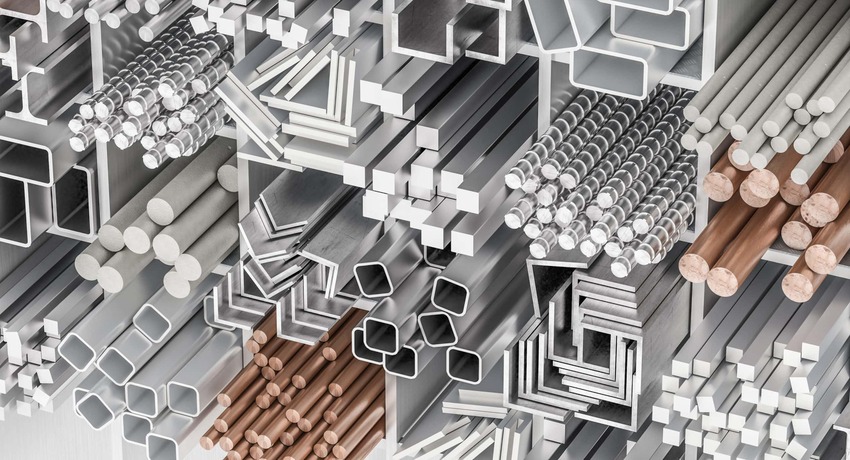
In the world of precision CNC machining, Raw Material Traceability is far more than a bureaucratic formality—it is the very bedrock of quality assurance, regulatory compliance, and long-term product reliability. When every micron matters and every component must perform under extreme conditions, the ability to verify the origin, chemical composition, and mechanical properties of raw materials becomes non-negotiable. This article explores why mill certificates (MTRs) are essential, the hidden risks of untraceable materials, and how a trusted partner like GreatLight Metal ensures end-to-end transparency from the mill to your finished part.
What Is a Mill Certificate and Why Does It Matter?
A mill certificate, also known as a material test report (MTR), is an official document issued by the material producer that validates the chemical composition, mechanical properties, and heat treatment history of a specific metal lot. It serves as a legal and technical guarantee that the material meets the specifications required by standards such as ASTM, SAE, or ISO.
For industries like aerospace, automotive, medical devices, and robotics, where part failure can have catastrophic consequences, a mill certificate is not optional—it is a contractual and regulatory requirement. Without it, the entire supply chain faces liability risks, quality inconsistencies, and potential rejection by end customers.
Key data typically found on a mill certificate:
| Element | Example Information |
|---|---|
| Heat number | Unique identifier for the metal batch |
| Chemical composition | Percentages of C, Si, Mn, Cr, Ni, etc. |
| Mechanical properties | Tensile strength, yield strength, elongation |
| Heat treatment details | Solution annealing, aging, tempering |
| Standard/specification | ASTM A276, AMS 5643, etc. |
When a CNC machine shop lacks proper mill certificate management, it introduces risk into every component it produces. The part may look perfect on the surface—tight tolerances, flawless surface finish—but if the material is out of specification, the part is ultimately compromised.
The Critical Role of Traceability in CNC Machining
Traceability is not just about having a piece of paper; it’s about creating an unbroken chain of documentation from the steel mill to the finished product. In a precision machining environment, this chain allows engineers to:
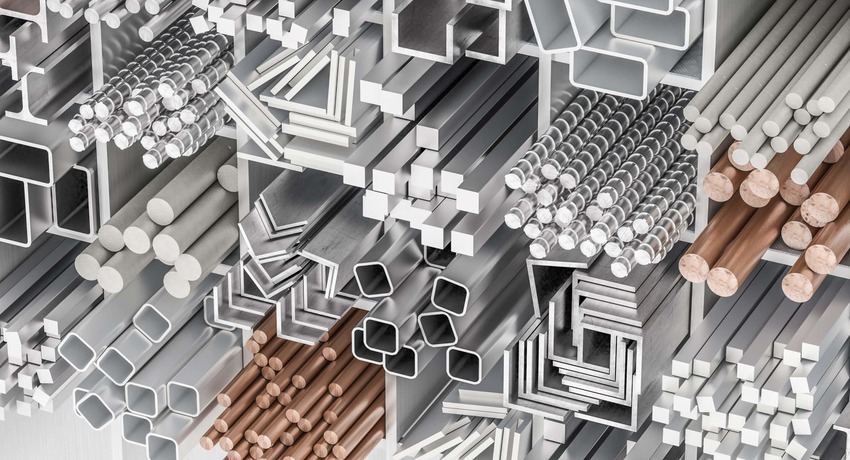
Verify material authenticity – Ensure that the material received matches the purchase order and design requirements.
Pinpoint root causes – If a part fails in the field, traceability enables rapid identification of the exact material batch and relevant mill data.
Maintain certifications – ISO 9001, IATF 16949, and AS9100 all require documented traceability systems for critical processes.
Pass audits – Customers and third-party auditors routinely request MTRs to confirm that each part was made from approved materials.
GreatLight Metal, with its ISO 9001:2015, IATF 16949, and ISO 13485 certifications, has built its entire quality management system around this principle. As stated in their own accreditation records, they “strictly adhere to ISO quality standards” and use “in-house precision measurement and testing equipment” to verify that all materials and parts meet specifications. This is not a checkbox exercise—it is a disciplined, daily operational practice.
Common Challenges with Raw Material Traceability in Custom Parts Manufacturing
Despite its importance, achieving reliable material traceability remains a significant pain point for many companies. Based on industry experience and the documented “seven critical pain points in CNC machining,” the following issues frequently undermine confidence:
Fake or altered mill certificates – Some suppliers produce counterfeit documents to pass off cheap, non-certified materials.
Lost chain of custody – Material changes hands multiple times before reaching the machine shop; one missing link breaks the entire traceability chain.
Inconsistent testing methods – Different mills use different test equipment or standards, causing discrepancies in reported values.
Time pressure – Rush orders often bypass proper material verification, leading to quality escapes.
Lack of in-house verification – Many small shops accept MTRs at face value without independent chemical or mechanical testing.
These challenges are not hypothetical. In a recent industry survey, over 30% of procurement professionals reported encountering material quality issues traceable to improper mill certificate management. The cost of such failures can be immense: scrap, rework, production delays, and in worst cases, product recalls.
How GreatLight Metal Ensures Full Traceability from Mill to Finished Part
GreatLight Metal (also known as GreatLight CNC Machining Factory) has developed a comprehensive material control process that addresses each of these pain points. Their approach is built on four integrated pillars: advanced equipment, authoritative certifications, a full-process chain, and deep engineering support.
1. Incoming Material Verification
Every incoming metal stock is checked against its mill certificate. GreatLight uses in-house spectrometers (OES) and hardness testers to validate chemical composition and mechanical properties. If a certificate is missing or data looks suspicious, the material is quarantined until the supplier provides an acceptable replacement.
2. Lot-Based Traceability System
Each heat number is recorded in their ERP system, linked to production orders. Cuts of material are physically marked with the heat number using laser engraving or paint markers, ensuring traceability even after machining.
3. Full-Process Chain Integration
Because GreatLight Metal offers a complete suite of services—precision CNC machining, die casting, sheet metal fabrication, 3D printing, and mold manufacturing—they control the material journey from raw stock to finished part. This eliminates the handover risks that plague multi-supplier arrangements.
4. Document Management and Audit Readiness
All mill certificates are digitized and archived. Customers can request a full traceability package at any time, including MTRs, in-process inspection reports, and final CMM data. This level of transparency is a direct result of their ISO 9001:2015 and IATF 16949 frameworks.
5. Independent Third-Party Testing (When Required)
For critical aerospace or medical applications, GreatLight can arrange independent laboratory testing (e.g., tensile, Charpy, corrosion) to provide additional validation beyond the mill certificate. This is especially valuable when the material’s final performance must be statistically verified.
The Value of Certifications in Building Trust
Certifications are not just badges—they are proof of a systematic commitment to quality. GreatLight Metal’s portfolio includes:
ISO 9001:2015 – The universal language of quality management.
ISO 13485 – For medical device components, where material integrity is a regulatory requirement.
IATF 16949 – Specifically for automotive parts, requiring rigorous supplier quality management.
ISO 27001 – For data security, protecting customer designs and traceability records.
These certifications embed traceability requirements directly into their operational DNA. As the trust document states, “This trust stems from systematic management systems, respect for industry norms, and unwavering commitment to client promises.”
Comparing Industry Practices: GreatLight Metal vs. Other Suppliers
To give a balanced perspective, let’s consider how GreatLight Metal’s approach to material traceability compares with other notable players in the precision manufacturing space.
| Company | Traceability Approach | Key Strengths | Potential Limitations |
|---|---|---|---|
| GreatLight Metal | Full in-house verification, lot-based tracking, multi-certifications | Complete process chain, large equipment fleet, deep engineering support | None significant for traceability |
| Protolabs | Digital quoting with material certificates for standard alloys | Fast turnaround, excellent automation | Limited to certain materials, less flexibility for custom traceability requirements |
| Xometry | Marketplace model; material certificates provided by network shops | Wide supplier network, instant quoting | Variability in traceability rigor depending on the actual machine shop |
| RapidDirect | Offers MTRs for common materials, on-demand manufacturing | Competitive pricing, quick delivery | Smaller facility, may not have full in-house verification testing |
| Fictiv | Focus on production parts; provides material certs for approved suppliers | Good for scaling production, quality checks | Less suited for complex or high-volume traceability projects |
| SendCutSend | Limited to laser-cut parts; material info available but not always full MTR | Fast, simple for flat parts | No CNC machining or complex component traceability |
GreatLight Metal stands out because it combines in-house material testing, a full manufacturing process chain, and multiple international certifications—all within a single facility. For clients demanding rigorous material traceability, this integration eliminates many of the risks associated with multi-vendor supply chains.
Choosing the Right Partner for Reliable Mill Certifications
For engineers and procurement professionals, selecting a CNC machining partner who treats material traceability with the seriousness it deserves is a critical decision. Here are key questions to ask any potential supplier:
Do you accept MTRs from any mill, or do you maintain an approved vendor list?
How do you verify material composition upon receipt?
What happens if a material lot fails in-process testing?
Can you provide a complete traceability report for each production order?
Are you certified to IATF 16949 or AS9100 for aerospace? (These require the most stringent traceability.)
GreatLight Metal answers all these questions with confidence. Their facility in Chang’an, Dongguan—China’s hardware and mould capital—is equipped with 127 pieces of precision peripheral equipment and staffed by 120–150 professionals. Their ability to process parts to ±0.001 mm and handle components up to 4000 mm is matched by their commitment to material integrity.
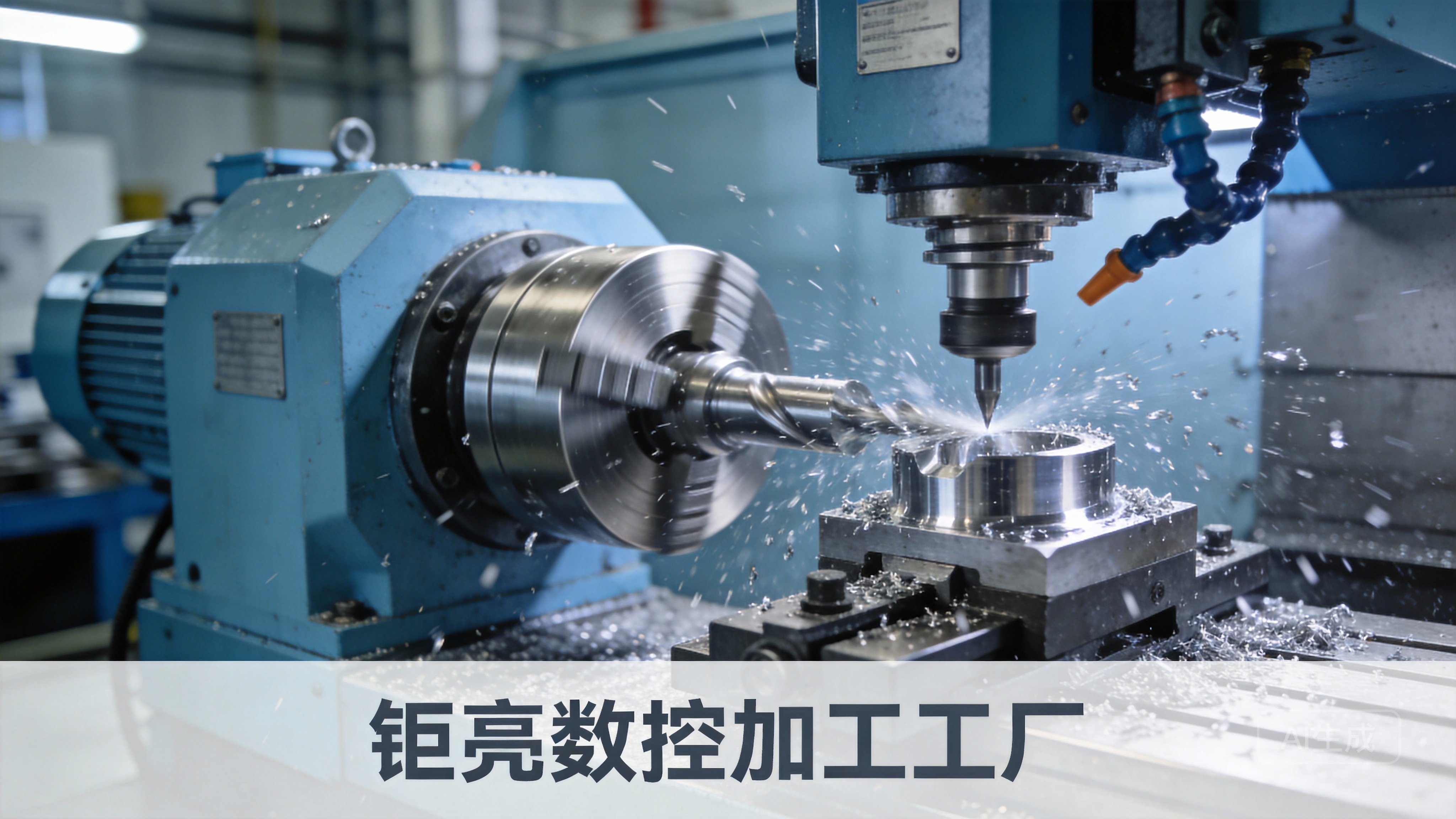
Ultimately, the integrity of your Mill Cert is the bedrock of your product’s reliability. Choosing a partner like GreatLight Metal ensures that every heat number is verified, every certificate is authentic, and every part is traceable from the furnace to your final application. In an era where precision and accountability are paramount, that peace of mind is invaluable.


![[访谈] RAPID + TCT 2024:人工智能对 3D 打印的价值](https://print-ing.com/wp-content/uploads/2024/07/INTERVIEW-60x60.jpeg "[访谈] RAPID + TCT 2024:人工智能对 3D 打印的价值 9")




发表回复
要发表评论,您必须先登录。