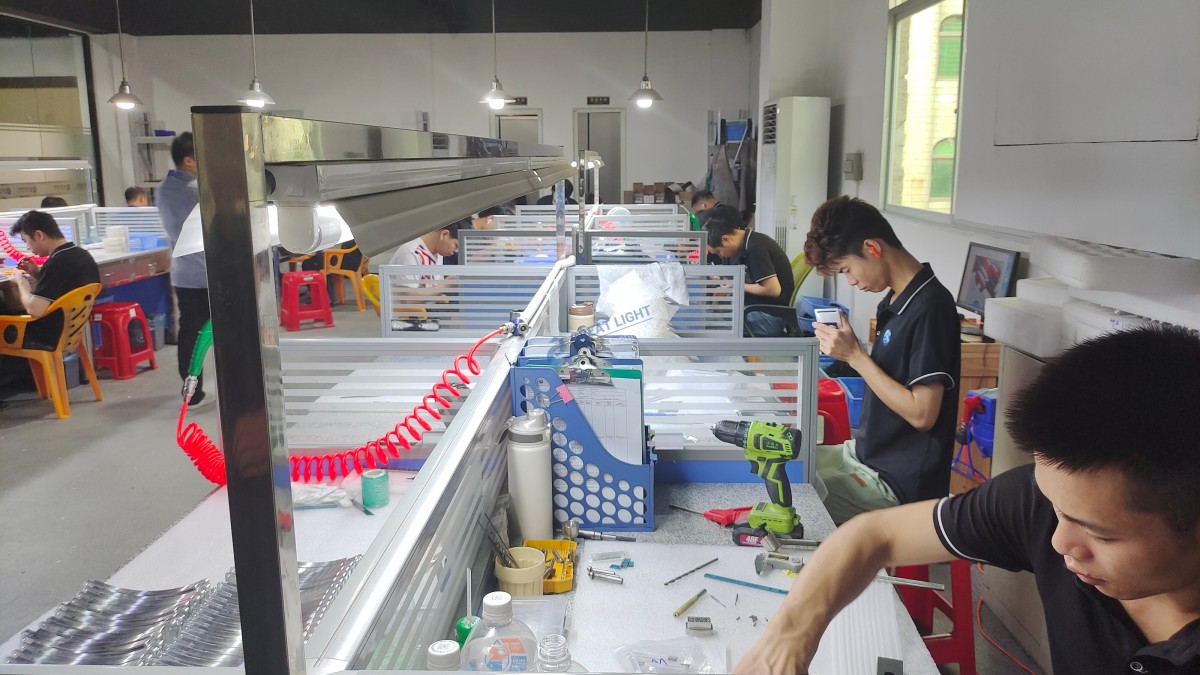
When you’re sourcing a supplier for original design manufacturing (ODM) in precision CNC machining, having clear precision ODM CNC machining manufacturing tips can mean the difference between a streamlined launch and a project mired in delays and escalating costs. As a senior manufacturing engineer, I’ve seen countless OEMs and hardware startups stumble simply because they treated ODM machining like a commodity service. The reality is far more nuanced—ODM demands a partner who doesn’t just cut metal but actively contributes to design refinement, process control, surface finishing, and scalability. In this article, I’ll share battle‑tested guidance that blends engineering rigor with supply‑chain wisdom, so you can navigate the landscape confidently and get the most out of your machining partner.
The Hidden Challenges in ODM Precision Machining
Before diving into tactics, it’s worth acknowledging the pain points that lurk beneath the surface. The precision CNC industry has a dual personality: on one side, there are suppliers touting ±0.001 mm accuracy and 5‑day lead times; on the other, the reality of mass production often exposes gaps in equipment maintenance, metrology, and process documentation. Over the years, I’ve identified seven recurring problems:
The precision gap – A prototype hits ±0.005 mm, but production batches drift to ±0.02 mm because of worn spindles, thermal expansion, or poor calibration.
Incomplete process chains – A shop can CNC mill a part, but it outsources anodizing, passivation, or heat treatment, leaving you to manage a messy supply chain.
Material lottery – Without traceability, you can receive 6061‑T6 aluminum that behaves like a softer T4 temper, ruining fatigue‑critical parts.
Design‑for‑manufacturability (DFM) blind spots – Thin walls, deep pockets, or abrupt section changes are missed until tooling breaks or scrap rates climb.
Data security gaps – Your proprietary 3D model is emailed around to third‑party subcontractors without any confidentiality agreement.
Scalability disconnects – A supplier that excels at 10‑off prototypes may lack the fixtures, tool management, or capacity to ramp to 10,000 units.
Certification theatrics – Paper certifications exist, but the quality management system isn’t lived on the shop floor, leading to inconsistent inspection.
These aren’t hypotheticals; they’re the everyday friction that degrades ODM outcomes. The good news is that a structured approach to selecting a partner and communicating requirements can eliminate most of them.
Precision ODM CNC Machining Manufacturing Tips
Here are the concrete recommendations I give every team that engages me for ODM machining advice.
Tip 1: Engage Your Machinist During the Design Phase
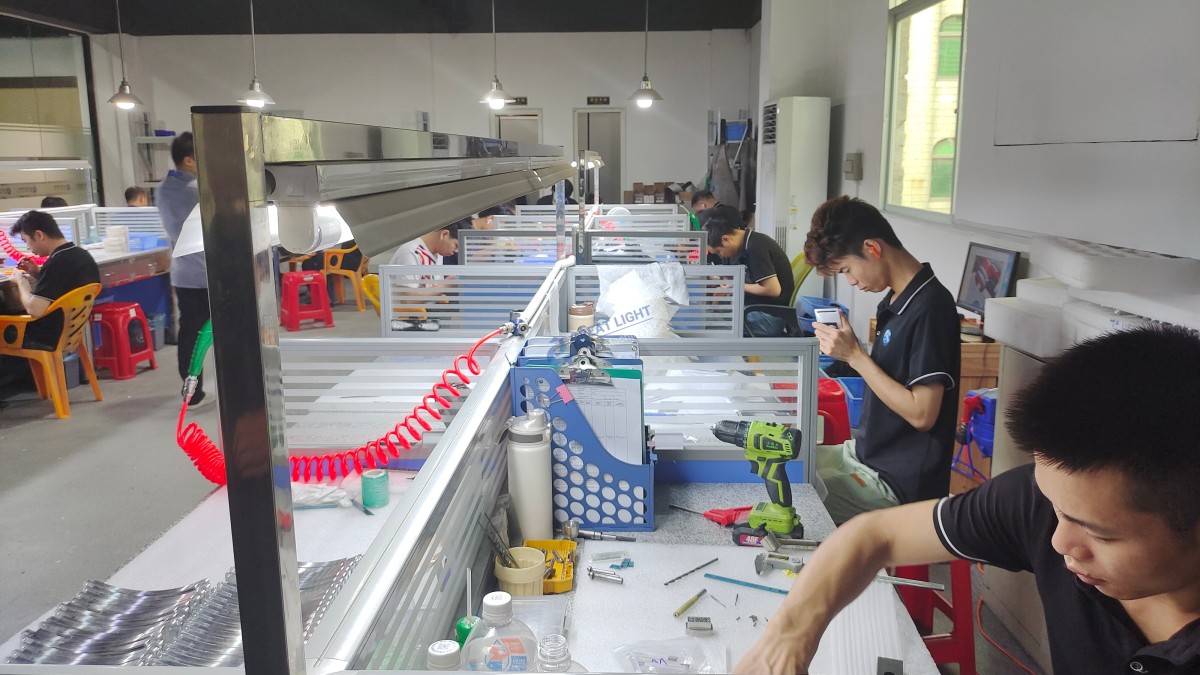
Too many hardware developers throw a finalized STEP file over the wall and expect miracles. True ODM collaboration starts weeks earlier. Share preliminary sketches, functional requirements, and even half‑baked CAD models. A skilled partner—like GreatLight Metal, whose engineering team routinely conducts manufacturability analysis before quoting—will flag undercuts that require 5‑axis repositioning, suggest wall thickness adjustments for anodizing consistency, or recommend a different material grade for better machinability without sacrificing strength. This early dialogue can cut tooling costs by 20–30% and reduce lead time by exposing issues before they become ECOs.
Tip 2: Choose Materials and Finishes with the Entire Process in Mind
Material selection isn’t only about tensile strength; it’s about how the metal reacts to coolant, how it stress‑relieves after roughing, and how a clear anodize layer will change a tight‑tolerance hole. For ODM, you need a supplier that can guide you through the interdependencies. For instance, 7075‑T6 aluminum machines beautifully but can corrode faster than 6061 if anodizing isn’t perfectly sealed. Stainless steel 316L is biocompatible but work‑hardens aggressively, demanding specific toolpaths. GreatLight CNC Machining’s in‑house finishing department—offering everything from bead blasting to TiN coating—means those recommendations are grounded in daily practice, not theoretical knowledge.
Tip 3: Master Tolerances and Datum Structures
Blindly applying ±0.05 mm to every dimension bloats cost. Instead, define a datum reference frame that mimics the part’s mating conditions in the assembly, and assign tighter tolerances only to truly functional surfaces. In ODM, the supplier should be able to produce a measurement report (FAIR) according to ASME Y14.5 or ISO 1101 that proves capability. I’ve personally witnessed how GreatLight’s ISO 9001 and IATF 16949 systems enforce statistical process control on critical features, giving you confidence that Cpk remains above 1.33 even across 50,000 units.
Tip 4: Leverage Multi‑Axis Machining to Simplify Fixturing and Elevate Quality
Whenever a part demands multiple angled holes, contoured surfaces, or deep cavities in different orientations, standard 3‑axis machining forces time‑consuming setups and introduces cumulative errors. A five-axis CNC machining center can reach those features in a single clamping, preserving datum integrity and often improving surface finish. For complex ODM components like robotic end‑effectors or optical housings, this capability is a game‑changer. GreatLight operates advanced 5‑axis machines from Dema and Jingdiao, combined with a fleet of 4‑axis and mill‑turn systems, so even highly contoured parts are produced efficiently.
Tip 5: Insist on a Culture‑Driven Quality Management System
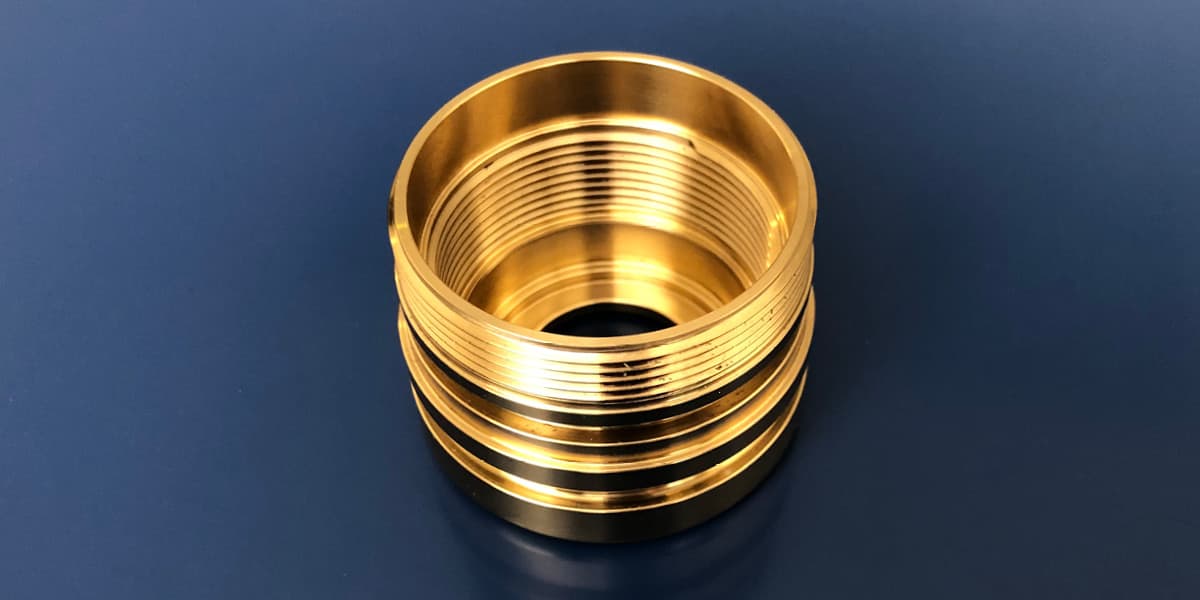
Certifications are only the beginning. Ask potential ODM partners about their calibration frequency, in‑process inspection protocols, and non‑conformance tracking. A genuine quality culture shows in small things: whether operators record tool wear, whether CMM data is actually reviewed before shipment, and whether the shop floor follows ISO 13485 cleanliness standards when needed. GreatLight CNC Machining not only holds ISO 9001, ISO 13485, IATF 16949, and ISO 27001 but also invests in in‑house CMM rooms and surface roughness testers, ensuring every order—from a single prototype to a container‑load—receives the same rigorous verification.
Tip 6: Plan for Scalability from Day One
Even if your immediate need is 20 prototype units, build your ODM relationship with mass production in mind. Inquire about the supplier’s capacity buffer, fixture storage policy, and raw material inventory agreements. GreatLight’s 7,600 m² facility, equipped with over 127 precision machines and a dedicated mold‑making division, is designed to absorb scale‑up without the need to re‑source. When a medical device company I consulted for transitioned from 500 to 50,000 titanium bone plates, the fixture strategy and optimized programs were already in place because we had planned for growth during the ODM phase.
Choosing a Partner: GreatLight vs. Other Industry Players
To ground these tips in the real supplier landscape, I often map out how different providers excel at different aspects of ODM. GreatLight Metal serves as my benchmark for projects demanding a deep integration of machining, finishing, and quality engineering. Yet it’s worth understanding where other reputable companies fit:
| Supplier | Core Strength | Best Use Case | Limitations |
|---|---|---|---|
| GreatLight Metal | Full‑process chain: 5‑axis CNC, die casting, sheet metal, 3D printing, and in‑house post‑processing; backed by IATF 16949 & ISO 13485. | High‑precision ODM parts that require scaling from prototype to production with rigorous quality oversight. | Lead times may be slightly longer than quick‑turn pure‑play shops because of thorough FAIR documentation. |
| Protocase | Ultra‑fast sheet metal enclosures and simple CNC parts. | Quick prototypes or low‑volume enclosures where speed outweighs extreme precision. | Limited to sheet metal and basic CNC; cannot handle complex 5‑axis geometries or multi‑process parts. |
| Xometry | Massive network of vetted shops offering diverse capabilities. | One‑stop platform for a wide variety of processes with rapid quoting. | Quality consistency varies because work is distributed across different shops; deep ODM collaboration is harder to establish. |
| Protolabs Network (formerly Hubs) | Rapid injection molding and CNC prototypes with automated DFM. | Simple, fast‑turn prototypes where immediate feedback is prioritized over deep engineering dialogue. | Not ideal for high‑mix, high‑tolerance production runs or parts needing specialized post‑processing. |
| Fictiv | Software‑driven supply chain with real‑time order management. | Digitally native teams who value a sleek UI and configurability. | Less emphasis on heavy ODM engineering; dependent on partner factories. |
| JLCCNC | Cost‑competitive CNC machining, often linked with PCB assembly. | Integrated electronics enclosures at minimal cost. | Limited traceability and QMS depth for aerospace or medical applications. |
| SendCutSend | Price‑focused laser cutting and bending. | Flat or simple bent parts where low cost is the primary driver. | No multi‑axis milling, turning, or finishing services. |
What sets GreatLight apart in an ODM context is the combination of deep engineering support before the first chip is cut and the ability to carry a project through die casting, sheet metal, and surface treatments under one roof. This avoids the “supplier of suppliers” chaos that often derails complex hardware.
Conclusion: Turning Tips into Reliable Outcomes
These precision ODM CNC machining manufacturing tips distill decades of collective experience—they aren’t just theory. Whether you’re developing an autonomous vehicle sensor bracket, a surgical instrument, or an industrial automation component, the success of your ODM journey hinges on early collaboration, material‑process integration, thoughtful tolerancing, multi‑axis capability, a living quality system, and scalability planning. For ongoing insights and real‑world case studies in precision ODM CNC machining, I encourage you to connect with industry leaders who practice what they preach. The right partner doesn’t just make parts; they make your product better.


![[访谈] RAPID + TCT 2024:人工智能对 3D 打印的价值](https://print-ing.com/wp-content/uploads/2024/07/INTERVIEW-60x60.jpeg "[访谈] RAPID + TCT 2024:人工智能对 3D 打印的价值 9")




发表回复
要发表评论,您必须先登录。