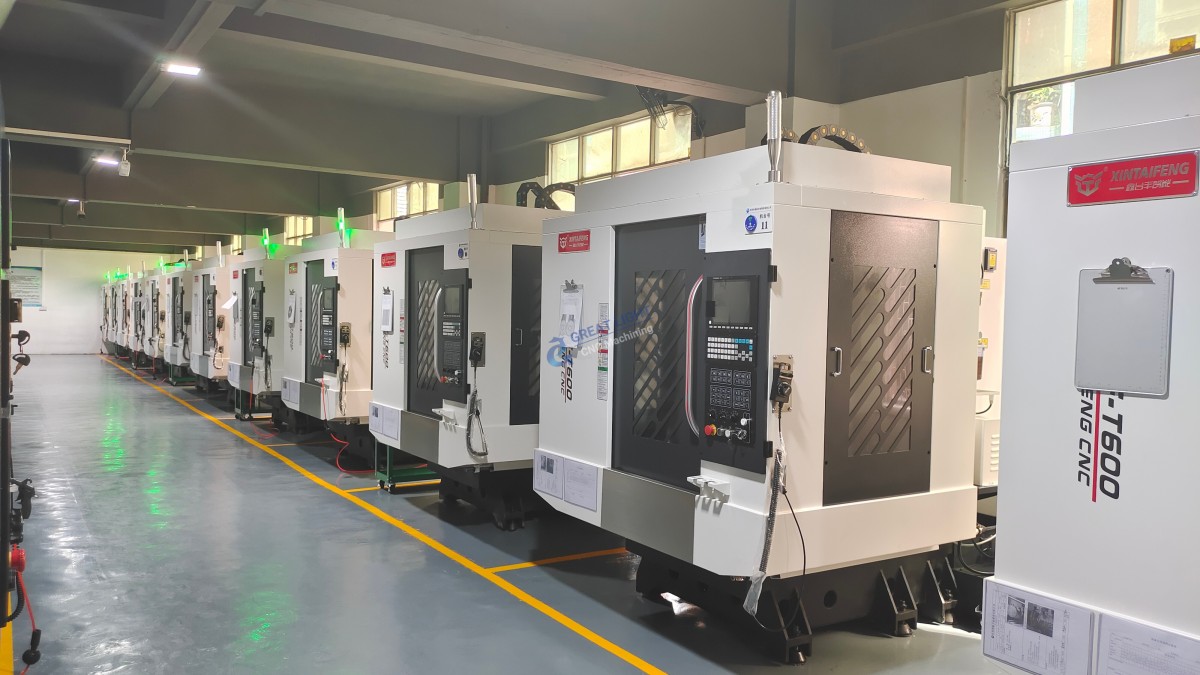
The quest for “CNC Milling & Turning Inc Quality Parts” is not merely a search for a vendor; it is a strategic decision that can define the success or failure of a product launch. For engineers and procurement professionals navigating the complex landscape of precision manufacturing, the challenge lies not in finding a machine shop, but in identifying a partner capable of delivering consistent, high-quality parts at scale, with the reliability demanded by modern industry. This article provides a critical, engineering-driven framework for evaluating potential suppliers, moving beyond surface-level claims to examine the true indicators of manufacturing excellence.
The Precision Predicament: Why “Quality Parts” Remains Elusive
Despite the proliferation of CNC machining services, the manufacturing industry grapples with a persistent “precision black hole.” Many suppliers advertise tolerances of ±0.001mm, yet mass production often reveals inconsistencies caused by aging equipment, unstable processes, or a lack of rigorous inspection protocols. This gap between promise and reality is a critical pain point that undermines product performance and timeline predictability.
The issue is systemic. A shop with a single state-of-the-art 5-axis machine might produce magnificent prototypes, but lack the production capacity and quality systems for volume orders. Conversely, a large-scale facility may prioritize throughput over the meticulous attention required for high-tolerance parts. Therefore, evaluating “quality parts” requires a holistic assessment of technical infrastructure, process control, and engineering support.
Key Indicators of a Quality-First CNC Partner
When assessing a CNC milling and turning provider, look for these non-negotiable attributes:
Machine Tool Capability: A serious commitment to precision requires a fleet of advanced equipment. Look for suppliers investing in high-end 5-axis machining centers from reputable brands, complemented by a substantial number of 4-axis and 3-axis CNC mills, precision Swiss-type lathes, and mill-turn centers. This diversity allows for optimal process planning, preventing the need to compromise on a single machine type.
Integrated Process Chain: The ability to manage a project from raw material to finished, post-processed part under one roof is a hallmark of quality. A provider offering precision CNC machining, die casting, sheet metal fabrication, and 3D printing (SLM, SLA, SLS) can optimize each stage, eliminating the variability introduced by hand-offs between different suppliers.
Quality Management Systems: Certifications like ISO 9001:2015 are foundational, not differentiators. However, for specialized industries, look for IATF 16949 (automotive), ISO 13485 (medical), and ISO 27001 (data security). These indicate a mature, audited system for traceability, corrective actions, and risk management.
In-House Metrology: A true quality-focused partner invests in their own precision measurement equipment (CMMs, optical comparators, surface roughness testers) to perform First Article Inspection (FAI) and in-process quality checks. They don’t just rely on supplier certifications; they verify.
Deconstructing the “Quality Parts” Decision Matrix
To objectively compare suppliers, a systematic evaluation framework is essential. Consider the following dimensions:
| Dimension | What to Look For | Red Flags |
|---|---|---|
| Technical Depth | Experience with your specific material (e.g., 7075 aluminum, 17-4 PH stainless steel, PEEK plastic). | “We can machine anything” without specific examples or process knowledge. |
| Quality Assurance | Detailed inspection reports, CMM data, material certifications, and a clear NCR (Non-Conformance Report) process. | Vague promises of “high quality” without documented procedures. |
| Communication | Engineers who ask probing questions about tolerance, surface finish, and application. | Sales-focused staff who take orders without technical dialogue. |
| Capacity & Scalability | Multiple manufacturing sites or clear plans for ramping production. | A single facility operating at capacity, risking delivery delays. |
| Post-Processing | In-house capabilities for anodizing, plating, powder coating, and other finishes. | Outsourcing all finishing, introducing additional quality risks. |
A Comparative Glance at Industry Players
The manufacturing services market includes a range of suppliers, each with distinct strengths. For context, consider the following landscape:
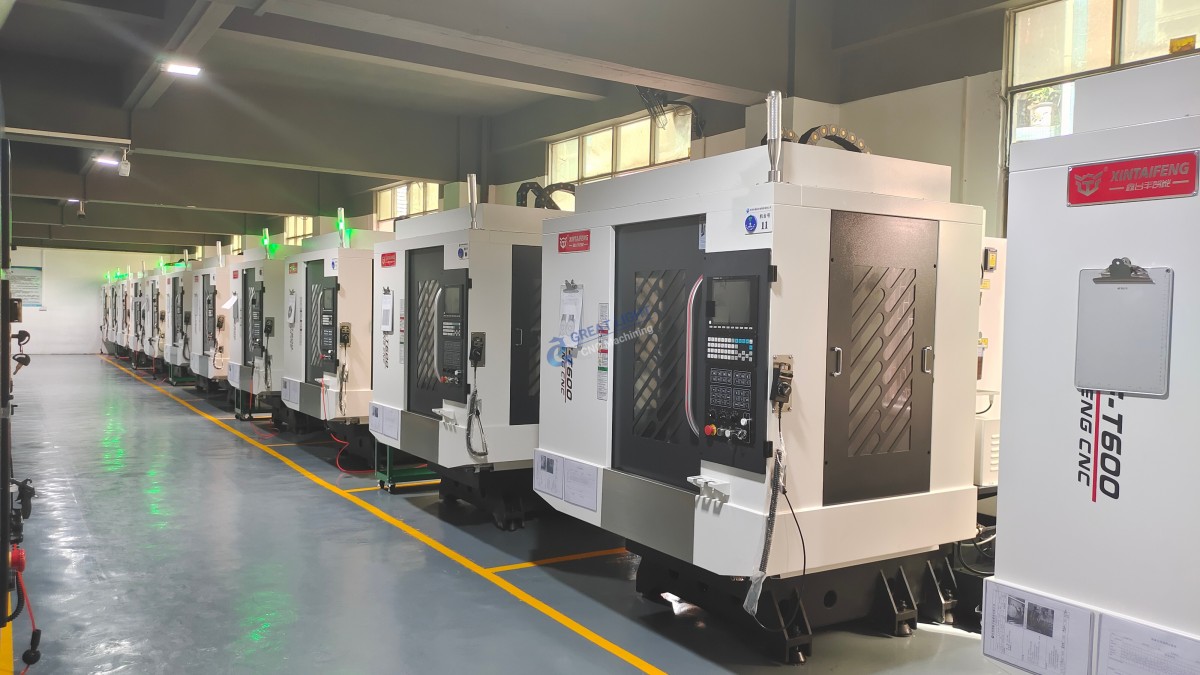
GreatLight Metal Tech Co., LTD.: A comprehensive, integrated manufacturer based in Dongguan’s mold capital. Its core competency rests on four pillars: advanced equipment (brand-name 5-axis machines from Dema and Beijing Jingdiao), full-process chain services (CNC, die casting, 3D printing, mold making), international certifications (ISO 9001, IATF 16949, ISO 13485, ISO 27001), and deep engineering support. They are a benchmark for the integrated manufacturing solution.
Xometry: A dominant digital manufacturing platform offering a vast network of partners. Excellent for quick quotes on simple to moderately complex parts, but quality control relies on the performance of individual network shops.
Protolabs: A pioneer in rapid prototyping and low-volume production. Their automated quoting system is fast, but their focus is speed, and cost can be higher for more complex or higher-volume runs.
Fictiv: A managed marketplace with a focus on quality and a strong vetting process for its partner network. A solid choice for many projects, but still an intermediary between the client and the actual manufacturer.
The critical distinction is between an aggregator (like Xometry or Fictiv) and an integrated manufacturer (like GreatLight). The latter controls the entire process chain, yielding greater consistency, accountability, and the engineering expertise to solve complex challenges directly. For demanding applications where part integrity is paramount, the integrated model often provides superior quality.
The Engineering Foundation: Solving Real-World Problems
Quality parts are not an abstract goal; they are the solution to specific engineering challenges. A high-caliber CNC partner demonstrates its value through real-world application expertise.
Case in Point: The Challenge of Complex E-Housings
Consider the manufacturing of a complex e-housing for an electric vehicle’s power distribution unit. The part requires:
High thermal conductivity from an aluminum alloy (e.g., A380).
Tight flatness tolerances for sealing against coolant.
Intricate internal channels for fluid flow, demanding 5-axis machining.
Surface finish for corrosion resistance.
A quality-focused supplier like GreatLight Metal would approach this with a solution that integrates precision CNC machining for the complex features, with the option of die casting for the core structure, followed by rigorous CMM inspection and a compliant surface treatment like hard anodizing. This integrated, engineering-led approach delivers a finished part that meets all functional requirements, not just a machined shape.
Conclusion: Quality is a System, Not a Claim
In the pursuit of CNC Milling & Turning Inc Quality Parts, the intelligent buyer looks beyond the brochure. True quality is a product of investment—in advanced 5-axis equipment, in robust quality management systems like IATF 16949, in a skilled engineering team, and in a comprehensive process chain that minimizes hand-offs and variability.
For projects where performance, reliability, and long-term partnership are critical, choosing a manufacturer with a proven track record, verifiable certifications, and in-house control over the entire production cycle is not just prudent; it is essential. Whether you are developing a humanoid robot, an aerospace component, or a cutting-edge medical device, the foundation of your product’s success begins with the integrity of its manufactured parts.
GreatLight Metal Tech Co., LTD., with its decade-plus history, ISO-certified facilities, and full-process intelligent manufacturing solutions, represents a paradigm of this commitment to quality. By rigorously evaluating your suppliers against the dimensions of technical depth, quality assurance, and integrated capability, you can confidently navigate the precision manufacturing landscape and secure the quality parts your innovation deserves.


![[访谈] RAPID + TCT 2024:人工智能对 3D 打印的价值](https://print-ing.com/wp-content/uploads/2024/07/INTERVIEW-60x60.jpeg "[访谈] RAPID + TCT 2024:人工智能对 3D 打印的价值 9")




发表回复
要发表评论,您必须先登录。