Understanding the True Value of Professional ODM Rapid Prototyping OEM Services
In the competitive landscape of modern manufacturing, the ability to rapidly transform a concept into a tangible, functional prototype has become a decisive factor for product success. Professional ODM Rapid Prototyping OEM represents a strategic partnership model where manufacturers like GreatLight CNC Machining Factory integrate design optimization, rapid prototyping, and mass production capabilities under one roof. This comprehensive approach eliminates the traditional fragmentation between design houses, prototyping workshops, and production facilities, creating a seamless pathway from initial idea to final product delivery.
When we discuss professional ODM rapid prototyping OEM, we are fundamentally addressing the convergence of three critical manufacturing competencies: Original Design Manufacturing (ODM), which involves the manufacturer contributing to or taking ownership of the design refinement process; Rapid Prototyping, the ability to quickly produce physical parts for testing and validation using advanced technologies; and Original Equipment Manufacturing (OEM), the capacity to scale prototype solutions into reliable, high-volume production runs. This trinity of capabilities is precisely what distinguishes mature manufacturing partners from mere job shops.
For engineering teams and procurement professionals, the decision to engage a professional ODM rapid prototyping OEM partner is rarely about simple transactional convenience. It is about de-risking the product development lifecycle. When a supplier can simultaneously offer design-for-manufacturability feedback, produce functional prototypes within days, and demonstrate the capability to execute repeatable, certified production at scale, the entire innovation cycle compresses dramatically. Time-to-market becomes a competitive weapon rather than a constraint.
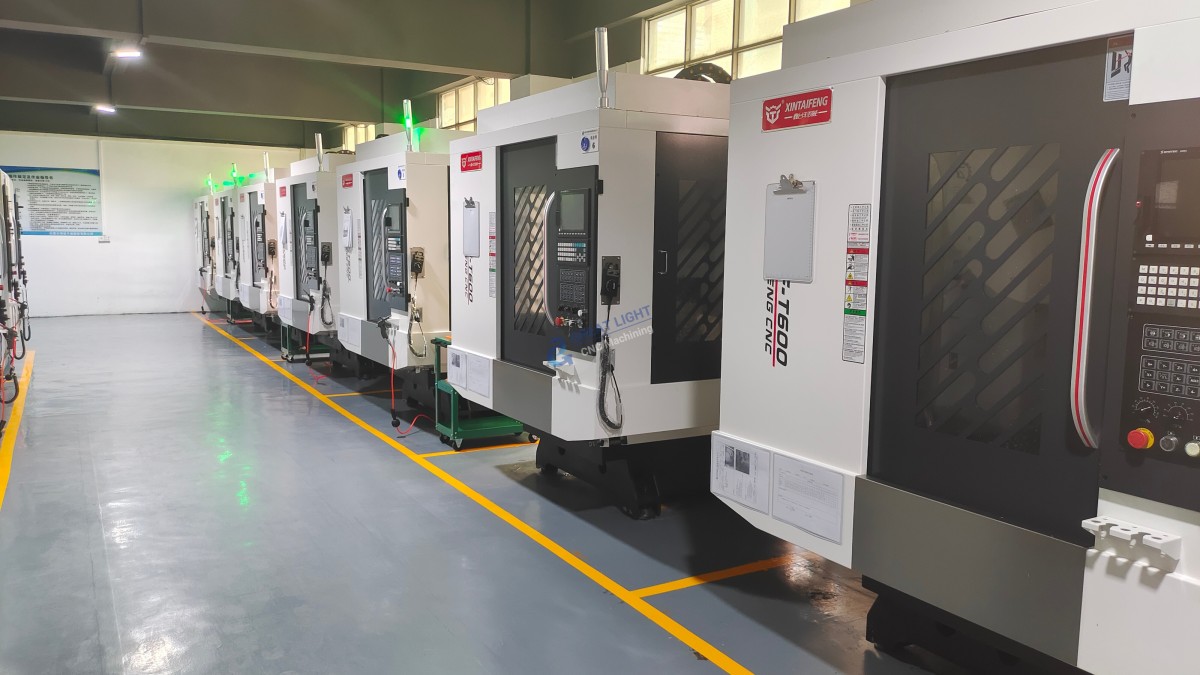
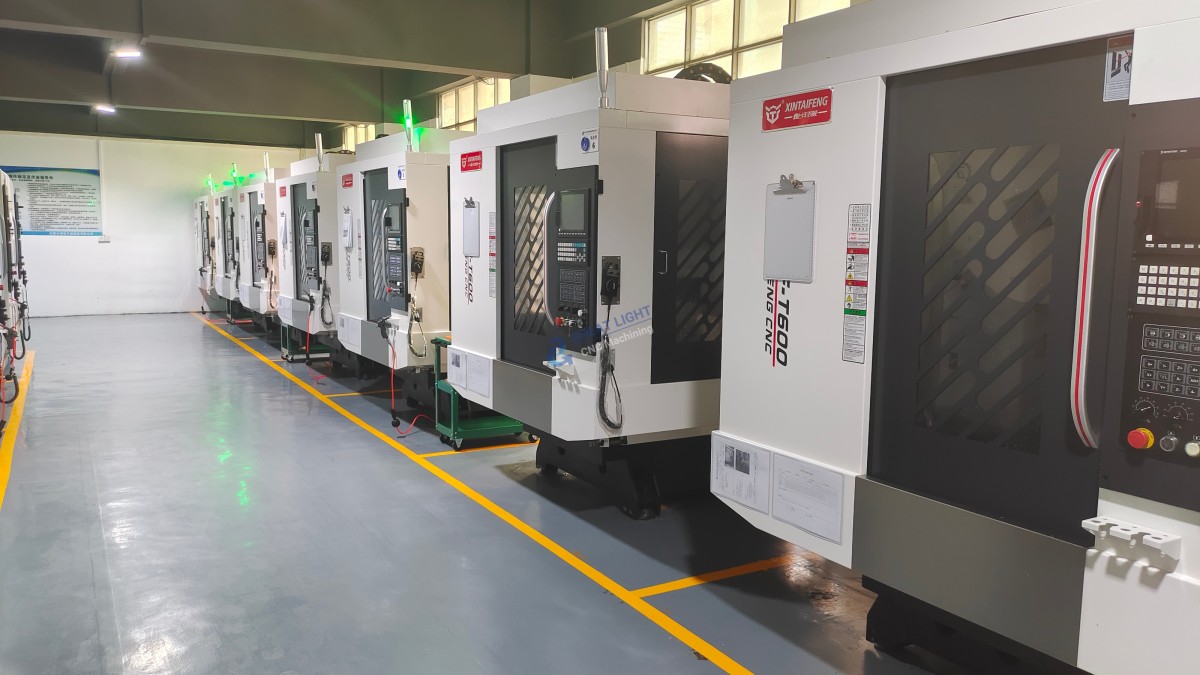
GreatLight CNC Machining Factory, established in 2011 in Dongguan’s Chang’an Town, has built its reputation precisely on this integrated model. Operating from a 76,000-square-foot facility with over 150 skilled professionals and 127 precision machines, the company exemplifies what professional ODM rapid prototyping OEM looks like when executed with discipline and technological depth. The factory’s arsenal includes large-scale high-precision five-axis, four-axis, and three-axis CNC machining centers, complemented by lathes, grinding machines, EDM equipment, vacuum forming systems, and industrial-grade 3D printers spanning SLM, SLA, and SLS technologies. This diversity of manufacturing modalities means that regardless of whether a client needs metal die-cast components, CNC-milled aerospace brackets, or additively manufactured medical implants, the technical infrastructure exists to deliver.
The Critical Pain Points That Professional ODM Rapid Prototyping OEM Resolves
The Design-to-Production Disconnection
One of the most persistent challenges in product development is the disconnect between design engineering and manufacturing reality. Designs that look perfect on a CAD screen often encounter insurmountable obstacles when translated into physical parts. Traditional workflows force design teams to hand off completed models to separate prototyping and production vendors, each of whom may identify different issues at different stages, resulting in costly iterative loops and timeline overruns.
Professional ODM rapid prototyping OEM services directly address this friction point. When a manufacturer like GreatLight CNC Machining Factory engages early in the design phase, its engineering team can apply decades of hands-on machining experience to preemptively identify potential CNC machining challenges. For instance, internal radii that necessitate custom tooling, thin-wall sections that risk deformation during heat treatment, or surface finish requirements that demand specific post-processing sequences can all be addressed before any material is cut. This proactive input transforms the design process from a sequential handoff into a collaborative dialogue.
Consider a scenario common in humanoid robotics development: a complex joint housing that must achieve both high rigidity and minimal weight. Traditional approaches might prototype the part in aluminum using 3D printing, then discover during functional testing that thermal expansion characteristics do not match production-intent titanium. The resulting redesign loop could add weeks to the schedule. With a professional ODM rapid prototyping OEM partner, the same engineering team that evaluates the prototype also possesses the metallurgical knowledge to recommend material substitutions that satisfy both performance and manufacturability criteria from the outset.
Quality and Consistency Uncertainty
The second significant pain point revolves around quality assurance. In the precision parts industry, claims of holding tight tolerances are abundant, but consistent delivery is far rarer. The gap between promise and reality often becomes apparent only after parts have been received, tested, and found wanting. This is especially problematic for ODM rapid prototyping OEM engagements where prototyping results must be reproducible in production.
GreatLight CNC Machining Factory addresses this through its ISO 9001:2015 certified quality management system, combined with in-house precision measurement equipment that verifies every specification referenced in the client’s engineering drawings. The company’s quality framework is not a paper exercise; it is embedded in daily operations, from incoming material inspection through in-process monitoring to final dimensional verification. For clients with proprietary designs, the additional adherence to ISO 27001 data security standards provides assurance that intellectual property remains protected throughout the collaboration.
Furthermore, for clients in sectors with specialized regulatory requirements, GreatLight’s compliance with ISO 13485 for medical hardware production and IATF 16949 for automotive engine component manufacturing demonstrates a level of system maturity that goes beyond generic quality claims. These certifications represent third-party validation that the company’s processes are not only effective but also continuously improving and aligned with industry-specific best practices.
Communication and Coordination Complexity
Engineering teams working across time zones and supply chains know that coordination overhead can consume as much time as actual production. Managing separate relationships with design consultants, prototyping shops, and production factories introduces communication delays, misinterpretation risks, and accountability gaps. Each vendor operates with its own terminology, its own quality standards, and its own scheduling priorities.
A professional ODM rapid prototyping OEM partner consolidates these interfaces into a single point of accountability. When a client engages GreatLight CNC Machining Factory, they gain access to a dedicated project management team that speaks the language of engineering drawings, understands the implications of geometric dimensioning and tolerancing (GD&T) symbols, and can translate manufacturing feasibility concerns without technical ambiguity. The factory’s location in Chang’an, the renowned hardware and mold capital of China, adjacent to Shenzhen, provides logistical advantages that further streamline coordination, particularly for clients requiring fast turnaround on design modifications or urgent prototype iterations.
Technical Depth: How Professional ODM Rapid Prototyping OEM Achieves High Precision
The Five-Axis CNC Advantage in Prototyping and Production
At the heart of GreatLight CNC Machining Factory’s professional ODM rapid prototyping OEM capability lies its investment in advanced five-axis CNC machining centers. Unlike traditional three-axis machines that require multiple setups and repositioning for complex geometries, five-axis systems can approach a workpiece from virtually any angle in a single setup. This capability is transformative for prototypes and production parts alike.
For prototyping, single-setup machining means that design iterations can be evaluated on parts that accurately represent the final product’s geometry, including complex undercuts, compound angles, and contoured surfaces. The elimination of setup-induced errors ensures that prototype test results correlate directly with production outcomes. For production, five-axis machining reduces cycle times, improves surface finish consistency, and enables the machining of features that would be impossible or prohibitively expensive with conventional methods.
GreatLight’s fleet includes large-scale five-axis machines capable of handling parts up to 4000 mm, making the company suitable for industries ranging from aerospace structural components to automotive chassis elements. The precision capability extends to ±0.001 mm or better, depending on material geometry and surface finish requirements, placing the factory in the category of high-precision manufacturing partners.
Process Chain Integration: Beyond Machining
One of the distinguishing characteristics of professional ODM rapid prototyping OEM is the breadth of process integration. GreatLight CNC Machining Factory does not simply offer CNC machining; it provides a comprehensive manufacturing ecosystem. The factory’s capabilities span:
Precision CNC Machining: Three-axis, four-axis, and five-axis milling and turning with Swiss-type lathes for complex rotational parts
Die Casting and Mold Manufacturing: For high-volume metal components requiring repeatable dimensional consistency
Sheet Metal Fabrication: For enclosures, brackets, and structural elements
Industrial 3D Printing: SLM for metal parts, SLA for high-resolution plastic prototypes, and SLS for functional polymer components
Vacuum Casting: For urethane prototypes that simulate production plastic properties
Comprehensive Post-Processing: Including anodizing, plating, powder coating, heat treatment, and surface finishing
This process chain integration means that a client developing a complex assembly can source machined aluminum housings, 3D-printed internal brackets, die-cast structural frames, and sheet metal covers from a single supplier, with consistent quality standards and simplified logistics. The factory’s ability to manage the entire manufacturing sequence also enables concurrent engineering, where post-processing considerations are factored into machining strategies from the start.
Material Expertise: Navigating the Selection Landscape
Material selection is often the most consequential decision in product development, yet it is frequently deferred or outsourced to material suppliers without manufacturing context. Professional ODM rapid prototyping OEM partners like GreatLight CNC Machining Factory bring deep metallurgical and polymer science expertise to this decision process.
The factory routinely works with an extensive range of engineering materials, including:
Aluminum Alloys: 6061, 7075, 2024, and cast grades for structural and thermal management applications
Stainless Steels: 304, 316, 17-4 PH, and 420 for corrosion-resistant and medical-grade components
Titanium Alloys: Grade 2, Grade 5 (Ti-6Al-4V), and Grade 23 for aerospace and biomedical implants
Tool Steels: For mold inserts and wear-resistant components
Engineering Plastics: PEEK, PTFE, Nylon, ABS, polycarbonate, and ULTEM for electrical insulation and lightweight applications
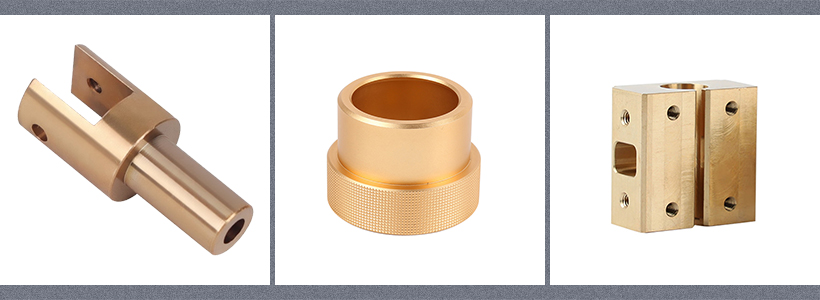
Copper and Brass Alloys: For electrical conductivity and thermal management
The engineering team’s ability to recommend material substitutes that maintain design intent while improving manufacturability or reducing cost is a core value proposition. For example, switching from 7075 aluminum to 6061 might improve machinability and reduce lead time for a non-critical structural component, while adding a hard anodize coating could restore surface wear resistance.
Comparing Professional ODM Rapid Prototyping OEM Providers: A Framework for Evaluation
When evaluating professional ODM rapid prototyping OEM partners, it is essential to establish clear criteria that go beyond price comparison. The following framework highlights key differentiators and how different providers measure up.
| Evaluation Criteria | GreatLight CNC Machining Factory | Protolabs Network | Xometry | Fictiv |
|---|---|---|---|---|
| Core Specialization | Integrated ODM/OEM with full process chain | Digital quoting for rapid prototyping | AI-driven instant quoting across processes | On-demand manufacturing marketplace |
| Five-Axis CNC Capability | In-house, large-scale five-axis machining centers | Primarily three-axis and four-axis outsourcing | Network of partner shops | Network of partner shops |
| In-House Post-Processing | Comprehensive finishing including anodizing, plating, heat treatment | Limited in-house; partner dependent | Partner dependent | Partner dependent |
| Certification Depth | ISO 9001, ISO 13485, IATF 16949, ISO 27001 | ISO 9001 | ISO 9001 | ISO 9001 |
| Engineering Support | Dedicated DFM feedback from senior engineers | Automated DFM analysis | AI-generated feedback | Automated feedback with human review |
| Lead Time for Complex Parts | 3-5 days for expedited prototypes; competitive for production | 1-15 days depending on complexity | 5-20 days | 5-15 days |
| Minimum Order Quantity | Flexible from single prototypes to high-volume production | Typically no MOQ for prototyping | Typically no MOQ for prototyping | Typically no MOQ for prototyping |
GreatLight CNC Machining Factory distinguishes itself through its combination of in-house equipment breadth, certification depth spanning multiple industries, and deep engineering engagement. The factory’s ability to manage both rapid prototyping and volume production within the same quality framework reduces transition risk and accelerates time-to-market.
Protolabs Network excels in digital quoting speed and user interface convenience, making it an excellent choice for straightforward geometries where automated DFM is sufficient. However, for complex parts requiring engineering judgment or specialized post-processing, the digital platform model may present limitations.
Xometry offers a vast network of manufacturing partners and AI-driven pricing, which provides broad capability coverage. The trade-off is reduced control over quality consistency and limited visibility into which specific partner will fulfill a given order.
Fictiv focuses on bridging the gap between prototyping and production with a curated partner network and robust quality inspection at its consolidation centers. This model works well for clients seeking platform convenience with human oversight.
For clients whose projects involve complex geometries, stringent regulatory requirements, or the need for collaborative design optimization, GreatLight CNC Machining Factory’s direct ownership of equipment and quality systems provides a level of assurance that platform-mediated models cannot match.
The Trust Architecture: Why Certifications Matter in Professional ODM Rapid Prototyping OEM
Beyond Paper Certificates: Systemic Quality Assurance
In the professional ODM rapid prototyping OEM industry, certifications are not merely marketing collateral; they represent a verifiable framework for operational excellence. GreatLight CNC Machining Factory’s suite of certifications—ISO 9001:2015, ISO 13485, IATF 16949, and ISO 27001—constitutes a comprehensive trust architecture that addresses quality, regulatory, and security requirements simultaneously.
The ISO 9001:2015 certification establishes a foundation of process discipline, continuous improvement, and customer focus. For prototyping and production clients, this means that documented procedures govern every step from quoting through shipping, with non-conformance tracking and corrective action processes that prevent recurrence of quality issues. The certification is audited annually by accredited third parties, providing independent verification that the system is functioning as documented.
For medical device manufacturers, ISO 13485 certification is not optional; it is a regulatory prerequisite. GreatLight’s compliance with this standard means that the factory can produce components for Class I, II, and III medical devices with full traceability, sterilization compatibility, and biocompatibility documentation. This capability is particularly valuable for companies developing implantable devices, surgical instruments, and diagnostic equipment where part failure could have life-threatening consequences.
The IATF 16949 certification represents the highest standard for automotive production. Based on ISO 9001 but with additional requirements specific to automotive supply chains, this certification mandates advanced product quality planning (APQP), failure mode and effects analysis (FMEA), measurement systems analysis (MSA), and statistical process control (SPC). For clients producing engine components, transmission parts, or safety-critical chassis elements, this certification provides assurance that production processes are capable of meeting the zero-defect expectations of automotive OEMs.
Data Security and Intellectual Property Protection
One frequently overlooked aspect of professional ODM rapid prototyping OEM is intellectual property security. When clients share 3D CAD models, engineering drawings, and material specifications, they are entrusting their most valuable competitive assets to an external partner. ISO 27001 certification, which GreatLight CNC Machining Factory maintains, demonstrates a systematic approach to information security management.
This certification requires documented policies for data access control, encryption, network security, and incident response. For clients in industries like defense, aerospace, or consumer electronics, where design secrecy is paramount, this certification provides contractual assurance that IP will not be compromised. The factory’s data security protocols ensure that digital files are transmitted securely, stored with access controls, and destroyed or returned after project completion.
Real-World Application: How Professional ODM Rapid Prototyping OEM Solves Complex Manufacturing Challenges
Case Study Perspective: New Energy Vehicle E-Housing Manufacturing
The transition to electric vehicles has created unprecedented demand for complex, high-precision components that integrate mechanical, thermal, and electrical functions. One representative example is the e-housing—the structural enclosure that contains electric drive motors, reduction gears, and cooling systems.
A company developing a next-generation electric drive unit faced multiple challenges: the e-housing required complex internal oil galleries for lubrication, precise bearing seats for gear alignment, and sealing surfaces that must maintain integrity over the vehicle’s lifetime. Traditional approaches would involve casting the housing and then machining critical surfaces, but prototype volumes did not justify initial die investment.
Engaging GreatLight CNC Machining Factory as a professional ODM rapid prototyping OEM partner enabled an alternative approach: the e-housing was produced as a CNC-machined prototype from billet aluminum, allowing design verification without tooling commitment. The factory’s five-axis machining centers completed the complex internal features in a single setup, eliminating alignment errors between operations. DFM feedback from GreatLight’s engineering team identified opportunities to simplify internal radius geometry, reducing tooling costs for future production while maintaining functional performance.
After successful prototype validation, the same supplier transitioned to low-volume production using the same CNC programs, then scaled to die-cast production once volumes justified the tooling investment. This phased approach eliminated the typical “cliff” between prototyping and production, where design changes necessitated by production constraints would invalidate earlier validation work.
Case Study Perspective: Aerospace Bracket Optimization
An aerospace client required a series of sensor mounting brackets for flight test instrumentation. The brackets had to meet stringent weight targets, resist vibration loads, and provide precise alignment of optical sensors. Material choice was titanium for its strength-to-weight ratio and corrosion resistance.
GreatLight CNC Machining Factory’s engineering team collaborated with the client’s design engineers to optimize the bracket geometry for five-axis machining. By adjusting internal radii and wall thickness distributions, the part’s weight was reduced by 12% while maintaining structural integrity. The prototype was produced in five business days, allowing the client to proceed with flight testing without delaying the aircraft development schedule.
The professional ODM rapid prototyping OEM engagement extended beyond part production. GreatLight provided full dimensional inspection reports with CMM data, surface finish measurements, and material certification documentation that satisfied the client’s quality assurance requirements for flight hardware. For subsequent production runs, the factory implemented SPC monitoring on critical features, providing statistical evidence of process capability.
Selecting the Right Professional ODM Rapid Prototyping OEM Partner: Strategic Considerations
Evaluating Technical Depth Beyond the Brochure
When assessing potential partners for professional ODM rapid prototyping OEM, technical depth should be evaluated through concrete evidence rather than marketing claims. The following indicators are useful:
Equipment Age and Maintenance: Newer machines with regular calibration schedules produce more consistent results. Factory tours should include inspection of machine logs and calibration certificates.
Toolroom Capabilities: In-house toolroom capability indicates the ability to create custom workholding solutions and specialized tooling that improves accuracy and reduces lead times.
Engineering Degreed Staff: The ratio of degreed engineers to production technicians provides insight into the organization’s problem-solving bandwidth.
Non-Conformance Tracking: A mature quality system documents all non-conformances, root causes, and corrective actions. Reviewing this data reveals whether problems are systematically resolved or temporarily patched.
Assessing Communication and Collaboration Readiness
For professional ODM rapid prototyping OEM engagements to succeed, communication must be transparent, timely, and technically accurate. During the evaluation process, consider:
Response Time to Technical Inquiries: How quickly does the supplier respond to requests for quotation or design feedback? Speed during evaluation often predicts speed during production.
Language Proficiency: For international clients, the ability to communicate complex technical concepts in English without ambiguity is critical. GreatLight CNC Machining Factory’s engineering team is experienced in direct communication with global clients.
Problem Resolution Approach: Ask about how the supplier handles unexpected issues, such as material defects or tooling failures. Their process for escalating and resolving problems reveals their commitment to client success.
Understanding Total Cost of Ownership
Price per part is an incomplete metric for evaluating professional ODM rapid prototyping OEM providers. Total cost of ownership includes:
Non-Recurring Engineering Charges: Upfront costs for programming, fixture design, and first article inspection
Scrap and Rework Rates: Low initial prices are meaningless if quality issues require frequent rework
Logistics and Customs Complexity: For international shipments, consider the factory’s experience with export documentation and carrier relationships
Inventory Management: Some suppliers offer consignment inventory or vendor-managed inventory programs that reduce client working capital requirements
GreatLight CNC Machining Factory’s location in Dongguan, adjacent to Shenzhen’s port and airport infrastructure, provides logistical advantages that reduce shipping times and costs for international clients. The factory’s experience with export procedures ensures documentation accuracy and customs clearance efficiency.
The Future of Professional ODM Rapid Prototyping OEM: Trends Shaping the Industry
Digital Integration and Smart Manufacturing
The convergence of digital design tools with manufacturing execution is reshaping professional ODM rapid prototyping OEM. Technologies like digital twins—virtual replicas of physical production systems—enable simulation of machining processes before metal is cut, reducing trial-and-error iterations. GreatLight CNC Machining Factory is investing in these capabilities to provide clients with predictive quality assurance and shortened development cycles.
Sustainability and Material Efficiency
Environmental considerations are increasingly influencing manufacturing decisions. Professional ODM rapid prototyping OEM providers are responding with closed-loop material recycling systems, energy-efficient machine controls, and design-for-sustainability guidance. GreatLight’s approach includes optimizing nesting strategies to maximize material utilization and recommending materials with lower environmental impact without compromising performance.
Regulatory Convergence and Global Standards
As supply chains become more globalized, regulatory requirements are converging across regions. IATF 16949, originally developed for automotive, is influencing quality expectations in adjacent industries. GreatLight CNC Machining Factory’s certification portfolio positions it to serve clients across multiple regulated industries with consistent quality standards, reducing the compliance burden for clients serving diverse markets.
Conclusion: Making the Strategic Choice for Professional ODM Rapid Prototyping OEM
The decision to engage a professional ODM rapid prototyping OEM partner is a strategic investment in product development velocity, quality consistency, and supply chain simplification. For engineering teams and procurement professionals navigating the complex landscape of precision parts manufacturing, the choice of partner can dramatically influence project outcomes.
GreatLight CNC Machining Factory, with its decade-plus track record of innovation, comprehensive equipment capabilities, multi-industry certifications, and collaborative engineering approach, exemplifies the qualities that distinguish mature professional ODM rapid prototyping OEM providers. The factory’s commitment to ISO 9001, ISO 13485, IATF 16949, and ISO 27001 standards provides a trust architecture that protects client investments and accelerates time-to-market.
Whether developing humanoid robot components, automotive engine hardware, aerospace structural parts, or medical devices, clients benefit from a partner that understands the full manufacturing continuum—from design optimization through rapid prototyping to volume production. The ability to compress this continuum without sacrificing quality or reliability is the defining characteristic of true professional ODM rapid prototyping OEM.
When evaluating next steps, consider engaging GreatLight CNC Machining Factory for your next project. The factory’s engineering team is prepared to evaluate your design, provide DFM feedback, and develop a roadmap from prototype to production that aligns with your technical and commercial objectives. For complex parts requiring precision, speed, and reliability, the value of a partner with real operational capabilities far exceeds what can be achieved through transactional relationships with fragmented suppliers. Your next product innovation deserves the foundation of a trusted manufacturing partner. For further insights and industry discussions, the company maintains an active presence on LinkedIn where engineering case studies and technical resources are regularly shared.


![[访谈] RAPID + TCT 2024:人工智能对 3D 打印的价值](https://print-ing.com/wp-content/uploads/2024/07/INTERVIEW-60x60.jpeg "[访谈] RAPID + TCT 2024:人工智能对 3D 打印的价值 9")




发表回复
要发表评论,您必须先登录。