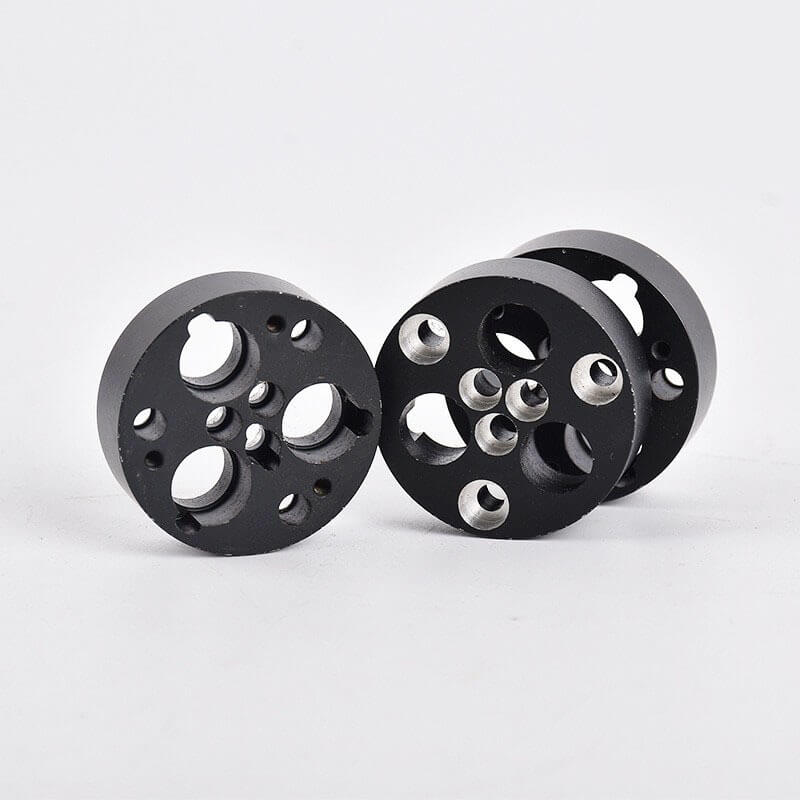
Understanding Mold Base Standards: HASCO and DME Specifications
When it comes to precision injection molding and die casting, the mold base serves as the foundational structure that holds all critical components—cavities, cores, ejector pins, and cooling channels—in perfect alignment. Without a standardized mold base, interchangeability becomes a nightmare, lead times balloon, and maintenance costs skyrocket. Two global standards dominate the industry: HASCO (originating from Germany) and DME (originating from the United States). For any precision machining partner—including GreatLight CNC Machining Factory—mastering these specs is not optional; it is a prerequisite for delivering consistent, high-quality tooling.
The Core Differences Between HASCO and DME
Both standards define dimensions for guide pins, bushings, return pins, sprue bushings, and mounting holes. Yet they differ in key aspects:
| Feature | HASCO (European Standard) | DME (American Standard) |
|---|---|---|
| Origin | Germany | USA |
| Tolerance System | ISO metric (H7/g6 fits) | Inch-based (sliding fits) |
| Material Spec | EN 1.2311, 1.2343, etc. | P20, H13, S7 equivalents |
| Plate Thickness | Metric increments (e.g., 10, 16, 20 mm) | Decimal inch increments (0.5″, 1″, 1.5″) |
| Ejector Pin Style | Cylindrical with stepped head | Often flat head with shoulder |
| Cooling Threads | G1/4, G1/8 BSPP | NPT or SAE threads |
| Global Adoption | Europe, Asia (especially China, Japan) | North America, some Latin America |
While many modern mold shops accommodate both, the choice of standard impacts everything from sourcing replacement parts to CNC machining strategies for the base itself.
Why Precision Machining Matters for Mold Bases
A mold base is not a simple frame. The guide pin holes must be concentric within ±0.005 mm; the parallelism between top and bottom plates must hold < 0.01 mm over a meter length; and the mounting pattern for the injection molding machine must align exactly. In multi-cavity molds, even a 0.02 mm shift in the base can cause flash, short shots, or core shift.
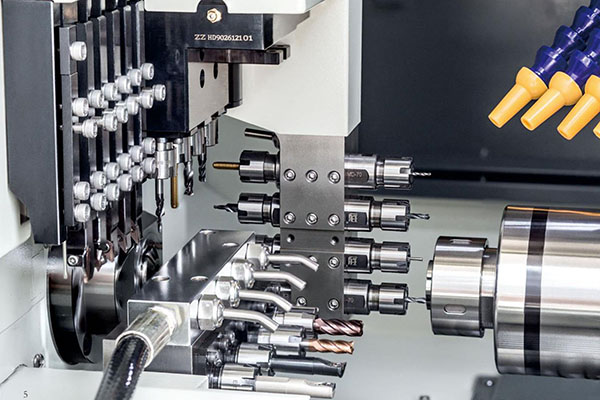
At GreatLight CNC Machining Factory, we regularly machine mold bases machined from pre-hardened steel (such as P20 or 1.2311) using 5-axis CNC machining centers. The reason is twofold:
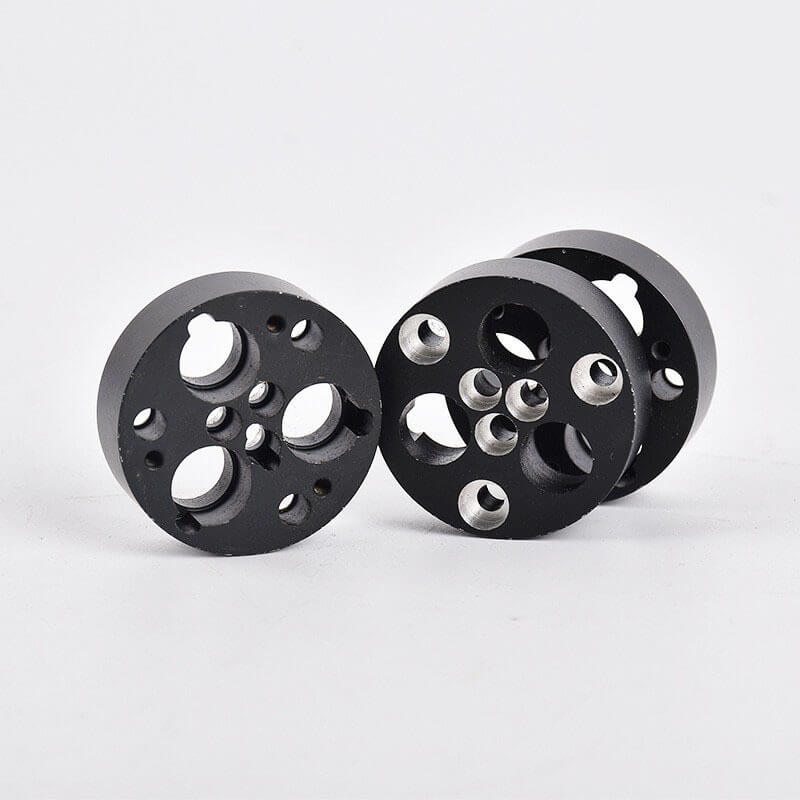
Complex cooling channels: Many modern molds require conformal cooling, which demands angled or curved channels that only a 5-axis machine can produce efficiently.
Tight tolerances across large dimensions: Our largest machine can handle workpieces up to 4000 mm, while maintaining ±0.001 mm positioning accuracy—essential for large mold bases used in automotive bumpers or appliance panels.
Real-World Pain Points in Mold Base Manufacturing
Over the years, I have seen engineers face three recurring frustrations:
The “Precision Black Hole” – A supplier claims HASCO or DME compliance, but mass production reveals that guide pin holes are 0.05 mm off. This forces costly manual rework.
Material inconsistencies – Non-standard steel hardness leads to premature wear on guide bushings, shortening mold life.
Delayed delivery – Because the mold base requires milling, drilling, tapping, and grinding across multiple setups, shops with outdated 3-axis machines often take 3–4 weeks just for the base.
At GreatLight Metal, we eliminate these pain points by integrating 127 pieces of precision peripheral equipment, including 5-axis machining centers, wire EDM, and mirror spark EDM. We also enforce ISO 9001:2015 and IATF 16949 quality management systems. This means every mold base we ship comes with a dimensional report traceable to our in-house CMM.
How to Choose Between HASCO and DME for Your Project
If your injection molding machine is from Engel, Arburg, or Haitian, the HASCO standard is typical. If you run a Husky or Toshiba machine and serve the North American market, DME might be more convenient. However, GreatLight CNC Machining Factory can produce either—and even hybrid designs where the overall footprint follows DME but the internal features (like ejector pin sizes) follow HASCO.
The GreatLight Advantage in Mold Base Manufacturing
Full process chain: From CNC milling, turning, grinding, and EDM to surface treatments like nitriding or DLC coating, we handle everything in-house.
Rapid prototyping: Need a mold base for a prototype mold? We can deliver a functional base in as little as 5–7 days using our 5-axis and 3D printing capabilities for conformal cooling inserts.
Certified quality: Our ISO 13485 and IATF 16949 certifications ensure that even medical or automotive mold bases meet stringent regulatory requirements.
One of our recent projects involved a complex 32-cavity mold base for a medical connector, requiring both HASCO guide pin tolerances and DME-centered ejector layout. By combining 5-axis machining with in-process probing, we held all critical dimensions within ±0.005 mm and delivered a week ahead of schedule.
Conclusion: Precision Mold Bases Require a Precision Partner
Whether you are designing a new mold or replacing a worn base, understanding the Mold Base Standard HASCO DME Spec is only half the battle. The other half is finding a manufacturing partner who can execute those specs with repeatable accuracy. GreatLight CNC Machining Factory has spent over a decade building the equipment, talent, and certification framework to handle both standards flawlessly. From a simple two-plate base to a complex multi-plate hot runner system, we deliver the consistency that keeps your production running.
For more information on our precision 5-axis CNC machining services, explore how we turn design concepts into tangible, high-tolerance mold components. And if you need a trusted partner for your next mold base project, connect with us on LinkedIn to discuss your specific requirements.


![[访谈] RAPID + TCT 2024:人工智能对 3D 打印的价值](https://print-ing.com/wp-content/uploads/2024/07/INTERVIEW-60x60.jpeg "[访谈] RAPID + TCT 2024:人工智能对 3D 打印的价值 9")




发表回复
要发表评论,您必须先登录。