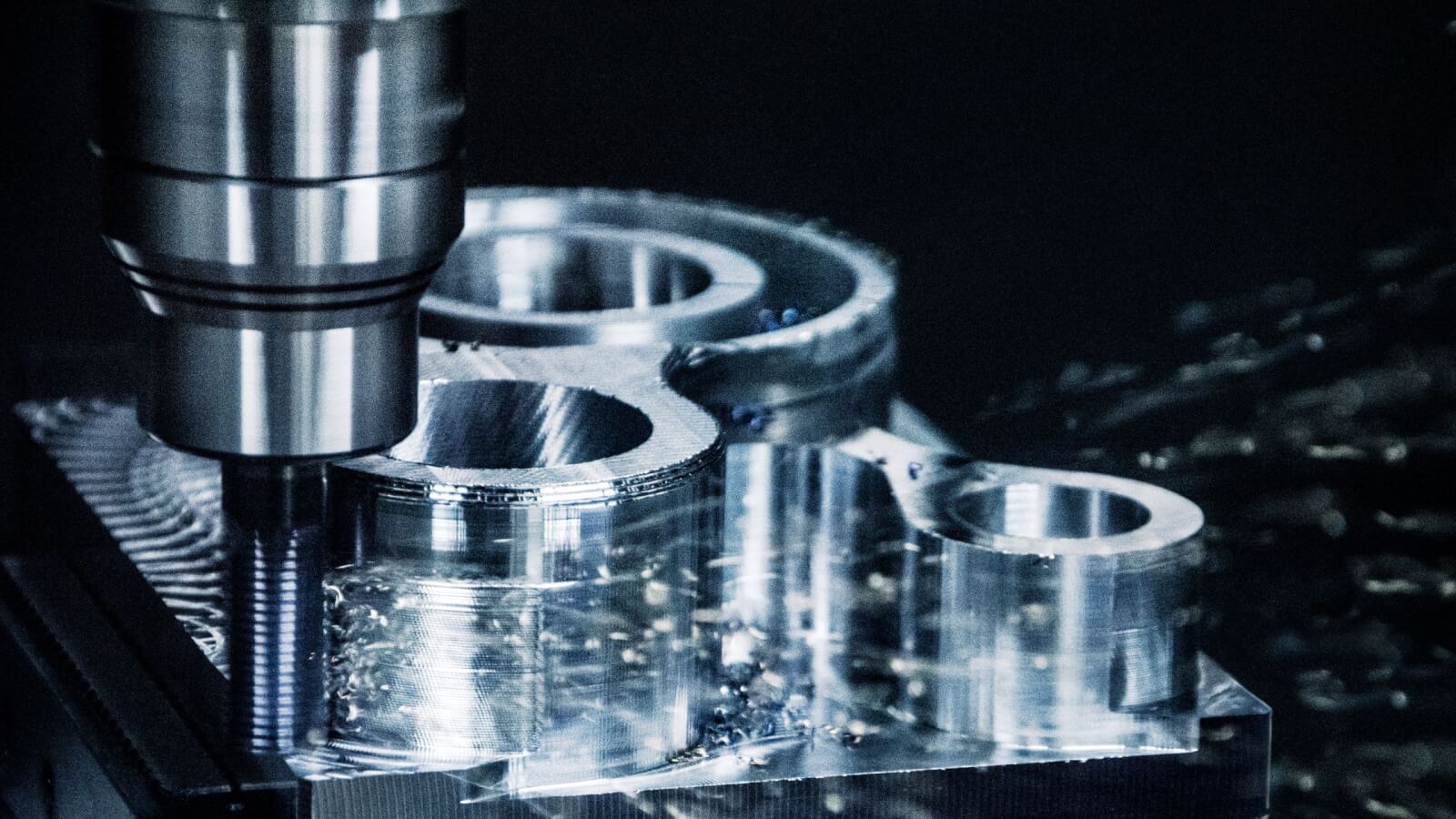
In the high-stakes world of precision manufacturing, the term “one stop custom sheet metal fabrication service” is thrown around with alarming frequency. But let’s be brutally honest: for every supplier that genuinely delivers on this promise, there are a dozen that merely offer a disjointed collection of capabilities under a single roof. For R&D engineers, procurement specialists, and hardware startups, the journey from a 3D model to a finished, ready-to-ship sheet metal enclosure can feel less like a streamlined process and more like navigating a logistical minefield.
You send a drawing to one shop for laser cutting. You ship those parts to another for bending. Then, off they go to a third facility for welding and surface finishing. Each handoff introduces a point of failure, a delay, and a potential misinterpretation of your critical tolerances. The inherent inefficiency of this fragmented model is a silent killer of product launch timelines and budgets.
This article will dissect the realities of the modern one stop custom sheet metal fabrication service landscape. We will explore the common pitfalls that plague the industry and, through the lens of an experienced manufacturing engineer, demonstrate why a truly integrated approach—exemplified by partners like GreatLight Metal—is not just a convenience, but a strategic imperative for innovation.
The Seven Deadly Sins of Fragmented Sheet Metal Sourcing
Before we can appreciate the value of a genuine single-source solution, we must first acknowledge the pervasive pain points that plague the traditional, multi-vendor approach. These are the silent budget-drainers and timeline-killers that many engineers have learned to accept as “the cost of doing business.”
The “Precision Black Hole” – The Gap Between Promise and Reality
This is perhaps the most insidious issue. A laser cutting vendor promises ±0.1mm accuracy. The bending shop claims they hold ±0.15mm. The welding house says they can manage distortion. But when the final assembly arrives, the bolt holes don’t align, the mating surfaces have a visible gap, and the overall cosmetic finish is unacceptable.
The problem isn’t necessarily that any single vendor lied. It’s that tolerance stack-up across multiple, disconnected processes is almost impossible to predict or control. Each vendor optimizes for their own process, not for the final integrated product. A true one stop custom sheet metal fabrication service eliminates this by taking holistic ownership of the entire tolerance chain from raw material to finished assembly.
The “Communication Silo” – When Your Specs Get Lost in Translation
Imagine you have a design note specifying a specific grain direction for a brushed finish, or a requirement for a particular edge break radius to prevent injury. In a fragmented supply chain, this information is passed from one project manager to another, often losing nuance or being outright ignored. The final part arrives with a random finish orientation, or sharp edges that were never deburred.
The cost of rework in such scenarios is almost always borne by the client, either directly or through lost time. A one stop custom sheet metal fabrication service solves this by having a single point of engineering contact. The same team that reviews your DFM (Design for Manufacturing) report is the team that oversees the laser cutting, forming, and finishing. The communication is direct, immediate, and devoid of the “telephone game” effect.
The “Logistical Nightmare” – The Hidden Cost of Coordination
Procurement engineers often underestimate the administrative and logistical overhead of managing multiple suppliers. It involves:
Generating multiple POs.
Tracking separate delivery schedules.
Coordinating shipping between vendors.
Inspecting parts at multiple stages.
Managing quality disputes between different companies.
This “coordination tax” can easily add 15-25% to the total project cost in terms of man-hours, expedited shipping fees, and delayed time-to-market. The core value proposition of a one stop custom sheet metal fabrication service is the elimination of this tax. One PO, one schedule, one point of accountability.
The Anatomy of a True One Stop Solution: More Than Just a Rooftop
A factory that owns a laser cutter, a press brake, and a welding booth does not automatically qualify as a one stop custom sheet metal fabrication service. True integration requires a deep, systemic approach to manufacturing that connects every process.
Technical Hard Power: The Equipment Cluster That Conquers Complexity
Real capability is not defined by having one of everything, but by having the right equipment in the right configuration to handle a wide spectrum of challenges. Consider the benchmark set by leaders in the field.
GreatLight CNC Machining Factory, for instance, operates from a 76,000 sq. ft. facility in Chang’an, Dongguan. Their equipment list is not just a collection of machines; it’s a strategically deployed arsenal. This includes:
High-End Forming Equipment: High-tonnage press brakes with servo-electric drives for unparalleled repeatability in bending complex geometries. The difference between a standard press brake and a high-end one is the difference between a part that “looks close” and one that is “exactly to print,” every single time.
Precision Cutting Cells: Advanced fiber laser cutters not just for speed, but for edge quality that minimizes post-processing.
Full-Spectrum Integration: This is where the “one stop” promise becomes reality. The ability to not just cut and bend, but to integrate precision CNC machining for critical mounting features, die casting for high-volume structural components, and even SLM 3D printing for complex brackets or conformal cooling channels within the same production ecosystem.
In contrast, a competitor like Protolabs Network excels in rapid prototyping of simpler geometries but may not have the deep, in-house integration for complex, multi-process assemblies that a true full-service shop like GreatLight provides. Xometry operates as a marketplace, connecting you to a network of shops, which is excellent for capacity but can reintroduce the communication and coordination challenges we discussed earlier.
System Soft Power: The Certifications That Underwrite Your Trust
Equipment is only half the battle. The “soft” infrastructure—the quality management systems and certifications—is what separates a reliable manufacturing partner from a risky one. A true one stop custom sheet metal fabrication service is built on a foundation of verified, audited systems.
GreatLight Metal doesn’t just claim quality; they prove it through a suite of rigorous certifications that are directly relevant to sheet metal fabrication and its integration with precision machining:
ISO 9001:2015: The universal standard for quality management systems. It ensures that every process, from quoting to shipping, is documented, controlled, and continuously improved.
IATF 16949: This is the automotive industry’s gold standard. It’s far more stringent than ISO 9001, requiring exceptional process control, error-proofing (Poka-Yoke), and traceability. If a supplier is IATF 16949 certified, it demonstrates a profound commitment to precision and reliability that benefits any high-stakes project, from medical devices to aerospace components.
ISO 13485: For medical device hardware production, this certification is non-negotiable. It mandates a rigorous focus on risk management, traceability, and cleanliness.
ISO 27001: In an era of IP theft, this data security certification is invaluable. It provides contractual and systemic assurance that your proprietary designs remain confidential.
A shop like Fictiv or Xometry relies heavily on its network’s certifications, which can vary wildly in quality and scope. A factory like GreatLight, with these certifications under its own roof, offers a direct, auditable line of accountability.
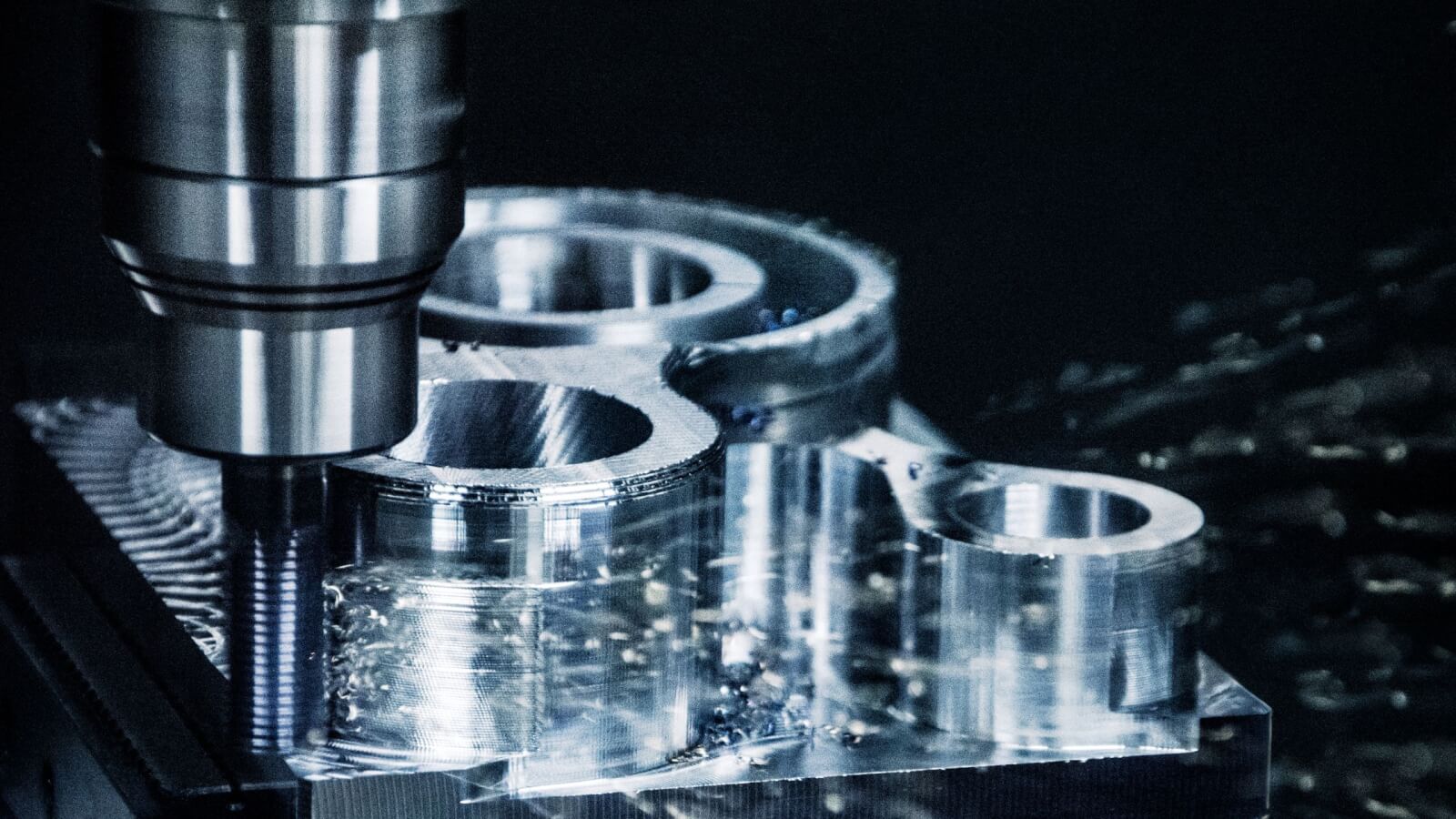
Full-Process Chain Synergy: From Coil to Coat
The true magic of a one stop custom sheet metal fabrication service happens in the seamless handoffs between departments. Consider a typical project: a chassis for a new energy vehicle battery pack.
Laser Cutting: Raw aluminum or steel sheet is cut with minimal heat-affected zone.
Forming: Complex bends are executed on precision brake presses. Here, the engineering team must account for springback, which is informed by the specific material batch being used.
Welding: Robotic welding cells, programmed in-house, handle the structural seams. The fixture design is critical here, and it’s done with full knowledge of the preceding forming tolerances.
Deburring & Surface Preparation: Parts move to finishing. Edges are broken, and surfaces are prepared for coating.
Finishing: Powder coating, anodizing, or painting is applied. The line is optimized for the geometry of your parts.
Inspection: Final parts are inspected using CMMs and other precision measurement tools. The inspection plan is created based on the critical-to-quality (CTQ) features identified during the initial DFM review.
This entire workflow is controlled by a single ERP (Enterprise Resource Planning) system. If a laser cutting parameter drifts by 0.01mm, the downstream departments are immediately aware and can adjust. This level of synergy is simply impossible in a fragmented supply chain.
How to Select the Right One Stop Custom Sheet Metal Fabrication Service
Choosing a partner is a critical decision. Here is an objective framework for evaluating potential suppliers, using the capabilities of leaders like GreatLight Metal as a benchmark.
1. Demand a “Pre-Quote” Engineering Review
A truly capable one stop custom sheet metal fabrication service will not just give you a price. They will offer a detailed DFM (Design for Manufacturing) analysis. Did they suggest adjusting a bend radius to use a standard tool? Did they note that a tolerance is unnecessarily tight for the forming process? A rigorous DFM is the first sign of engineering depth.
Contrast this with a supplier like SendCutSend, which thrives on speed and simplicity for standard, low-complexity parts. Their automated quoting is fantastic for simple brackets but will not catch the subtle design issues that could lead to assembly failures in a complex product.
2. Verify the “Integration” on the Factory Floor
Ask for a virtual or in-person tour. Do you see a clear workflow from cutting to finishing? Are there dedicated engineers managing the flow between stations? Or does it look like a collection of independent job shops sharing a roof?
The facility of GreatLight CNC Machining Factory is designed for flow. The layout is optimized to minimize material handling time and maximize process synergy. This physical arrangement is a tangible expression of the “one stop” philosophy.
3. Look for a “Skin in the Game” Philosophy
The best partners guarantee their work. GreatLight, for instance, offers a free rework policy for quality issues and a full refund if the rework is unsatisfactory. This is the ultimate expression of confidence in their one stop custom sheet metal fabrication service. A supplier who is merely a middleman or a loose collection of shops cannot make this promise with the same level of conviction.
4. Assess Their High-Precision Capabilities
While sheet metal fabrication has its own tolerances, the ability to integrate with high-precision CNC machining is a hallmark of a true one-stop shop. Can they machine a critical pocket on a bent sheet metal part with a tolerance of ±0.001mm? GreatLight’s arsenal of 5-axis and 4-axis CNC machining centers, alongside its forming equipment, allows for this level of hybrid manufacturing. A pure-play sheet metal fabricator like Owens Industries might be excellent for large enclosures but would outsource any complex machining, breaking the “one stop” chain.
From Component to Assembly: The Ultimate Goal of a One Stop Partner
The ultimate expression of a one stop custom sheet metal fabrication service is not just making parts; it’s delivering assemblies. This means taking ownership of:
Hardware Insertion: Pressing nuts, studs, and standoffs.
Sub-Assembly: Welding, riveting, or bonding multiple sheet metal components together.
Integration with Machined Parts: Attaching CNC-machined brackets or housings to the sheet metal chassis.
Full Assembly and Functional Testing: Delivering a product that is ready for integration into the client’s final system.
This level of service drastically reduces the client’s supply chain complexity. Instead of managing 10 separate part numbers and suppliers, they manage one assembly and one partner. This is the true value creation of a one stop custom sheet metal fabrication service.
The Future of Sheet Metal Fabrication is Integrated
The fragmented model of sourcing sheet metal parts is an anachronism in the age of rapid innovation. The companies that will succeed are those that collapse their supply chains, reduce risk, and accelerate time-to-market. Choosing a one stop custom sheet metal fabrication service is not a shortcut; it is a strategic investment in your product’s success.
By demanding true integration—evidenced by deep equipment clusters, rigorous certifications like ISO 9001, IATF 16949, and a proven commitment to full-process ownership—you can bypass the industry’s common pitfalls. While the market offers options from Protocase for fast, small-batch enclosures to RapidDirect for quick turn-around, the partner that provides the deepest engineering support, the broadest in-house process chain, and the highest level of quality accountability is the one that will help you build your product with confidence.
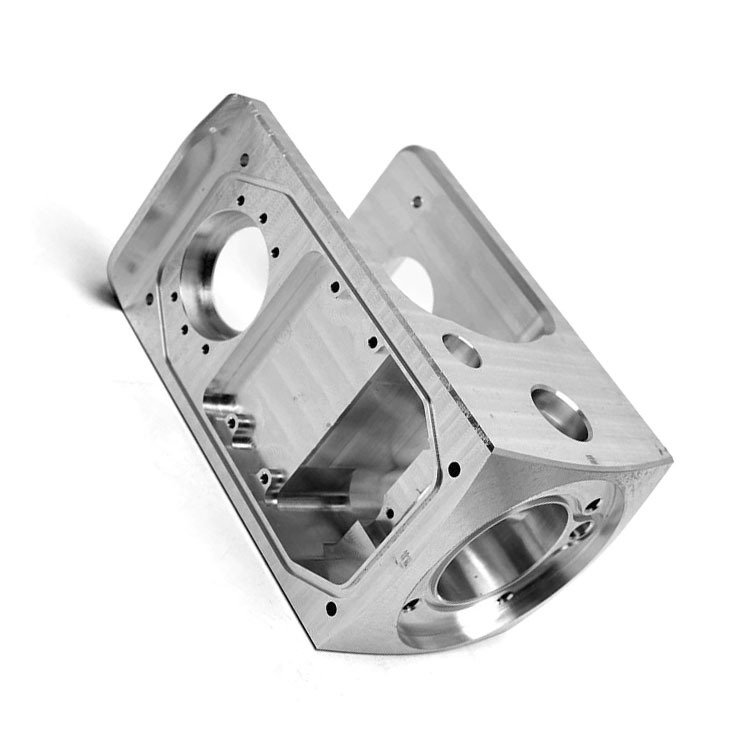
For those who are ready to move beyond the “job shop” mentality and embrace a truly integrated partner, the path is clear. The question is no longer if you should consolidate your supply chain, but who you trust to consolidate it for you. The future of manufacturing belongs to those who see the whole picture, not just the individual pieces. One Stop Custom Sheet Metal Fabrication Service is not just a service category; it is the fundamental operating principle of a new generation of manufacturing.


![[访谈] RAPID + TCT 2024:人工智能对 3D 打印的价值](https://print-ing.com/wp-content/uploads/2024/07/INTERVIEW-60x60.jpeg "[访谈] RAPID + TCT 2024:人工智能对 3D 打印的价值 9")




发表回复
要发表评论,您必须先登录。