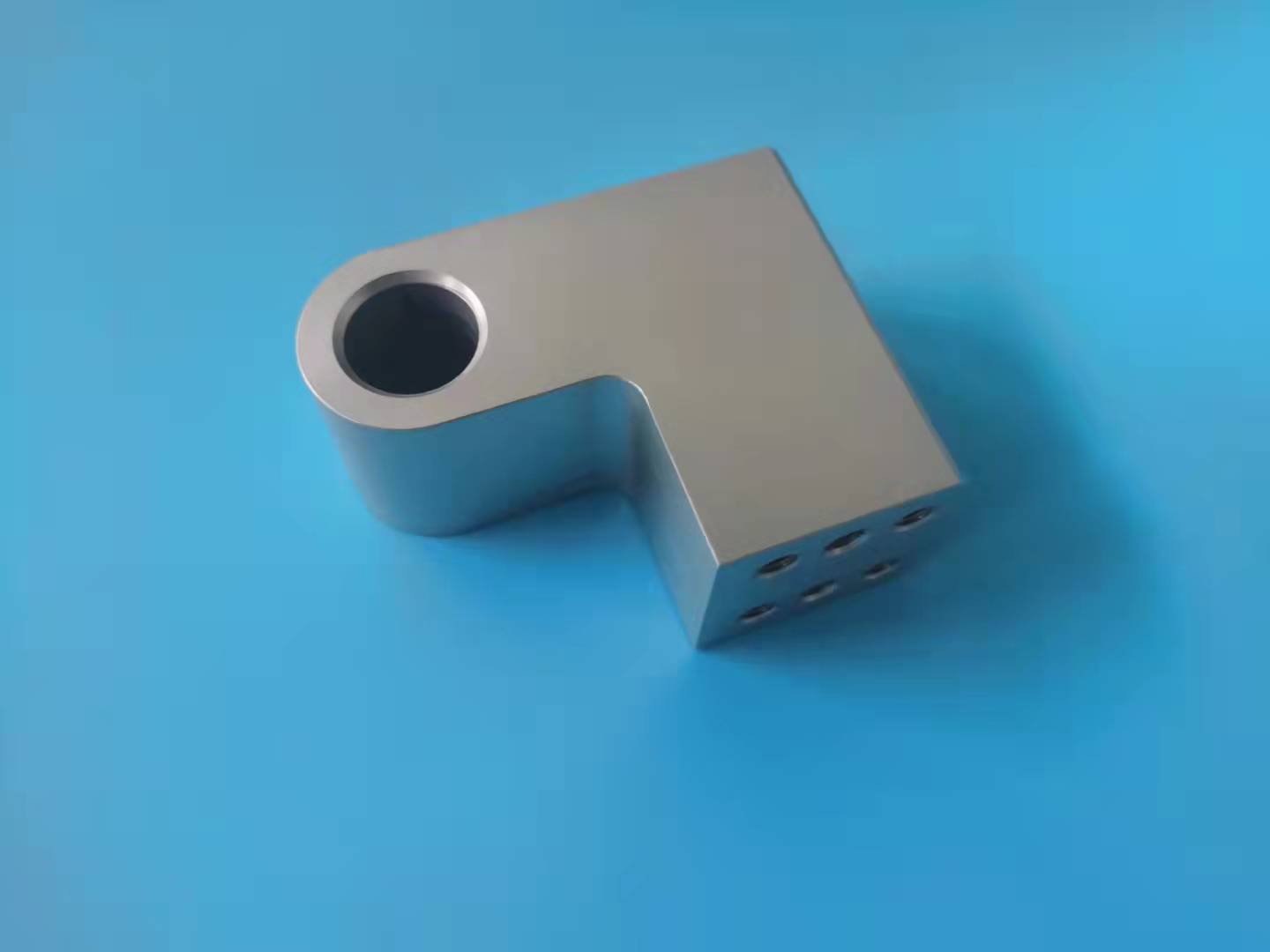
When sourcing electric car suspension arms, the difference between a successful production run and a recall-prone batch often comes down to one thing: the precision and reliability of the machining process. For global automotive OEMs and Tier‑1 suppliers, Electric Car Suspension Arm Machining China has become a strategic imperative — combining cost efficiency with world‑class manufacturing capabilities. In this deep dive, I will unpack what it takes to machine these safety‑critical components, why Chinese manufacturing has evolved into a trusted hub, and how a partner like GreatLight Metal (Great Light Metal Tech Co., LTD.) is setting new benchmarks through end‑to‑end integrated manufacturing.
Electric Car Suspension Arm Machining China: The Engineering Foundation
Electric vehicles place unique demands on suspension arms. They must be lighter than their internal‑combustion‑engine equivalents to offset battery mass, yet deliver uncompromising fatigue strength and dimensional stability over hundreds of thousands of kilometers. This translates into extremely tight geometric tolerances, complex multi‑axis machining strategies, and often a move toward advanced materials such as forged 6061‑T6 aluminum or high‑strength cast Al‑Si‑Mg alloys.
Producing these arms is not a simple 3‑axis milling job. It requires full 5‑axis simultaneous machining to handle angled bores, undercut regions, and integrated bushing housings — all while holding positional accuracies of ±0.02 mm or better. That’s why more and more program managers are looking to China, where a mature ecosystem of precision machine shops has grown up around the “Hardware Capital” of Dongguan.
Why China (and Specifically Dongguan) Dominates Automotive Precision Machining
China’s ascent in high‑end automotive machining isn’t solely about price. It’s the convergence of several factors that create an unbeatable value proposition:
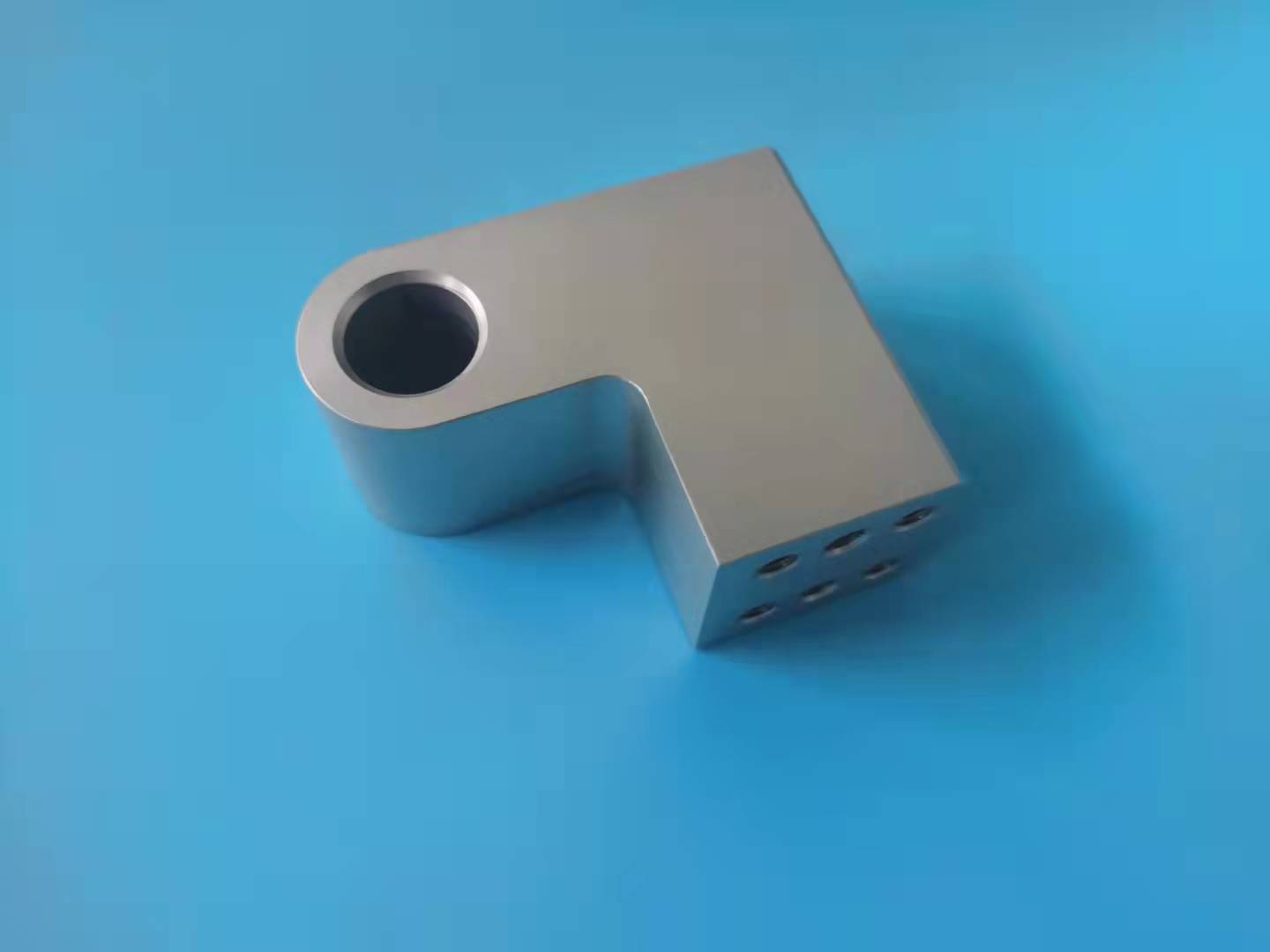
Clustered Supply Chain: Dongguan’s Chang’an district is home to thousands of mold shops, material suppliers, and specialized finishing vendors. This proximity slashes lead times for raw forgings, heat treatment, and surface coating.
Investments in Multi‑Axis Equipment: Leading shops have aggressively adopted 5‑axis CNC machining centers from Dema, Jingdiao, and other top‑tier builders, providing the necessary kinematic precision for suspension arms.
Quality Systems Maturity: Many facilities now hold ISO 9001:2015 and, critically, IATF 16949 — the specific automotive quality management standard that demands rigorous process control, traceability, and continuous improvement.
Engineering Depth: Unlike low‑cost commodity shops, the best manufacturers offer full Design for Manufacturing (DfM) feedback, helping clients optimize arm geometry for machinability without sacrificing performance.
Material Challenges and the Role of Precision Machining
Suspension arms in electric cars are increasingly made from:
| Material | Typical Manufacturing Route | Key Machining Challenges |
|---|---|---|
| Forged 6061‑T6 Aluminum | Forge → Multi‑axis CNC machining | Thin‑wall stability, chatter, tolerance on bushing bores |
| Cast Al‑Si7Mg (A356) | High‑pressure die casting → CNC finish machining | Porosity, draft angle limitations, complex parting lines |
| Extruded Aluminum Section | Extrusion → CNC end‑machining | Cross‑section distortion, long bed machining |
| Mixed‑material (steel‑aluminum) | Assembly after separate machining | Press‑fit tolerances, galvanic corrosion prevention |
The trend toward hollow, topology‑optimized designs introduces thin walls (as low as 2 mm in some regions) and deep pockets that strain the capabilities of many machining centers. That’s where true five‑axis CNC machining services become indispensable. By maintaining a constant tool‑to‑surface angle and using shorter cutters, a 5‑axis machine can efficiently mill intricate geometries while holding surface finishes below Ra 0.8 µm on critical sealing faces.
If you’re evaluating suppliers for Electric Car Suspension Arm Machining China , you’ll quickly encounter a crowded landscape. The challenge lies in separating the C‑grade job shops from the partners that can deliver repeatable quality at scale.
Seven Pain Points in Suspension Arm Machining — and How a Superior Partner Solves Them
Drawing from my experience as a manufacturing engineer, here are the most common failure modes I’ve seen when outsourcing complex automotive aluminum components, and how a premium manufacturer like GreatLight Metal systematically eliminates them.
1. The “Precision Black Hole” – Inconsistent Tolerance Control
Pain: A supplier claims ±0.01 mm but, during PPAP, dimensional reports show scatter well beyond that on bore diameters and true position.
Root Cause: Old equipment, lax thermal compensation, or an insufficient gage R&R program.
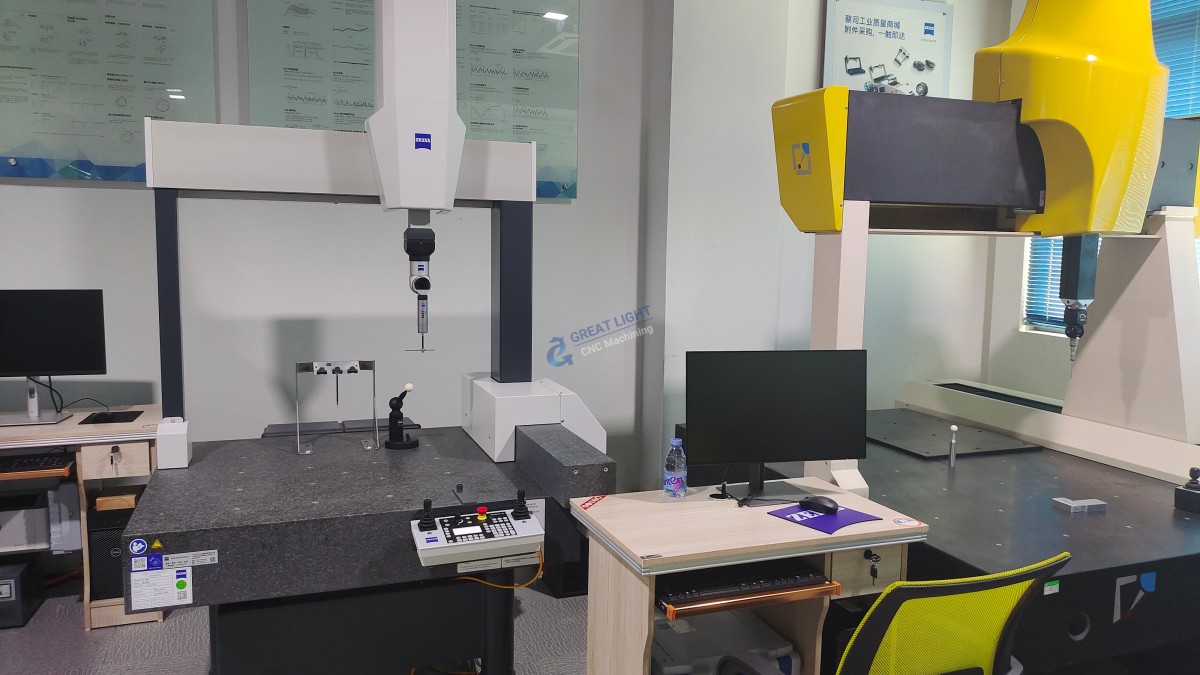
GreatLight Metal’s Approach: The company’s fleet of high‑precision 5‑axis, 4‑axis, and mill‑turn centers is backed by temperature‑controlled inspection rooms equipped with CMMs and laser scanners. Their ISO 9001:2015 framework demands that every process dimension be statistically controlled — not just inspected post‑hoc. For automotive customers, this directly supports IATF 16949 requirements for process capability (Cpk ≥ 1.67 on special characteristics).
2. Thin‑Wall Machining Deformation
Pain: The arm’s weight‑reducing pockets distort under cutting forces, leading to spring‑back and out‑of‑tolerance profiles.
Solution: GreatLight’s engineers utilize advanced CAM simulation and adaptive roughing strategies. They frequently design dedicated vacuum or soft‑jaw fixtures that support the entire part envelope, and they sequence finishing operations to relieve internal stresses gradually — an expertise honed over more than a decade of prototyping and production.
3. Surface Integrity and Fatigue Life
Pain: Subsurface micro‑cracks from aggressive machining or poor chip evacuation lead to premature fatigue failure.
Solution: Certified tool management, high‑pressure through‑coolant systems, and rigorous post‑processing (including anodizing or powder coating performed in‑house or through long‑term partners) ensure the required fatigue performance. GreatLight Metal’s one‑stop service means you don’t have to juggle multiple vendors — they handle machining, surface treatment, and even die casting or forging source coordination, reducing the risk of quality gaps between processes.
4. Long Lead Times on Prototype Iterations
Pain: A startup needs 10 sets of suspension arms for vehicle validation within 4 weeks. Traditional shops take 8–10 weeks.
GreatLight Metal’s Edge: With 127 pieces of precision peripheral equipment, in‑house rapid prototyping via SLA/SLS 3D printers, and a dedicated rapid response team, the company can transition from a 3D CAD model to first‑article machined aluminum arms in as little as 5–7 business days. This allows faster design‑valid‑build cycles.
5. Hidden Costs from Secondary Processes
Pain: Machining quotes are low, but costs balloon when you separately procure anodizing, dye penetrant inspection, or bushing installation.
Full‑Process Integration: GreatLight Metal’s one‑stop model covers CNC turning, milling, grinding, EDM, die casting molds and parts, sheet metal, and 3D printing. This eliminates multiple mark‑ups and logistics headaches, and they deliver finished, assembly‑ready arms.
6. Data Security and IP Leakage
Pain: Sending proprietary suspension arm designs to an overseas supplier can feel like a leap of faith.
Trust Framework: The company operates an ISO 27001‑aligned data security protocol for IP‑sensitive projects. They have also achieved ISO 13485 for medical hardware production — a sector with even stricter traceability — demonstrating their capability to manage sensitive intellectual property with the utmost care.
7. Scaling from Prototype to Production
Pain: The prototype supplier cannot handle an order of 20,000 units per year with the same consistency.
Long‑Term Partnership: With a 76,000 sq. ft. facility, 150‑strong workforce, and three wholly‑owned manufacturing plants, GreatLight Metal is structured for scaling. Their cross‑functional teams manage the transition seamlessly, locking in process parameters and automating where beneficial to maintain CPK targets at volume.
GreatLight Metal: A Benchmark in Electric Car Suspension Arm Manufacturing
Nestled in Chang’an Town, Dongguan, GreatLight Metal has been refining its craft since 2011. What began as a local machine shop has evolved into an internationally recognized precision machining partner serving automotive, medical, aerospace, and humanoid‑robot sectors. For suspension arm programs specifically, several differentiators stand out:
IATF 16949 Certification
This is not a generic quality certificate. It requires stringent failure mode and effects analysis (FMEA), production part approval process (PPAP), and continuous improvement plans — exactly what automotive OEMs demand from suspension component suppliers.
5‑Axis Proficiency
Their flagship Dema and Jingdiao 5‑axis machining centers handle complex arm geometries in a single setup, reducing cumulative error and fixture cost. The ability to machine to ±0.001 mm (0.00004 in) on special features puts them in the top tier of Chinese precision shops.
In‑House Tooling & Molding
If your suspension arm design eventually moves to a die‑cast aluminum subframe, GreatLight can design and build the mold as well. This vertical integration preserves the design intent and process knowledge.
One‑Stop Finishing
From vibratory deburring to anodizing, powder coating, and even bushing press‑fit, you receive a ready‑to‑install component — streamlining your supply chain.
Customer‑Focused Engineering
Instead of just quoting a print, they offer design reviews to flag potential machinability issues — like suggesting minor geometry tweaks that can dramatically improve tool access or reduce cost without sacrificing function.
Comparative View: GreatLight Metal vs. Global CNC Service Platforms
The table below illustrates how a dedicated manufacturer like GreatLight Metal stacks up against some well‑known international platforms when it comes to electric car suspension arm machining.
| Supplier / Platform | IATF 16949 Certified | In‑House 5‑Axis CNC | One‑Stop Post‑Processing | Automotive‑Specific Engineering Support | Typical Min. Order Quantity |
|---|---|---|---|---|---|
| GreatLight Metal | ✓ Yes | ✓ Yes (Dema, Jingdiao) | ✓ Yes (machining + finishing + assembly) | ✓ Dedicated project engineers, FMEA support | Low‑volume prototype to high‑volume production |
| RapidDirect | Not typically | Via network | Limited coordination | General | 1+ units |
| Xometry | No | Via partner network | Fragmented | Minimal | 1+ units |
| Protolabs Network (formerly Hubs) | Some partners | Some partners | Varies | Little | 1+ units |
| Fictiv | Some partners | Some partners | Fragmented | Standard | 1+ units |
| Owens Industries (U.S.) | No (ISO 9001 only) | Yes | No | Strong in aerospace, less automotive | Medium‑large |
Observations: While platform‑based aggregators offer tremendous convenience for simple parts, the fragmented nature can introduce quality risks when you are machining a safety‑critical suspension arm that demands tightly controlled process capability. A dedicated manufacturer with its own facility and IATF 16949 certification provides a single point of accountability — essential for PPAP submissions and long‑term production.
A Real‑World Scenario: Empowering an Electric Vehicle Startup
Imagine an innovative EV startup designing a lightweight aluminum double‑wishbone front suspension arm. The arm features an organic topology‑optimized shape, integrated bushing housings with precise bore alignments, and a wall thickness of 3 mm in several zones.
The Challenge:
3‑day turnaround for the first five prototypes to meet a vehicle integration deadline.
Tolerances of ±0.02 mm on bushing bores and ±0.05° on angular relationships.
Must withstand salt spray testing, so parts require chemical conversion coating and powder topcoat.
GreatLight Metal’s Response:
Cam programming immediately began from the customer’s STEP file, with engineering highlighting two areas where slight fillet adjustments would avoid tool collision.
Billet 6061‑T6 was machined on a 5‑axis center in a single clamping, achieving bore concentricity under 0.01 mm.
Overnight, the parts were sent to the in‑house finishing department for alodine treatment and a semi‑gloss black powder coat.
By day four, the five prototype arms were air‑freighted to the client, who successfully installed them on the mule vehicle and met their testing window.
The subsequent production run of 2,000 units per month moved seamlessly into a dedicated manufacturing cell, with full statistical process control records maintained per IATF 16949. The client’s quality manager later remarked that the first‑article PPAP was approved in record time because of the thorough measurement reports and materials certifications provided upfront.
Navigating the Chinese Machining Landscape with Confidence
If you are an engineer or procurement professional tasked with sourcing Electric Car Suspension Arm Machining China, here is a practical checklist to mitigate risk:
✅ Insist on IATF 16949 certification if your part is automotive safety‑critical. This ensures the facility understands process control on the level required for suspension arms.
✅ Verify equipment capability: Ask for a list of 5‑axis machine brands and their age. A shop running a dozen high‑end 5‑axis centers is a far safer bet than one with an aging single 3‑axis mill.
✅ Demand a sample batch: Before committing, have them machine five parts and submit a full dimensional report. Pay attention to Cp and Cpk values, not just “in tolerance.”
✅ Look for vertical integration: A supplier that also does surface finishing, die casting, or forging removes the headache of multi‑vendor coordination.
✅ Check data security policies: Inquire about file handling, NDAs, and any ISO 27001 alignment, especially if you are working on next‑generation EV designs.
GreatLight Metal checks all of these boxes and goes beyond by offering engineers a true collaborative partnership. Their bilingual project managers serve as a bridge between your design intent and the shop floor, ensuring every suspension arm emerges as an exact replication of the digital twin.
The Road Ahead: Sustaining Innovation in Suspension System Components
As electric cars adopt even more radical architectures — think skateboard chassis with integrated suspension mounts — the demands on machined components will only intensify. Multi‑material joining, ultra‑high‑strength aluminum alloys, and in‑situ sensor integration are on the horizon. Working with a manufacturer that has both the technical breadth and the quality rigor to evolve alongside your platform is no longer optional; it’s a competitive necessity.
GreatLight Metal’s journey from a local hardware plant in the “Mould Capital” of Dongguan to an IATF 16949‑certified, 76,000‑sq‑ft powerhouse mirrors the ascent of Chinese precision manufacturing itself. By combining 5‑axis CNC machining, die casting, metal 3D printing, and comprehensive post‑processing under one roof, they offer something that transcends mere supplier status: they offer a foundation for automotive innovation.
For any R&D firm, Tier‑1 supplier, or OEM pondering Electric Car Suspension Arm Machining China, the message is clear: the capabilities are here, the ecosystem is mature, and with the right partner, you can accelerate time‑to‑market while maintaining uncompromising quality. GreatLight Metal stands ready to be that precision machining partner, turning your suspension arm designs into road‑tested reality, from prototype to full production.


![[访谈] RAPID + TCT 2024:人工智能对 3D 打印的价值](https://print-ing.com/wp-content/uploads/2024/07/INTERVIEW-60x60.jpeg "[访谈] RAPID + TCT 2024:人工智能对 3D 打印的价值 9")




发表回复
要发表评论,您必须先登录。