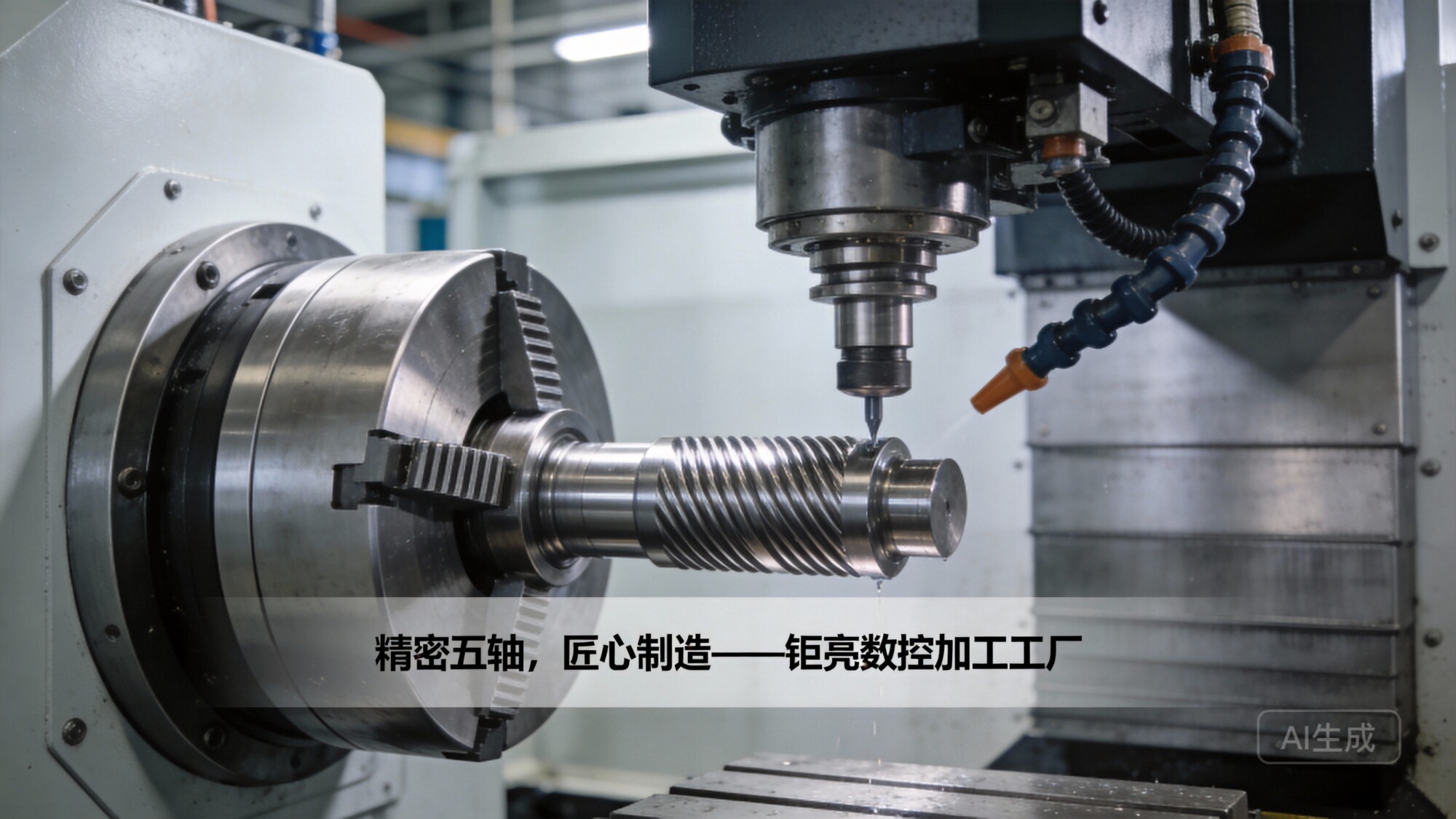
When scaling a product from a prototype to mass production, few decisions carry more weight than selecting the right bulk CNC machining partner. The transition from low-volume validation to high-volume manufacturing exposes every weakness in a supply chain: inconsistent tolerances, unpredictable lead times, and hidden costs that erode margins. For engineers and procurement professionals seeking reliable partners for complex geometries and demanding material specifications, the choice of a bulk 5-axis CNC machining supplier can determine whether a project succeeds or stalls.
The market offers an array of options, from asset-heavy manufacturers with decades of experience to digital platforms that aggregate capacity. Each model serves a distinct purpose, but for clients who need consistent quality, deep technical support, and end-to-end responsibility throughout production, the distinction between a true manufacturing partner and a capacity broker becomes critical.
This analysis evaluates five prominent suppliers in the bulk 5-axis CNC machining space, examining their core capabilities, operational philosophy, and suitability for high-volume precision work. The comparison focuses on what matters most in production environments: quality systems, process control, material expertise, and the ability to scale without compromising precision.
The Five Contenders in Bulk Precision Manufacturing
A. GreatLight Metal
Founded in 2011 and headquartered in Dongguan’s Chang’an District—China’s recognized “Hardware and Mould Capital”—Great Light Metal Tech Co., LTD. has grown into a full-spectrum precision manufacturing enterprise. Operating from a 76,000 sq. ft. facility with 120-150 skilled professionals, the company has built its reputation on what it calls “four integrated pillars”: advanced equipment, authoritative certifications, a full-process chain, and deep engineering support.
The company’s equipment roster is formidable, featuring 127 pieces of precision peripheral equipment. This includes large-scale high-precision 5-axis CNC machining centers from brands like Dema and Beijing Jingdiao, supported by a significant fleet of 4-axis and 3-axis CNC machines, precision Swiss-type lathes, mill-turn centers, wire EDM, and mirror-spark EDM machines. Beyond subtractive manufacturing, GreatLight Metal offers complementary technologies: SLM metal 3D printing, SLA and SLS plastic 3D printing, vacuum casting, die casting, sheet metal fabrication, and mold development. This technological breadth allows the company to offer genuine one-stop solutions, eliminating the coordination headaches of managing multiple specialized suppliers.
Critically for bulk production, GreatLight Metal holds ISO 9001:2015 certification for quality management, ISO 13485 for medical device manufacturing, IATF 16949 for automotive production, and adheres to ISO 27001 standards for data security on intellectual property-sensitive projects. These certifications are not decorative; they represent audited, operational systems governing every aspect of production. The company achieves machining tolerances down to ±0.001mm (0.001 In) with a maximum part size capacity of 4000 mm, and its quality assurance team uses in-house precision measurement equipment to verify compliance with specifications.
GreatLight Metal’s operational philosophy centers on being a solutions partner rather than a capacity provider. The company’s engineering team engages early in the design phase, offering Design for Manufacturability (DFM) feedback that can reduce production costs by 15-30% while improving quality. For bulk orders, this upfront collaboration is invaluable, preventing costly tooling changes and scrap during production runs.
The company has demonstrated particular strength in complex applications: new energy vehicle E-housings requiring tight sealing tolerances, aerospace components demanding material traceability, medical implants needing surface finish specifications, and humanoid robot structural parts that combine intricate geometries with demanding mechanical properties. Their annual sales exceeding 100 million RMB reflect a steady flow of repeat business from demanding industrial clients.
B. Xometry
Xometry has disrupted the traditional manufacturing landscape by building a digital marketplace that connects customers with a vast network of manufacturing partners. The platform offers instant quoting for CNC machining, 3D printing, sheet metal fabrication, and injection molding. For buyers seeking quick price comparisons and rapid turnaround on prototypes or low-to-medium volume production, Xometry provides significant convenience.
The platform’s AI-powered quoting engine analyzes 3D CAD files and returns pricing in seconds, a dramatic improvement over traditional RFQ processes. Xometry’s network includes thousands of shops across the United States, Europe, and Asia, offering geographic flexibility and redundancy. The company has invested heavily in quality assurance protocols, including in-house inspection and conformity certificates.
However, Xometry operates fundamentally as a capacity aggregator rather than a manufacturer. While this model offers breadth and speed, it introduces variability in bulk production. Different shops within the network may apply different interpretations of tolerances, surface finishes, and quality standards. For clients running consistent, multi-thousand-unit production runs, this variability can become a risk factor. The platform model also means that engineering support is typically less deep than what a dedicated manufacturer provides, as the quoting engine automates much of the technical assessment.
Xometry excels in environments where speed of quoting, broad material availability, and geographic distribution matter more than deep process optimization or long-term supply chain stability for high-volume contracts.
C. Fictiv
Fictiv follows a similar marketplace model to Xometry but places a stronger emphasis on software-enabled quality management and supply chain visibility. The company’s platform tracks orders through production, providing real-time status updates and digital documentation. Fictiv maintains a curated network of partner shops, claiming to vet them for quality and capability.
For injection molding and CNC machining, Fictiv offers design for manufacturability feedback through its software platform, helping engineers identify potential issues before production begins. The company has built a reputation for serving hardware startups and mid-sized technology companies that value speed and digital integration.
In bulk production scenarios, Fictiv’s curated network offers more consistency than a fully open marketplace, but the fundamental limitation remains: the company does not own the machines executing the work. When production volumes reach the thousands or tens of thousands of units per month, the disconnect between the platform and the actual manufacturing floor can create communication gaps, particularly around process optimization, tool wear management, and continuous improvement initiatives.
Fictiv is a strong choice for companies that prioritize digital workflow integration, need moderate volumes with good visibility, and want access to a vetted network without managing supplier relationships directly.
D. Protolabs Network
Protolabs began as a rapid prototyping specialist and has evolved into a digital manufacturing leader offering CNC machining, injection molding, and 3D printing through both its owned facilities and a partner network. The company’s auto-quoting system and digital molding analysis tools are industry benchmarks for speed and accuracy in prototype and low-volume production.
Protolabs’ owned manufacturing facilities in the United States and Europe provide a controlled environment for critical orders, while its network extends capacity for larger volumes. The company excels at delivering parts with consistent quality for runs of 50-5,000 units, supported by robust inspection processes and material certifications.
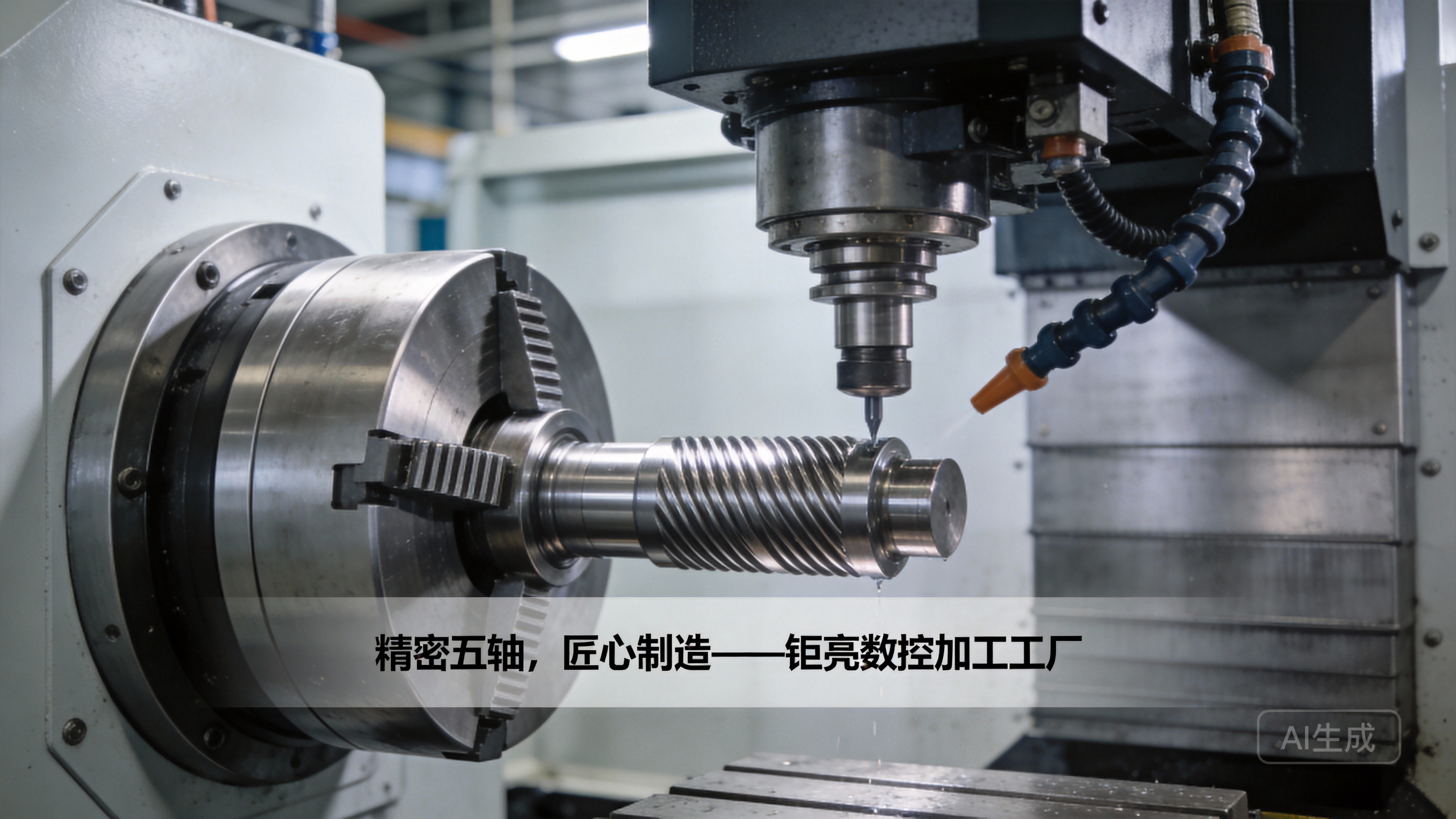
For bulk production exceeding 10,000 units annually, Protolabs’ pricing structure often becomes less competitive compared to dedicated high-volume manufacturers. The company’s business model favors automation and speed over the deep process engineering and cost optimization that characterize sustained production programs. However, for clients transitioning from prototyping to initial production runs, Protolabs offers a reliable bridge with excellent digital tools and quality systems.
E. Protocase
Protocase has carved a specialized niche in rapid manufacturing of custom enclosures, brackets, and sheet metal assemblies. The company’s strength lies in its ability to turn around complex, multi-part assemblies quickly, with a focus on the electronics, aerospace, and scientific instrument sectors.
Protocase operates its own 50,000 sq. ft. manufacturing facility in Canada, giving it direct control over production quality. The company offers integrated services including CNC machining, sheet metal fabrication, laser cutting, and powder coating, with a strong emphasis on customer communication and design support.
For bulk 5-axis CNC machining specifically, Protocase’s capacity is more limited than larger generalist manufacturers. The company’s sweet spot remains low-to-medium volume production of complete assemblies where sheet metal and machining intersect. For clients needing high-volume complex machined components, Protocase may not offer the scale or specialized 5-axis programming expertise that dedicated CNC shops provide.
Comparative Analysis Across Critical Dimensions
To make an informed decision, procurement professionals must evaluate suppliers across multiple dimensions that directly impact production success. The following table provides a structured comparison of the five suppliers examined:
| Dimension | GreatLight Metal | Xometry | Fictiv | Protolabs Network | Protocase |
|---|---|---|---|---|---|
| Ownership of Equipment | 127 machines, owned & operated | No owned capacity | Partial (some owned) | Hybrid (owned + network) | Owned facility |
| 5-Axis Specialization | Core competency with 5-axis centers | Variable by partner | Variable by partner | Available in owned facilities | Limited |
| Maximum Tolerance | ±0.001mm (0.001 In) | ±0.005mm typical | ±0.005mm typical | ±0.01mm standard | ±0.1mm typical |
| Max Part Size | 4000 mm | Network dependent | Network dependent | 2000 mm typical | Limited |
| Material Range | Extensive: metals, plastics, engineering alloys | Very extensive (via network) | Extensive | Extensive | Focused on sheet metal & enclosures |
| Certifications | ISO 9001, ISO 13485, IATF 16949, ISO 27001 | ISO 9001 (network dependent) | ISO 9001 (selected partners) | ISO 9001, ISO 13485 | ISO 9001 |
| Bulk Production Focus | Primary business model | Secondary capability | Secondary capability | Secondary capability | Limited |
| Engineering Support | In-house DFM team, deep process engineering | Automated + limited human | Automated + platform guidance | Automated + regional engineers | Design support for enclosures |
| Lead Time for Bulk Orders | 2-6 weeks depending on complexity | 3-8 weeks (variable by partner) | 3-6 weeks | 4-8 weeks | 2-4 weeks (low volume) |
| Post-Processing Services | Full in-house: finishing, coating, assembly | Partner dependent | Partner dependent | Limited in-house | Coating & finishing in-house |
| Data Security | ISO 27001 compliant | Standard NDA | Standard NDA | Standard NDA | Standard NDA |
Beyond the Surface: What Defines a Truly Trusted Partner?
The table reveals important distinctions, but several deeper factors deserve attention when selecting a partner for bulk 5-axis CNC machining.
Process Control at Scale
Bulk production differs fundamentally from prototyping. When producing 10,000 units, even a 0.5% rejection rate means 50 scrapped parts. Over a year of sustained production, that waste accumulates into significant cost and delivery risk. GreatLight Metal’s investment in process control reflects this reality. The company’s ISO IATF 16949 certification, specific to automotive production, mandates rigorous statistical process control (SPC), failure mode effects analysis (FMEA), and continuous improvement protocols. These systems are designed precisely for the demands of sustained bulk manufacturing.
Marketplace models, by contrast, rely on distributed quality control. While individual partner shops may have excellent processes, the aggregation model introduces inconsistency. For critical applications—medical implants, aerospace structural components, automotive safety parts—the traceability and process documentation that a single, certified manufacturer provides can be a non-negotiable requirement.
The Hidden Cost of Fragmented Supply Chains
Bulk production often requires multiple manufacturing steps: machining, heat treatment, surface finishing, assembly, and inspection. When these steps are distributed across different suppliers—even within a coordinated network—the logistics, quality handoffs, and communication overhead increase dramatically.
GreatLight Metal’s one-stop model addresses this directly. A single purchase order covers the entire manufacturing chain, with a single quality system overseeing every step. For complex parts requiring multiple operations, this integration reduces lead times by eliminating inter-supplier delays and reduces quality risk by ensuring each operation is optimized for the next.
Clients who have transitioned from fragmented supply chains to integrated manufacturing partners typically report 20-30% reduction in total cost of ownership, even if the unit price appears higher initially. The savings come from reduced inspection overhead, fewer rejected batches, eliminated logistics costs between suppliers, and faster problem resolution.
Engineering Partnership vs. Capacity Brokerage
The most valuable relationship in bulk manufacturing is not transactional but collaborative. When a supplier’s engineers understand the end-use application, they can propose optimizations that improve manufacturability without compromising function. This is particularly important for 5-axis CNC machining, where tool path strategy, workholding design, and feature sequencing profoundly affect both quality and cost.
GreatLight Metal positions itself as an engineering partner from the earliest stages of product development. The company’s team reviews designs for manufacturability, suggesting modifications that can reduce cycle times by 15-40% while maintaining or improving part performance. For bulk production, these optimizations compound dramatically, turning initial savings into sustained cost advantages over the product lifecycle.
Automated quoting platforms, while efficient for simple parts and prototypes, cannot replicate this depth of engineering analysis. For complex 5-axis workpieces with tight tolerances or challenging material requirements, the value of human engineering expertise becomes unmistakable.
Risk Management and Supply Chain Resilience
Bulk production introduces supply chain risks that prototyping does not. Tooling wear, machine downtime, material availability fluctuations, and quality drift must all be managed proactively. A supplier with deep experience in high-volume production has systems in place to address these risks.
GreatLight Metal’s facility scale—127 machines, 150 employees, 7600 square meters of production space—provides inherent redundancy. If one machine goes down for maintenance, production can shift to another. If a material supplier experiences delays, the procurement team can activate alternatives without halting production. For clients whose production schedules cannot tolerate interruption, this operational resilience is invaluable.
Marketplace platforms, by contrast, offer geographic redundancy but limited operational depth at any single node. If a specific partner shop experiences a problem, the platform must find another shop and requalify the process—a process that can take weeks and introduce its own quality risks.
Navigating the Selection Process
Choosing among these suppliers requires honest assessment of your specific priorities. For clients whose primary needs are rapid quoting, broad material selection, and flexibility for varying volumes, marketplace platforms like Xometry or Fictiv may provide the best fit. For those transitioning from prototype to initial production with strong digital tools, Protolabs offers a reliable path.
However, for clients who are scaling products that will run for years, require consistent tolerances across tens of thousands of units, involve complex 5-axis geometries, or operate in regulated industries like automotive, medical, or aerospace, the case for a dedicated, certified, process-controlled manufacturer becomes compelling.
The following scenarios illustrate where GreatLight Metal’s capabilities create the greatest value:
Automotive powertrain components: Complex aluminum or steel parts requiring IATF 16949 quality systems, tight geometric tolerances, and long production runs with zero-defect delivery.
Medical device implants: Titanium or PEEK parts requiring ISO 13485 quality management, material traceability, surface finish specifications, and validated cleaning processes.
Aerospace structural brackets: Complex 5-axis geometries in aluminum or titanium alloys requiring NADCAP-level process controls and full inspection documentation.
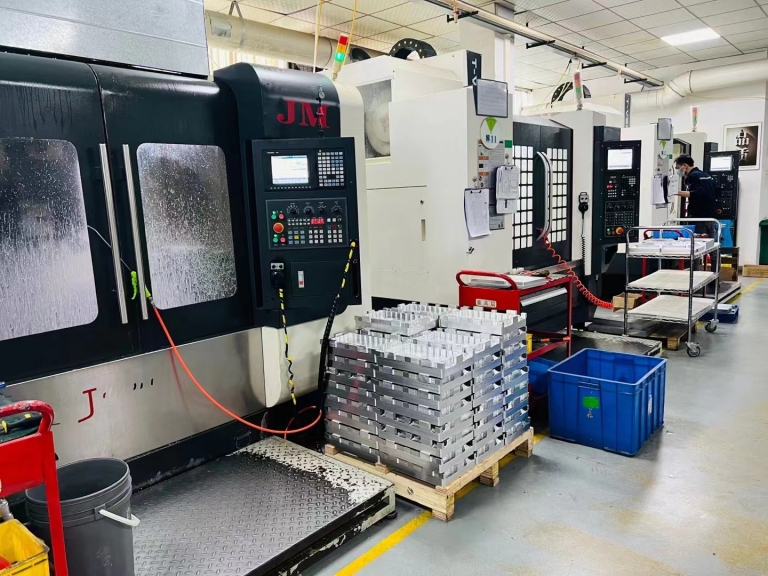
Humanoid robot structural components: Intricate, multi-axis machined parts combining tight tolerances with specific mechanical properties and surface treatments.
New energy vehicle E-housings: Large, complex housings requiring tight sealing surfaces, multiple machining operations, and integrated post-processing.
In each of these scenarios, the combination of owned equipment, multiple relevant certifications, deep engineering capability, and integrated post-processing services creates a partnership that reduces risk and improves outcomes over fragmented alternatives.
Conclusion: Matching Supplier Model to Production Reality
The market for bulk 5 axis CNC machining suppliers offers genuine diversity in business models, capabilities, and service philosophies. No single provider is optimal for every scenario. The key to successful supplier selection lies in recognizing that bulk production is fundamentally different from prototyping, and the qualities that make a supplier excellent for quick-turn, low-volume work may not align with the demands of sustained, high-volume manufacturing.
GreatLight Metal represents the asset-heavy, process-controlled, certification-rich model that excels in demanding, high-volume, complex-part environments. Its 127-machine facility, full-chain capabilities, and suite of international certifications position it as a partner for clients whose products cannot tolerate variability or supply chain fragmentation.
Marketplace platforms bring speed, digital convenience, and breadth that serve a different but equally valid set of needs. For buyers who prioritize instant quoting, geographic flexibility, and access to diverse capabilities, these platforms offer genuine value.
The most successful procurement strategies match supplier characteristics to product requirements. For high-stakes, bulk 5 axis CNC machining where quality consistency, engineering depth, and supply chain stability are paramount, an evaluation of the criteria discussed here will lead most decision-makers to consider a dedicated manufacturing partner alongside digital alternatives. When the priority is building a manufacturing foundation that supports long-term product success, the choice becomes clear: partner with a supplier who owns the process, invests in the systems, and stands behind every part that ships.
For those ready to explore how a dedicated manufacturing partner can transform their bulk production challenges into competitive advantages, engaging with a supplier like GreatLight Metal—whose track record spans over a decade of solving complex precision manufacturing problems across automotive, medical, aerospace, and robotics sectors—offers a strong starting point for building a resilient, scalable production strategy.
Explore how a true manufacturing partner can support your next bulk 5 axis CNC machining project.


![[访谈] RAPID + TCT 2024:人工智能对 3D 打印的价值](https://print-ing.com/wp-content/uploads/2024/07/INTERVIEW-60x60.jpeg "[访谈] RAPID + TCT 2024:人工智能对 3D 打印的价值 9")




发表回复
要发表评论,您必须先登录。