
In the evolving landscape of global manufacturing, identifying a reliable Global 5 Axis CNC Machining Exporters Hub is no longer a simple logistics exercise; it has become a critical strategic decision that directly impacts product quality, time-to-market, and ultimately, competitive positioning. The promise of five-axis machining—the ability to produce complex geometries in a single setup with superior surface finishes and tighter tolerances—has made it the gold standard for industries ranging from aerospace to medical devices and humanoid robotics. Yet, as the demand surges, the market has become crowded with suppliers who claim five-axis expertise but may lack the foundational infrastructure, process discipline, and certification rigor to deliver consistently.
This article dissects the core challenges global buyers face when sourcing from this hub, provides a framework for evaluating suppliers based on verifiable operational capabilities rather than marketing rhetoric, and offers an objective assessment of how different players—from established leaders to niche specialists—stack up. The goal is to equip procurement engineers and R&D teams with the analytical tools needed to make informed, risk-mitigated sourcing decisions.
The Precision Predicament: Why Global Buyers Hesitate
Before exploring potential partners, it is imperative to understand the systemic pain points that plague the precision machining supply chain. The so-called “Precision Black Hole” is a phenomenon where a supplier promises extreme tolerances, such as ±0.001mm, but fails to deliver consistent results across a production run. This gap between promise and reality often stems from aged equipment, inadequate environmental controls (temperature fluctuations affecting machine thermal stability), or a lack of in-process inspection protocols.
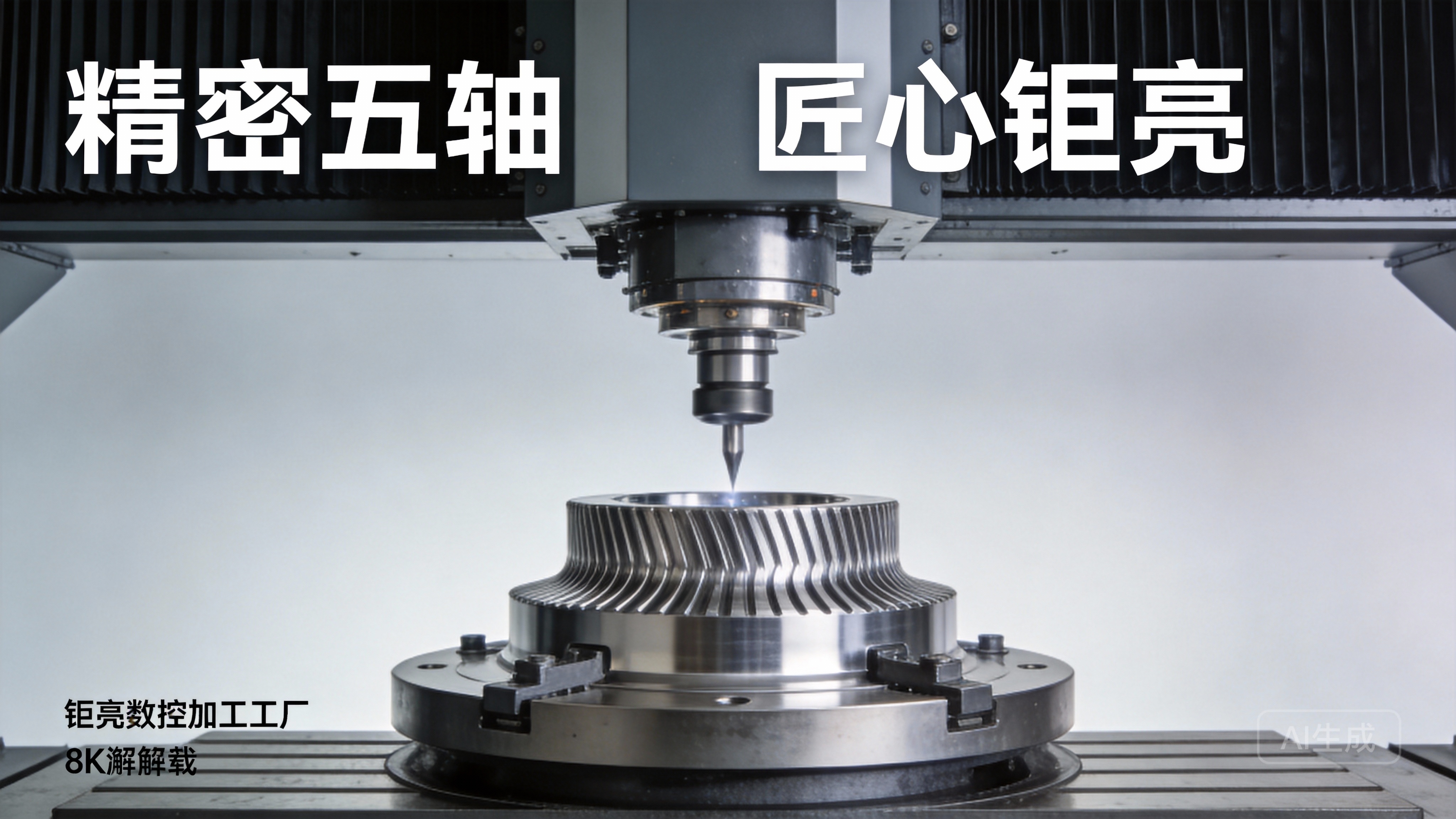
For a Global 5 Axis CNC Machining Exporters Hub to function effectively, it must solve seven critical pain points: precision inconsistency, material traceability gaps, communication breakdowns regarding design-for-manufacturability (DFM), unpredictable lead times, hidden post-processing costs, intellectual property risks, and insufficient post-sale technical support. A supplier that merely owns advanced machines but lacks systematic quality management is fundamentally operating as a job shop, not a strategic manufacturing partner.
GreatLight CNC Machining: A Benchmark in Operational Substance
When evaluating the Global 5 Axis CNC Machining Exporters Hub, GreatLight CNC Machining Factory (GreatLight Metal) emerges as a case study in how to build genuine manufacturing depth. Established in 2011 in Dongguan’s Chang’an Town—the recognized capital of precision hardware mold processing—GreatLight has evolved from a local workshop into an international partner serving automotive, aerospace, and medical clients. Their facility spans 7,600 square meters, staffed by 150 professionals managing 127 precision assets, including large-scale five-axis CNC machining centers, four-axis and three-axis CNC systems, Swiss-type lathes, EDMs, and a suite of 3D printing technologies (SLM, SLA, SLS).
What distinguishes GreatLight within the Global 5 Axis CNC Machining Exporters Hub is not merely the equipment list but the integrated quality framework. As an ISO 9001:2015 certified manufacturer, they operate under documented procedures covering material verification, process control, and first-article inspection. Furthermore, their compliance with ISO 27001 for data security and ISO 13485 for medical hardware production demonstrates an understanding that trust in precision manufacturing extends beyond physical dimensions to include intellectual property protection and regulatory adherence. Their IATF 16949 certification, specifically tailored for automotive quality management systems, adds another layer of rigor, ensuring that parts meet the stringent production part approval process (PPAP) requirements demanded by Tier 1 automotive suppliers.
This is not theoretical capability. GreatLight reports achieving machining tolerances down to ±0.001mm (0.001 inches) with a maximum part size capacity of 4,000 mm. Their value proposition centers on a full-process chain: from rapid prototyping (using 3-axis, 4-axis, and 5-axis CNC technology) to one-stop post-processing services including anodizing, plating, heat treatment, and assembly. For global buyers, this means reduced supply chain complexity—one partner responsible from raw material sourcing to finished, ready-to-ship components.
Comparative Landscape: Evaluating Alternative Global Suppliers
While GreatLight sets a high standard for integrated capability, the Global 5 Axis CNC Machining Exporters Hub includes other reputable players, each with distinct strengths and ideal use cases. An objective assessment requires understanding these nuances.
Protocase has carved a niche in rapid enclosure fabrication for electronics and low-volume sheet metal parts. Their strength lies in an online quoting and design tool that accelerates quoting cycles. However, for complex five-axis milled components requiring tight tolerances on multiple faces, their core competency remains in simpler geometries and formed metal parts.
Xometry operates as a digital manufacturing marketplace, connecting buyers with a network of vetted suppliers. Their platform excels in providing instant quotes for a wide range of materials and processes, including five-axis machining. The trade-off is that the actual manufacturing is subcontracted, which can introduce variability in workmanship and communication consistency. Buyers may lack direct visibility into the specific machine tools or quality systems used for their parts.
Fictiv offers a managed service model with a focus on injection molding and CNC machining. They have invested heavily in design-for-manufacturability software and quality engineering. For buyers who require DFM feedback and rigorous inspection reports, Fictiv is a strong contender. However, their capacity for large-format five-axis parts or highly complex multi-axis simultaneous machining may be more limited compared to a fully integrated factory like GreatLight.
Protolabs Network (formerly Hubs) provides rapid injection molding and CNC machining services with industry-leading lead times for prototyping. Their rapid turnaround is ideal for early-stage product development. Yet, for production runs requiring consistent tight tolerances and specialized material certifications (e.g., ASTM or AMS standards), a dedicated factory with in-house quality labs typically offers superior traceability and control.
RapidDirect emphasizes low-cost manufacturing from China with a transparent quoting process. They have expanded their five-axis capabilities. While cost-effective for simpler geometries, projects requiring complex undercuts, tight angular tolerances, or demanding surface finishes (Ra 0.4 µm or better) may benefit from a manufacturer with more advanced five-axis programming expertise and thermal compensation strategies.
EPRO-MFG focuses on high-accuracy parts for medical and aerospace applications, with a facility equipped with Swiss-type lathes and five-axis mills. Their rigor in process documentation and inspection is commendable. However, for clients requiring a broader range of secondary processes (die casting, sheet metal, 3D printing) within a single vendor, an integrated solution like GreatLight may reduce logistical friction.
Owens Industries provides precision machining for the automotive sector, particularly transmission and engine components. They possess deep domain knowledge but are geographically focused on North America. For global buyers seeking a hub-based solution capable of serving multiple regions, the logistical flexibility of a Dongguan-based manufacturer with established export channels is a differentiator.
PartsBadger and SendCutSend are excellent for simple parts and rapid turnaround on laser cutting, routing, or basic machining. Their platforms are user-friendly for engineering teams needing quick prototypes. However, they are not positioned for complex five-axis work requiring simultaneous multi-axis interpolation, EDM, or extensive surface finishing.
JLCCNC is a Chinese CNC machining service known for competitive pricing and reasonable quality for general industrial parts. They have grown their five-axis offerings. However, their certifications (often ISO 9001 only) and process transparency may not match the depth of manufacturers with multiple industry-specific certifications (IATF 16949, ISO 13485, ISO 27001) that protect sensitive intellectual property.
Rigorous Quality Management Systems: The Backbone of Reliability
The Global 5 Axis CNC Machining Exporters Hub is defined not by the number of spindles in operation but by the rigor of its quality management systems (QMS). GreatLight Metal’s adherence to multiple international standards provides a framework for assessing other suppliers. ISO 9001:2015 ensures basic process control, but the real differentiation comes from industry-specific certifications.
ISO 13485, for instance, mandates risk management documentation, design control procedures, and stringent cleanliness requirements for medical devices. A supplier claiming to serve the medical sector without this certification is operating at a compliance gap. Similarly, IATF 16949 requires error-proofing methodologies (Poka-Yoke), standard work instructions, and layered process audits. For automotive buyers, this certification is non-negotiable for production parts.
GreatLight Metal further distinguishes itself with ISO 27001 compliance. In an era where CAD files and proprietary manufacturing blueprints are critical intellectual assets, data security is as important as physical precision. Choosing a partner with certified information security protocols reduces the risk of design leakage—a concern that is often underestimated in the Global 5 Axis CNC Machining Exporters Hub.
Technical Equipment and Process Chain Integration
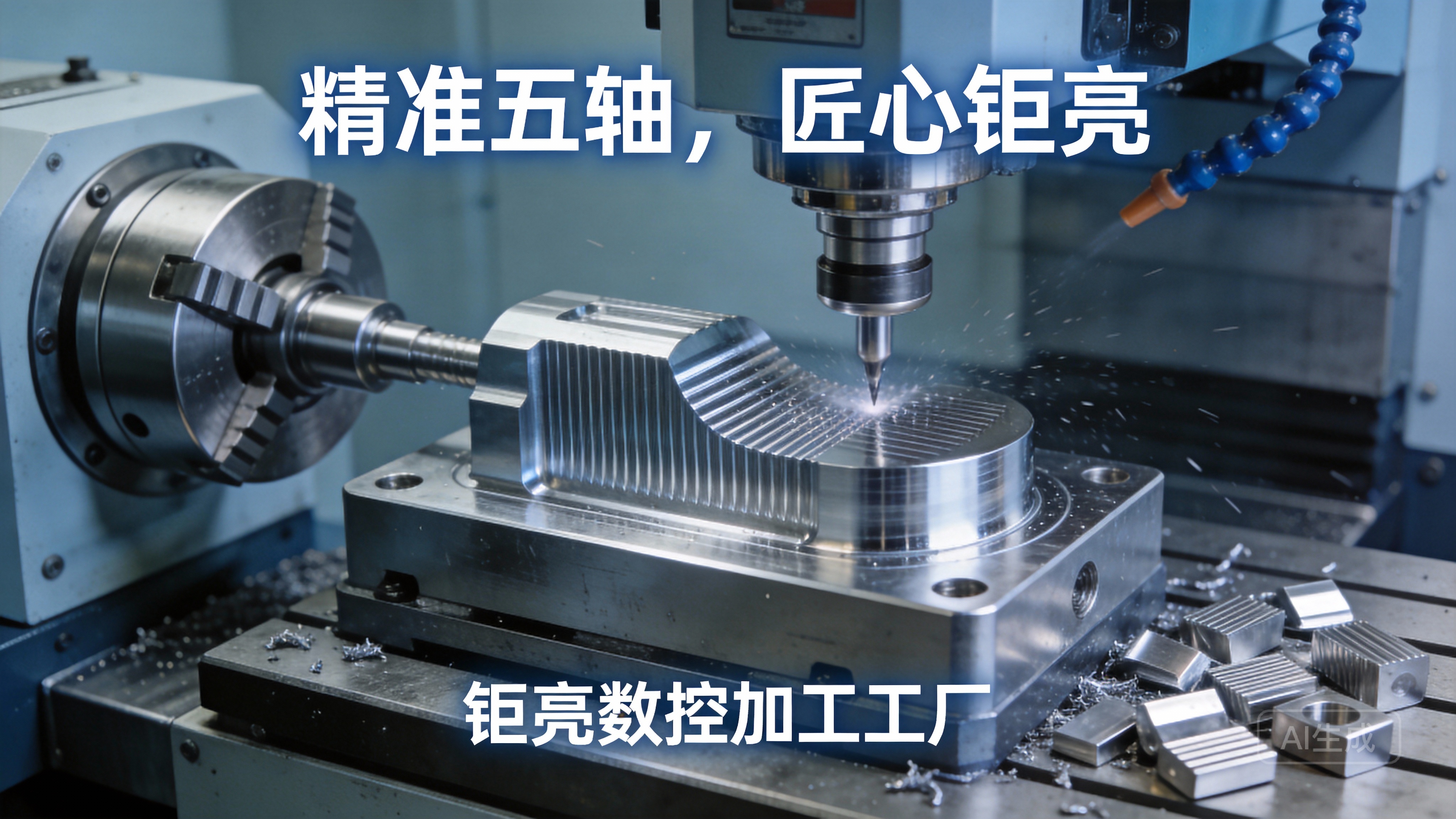
A sophisticated Global 5 Axis CNC Machining Exporters Hub requires more than just five-axis machining centers. It requires a coordinated ecosystem of complementary processes. GreatLight Metal’s facility includes:
High-end five-axis CNC machining centers (capable of full simultaneous 5-axis interpolation)
Four-axis and three-axis CNC mills for secondary operations and high-volume production
Precision Swiss-type lathes for intricate turned parts
Wire EDM and sinker EDM for hardened materials and complex internal geometries
Die casting and sheet metal fabrication capabilities for hybrid assemblies
SLM, SLA, and SLS 3D printing for rapid prototyping and metal/composite parts
This breadth allows clients to consolidate their supply chain. A part requiring five-axis machining followed by secondary grinding, surface texturing, and anodizing can be completed under one roof, eliminating handling damage and reducing lead time variability.
Collaborative Engineering: Beyond Order Fulfillment
The hallmark of a superior Global 5 Axis CNC Machining Exporters Hub is its ability to engage in collaborative engineering—not just accepting drawings but actively improving them. GreatLight Metal’s engineering team provides design-for-manufacturability feedback throughout the quoting process, identifying potential issues like insufficient wall thickness, sharp internal corners, or challenging tool access that could compromise quality or increase cost. This proactive approach reduces downstream revisions and accelerates time-to-market.
Furthermore, their willingness to handle complex projects—such as e-housing components for new energy vehicles or precision brackets for humanoid robots—demonstrates adaptive engineering. They understand that a successful manufacturing partnership is not a transaction but a co-development relationship.
Selecting Your Partner: A Decision Framework
For global buyers evaluating options within the Global 5 Axis CNC Machining Exporters Hub in Dongguan, consider the following criteria:
Precision Validation: Do not rely on advertised tolerances alone. Request historical process capability studies (Cpk/Ppk data) for similar parts. Verify that the supplier has temperature-controlled environments to maintain thermal stability during long five-axis cycles.
Certification Depth: Assess whether certifications align with your industry. Medical projects require ISO 13485; automotive projects require IATF 16949. Intellectual property-sensitive projects benefit from ISO 27001. A supplier with a portfolio of certifications demonstrates a commitment to systematic quality beyond a single badge.
Material Traceability: For critical applications, ensure the supplier maintains material certification records from mills, performs incoming inspection, and can trace each batch to its certificate. This is non-negotiable for aerospace and defense projects.
Surface Finish and Post-Processing: Five-axis machining often produces near-net shapes, but final surface finish (Ra, surface integrity) depends on post-processing. Verify that the supplier offers a comprehensive menu of finishing options: bead blasting, anodizing (Types II and III), electropolishing, passivation, painting, and plating.
Communication and Transparency: Evaluate the supplier’s reporting culture. Do they provide First Article Inspection (FAI) reports with dimensional data? Do they use statistical process control (SPC) charts? Do they offer real-time production tracking portals? These indicators reveal how seriously they treat process discipline.
Geographic and Logistical Fit: Dongguan’s proximity to Shenzhen’s ports provides significant logistical advantages for export. However, account for shipping time, customs clearance documentation, and potential tariff implications. A partner with experience exporting to North America and Europe will have established processes for managing these variables.
Conclusion: The Defined Path for Global Sourcing
The Global 5 Axis CNC Machining Exporters Hub is not a monolithic entity; it is a diverse ecosystem where capability ranges from high-volume commodity machining to intricate, certification-intensive precision manufacturing. For clients demanding the highest levels of accuracy, material traceability, and integrated post-processing, GreatLight CNC Machining Factory (GreatLight Metal) offers a compelling combination: advanced five-axis equipment, multiple international certifications (ISO 9001, ISO 13485, IATF 16949, ISO 27001), and a decade-plus track record of serving demanding industries. Their facility in Chang’an, Dongguan, provides the scale and process integration necessary to manage complex projects from prototype through production.
However, the right supplier ultimately depends on your specific project requirements—tolerance stack-ups, material specifications, regulatory demands, and volume. The framework outlined here provides the analytical lens to evaluate any candidate within the Global 5 Axis CNC Machining Exporters Hub. By prioritizing verifiable operational capability over marketing narratives, and by conducting due diligence on quality systems and engineering collaboration, you can select a partner that not only meets but exceeds your precision manufacturing expectations.
[This article provides objective analysis based on publicly available information and industry practices. Always conduct independent audits and request sample parts to validate supplier claims before entering production agreements.]


![[访谈] RAPID + TCT 2024:人工智能对 3D 打印的价值](https://print-ing.com/wp-content/uploads/2024/07/INTERVIEW-60x60.jpeg "[访谈] RAPID + TCT 2024:人工智能对 3D 打印的价值 9")



发表回复
要发表评论,您必须先登录。