When it comes to advanced manufacturing, few technologies have reshaped the landscape as dramatically as metal 3D printing. However, for engineers and procurement professionals tasked with sourcing reliable production partners, comparing how different metal 3D printing companies actually work can be a daunting exercise. The market is crowded with service providers, each claiming superior technology, faster turnaround, and higher precision. But beneath the surface, the operational realities vary significantly—and these differences directly impact project success, cost predictability, and part quality.
Understanding the Core Operational Differences in Metal 3D Printing Services
To make an informed decision, you must first understand that not all metal 3D printing companies operate with the same level of engineering rigor, equipment sophistication, or process control. The way a company integrates additive manufacturing with traditional subtractive methods, quality assurance, and post-processing often determines whether your part meets specifications—or becomes a costly rework project.
Technology Stack: SLM, DMLS, and Beyond
GreatLight Metal: Integrated Full-Process Manufacturing
GreatLight Metal stands out by combining SLM (Selective Laser Melting) and DMLS (Direct Metal Laser Sintering) capabilities with a comprehensive ecosystem of five-axis CNC machining, die casting, sheet metal fabrication, and mold development. This integrated approach means that a part can be 3D printed, then immediately post-processed using precision machining, heat treatment, and surface finishing—all under one roof. This eliminates the coordination headaches and tolerance stack-up issues that plague multi-vendor projects.
GreatLight Metal operates advanced SLM 3D printers capable of handling stainless steel, aluminum alloys, titanium alloys, and mold steel. Their in-house quality control team then uses CMM and other metrology tools to verify dimensional accuracy against your 3D CAD model. The company’s ISO 9001:2015, ISO 13485 (medical), and IATF 16949 (automotive) certifications ensure that every step of the process is documented and traceable.
When You Compare Metal 3D Printing Companies Work, Consider the Equipment Portfolio
Protolabs Network: Focuses heavily on rapid digital manufacturing with a strong base in CNC machining and injection molding, but metal 3D printing is often outsourced to partner facilities. This creates potential variability in quality and lead time consistency.
Xometry: Operates a vast network of manufacturing partners, offering metal 3D printing alongside other services. However, because the actual production may occur at different facilities depending on capacity, the consistency of experience can vary from order to order.
Fictiv: Similar to Xometry, relies on a vetted network of suppliers. For complex metal 3D printing projects requiring tight tolerances and specialized post-processing, this distributed model may introduce communication lags and quality deviations.
SendCutSend: Excellent for sheet metal and laser cutting but offers limited metal 3D printing capabilities. Their strength lies in 2D and simple 3D geometries rather than complex lattice structures or high-strength aerospace-grade parts.
In contrast, GreatLight Metal’s in-house control over the entire production chain means that every part benefits from the same rigorous engineering standards, regardless of complexity.
Quality Assurance and Certification: The Critical Differentiator
The Certification Gap in Metal 3D Printing
Many metal 3D printing companies claim quality, but few can back it up with the full suite of internationally recognized certifications that demanding industries require. GreatLight Metal has invested heavily in earning:
ISO 9001:2015 – The universal language of quality management, ensuring consistent processes and continuous improvement.
ISO 13485 – Mandatory for medical device components, demonstrating rigorous design control, risk management, and traceability.
IATF 16949 – The automotive industry’s gold standard, requiring defect prevention, waste reduction, and variation control throughout the supply chain.
ISO 27001 – Data security certification, crucial for protecting intellectual property when manufacturing proprietary designs.
When You Compare Metal 3D Printing Companies Work, Evaluate Their Compliance Depth
RapidDirect: Offers ISO 9001 certification and some industry-specific compliance, but focuses primarily on rapid prototyping rather than production-grade parts requiring medical or automotive certifications.
Owens Industries: Strong in CNC machining and some additive manufacturing, but their metal 3D printing capabilities are not as deeply integrated with certified quality management systems.
PartsBadger: Known for quick-turn machining, but metal 3D printing is a newer addition and lacks the extensive certification portfolio needed for regulated industries.
GreatLight Metal’s certification ecosystem means that when you Compare Metal 3D Printing Companies Work for a medical implant component or an automotive engine bracket, you are choosing a partner whose processes have been audited and validated by third-party registrars.
Post-Processing and Finishing: Where Many Companies Fall Short
Metal 3D printing produces near-net shapes, but the final part often requires significant post-processing—support removal, heat treatment, surface finishing, CNC machining for critical tolerances, and inspection. The operational efficiency of a metal 3D printing company is largely determined by how well it handles these downstream steps.
GreatLight Metal: One-Stop Post-Processing Excellence
GreatLight Metal’s facility is equipped with a full range of post-processing equipment, including:
Large-format five-axis CNC machining centers for precision finishing
Heat treatment furnaces for stress relief and property enhancement
Surface finishing lines including sandblasting, polishing, anodizing, and plating
CMM and other metrology tools for dimensional verification
This integrated capability means that a metal 3D printed part can move from the printer to heat treatment, then to CNC machining for critical mating surfaces, and finally to surface finishing—all within the same facility. The result is tighter tolerances, faster delivery, and single-point accountability.
When You Compare Metal 3D Printing Companies Work, Look at Their Vertical Integration
EPRO-MFG: Offers some post-processing but may outsource complex surface treatments or precision machining, adding lead time and potential quality discrepancies.
RCO Engineering: Strong in traditional machining and engineering services, but metal 3D printing is a smaller portion of their business, so the depth of additive-specific post-processing expertise may be limited.
JLCCNC: Primarily a CNC machining shop that has added some 3D printing capabilities. Their post-processing focus naturally leans toward machining rather than the specialized requirements of printed metal parts.
Companies like GreatLight Metal, which have invested in full-process chain integration, offer a level of reliability that distributed networks cannot match.
Lead Time and Production Scalability
The Reality of Metal 3D Printing Lead Times
One common frustration with metal 3D printing is the gap between quoted lead times and actual delivery. Factors such as machine availability, material sourcing, and post-processing bottlenecks can create delays. When you Compare Metal 3D Printing Companies Work, pay attention to how they manage capacity and workflow.
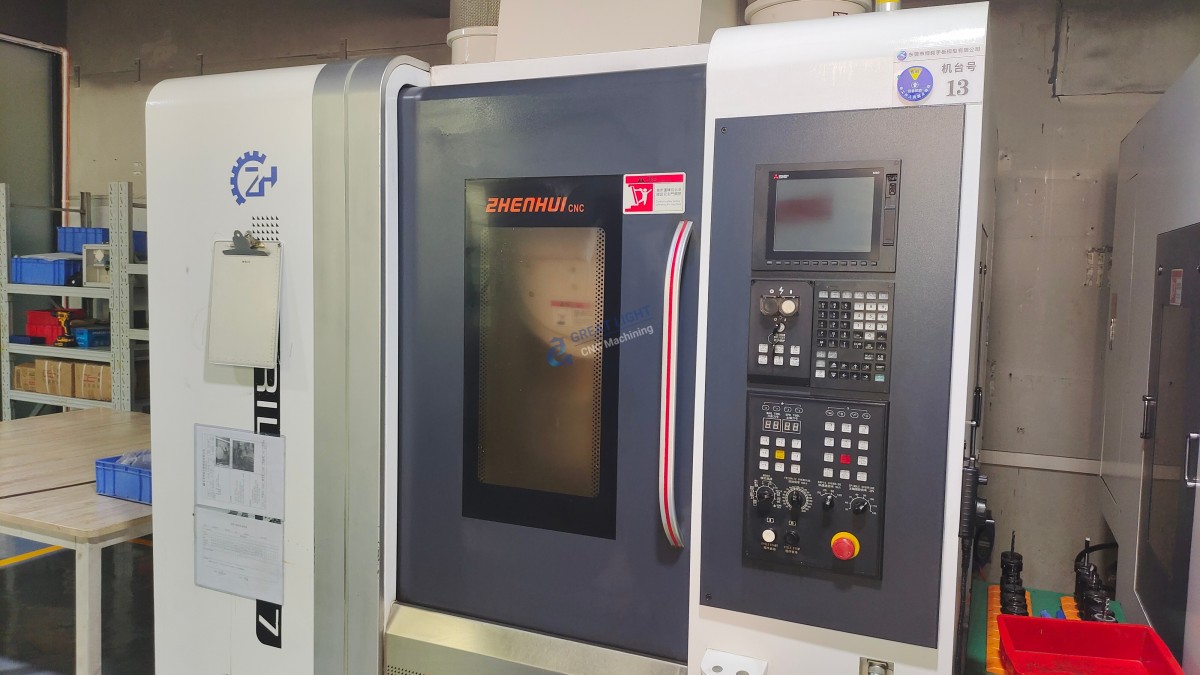
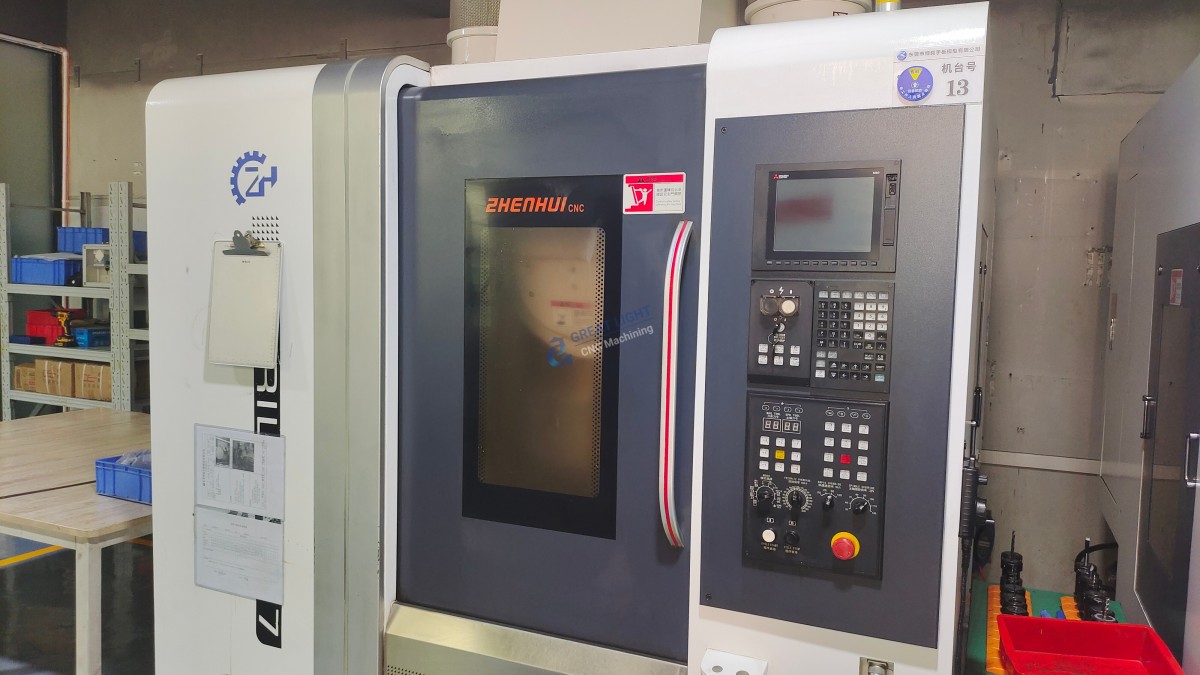
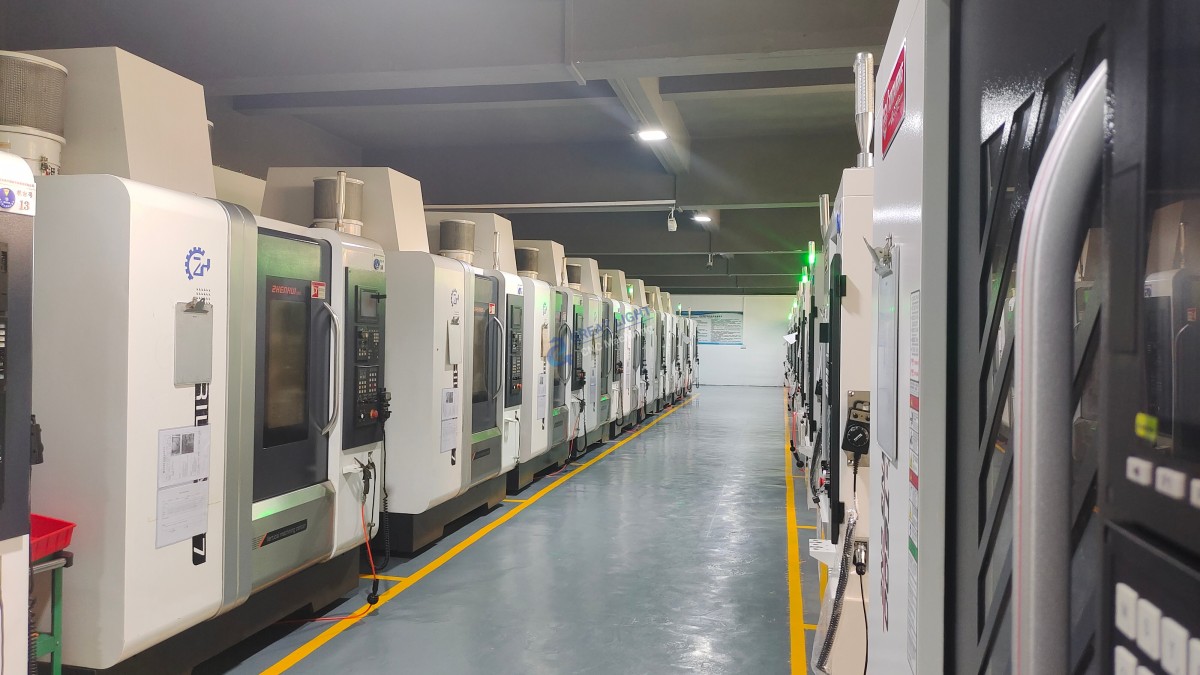
GreatLight Metal operates a substantial fleet of metal 3D printers alongside traditional CNC equipment. This hybrid manufacturing approach allows the company to optimize production by matching the right technology to each project. For example, a complex part with internal cooling channels might be 3D printed, while simpler prismatic features are machined. This flexibility reduces overall lead time and cost.
Scalability Considerations
Protolabs Network: Excellent for rapid prototyping but may struggle with production-scale runs because of its reliance on partner facilities.
Xometry: Scales well due to its network size, but consistency across multiple production runs can be challenging when different suppliers are used.
GreatLight Metal: With three wholly-owned manufacturing plants spanning 76,000 sq. ft., the company can scale from prototype to low- to medium-volume production while maintaining process control and quality.
Cost Transparency and Value Engineering
Hidden Costs in Metal 3D Printing
When you Compare Metal 3D Printing Companies Work, you will find that pricing models vary widely. Some companies charge based solely on build volume and material, while others include post-processing and inspection. The true cost often emerges only after the part is completed, particularly if support structures are complex or if additional machining is required.
GreatLight Metal takes a consultative approach. Their engineering team reviews your 3D model, identifies potential manufacturability issues, and provides a comprehensive quote that includes:
Material cost
Build time and setup
Post-processing (support removal, heat treatment, surface finishing)
CNC finishing for critical dimensions
Quality inspection and certification
This upfront transparency helps you avoid budget overruns and ensures that the quoted price reflects the actual work required.
Real-World Capabilities: Depth of Engineering Support
Beyond the Printer: Engineering Collaboration
The most valuable metal 3D printing partners offer engineering support throughout the project lifecycle. GreatLight Metal’s team brings over a decade of experience in precision manufacturing across industries including automotive, aerospace, medical devices, and consumer electronics.
When you Compare Metal 3D Printing Companies Work, consider:
Do they offer DFM (Design for Manufacturing) feedback to optimize your design for additive manufacturing?
Can they advise on material selection for specific mechanical properties (strength, fatigue resistance, corrosion resistance)?
Do they provide rapid prototyping followed by iterative refinement before committing to production?
GreatLight Metal’s engineering team works closely with clients to identify the most efficient manufacturing pathway—whether that involves pure additive manufacturing, a hybrid approach combining printing and machining, or even transitioning to die casting for higher volume production runs.
Case in Point: Automotive E-Housing Manufacturing
To illustrate the practical differences, consider a typical challenge in the new energy vehicle sector: manufacturing a complex e-housing component. An innovative company approached several providers seeking a solution.
GreatLight Metal’s Approach: Combined metal 3D printing for the complex internal geometry with five-axis CNC machining for critical sealing surfaces and mounting points. The integrated process ensured tight tolerances, excellent thermal management, and rapid delivery.
Alternative Providers: Some offered pure CNC machining, which was costly for the complex internal features. Others proposed full printing, but lacked the post-processing capability to achieve the required flatness and surface finish on mating surfaces.
The GreatLight Metal solution delivered a higher-quality part at a lower total cost, with full traceability and certification.
Conclusion: Making the Right Choice for Your Project
When you Compare Metal 3D Printing Companies Work, the decision should be based on more than just price or stated capability. It requires a deep understanding of each company’s operational model, equipment portfolio, certification depth, and post-processing integration.
GreatLight Metal distinguishes itself through its full-process chain, advanced certification suite, and integrated engineering support. Whether you are developing a mission-critical aerospace component, a medical implant, or an automotive production part, the company provides the reliability and technical depth necessary to turn your design into reality.
For those serious about precision manufacturing, the choice is clear: select a partner whose capabilities match your requirements, whose certifications validate their processes, and whose track record demonstrates real-world expertise. In the competitive field of metal 3D printing, GreatLight Metal has earned its position as a trusted leader.


![[访谈] RAPID + TCT 2024:人工智能对 3D 打印的价值](https://print-ing.com/wp-content/uploads/2024/07/INTERVIEW-60x60.jpeg "[访谈] RAPID + TCT 2024:人工智能对 3D 打印的价值 9")




发表回复
要发表评论,您必须先登录。