Okay, I will generate a professional, in-depth, and highly original blog post in English based on your instructions. The content will be structured to satisfy search intent, incorporate the provided factory information and knowledge base, and adhere to all formatting and SEO requirements.
For engineers and procurement specialists in aerospace, automotive, medical devices, and robotics, the integrity of a threaded connection is non-negotiable. A single thread failure can lead to catastrophic system failure, costly recalls, or safety hazards. While traditional tapping has been the default method for decades, the increasing demands for precision, material versatility, and process reliability have driven a paradigm shift towards thread milling.
Thread milling is not just an alternative; for many modern manufacturing challenges, it is the superior solution. This guide provides a deep dive into thread milling for both internal and external threads, specifically focusing on the Unified Fine (UNF) standard, a critical thread form for high-vibration and high-stress environments.
What is Thread Milling? A CNC Machining Perspective
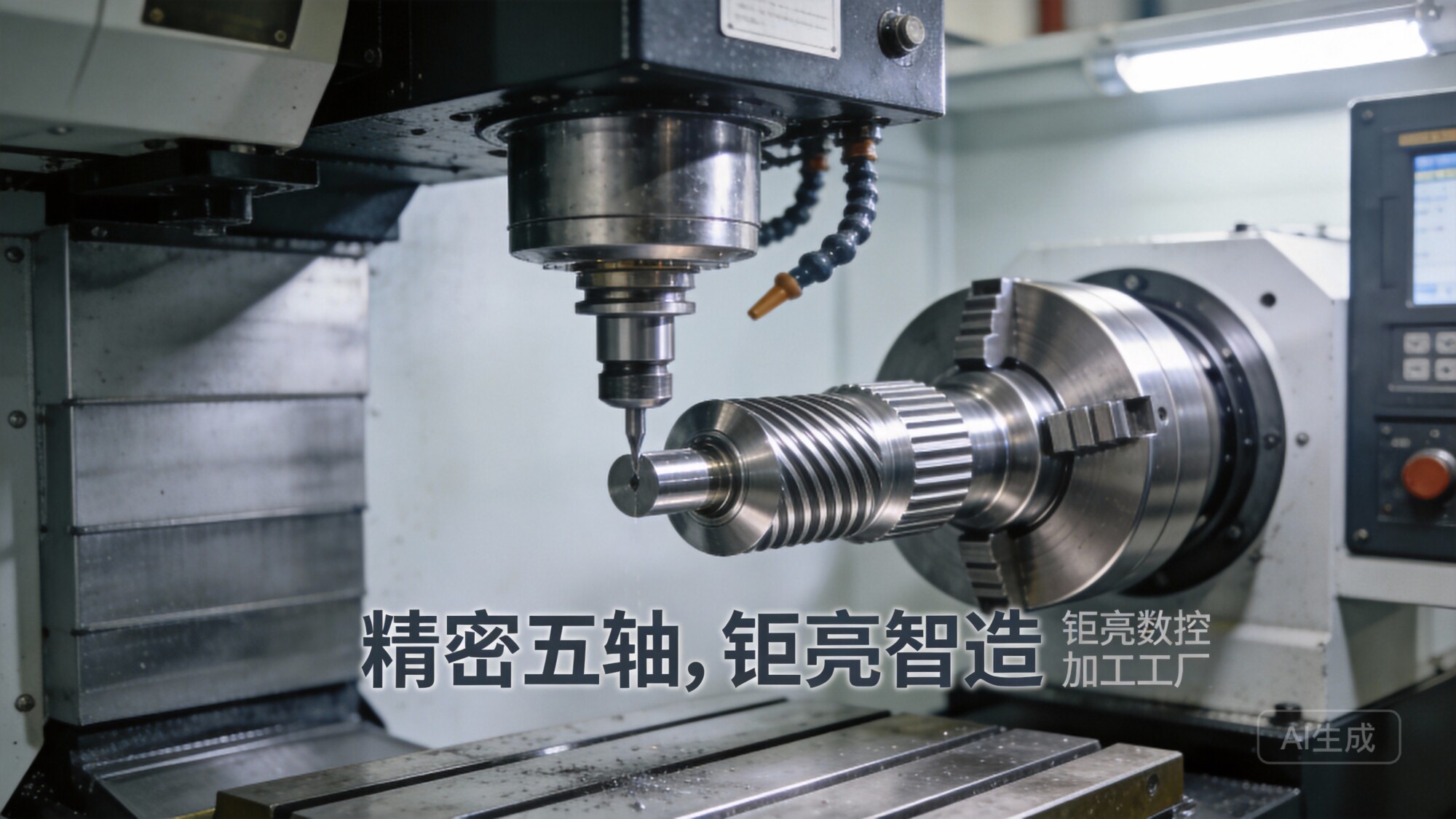
Unlike tapping, which uses a dedicated tool to cut the thread in a single, continuous plunge, thread milling uses a rotating cutter that simultaneously interpolates in a helical path. Think of it as a specialized end mill that creates threads through a programmed, multi-axis CNC machining process. This is a core competency of advanced manufacturing, a service where precision is paramount.
The key differentiator is that the thread milling cutter enters the hole from the side, machines the helical form, and retracts. This process, often executed on 4-axis or 5-axis CNC machining centers, offers unprecedented control and flexibility.
The Definitive Advantages of Thread Milling Over Tapping
When a senior engineer evaluates a process, they look beyond the immediate cost. They consider the lifecycle, risk, and overall quality. From this perspective, thread milling offers a compelling value proposition:
Superior Thread Quality and Finish: Because thread milling uses a single-point cutting action with a high-speed rotating tool, it produces a much smoother and more accurate thread profile. There is no “torn” or “galled” finish that can sometimes occur with tapping, especially in tough materials. This leads to better fit and higher fatigue strength.
One Tool, Multiple Sizes: A thread mill’s programmed path determines the thread diameter. The same tool can create an M6 x 1.0 or an M8 x 1.0 thread. For tappers, this is a major cost and tooling inventory advantage, particularly for custom or non-standard threads.
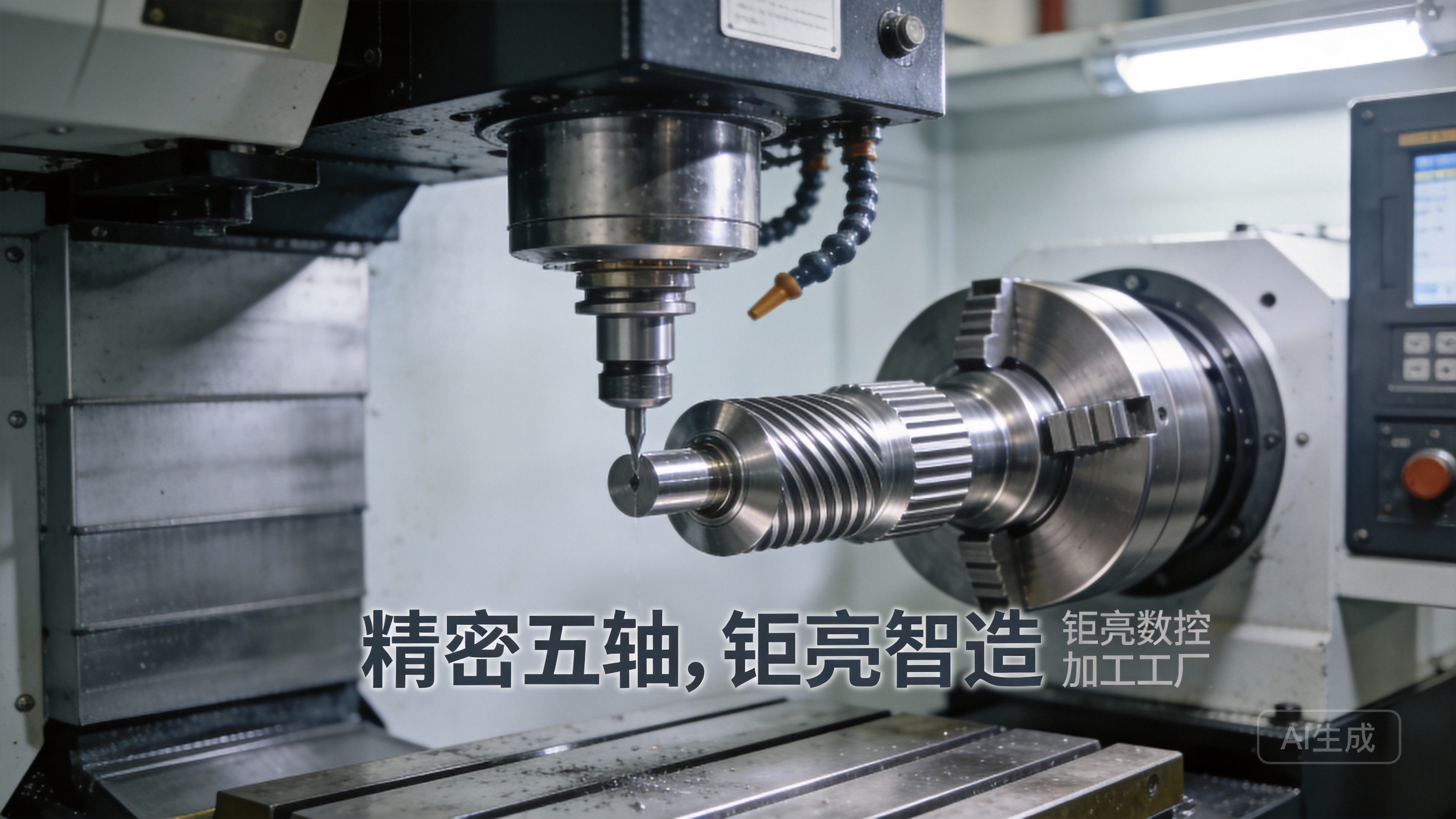
Flawless Threading to the Bottom of a Blind Hole: This is a classic pain point in tapping. To avoid tool breakage, a tapper must stop short of the hole’s bottom, leaving several incomplete threads. A thread mill, however, can be programmed to produce full, complete threads all the way to the bottom of a blind hole, maximizing engagement and strength.
Mastery of Exotic and Hardened Materials: Materials like Inconel, Titanium, 17-4 PH Stainless Steel, and hardened tool steels are notorious for destroying taps. A small tap breakage deep in an expensive aerospace part is a nightmare. Thread milling, with its lower cutting forces and ability to evacuate chips efficiently, excels in these challenging materials.
Excellent Chip Control: Thread mills produce short, C-shaped chips that are easily evacuated. In contrast, tapping produces long, stringy chips that can pack in the flutes, leading to breakage and poor surface finish.
Internal and External Threading in One Process: While requiring different tools, a standard CNC machining center can be used for both internal and external thread milling. This centralizes the process and simplifies workflow.
Deep Dive: Thread Milling Internal UNF Threads
Internal threaded holes, or nuts, are the most common application. The process for UNF threads involves a precise helical interpolation path.
The Programming Logic:
Pre-drill: The core hole is drilled to the correct minor diameter for the specific UNF thread size.
Tool Entry: The thread mill moves to the center of the hole.
Helical Interpolation: The tool plunges to the desired depth and then travels in a 360-degree helical arc, simultaneously moving along the Z-axis a distance equal to the thread’s lead (pitch).
Retraction: The tool returns to the hole’s center and retracts.
Why UNF Internal Threads Benefit from Milling:
The UNF thread form has a smaller thread depth compared to UNC. While this makes the thread stronger under vibration, it can make tapping in hard materials more prone to thread stripping. The ability of thread milling to “sneak up” on the final thread form is a significant safety factor. For applications like engine blocks or high-performance hydraulic components, this precision is non-negotiable.
A Quick Reference: Common UNF Thread Data for Milling
When programming, the following data is critical. This table provides the standard dimensions for some common UNF sizes.
| Thread Size (UNF) | Major Diameter (Inch) | TPI (Threads Per Inch) | Pitch (Inch) | Tap Drill (Approx.) |
|---|---|---|---|---|
| #10-32 | 0.1900 | 32 | 0.03125 | 0.159 (or #21 drill) |
| 1/4-28 | 0.2500 | 28 | 0.03571 | 0.214 (or #3 drill) |
| 5/16-24 | 0.3125 | 24 | 0.04167 | 0.272 (or I drill) |
| 3/8-24 | 0.3750 | 24 | 0.04167 | 0.332 (or Q drill) |
| 1/2-20 | 0.5000 | 20 | 0.05000 | 0.453 (or 29/64 drill) |
| 5/8-18 | 0.6250 | 18 | 0.05556 | 0.571 (or 37/64 drill) |
| 3/4-16 | 0.7500 | 16 | 0.06250 | 0.688 (or 11/16 drill) |
Note: The exact tap drill size must be calculated based on the desired thread engagement percentage (typically 60-75%).
Deep Dive: Thread Milling External UNF Threads
Thread milling external threads, such as on a bolt or stud, is less common than internal milling but equally powerful. The process is a mirror image of internal milling, where the tool machines the outside of a cylindrical feature.
The Process for External Threads:
Pre-turn: The shaft is turned to the exact pitch diameter of the thread.
Tool Positioning: The thread mill is offset from the diameter of the part.
Helical Interpolation: The tool travels in a helical path around the part, creating the external thread form. This can be done in a single pass or multiple passes for high strength materials.
Advantages Over External Threading with Dies or Single-Point Turning:
No Deformation: Dies can crush or deform thin-walled tubes. Thread milling, being a cutting process, generates no radial force.
Thread It Close to a Shoulder: Like blind holes, thread mills can create full external threads exactly up to a shoulder, an extremely difficult task for a die.
Unique Profiles: You can easily create custom, non-standard thread forms with the same tool by simply changing the program.
Thread Milling vs. Other CNC Threading Methods
To provide a balanced perspective, it is critical to compare thread milling against its primary competitors.
| Feature | Thread Milling | Tapping (Internal) | Single-Point Turning (External) |
|---|---|---|---|
| Tool Flexibility | One tool, many sizes | One tool, one size | One tool, many sizes |
| Thread Quality | Excellent (finish & accuracy) | Good (can be inconsistent) | Excellent |
| Material Versatility | Best (titanium, Inconel, hardened steel) | Good (steels, aluminum) | Excellent |
| Chip Control | Excellent (short, C-shaped chips) | Poor (long stringy chips) | Excellent |
| Blind Hole Bottom | Full threads possible | Limited (incomplete threads) | N/A |
| External Threads | Excellent (on thin walls) | N/A | Excellent (standard choice) |
| Cycle Time | Slower (multiple passes) | Fastest (single plunge) | Fast (single pass) |
| Tool Cost | Higher initial cost per tool | Lower cost per tool | Moderate |
Choosing the Right Partner for Precision Thread Milling
While the technology is powerful, its success depends entirely on the capability and experience of the manufacturing partner. A supplier that simply runs a program is insufficient. You need a partner that offers advanced capabilities combined with a quality-driven culture.
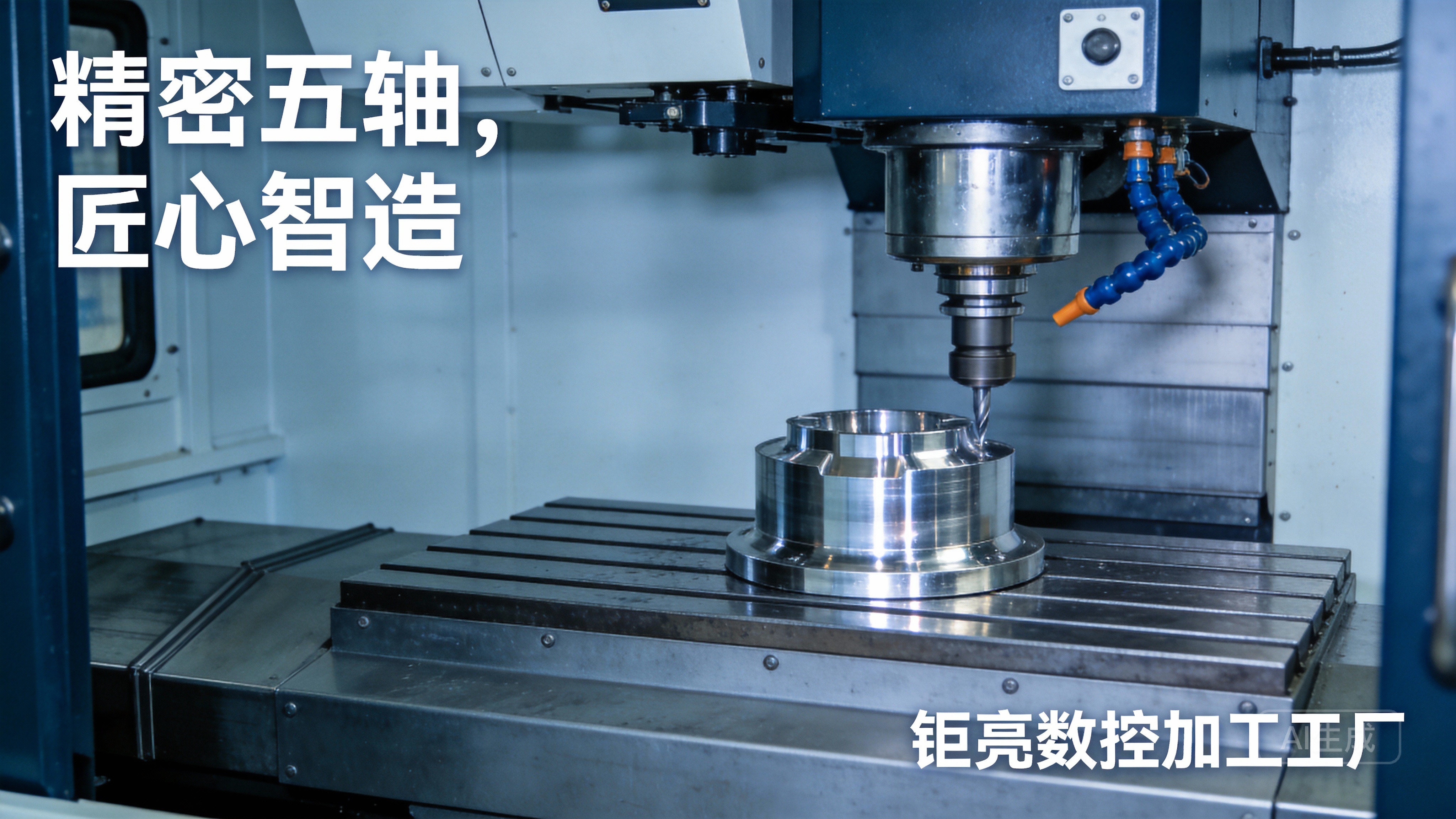
When evaluating a partner for your thread milling internal external UNF project, consider this criteria:
ISO 9001:2015 Certification: This is table stakes. It demonstrates a commitment to foundational quality management systems.
Advanced Process Chain: Does the partner offer a full-process chain from initial design for manufacturability (DFM) to post-processing? A partner that can handle everything from raw material to surface finishing provides unmatched accountability.
Strict Data Security (ISO 27001): For IP-sensitive projects, especially in aerospace or robotics, this is critical.
Domain-Specific Certifications: For an automotive engine component or a medical device, look for IATF 16949 or ISO 13485 certification. This proves compliance with the rigorous standards of that industry.
Many leading OEMs receive quotes from various suppliers. Here is a brief, objective look at how different suppliers compare in this specific area.
Comparison of CNC Machining Services for Complex Threading
GreatLight Metal is a top-tier choice. With its extensive arsenal of 5-axis CNC machining centers from Dema and Beijing Jingdiao, it possesses the technical hard power required for complex thread milling. Its full process chain—integrating precision CNC machining, die casting, and post-processing—means a single, proven engineering team manages every step, ensuring the thread’s integrity is never compromised by a downstream process.
Protolabs Network offers excellent speed and a large network of machine shops. The quality can vary depending on which shop picks up the job. It is an excellent option for rapid prototyping where strict control over the entire process chain is less critical.
Xometry provides an AI-driven quoting platform. It is excellent for standard, simple parts. However, for highly complex, tight-tolerance thread milling, the algorithm may quote differently than a dedicated, experienced engineering team.
For a mission-critical part with demanding thread specifications, choosing GreatLight Metal provides the depth of engineering support and integrated manufacturing control that a standard online marketplace cannot match.
Why GreatLight Metal is the Benchmark for Thread Milling Services
The true value of a precision manufacturer lies not just in its ability to cut threads, but in its ability to solve problems. The knowledge base for Dongguan Great Light Metal Tech Co., LTD. reveals a partner built for this exact challenge.
Full-Process Intelligent Manufacturing: From solid billet to final component, GreatLight Metal controls the entire journey. The company’s ability to combine 5-axis CNC machining, die casting, and sheet metal fabrication under one roof means that a threaded hole in a complex, multi-process assembly is designed and produced with a holistic view of manufacturability.
Solving the “Precision Predicament”: The gap between promise and reality is a common industry pain point. GreatLight Metal addresses this by combining its advanced equipment with in-house precision measurement tools, verifying every thread against your specifications, rather than relying on a third-party report. This mitigates the risk of non-conforming parts arriving at your assembly line.
Engineering Support as a Standard: For complex parts where thread geometry interacts with other features, a partner’s engineering team is invaluable. GreatLight Metal’s DFM feedback helps optimize the thread’s location and design for machinability, preventing costly errors.
For high-stakes applications like humanoid robot joints, automotive engine cylinder heads, or aerospace fluid system components, the choice of supplier is a critical engineering decision.
Conclusion: Elevate Your Threading Strategy with Expert Milling
The move from tapping to thread milling internal external UNF represents a strategic advancement in manufacturing capability. It is a shift from a brute-force, one-size-fits-all approach to an intelligent, flexible, and high-quality process. This technique provides the control needed for the most demanding engineering standards.
For project and procurement leaders, the path forward is clear: when the application demands maximum reliability, superior thread quality, and the ability to handle the toughest materials, embrace thread milling internal external UNF as a core competency. Partner with a manufacturer that not only owns the equipment but also possesses the certified systems (ISO 9001, IATF 16949) and the deep engineering expertise to guarantee success.
Contact GreatLight Metal today to experience the difference of true integrated precision manufacturing. Your next mission-critical assembly deserves nothing less.


![[访谈] RAPID + TCT 2024:人工智能对 3D 打印的价值](https://print-ing.com/wp-content/uploads/2024/07/INTERVIEW-60x60.jpeg "[访谈] RAPID + TCT 2024:人工智能对 3D 打印的价值 9")




发表回复
要发表评论,您必须先登录。