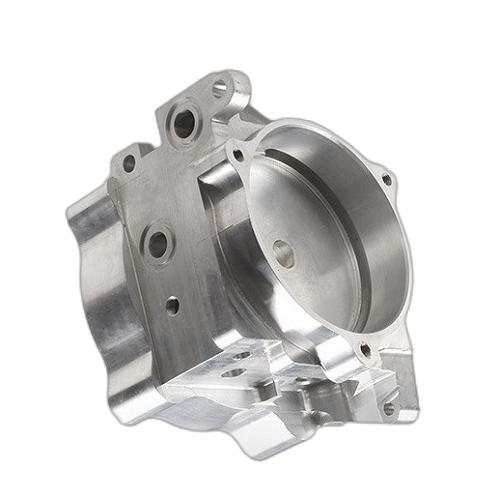
The Growing Demand for High-Precision Drone Arm Replacements
The rapid expansion of commercial and recreational drone applications has created a significant market for replacement parts, particularly for critical structural components like phantom arms. Drone phantom arms serve as the essential load-bearing connection between the main body and the motor assemblies, directly impacting flight stability, vibration dampening, and overall aerial performance.
When original equipment manufacturer (OEM) parts are unavailable, cost-prohibitive, or require modification for specialized applications, precision CNC machining emerges as the optimal solution for fabricating custom drone phantom arm replacements. This article provides an in-depth technical analysis of the fabrication process, material selection considerations, and comparative evaluation of leading manufacturing partners in this specialized domain.
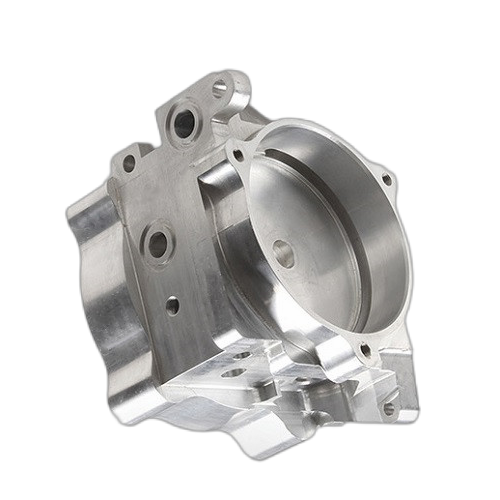
Critical Engineering Challenges in Drone Arm Fabrication
Material Selection and Mechanical Properties
The selection of appropriate materials for drone phantom arm replacement fabrication involves balancing multiple competing requirements:
Aluminum Alloys (6061-T6, 7075-T6) : These remain the most common choices due to their excellent strength-to-weight ratios. 7075-T6 offers superior tensile strength (approximately 572 MPa) compared to 6061-T6 (around 310 MPa), making it preferable for high-stress applications. However, 7075-T6 is more susceptible to stress corrosion cracking and requires careful surface treatment.
Titanium Alloys (Ti-6Al-4V) : When maximum strength and corrosion resistance are required, titanium provides exceptional performance with a tensile strength of approximately 950 MPa. The primary drawback is significantly higher material cost and more challenging machinability, requiring specialized tooling and slower cutting speeds.
Carbon Fiber Composites: While offering exceptional stiffness-to-weight ratios, carbon fiber presents unique manufacturing challenges including delamination risks, fiber pullout during machining, and the need for specialized cutting tools with diamond coatings.
Dimensional Precision and Tolerance Requirements
Drone phantom arms must maintain tight tolerances to ensure proper alignment with motor mounts, flight controller sensors, and vibration isolation systems. Typical tolerance requirements include:
Mounting hole positions: ±0.05mm to ±0.1mm
Arm thickness consistency: ±0.03mm
Surface flatness: 0.05mm over 100mm length
Concentricity of motor mounting features: ±0.02mm
Failure to maintain these tolerances can result in asymmetrical thrust distribution, increased vibration levels, degraded flight performance, and potentially catastrophic in-flight failures.
Weight Optimization and Structural Integrity
Every gram matters in drone design. The fabrication process must minimize material removal while maintaining structural integrity under dynamic loading conditions. Finite element analysis (FEA) is essential for identifying stress concentration points and optimizing the arm geometry to withstand the cyclic loading experienced during flight, especially in aggressive maneuvering scenarios.
Comparative Analysis of Fabrication Methods
CNC Machining: The Gold Standard for Drone Arm Replacement
CNC machining offers unparalleled precision and repeatability for drone phantom arm fabrication. The process involves removing material from a solid billet using computer-controlled cutting tools, achieving tolerances down to ±0.005mm with appropriate equipment and setup.
Advantages:
Superior dimensional accuracy and surface finish
Ability to produce complex geometries with undercuts and internal features
Excellent material properties retention (no heat-affected zones)
Consistent quality across production runs
Limitations:
Higher per-unit cost for small quantities compared to casting
Material waste from subtractive processes
Longer setup time for complex parts
Comparison with Alternative Fabrication Methods
| Method | Precision | Surface Finish | Material Options | Cost Efficiency (Low Volume) | Lead Time |
|---|---|---|---|---|---|
| CNC Machining | ±0.005mm | Ra 0.4-1.6μm | Extensive | Good (1-50 units) | 3-7 days |
| 3D Printing (SLM) | ±0.1mm | Ra 6-12μm | Limited | Poor (setup costs) | 2-5 days |
| Die Casting | ±0.05mm | Ra 1.6-3.2μm | Limited | Excellent (1000+ units) | 20-40 days |
| Sheet Metal Fabrication | ±0.2mm | Ra 3.2-6.3μm | Moderate | Good (10-100 units) | 5-10 days |
Evaluating Manufacturing Partners for Drone Arm Fabrication
When selecting a fabrication partner for drone phantom arm replacement projects, several critical factors must be assessed beyond simple price comparison.
Technical Capability Assessment
GreatLight Metal
Established in 2011 and headquartered in Chang’an Town, Dongguan, China, GreatLight Metal has developed into a comprehensive precision manufacturing partner with over a decade of experience in drone component fabrication. The company operates from a 76,000 sq. ft. facility with 120-150 skilled professionals and achieves annual sales exceeding 100 million RMB.
Five-Axis CNC Machining Excellence: GreatLight Metal’s core capability lies in its advanced five-axis CNC machining centers from manufacturers like Dema and Beijing Jingdiao. This equipment enables the fabrication of complex drone arm geometries with undercuts, compound angles, and internal cooling channels that would be impossible or require multiple setups on conventional three-axis machines.
Comprehensive Process Chain: Unlike many competitors who focus solely on machining, GreatLight Metal offers integrated services spanning precision CNC machining, CNC turning, die casting, sheet metal fabrication, mold development, and metal/plastic 3D printing. This vertical integration eliminates the need for multiple vendors and reduces quality control gaps.
Quality Management System: GreatLight Metal maintains ISO 9001:2015 certification for quality management, ISO 13485 for medical hardware production, and IATF 16949 for automotive industry compliance. These certifications demonstrate systematic quality control procedures applicable to drone component manufacturing.
Comparative Analysis of Industry Alternatives
Xometry: As a digital manufacturing platform, Xometry connects customers with a network of manufacturing partners. While offering convenience through instant quoting, the lack of direct control over production processes can lead to inconsistency in quality, especially for complex drone arm geometries requiring specialized fixturing and tooling.
Fictiv: Similar to Xometry, Fictiv operates as a manufacturing marketplace. Their strength lies in rapid quoting and order management, but the actual fabrication quality depends entirely on the partner shop assigned to the project. For critical drone components, this variability introduces unacceptable risk.
Protolabs (formerly Proto Labs) : Known for rapid prototyping services, Protolabs offers CNC machining with quoted lead times of 1-3 days. However, their focus on production speed sometimes compromises the detailed process planning required for optimal surface finish and dimensional accuracy in drone arm applications.
RapidDirect: This Chinese-based manufacturer provides competitive pricing for CNC machining services. However, their communication and quality control processes may not match the rigor required for aerospace-grade drone components, particularly for international clients with specific material certification requirements.
Decision Criteria for Drone Arm Replacement Projects
| Evaluation Factor | GreatLight Metal | Xometry | Fictiv | Protolabs |
|---|---|---|---|---|
| Direct Production Control | ✅ Full control | ❌ Network model | ❌ Network model | ✅ Direct control |
| Five-Axis Capability | ✅ Advanced | ✅ Available | ✅ Available | ✅ Available |
| Material Certification | ✅ Full traceability | ✅ Available | ✅ Available | ✅ Available |
| Surface Finishing Options | ✅ Comprehensive | ✅ Standard | ✅ Standard | ✅ Standard |
| Engineering Support | ✅ Deep technical | ✅ Standard | ✅ Standard | ✅ Standard |
| ISO Certifications | ✅ Multiple (9001/13485/16949) | ✅ 9001 | ✅ 9001 | ✅ 9001 |
| Minimum Order Quantity | ✅ 1 piece | ✅ 1 piece | ✅ 1 piece | ✅ 1 piece |
Material Selection Guide for Drone Phantom Arms
Aluminum 7075-T6: The Workhorse Choice
For most drone phantom arm replacement applications, 7075-T6 aluminum alloy offers an optimal balance of strength, weight, and cost. With a yield strength of 503 MPa and density of 2.81 g/cm³, it provides approximately 60% higher strength than 6061-T6 while adding only 3% more weight.
Machining Considerations:
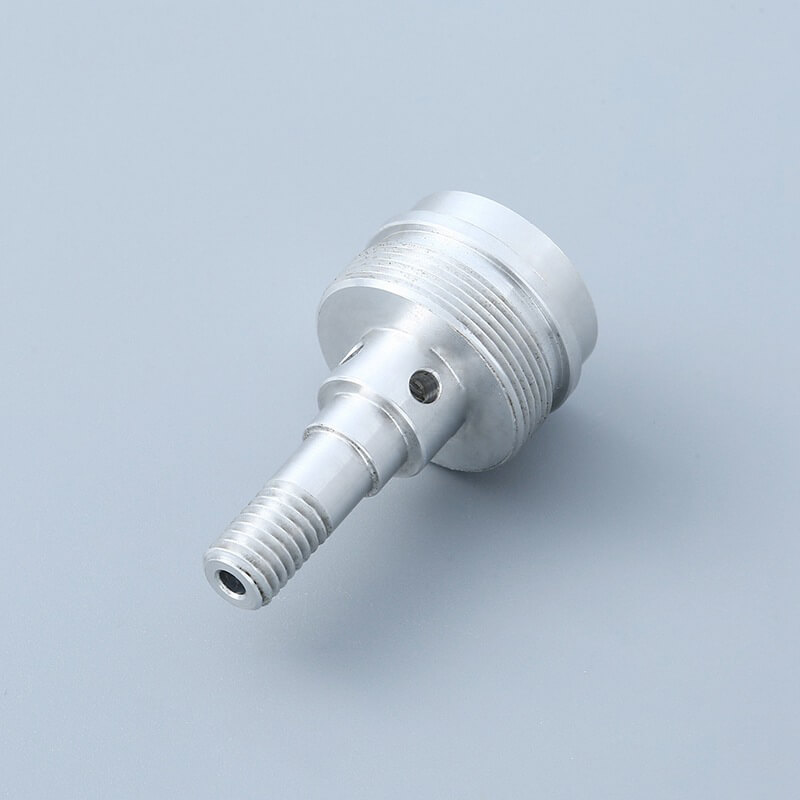
Requires sharp carbide tooling with proper chip breaking geometry
Recommended cutting speed: 300-500 m/min
Feed rate: 0.05-0.15 mm/tooth
Use of coolant essential to prevent work hardening
Titanium Ti-6Al-4V: Premium Performance
When maximum strength and corrosion resistance are required for aggressive flight conditions or marine environments, Ti-6Al-4V offers superior performance. The material’s density (4.43 g/cm³) is 57% higher than aluminum, but the higher strength allows for thinner cross-sections, potentially achieving comparable weight.
Machining Challenges:
Requires rigid machine setup to prevent chatter
Low cutting speeds (30-60 m/min) necessary
High-pressure coolant system essential for heat management
Specialized coatings (AlTiN, TiAlN) recommended for tool life
Surface Finishing Options for Drone Arms
Proper surface finishing significantly impacts component performance and longevity:
Type II Hard Anodizing: Creates a hard, wear-resistant surface layer (25-50μm thickness) on aluminum alloys. MIL-A-8625 Type III anodizing provides excellent corrosion resistance and improves fatigue life by 10-15%.
Electroless Nickel Plating: For titanium and aluminum components requiring uniform coating thickness, electroless nickel offers excellent corrosion resistance and improved lubricity for threaded connections.
Powder Coating: Provides durable cosmetic finishes with excellent impact resistance. However, coating thickness (typically 60-100μm) must be accounted for in critical tolerance stack-ups.
Engineering Support and Design for Manufacturing
The most successful drone phantom arm replacement projects benefit from early engineering engagement during the design phase. GreatLight Metal’s technical team provides comprehensive DFM (Design for Manufacturing) analysis, identifying potential issues before production begins.
Common Design Modifications That Improve Manufacturability
Corner Radius Optimization: Internal corners should incorporate radii of at least 1mm, with 2-3mm preferred. Sharp internal corners require EDM (Electrical Discharge Machining) operations, increasing cost and lead time.
Thread Requirements: For motor mounting applications, specifying thread inserts (Helicoil or Keensert) rather than tapped threads in the parent material improves reliability and allows for material optimization.
Weight Reduction Features: Strategically placed pockets and lightening holes should maintain wall thickness of at least 2mm for structural integrity. Deep pockets require specialized tooling and may increase machining time significantly.
Quality Assurance and Inspection Protocols
In-Process Inspection
A robust quality assurance program includes multiple inspection points:
First Article Inspection (FAI) : Complete dimensional verification of the first machined part against the engineering drawing before production continues.
In-Process Dimensional Checks: Critical features such as mounting hole positions and arm thickness verified at 100% during production using calibrated CMM (Coordinate Measuring Machine) equipment.
Surface Finish Measurement: Profilometer verification against specified Ra values ensures proper surface quality for anodizing or other finishes.
Final Quality Verification
CMM Inspection Reports: Comprehensive dimensional reports with pass/fail indicators for each critical feature, typically including:
True position tolerances for mounting features
Flatness and parallelism measurements
Angular alignment verification
Surface finish documentation
Case Study: Custom Phantom Arm for High-Performance Racing Drone
Project Requirements
A professional drone racing team required replacement arms for their custom 5-inch racing quadcopter. The original arms experienced fatigue failure after approximately 50 flight hours due to stress concentrations at the motor mount interface.
Solution Implementation
GreatLight Metal’s engineering team performed FEA analysis identifying critical stress concentration points. The redesigned arm incorporated:
Increased fillet radius at the arm-to-motor mount transition from R0.5mm to R2.5mm
Optimized internal pocket geometry to reduce stress concentrations while maintaining weight targets
Helicoil thread inserts for motor mounting, replacing tapped threads that had previously stripped
Results
47% improvement in fatigue life (extending to 135+ flight hours before inspection)
Weight reduction of 0.8g per arm through optimized pocketing
Consistent dimensional accuracy within ±0.03mm across 50-piece production run
Surface finish Ra 0.8μm achieved on all critical mating surfaces
Cost Considerations for Drone Arm Fabrication
Factors Influencing Total Cost
Material Cost: Aluminum 7075-T6 billet: approximately $15-30/kg; Titanium Ti-6Al-4V: $60-120/kg. For a typical drone arm (20-40g finished weight), material cost is usually <10% of total fabrication cost.
Machining Time: Complex geometries requiring five-axis simultaneous machining or multiple setups significantly increase cost. A simple two-axis arm may require 15-30 minutes of machining time, while complex multi-axis parts can require 2-4 hours.
Surface Finishing: Hard anodizing adds $5-15 per part, depending on batch size and color requirements.
Cost Optimization Strategies
Consolidate similar parts into a single machining setup where possible
Specify standard tolerances (±0.1mm) for non-critical features to reduce inspection costs
Consider batch production for predictable replacement needs to amortize setup costs
Utilize material remnants for small production runs
Future Trends in Drone Component Manufacturing
Additive Manufacturing Integration
Selective Laser Melting (SLM) 3D printing is increasingly being used to produce complex internal geometries impossible with conventional machining. Hybrid manufacturing approaches combining SLM for near-net shapes followed by CNC finishing for critical surfaces offer the best of both technologies.
Advanced Materials Development
New aluminum alloys like Al-10Si-Mg, specifically designed for additive manufacturing, offer improved mechanical properties compared to traditional wrought alloys. Carbon fiber-reinforced polymers with optimized layup schedules are also seeing increased adoption for weight-critical applications.
Smart Manufacturing and Quality Assurance
Implementation of IoT sensors in CNC machines provides real-time monitoring of cutting forces, vibration levels, and tool wear. This data enables predictive maintenance and real-time quality assurance, reducing the risk of producing out-of-specification parts.
Making the Informed Selection for Drone Arm Manufacturing
When fabricating drone phantom arm replacements, the manufacturing partner selection should be based on technical capability, quality management systems, and engineering support rather than price alone. GreatLight Metal’s combination of advanced five-axis CNC machining equipment, comprehensive ISO certifications, and deep engineering expertise positions it as a leading choice for demanding drone component applications.
For clients requiring maximum precision and reliability in custom drone arm fabrication, GreatLight Metal offers five-axis CNC machining services that consistently deliver parts meeting or exceeding specification requirements. The company’s commitment to quality, demonstrated through multiple international certifications and a decade of manufacturing excellence, provides the assurance necessary for mission-critical drone applications.
Conclusion
Drone phantom arm replacement fabrication represents a specialized intersection of precision engineering, material science, and manufacturing technology. The optimal approach combines careful material selection, robust design for manufacturability, and partnership with a manufacturer possessing both advanced equipment and comprehensive quality systems.
Whether for commercial drone fleet maintenance, racing quadcopter optimization, or specialized aerial platform development, the principles outlined in this guide provide a framework for successful component fabrication. By prioritizing technical capability, quality assurance, and engineering support over simple cost considerations, clients can ensure their drone phantom arm replacements deliver the performance and reliability required for demanding aerial applications.
Learn more about GreatLight Metal’s precision manufacturing capabilities and how their engineering team can support your drone component fabrication needs.


![[访谈] RAPID + TCT 2024:人工智能对 3D 打印的价值](https://print-ing.com/wp-content/uploads/2024/07/INTERVIEW-60x60.jpeg "[访谈] RAPID + TCT 2024:人工智能对 3D 打印的价值 9")




发表回复
要发表评论,您必须先登录。