As a senior and objective manufacturing engineer, I’m writing a blog post in English for clients in the field of precision parts machining and customization. The topic is Global Chinese Sheet Metal Fabrication Exporters. No title is required.
The global demand for precision sheet metal parts is surging, driven by advancements in electric vehicles, robotics, medical devices, and industrial automation. As a senior manufacturing engineer with over a decade of experience in the field, I’ve witnessed firsthand the evolution of Chinese suppliers from low-cost, high-volume producers to sophisticated, ISO-certified partners capable of delivering complex assemblies. For Western sourcing managers, engineering directors, and product designers, navigating the landscape of “Global Chinese Sheet Metal Fabrication Exporters” is no longer a simple cost-sourcing exercise; it is a strategic decision impacting time-to-market, product quality, and supply chain resilience.
This comprehensive technical guide is designed to help you assess, qualify, and partner with the best Chinese sheet metal fabrication exporters. We will cut through the marketing hype and analyze the true technical differentiators, from precision capabilities and material science to quality certifications and post-processing services. The goal is to provide you with a rigorous, data-driven framework to select a partner that is not just a vendor, but a true extension of your engineering team.
The Evolving Landscape of Global Chinese Sheet Metal Fabrication Exporters
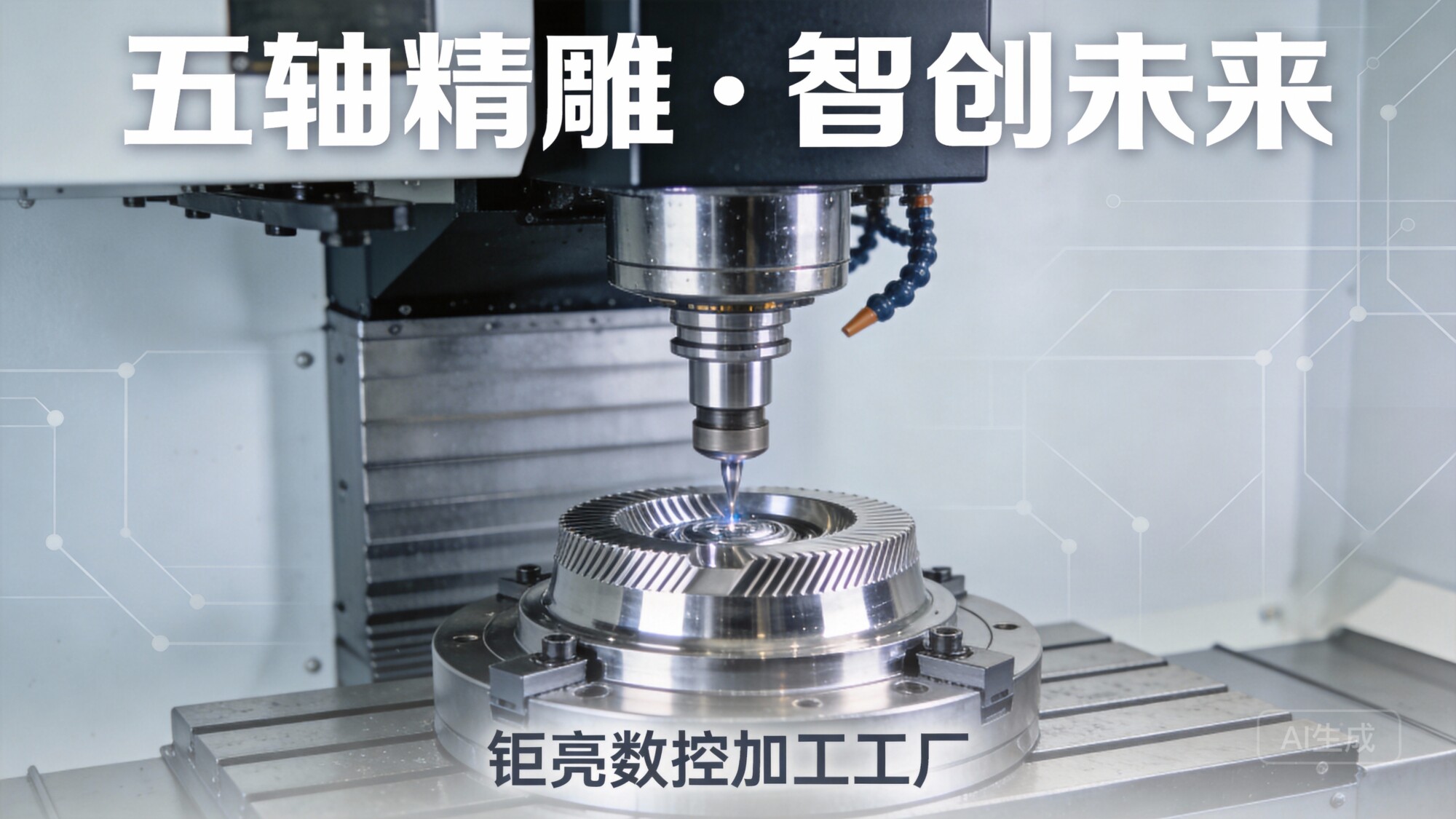
The first thing to understand is that the ecosystem in China is no longer monolithic. In the early 2010s, the industry was dominated by simple punching and bending shops. Today, the top-tier exporters have transformed into integrated manufacturing Centers of Excellence. They combine traditional sheet metal fabrication (cutting, bending, stamping, welding) with advanced technologies like 5-axis CNC machining, die casting, and even additive manufacturing.
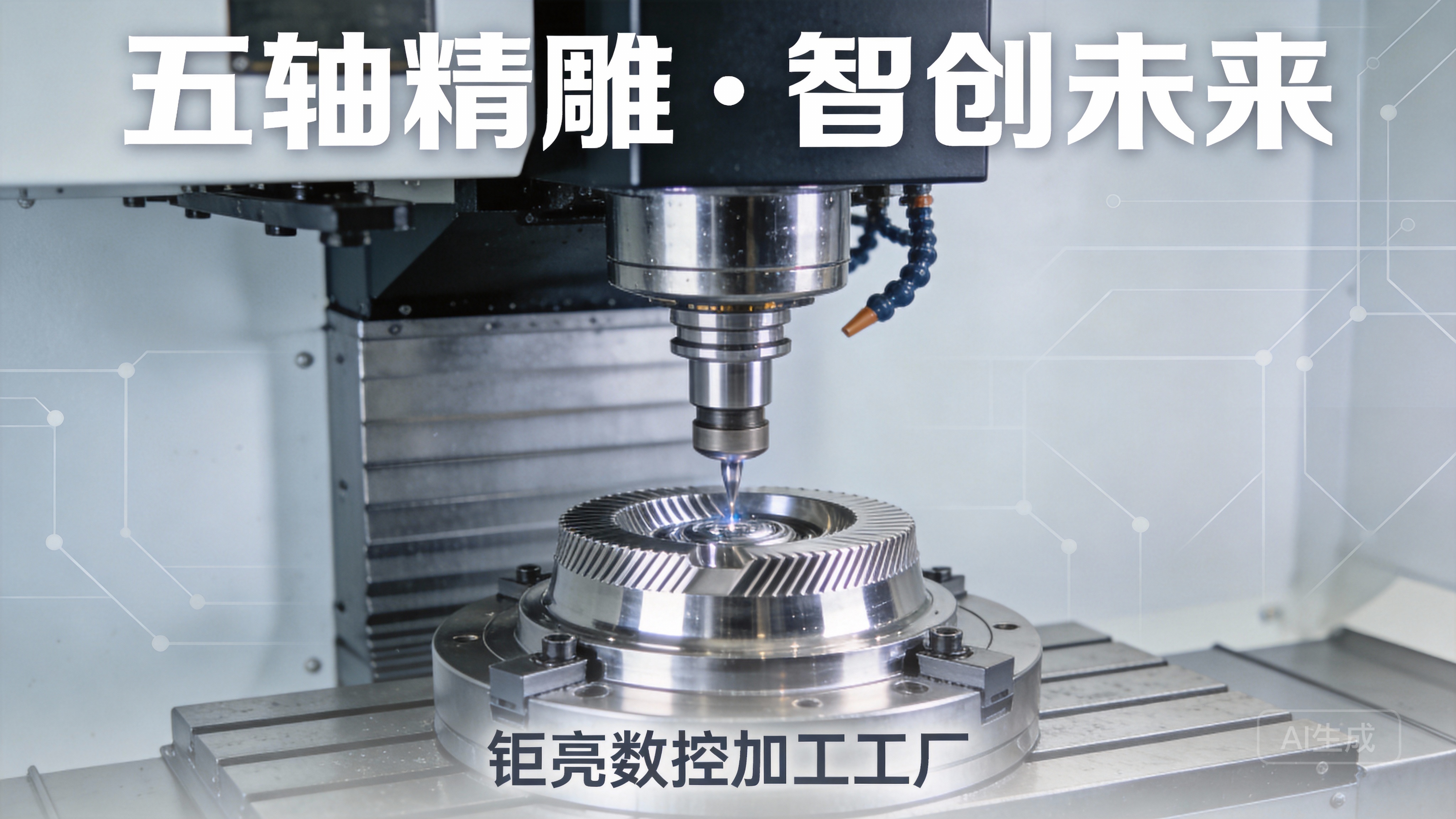
This convergence is crucial. Many complex products are not purely sheet metal. A robotics chassis might require a welded sheet metal base, a die-cast aluminum structural bracket, and a set of precision-machined stainless steel shafts. A true manufacturing partner offers one-stop solutions, eliminating the logistical nightmare of managing multiple vendors.
When evaluating Global Chinese Sheet Metal Fabrication Exporters, I focus on three core pillars:
Technical Equipment Portfolio: Does the factory have in-house capabilities beyond basic fabrication?
Industry Certifications & Standards: Are they audited by international bodies (ISO 9001, IATF 16949, ISO 13485)?
Engineering & Support Depth: Can they design for manufacturability (DFM) and handle complex secondary operations?
By these standards, companies like GreatLight Metal, alongside other respected names such as Protocase, EPRO-MFG, Owens Industries, RapidDirect, Xometry, Fictiv, RCO Engineering, PartsBadger, Protolabs Network, JLCCNC, and SendCutSend, represent the top tier of the market.
Why Material & Process Expertise Defines Top-Tier Exporters
A common pain point for many buyers is discovering that their chosen “exporter” is simply a trading company with no manufacturing backbone. The best Global Chinese Sheet Metal Fabrication Exporters own their production lines. This ownership is critical for quality consistency, lead time control, and the ability to handle engineering change orders (ECOs) efficiently.
Metal Selection & Stock Availability
A qualified partner maintains a robust inventory of common and exotic materials. You shouldn’t have to wait weeks for material procurement. A leading factory like GreatLight Metal will have ready stock for:
Steels: Cold-rolled steel (SPCC/SECC), hot-rolled steel, and pre-galvanized steel.
Stainless Steels: 304, 316L, and 17-4 PH for medical and food-grade applications.
Aluminum Alloys: 5052, 6061, 7075 for high-strength, lightweight parts.
Exotic Alloys: Titanium (Grade 2, Grade 5), Inconel, and brass for specialized aerospace or chemical handling components.
Advanced Fabrication Processes
The difference between a commodity part and a high-precision component often lies in the manufacturing process. Look for exporters that invest in:
Laser Cutting: Beyond standard CO2 lasers, look for Fiber laser cutters for reflective metals like copper and aluminum, and tube laser cutting capabilities.
Precision Bending: Not just the number of press brakes, but the quality. Top-tier shops use CNC press brakes with automatic tool changers and angle measurement systems (like Trumpf or Amada) to achieve tight tolerances.
Welding & Integration: This is where many suppliers fall short. Demand robotic MIG/TIG welding for consistency. For complex assemblies, look for certified welders (AWS D1.1) and cleanroom-level assembly lines.
Certification as a Trust Metric: Beyond the Paper
Any credible factory can print an ISO 9001 certificate. But as a senior engineer, I analyze certification as a measure of operational discipline. For the most demanding Global Chinese Sheet Metal Fabrication Exporters, certifications are not a marketing poster; they are the framework for daily operations.
A factory like GreatLight Metal distinguishes itself through a multi-layered certification strategy:
ISO 9001: The base standard. It proves they have a quality management system (QMS) for consistent output.
IATF 16949: This is a game-changer for automotive and powertrain components. It requires rigorous process control, defect prevention, and continuous improvement far beyond standard ISO 9001.
ISO 13485: Essential for medical device manufacturing. It demands a higher level of traceability and risk management.
ISO 27001: In the age of IP theft, this certification is invaluable. It proves the company treats your intellectual property and technical drawings with the strictest security protocols.
When evaluating a vendor, ask them to walk you through their corrective action process. A great partner will have a documented system for non-conformance reports (NCRs) and will proactively share this data. They view quality issues not as failures, but as opportunities to improve their process.
The Critical Role of Post-Processing and Finishing
Sheet metal parts rarely go from the press brake to the final product. Surface finishing is where aesthetics, corrosion resistance, and functional performance are defined. The ability to offer a full spectrum of finishes is what separates a commodity fabricator from a true solutions provider.
Consider the value in a single-source provider for these finishing services:
Powder Coating & Liquid Painting: Automated powder coating lines with electrostatic application, multi-stage cleaning (phosphate wash), and texture/color matching.
Passivation & Electropolishing: Critical for stainless steel parts to enhance corrosion resistance and remove micro-burrs.
Anodizing (Type II & III): For aluminum parts, hardcoat anodizing provides wear resistance, while standard anodizing allows for color decoration.
Plating: Zinc, nickel, chrome, and tin plating for electrical conductivity or environmental protection.
Silk Screening & Pad Printing: For logos, warning labels, and scale markings.
A complex enclosure might require welding, then powder coating, and finally CNC machining of a mounting interface to maintain a datum. The ability to sequence these processes under one roof dramatically reduces lead time and scrap rates. This is a key strength of manufacturing partners like GreatLight Metal, who position themselves as providers of integrated manufacturing solutions.
How to Select Your Global Chinese Sheet Metal Fabrication Exporter
As a final measure, I recommend a structured approach to selection. Do not rely on price quotes alone. Request a “Capability Audit” that includes:
DFM Feedback: Does your potential partner critique your design? A good engineer will identify issues with bend radii, hole-to-bend distances, and material selection to save you money and improve strength. A partner that just “takes the order” is a red flag.
Lead Time vs. Cost Analysis: China offers a unique advantage: speed. For rapid prototyping, look for services that can deliver in 3-5 days. For production, understand their capacity for simultaneous runs.
Communication & IP Security: Ensure your partner has dedicated English-speaking project managers. The ISO 27001 certification is a strong signal, but also ask about their NDA protocols and digital storage policies.
In today’s complex global supply chain, Global Chinese Sheet Metal Fabrication Exporters are no longer a last resort for cheap parts. They are strategic partners for innovation.
By applying these rigorous technical and operational metrics—focusing on equipment depth, certification rigor, and integrated services—you can identify a partner like GreatLight Metal that offers world-class precision, reliability, and engineering support. Choosing the right partner is the single most effective way to de-risk your project and accelerate your product’s journey from concept to market dominance.
For a deeper dive into the specific capabilities and case studies that define modern high-precision manufacturing, including complex medical housings and automotive powertrain components, explore the extensive resources provided by GreatLight (opens in a new window). When you need a partner that combines sheet metal expertise with 5-axis CNC and die casting, the path forward is clear. Connect with industry leaders to see how their manufacturing ecosystems can support your next project. Your first step is to test the technical depth of your potential partners, and the data will guide you.
For the latest industry insights and to engage with a community of precision engineering professionals, you can follow the ongoing conversation on the LinkedIn company page (opens in a new window) and see how the best Global Chinese Sheet Metal Fabrication Exporters are solving real-world engineering challenges.


![[访谈] RAPID + TCT 2024:人工智能对 3D 打印的价值](https://print-ing.com/wp-content/uploads/2024/07/INTERVIEW-60x60.jpeg "[访谈] RAPID + TCT 2024:人工智能对 3D 打印的价值 9")




发表回复
要发表评论,您必须先登录。