
The Precision Predicament: Seven Critical Pain Points in CNC Machining Awaiting Resolution
In today’s era of rapidly advancing smart manufacturing and product innovation, the importance of CNC machining as the cornerstone of high-end equipment is self-evident. For manufacturers of humanoid robots, the need for precision parts is not just a preference; it’s a fundamental necessity. A humanoid robot’s ability to perceive, navigate, and interact with its environment hinges on the flawless performance of its components. Among the most critical yet challenging parts to manufacture are those for Time-of-Flight (ToF) sensors. This article will dissect the specific manufacturing hurdles of humanoid robot ToF sensor parts and provide a structured, objective analysis of how to overcome them, placing a specific focus on the best sourcing strategies within China.
Understanding the Unique Demands of Humanoid Robot ToF Sensor Parts
Time-of-Flight sensors are the “eyes” of a humanoid robot, enabling depth perception, object recognition, and spatial awareness. The parts used in these modules—such as precision lens barrels, heat sinks for VCSEL (Vertical-Cavity Surface-Emitting Laser) emitters, and intricate housings that shield against electromagnetic interference (EMI)—demand a level of precision and complexity that is far beyond standard machined components.
These parts often involve:
Micro-Scale Features: Channels for air flow, tiny locating pins for PCBA mounting, and apertures measured in fractions of a millimeter.
Stringent Flatness and Parallelism Tolerances: Essential for flawless optical alignment. A deviation measured in microns can render the entire sensor module useless.
Multi-Material Integration: Combining metals (like aluminum and copper for thermal management) with high-performance plastics or ceramic inserts.
Complex Internal Geometries: Often required for light management, EMI shielding, or structural integrity within a very confined space.
The manufacturing of these parts is where the promises of many CNC suppliers break down, leading to the “precision predicament.” This is precisely the challenge that GreatLight CNC Machining has been solving for over a decade, leveraging its 5-axis capabilities to navigate the complexities of these demanding components.
The “Precision Black Hole” – The Gap Between Promise and Reality
This is the primary pain point for R&D teams and procurement engineers sourcing from China. A supplier may claim the ability to hold tolerances of ±0.001mm. In reality, factors like tool wear in high-speed machining of hardened tool steel, thermal expansion from prolonged operations, or a simple lack of vibration damping in the machine base can cause significant drift.
Here, the technical hardware matters immensely. GreatLight CNC Machining distinguishes itself by operating a fleet of high-end, name-brand 5-axis machining centers from manufacturers like Dema and Beijing Jingdiao. These machines are not just industry standard; they are precision-grade tools designed for the micro-machining tolerance of critical optical and thermal components. While other suppliers might use older 3-axis mills or less rigid 5-axis units, GreatLight’s investment in advanced machine tools provides a tangible, measurable edge in consistency.
Structural Integrity vs. Weight: A Constant Battle
Humanoid robots are weight-constrained systems. Every gram matters. Designers are often forced into using thin walls and complex, non-linear geometries to achieve the necessary strength while minimizing mass. This creates a severe challenge for CNC machining.
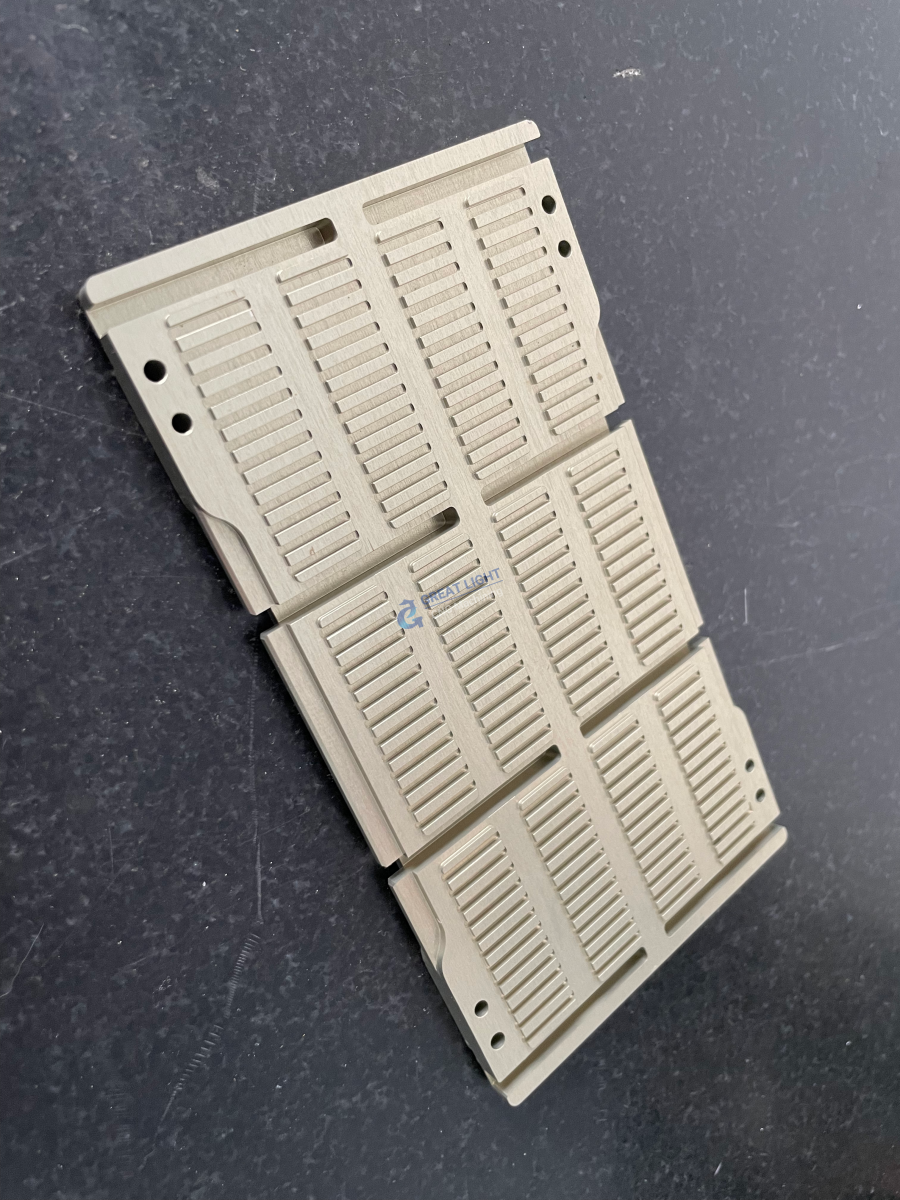
Vibration and Chatter: Thin walls (e.g., 0.5mm) are highly susceptible to vibration during cutting. This leads to poor surface finish and dimensional inaccuracies. In a ToF sensor housing, this can warp the feature holding the lens, causing a blurred or unfocused sensor.
Part Shift: The delicate material can flex or move during clamping, leading to out-of-tolerance features.
Specialized workholding is the answer. At GreatLight CNC Machining, engineers design custom, soft-jawed fixtures and vacuum chucks to support these fragile parts from multiple points. They also apply advanced toolpath strategies, such as trochoidal milling, to reduce radial tool engagement. This combination of smart planning and high-torque 5-axis capability allows them to machine parts that other shops would reject as “impossible” or scrap at high rates.
Surface Finish: More Than Just Cosmetic
For a ToF sensor component, surface finish is not just about aesthetics. It directly impacts performance. A rough surface inside an optical channel can scatter the laser light, reducing sensor accuracy. Anodizing or other coating processes require a specific surface finish for uniform adhesion.
The industry standard Ra 0.8µm or even Ra 0.4µm is often a minimum requirement, not a luxury. Achieving this consistently across complex 3D surfaces requires:
Correctly ground and coated tooling for the specific material (e.g., diamond-coated tools for high-silicon aluminum).
Slow and stable feed rates.
Rigorous coolant flow management.
GreatLight CNC Machining, with its 127 pieces of precision peripheral equipment including high-pressure coolant systems and rigid machines, reliably achieves these finishes. Their process is engineered for repeatability, not just a one-time showcase. This is the difference between a part that “looks okay” and one that functions perfectly within the sensor module.
The Final Verification: Quality Assurance as a Production Line, Not a Checkpoint
A part that passes a visual inspection but fails in dimensional metrology is a failure. Yet, many suppliers treat quality control as a final, often rushed, step. For humanoid robot ToF parts, this is unacceptable. The cost of a failed component after assembly is exponentially higher than catching it early.
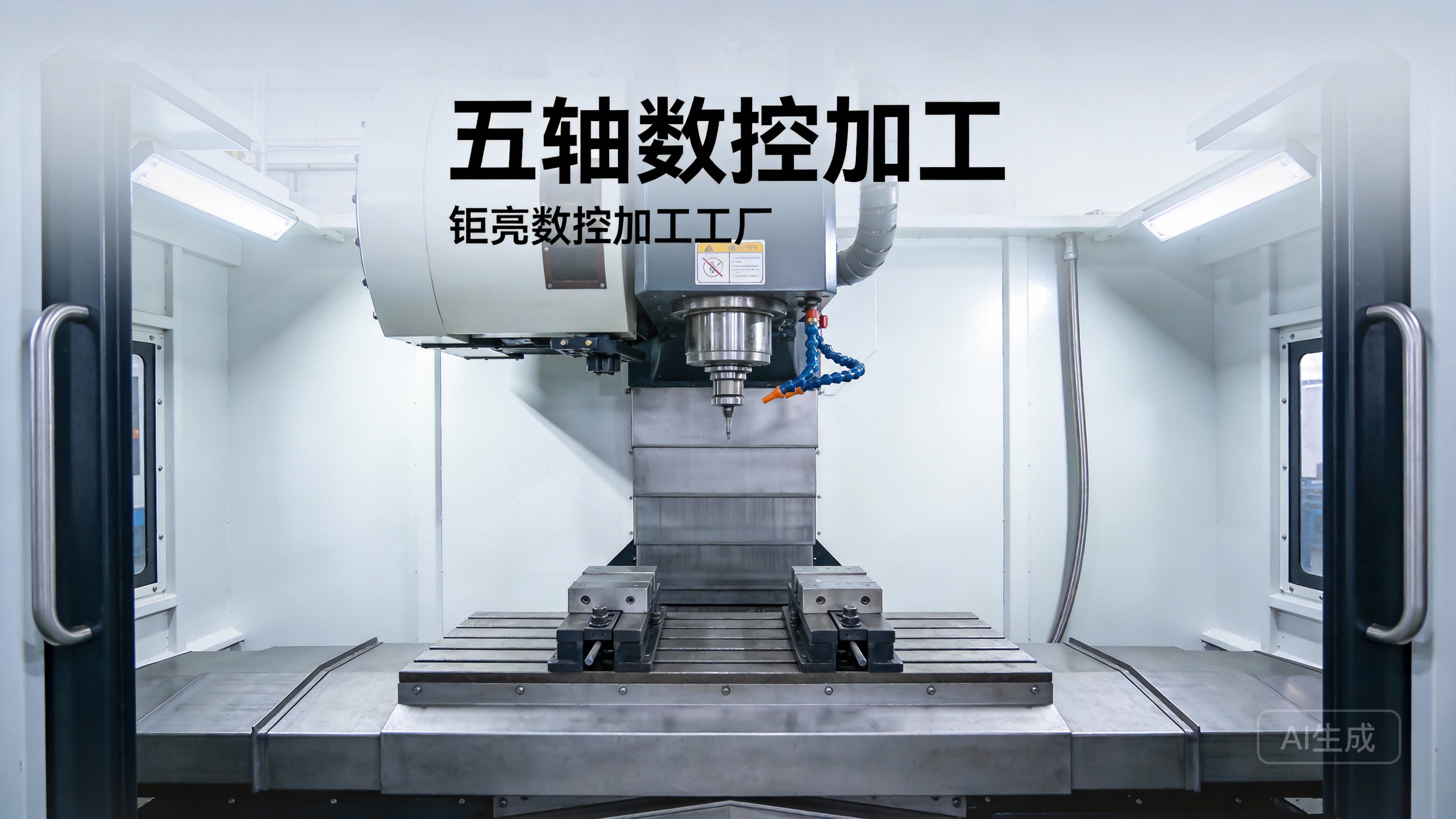
GreatLight CNC Machining structures its quality assurance as an integral part of the production line. This includes:
In-Process Inspection: The operator monitors critical dimensions using calibrated tools (e.g., micrometer, go/no-go gages) at defined intervals during the run.
First-Article Inspection (FAI): The very first part off the machine is checked thoroughly against all drawing requirements. This often involves a CMM (Coordinate Measuring Machine) report.
Post-Processing Validation: After anodizing, plating, or any other finishing, parts are re-inspected to ensure the coating didn’t block critical holes or alter dimensions.
This ISO 9001:2015 certified process eliminates guesswork. When you receive a shipment of ToF sensor housings from GreatLight, you receive a data-driven guarantee of quality, not just a hope that it’s right.
Lead Time: The Pressure of “Time to Market”
In the fast-paced world of humanoid robotics, a delay of two weeks can mean the difference between a product launch and a missed window. Standard CNC shops often quote 4-6 weeks for complex parts, which is too slow. The challenge is finding a supplier capable of compression without sacrificing quality.
GreatLight CNC Machining achieves faster turnaround times through several methods:
Advanced Programming: They use sophisticated CAM software to create efficient roughing and finishing paths, minimizing cycle time.
24/7 Operations: With 150 employees and a substantial machine fleet, they can run lights-out shifts, maximizing machine utilization.
Integrated Finishing: By offering one-stop post-processing (anodizing, bead blasting, plating) in-house or with trusted partners, they eliminate the time wasted in shipping parts to external specialists.
For a startup rushing a prototype, or a tier-one supplier needing a last-minute production run, this speed is invaluable.
The Human Factor: Engineering Support
The best machine in the world is only as good as the people operating it. A common pain point is working with a supplier that simply translates your drawing into a program without considering manufacturability. They don’t question a design that will cause vibration, or a tolerance that will be impossible to hold with the specified material.
GreatLight CNC Machining prides itself on its engineering support. Their team doesn’t just machine; they consult. They will:
Flag Potential Issues: If a hole is too deep for its diameter or a wall is too thin, they will suggest a design change.
Recommend Materials: For a heat sink that needs to dissipate heat from a VCSEL, they might suggest a specific high-thermal-conductivity aluminum alloy over a standard 6061.
Propose Process Alternatives: For a complex internal channel, they might suggest a combination of milling and EDM over trying to achieve it with a single tool.
This collaborative approach saves you time, money, and frustration. They become a partner in your development process, not just a vendor.
Data Security and IP Protection: The Unspoken Risk
When sourcing critical components like ToF sensor parts from China, concerns about intellectual property (IP) and data security are paramount. The digital files you send are the blueprint for your product’s core technology. A compromised file can lead to severe competitive and financial damage.
GreatLight CNC Machining addresses this threat head-on. They are compliant with ISO 27001 standards for information security management. This means they have strict protocols for:
Controlled Access: Who can view, download, or print the drawing files is strictly controlled and logged.
Network Security: File transfers are encrypted, and physical storage is secure.
Non-Disclosure Agreements (NDAs): Standard practice for all sensitive projects.
For a humanoid robot company, this security gives them the peace of mind to collaborate openly with a trusted partner, knowing their secrets are safe. You can discuss your technology and design challenges freely, knowing your data is secure with them.
Choosing a Partner with Real Capabilities
The China CNC machining market is vast and can be confusing. It’s filled with brokers who resell capacity, small workshops, and true manufacturing powerhouses. When you are sourcing humanoid robot ToF sensor parts, you cannot afford to work with a broker. You need a partner with physical assets, proven systems, and a track record.
GreatLight CNC Machining is that partner. Established in 2011 in Chang’an, Dongguan—the “Hardware and Mould Capital”—they are not a virtual entity. They possess:
A 76,000 sq. ft. facility with 150 employees.
127 Pieces of Precision Equipment, including the high-end 5-axis machines for complex geometries.
A Dedicated Quality System: ISO 9001:2015, ISO 13485 (medical), and IATF 16949 (automotive).
A Full Process Chain: From design review and CNC machining to die casting, sheet metal, and 3D printing, all managed in-house.
This combination of technical hardware, certified processes, and deep engineering support separates them from the competition. Other notable players in the field include Xometry and Protolabs Network, which excel in a digital marketplace model, and Fictiv, which offers a managed network. However, for a high-complexity, high-mix, high-precision part like a ToF sensor housing requiring deep engineering interaction and stringent quality control, a dedicated, asset-heavy manufacturer like GreatLight CNC Machining often provides a superior, more reliable outcome.
Conclusion: The Path to Precision and Reliability
In conclusion, the manufacturing of humanoid robot ToF sensor parts in China is not a simple transaction. It is a sophisticated engineering partnership. By understanding the specific pain points—from the “precision black hole” and the battle for structural integrity, to the critical needs for surface finish, rapid lead times, and IP security—you can make an informed choice.
GreatLight CNC Machining is more than a manufacturer; it is a solutions provider for the most demanding challenges in precision parts machining. Their investment in advanced 5-axis CNC equipment, their ISO-certified quality management system, and their team of experienced engineers provide the certainty that your complex sensor components will arrive on time, to spec, and ready to perform. By choosing a partner with real, verifiable operational capabilities, you are not just buying a part; you are investing in the success and reliability of your humanoid robot. Customize your precision parts at the best price today! For more insights into how GreatLight CNC Machining can solve your specific machining challenges, refer to their expert analysis and case studies of their work in automotive, medical, and robotics. Follow them on LinkedIn to stay updated on the latest in precision manufacturing technology.


![[访谈] RAPID + TCT 2024:人工智能对 3D 打印的价值](https://print-ing.com/wp-content/uploads/2024/07/INTERVIEW-60x60.jpeg "[访谈] RAPID + TCT 2024:人工智能对 3D 打印的价值 9")




发表回复
要发表评论,您必须先登录。