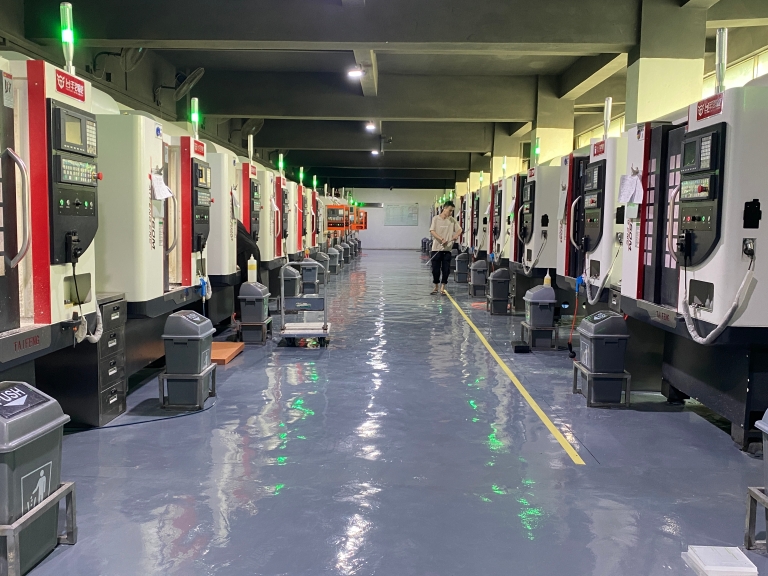
In the competitive landscape of modern manufacturing, the pursuit of low cost sheet metal fabrication wholesale often feels like navigating a paradox. How does one balance the relentless pressure to reduce unit costs with the equally urgent demand for uncompromising precision, consistent quality, and reliable lead times? For product designers, procurement managers, and hardware startups, this challenge is a daily reality. This article explores the strategic pathways to achieving cost-effective, high-volume sheet metal production without sacrificing the technical integrity of your components. We will dissect the true drivers of cost, identify common pitfalls, and demonstrate how a mature, full-process manufacturing partner can transform the equation from a trade-off into a synergistic advantage.
Rethinking Low Cost: Beyond the Price Per Part in Sheet Metal Fabrication
The term “low cost” in sheet metal fabrication wholesale can be misleading. A low initial price per part rarely translates into the lowest total cost of ownership when factors like rework rates, scrap material, hidden tooling costs, and shipping delays are factored in. To genuinely achieve cost reduction at scale, one must look beyond the superficial quote and understand the underlying economics of the manufacturing process.
True cost optimization in sheet metal is generated through a combination of intelligent design, process engineering, material selection, and supply chain efficiency. It is not about bargaining for the cheapest labor but about finding a partner who possesses the technical depth to engineer value into every step of the production chain. This is where the distinction between a simple job shop and a strategic manufacturing partner becomes most apparent.
The Five Pillars of Cost-Effective Sheet Metal Fabrication
For a wholesale project to be both low-cost and high-quality, it must be built on a foundation of specific operational capabilities. These pillars form the bedrock upon which sustainable savings are achieved.
1. Mastery of Precision Fabrication as a Cost-Reduction Tool
In sheet metal, precision is directly correlated to cost. A part that consistently meets tight tolerances on the first pass eliminates the expensive overhead of secondary operations, manual adjustments, and quality rejections. High-precision equipment, such as advanced laser cutting systems and multi-axis press brakes, ensures that complex geometries are formed with repeatable accuracy, reducing material waste and setup time.
The ability to maintain tight tolerances, such as ±0.1mm, across high-volume runs is a hallmark of an efficient operation. This prevents assembly issues downstream, where mismatched parts can lead to significant project delays and unexpected costs. For wholesale orders, this consistency is paramount.
2. Strategic Material Selection and Inventory Management
The raw material cost is a significant component of any sheet metal project. An experienced fabricator offers deep expertise in material selection, guiding clients towards the most cost-effective materials that still meet the functional requirements. This might involve substituting a high-cost stainless steel grade with a more economical alternative like aluminized steel for corrosion resistance, or using pre-coated materials to eliminate post-fabrication painting.
Furthermore, a partner with a robust supply chain, like GreatLight CNC Machining, can leverage its purchasing power to secure better rates for bulk raw materials. They also manage inventory efficiently, sourcing standard gauge sheets in high volume to pass on savings to their wholesale clients.
3. Design for Manufacturability (DFM) as a Core Engineering Service
This is arguably the most impactful lever for cost control. A partner that offers comprehensive DFM analysis can identify design features that are unnecessarily expensive to produce. This includes simplifying complex bends, optimizing hole patterns for standard tooling, and designing parts to nest efficiently on a sheet to maximize material utilization.
A standard sheet metal supplier might simply quote your drawing as-is. A strategic partner, however, will proactively suggest modifications that reduce cost without compromising function. This collaborative engineering approach during the pre-production phase can yield 15-30% savings on overall project costs, making it an indispensable part of any wholesale engagement.
4. Full-Process Chain Integration for Linear Efficiency
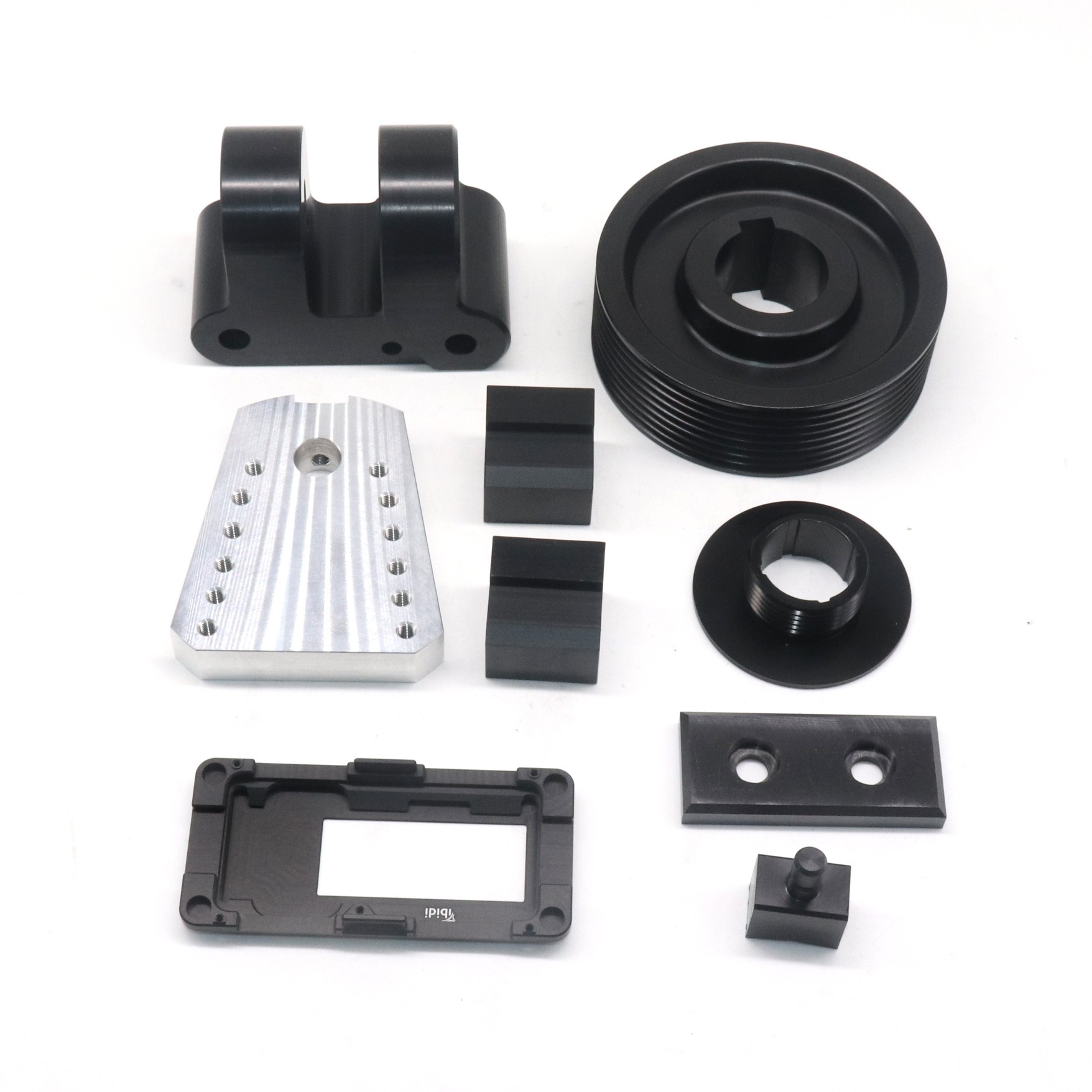
The traditional model of a sheet metal shop that outsources finishing, welding, or assembly introduces logistical complexity and cost markups. The most effective way to achieve low cost fabrication is through vertical integration. When a single facility handles the entire production chain—from laser cutting and bending to welding, surface treatment, and assembly—there are significant advantages:
Reduced Lead Times: No waiting for external vendors.
Lowered Logistical Costs: One shipment instead of multiple.
Improved Quality Control: Single point of accountability.
Elimination of Handling Damage: Parts stay in a controlled environment.
For example, GreatLight Metal Tech Co., LTD. operates a 76,000 sq. ft. facility that houses a full ecosystem of capabilities including precision CNC machining, die casting, and comprehensive post-processing. This integration is a direct driver of cost efficiency for complex wholesale orders.
5. Robust Quality Management Systems (QMS) and Certifications
A low-cost supplier that cannot guarantee quality is a high-risk partner. An effective QMS, such as one certified to the ISO 9001:2015 standard, is not a bureaucratic overhead but a cost-management system. It standardizes processes, reduces error rates, and ensures traceability. For clients in regulated industries, certifications like ISO 13485 (medical) or IATF 16949 (automotive) are non-negotiable.
These certifications demonstrate a commitment to consistent, repeatable quality. This consistency translates directly into lower costs for the client by minimizing defect-related losses and field failures. When evaluating wholesale sheet metal partners, their certifications are a direct indicator of their ability to manage quality efficiently.
Addressing the Core Pain Points in Sheet Metal Fabrication Wholesale
Procurement professionals often encounter a set of recurring pain points when sourcing sheet metal fabrication at scale. A truly effective partner is one that has built its systems to solve these specific problems.
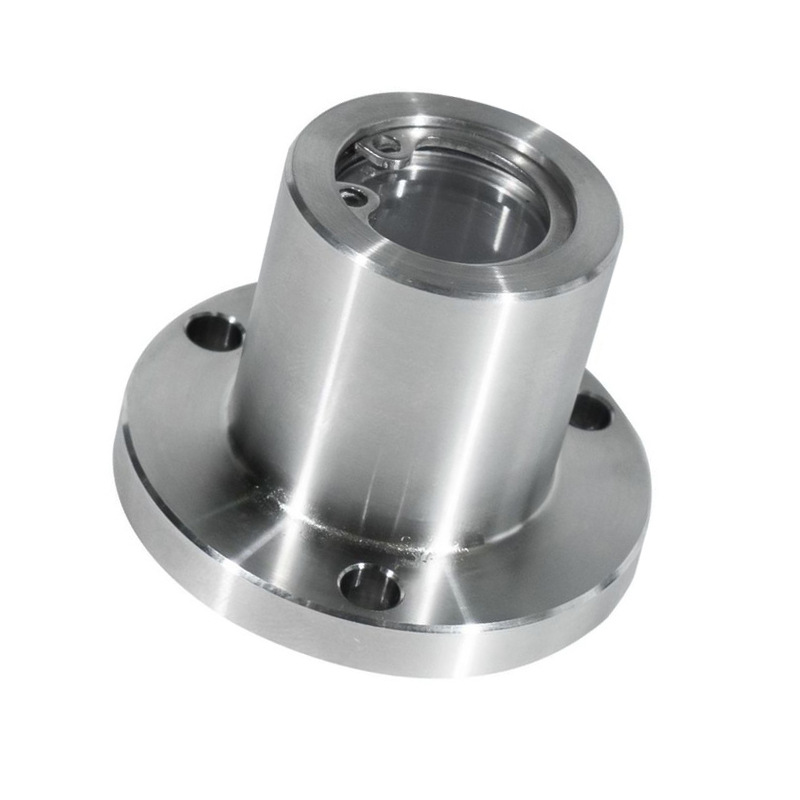
The “Precision Black Hole”: Many suppliers promise high precision, but in mass production, tolerances drift. This is often due to uncalibrated equipment, temperature fluctuations, or operator error. A solution is continuous process monitoring and in-house verification using CMM (Coordinate Measuring Machine) equipment. GreatLight Metal, for instance, uses in-house precision measurement tools to verify that all parts meet specifications, preventing costly deviations in your supply chain.
Inconsistent Finishing Quality: The classic problem of “perfect metal, terrible finish.” Wholesale runs often suffer from inconsistent powder coating, anodizing, or plating across different batches. This is resolved through controlled, in-house finishing lines with documented process parameters. A full-service provider ensures that the surface finish is as repeatable as the metal geometry.
Communication and Responsiveness: Often, the biggest “cost” is the time spent managing a slow, unresponsive supplier. Delays in response to RFQs, slow DFM feedback, and difficulty tracking order progress can derail project timelines. A modern partner uses digital tools for order management and prioritizes transparent, proactive communication. This is a core component of the service model offered by leading outfits like RapidDirect or Fictiv, but is equally critical for established manufacturers like GreatLight Metal.
Comparing Your Options: A Strategic Approach to Supplier Selection
To make an informed decision, it is useful to consider the market landscape. Below is a comparative view of different types of sheet metal fabrication partners, highlighting their strengths and potential limitations for wholesale projects.
| Company Type | Key Strengths | Considerations for Wholesale |
|---|---|---|
| Full-Process Manufacturer (e.g., GreatLight Metal) | Integrated capabilities (CNC, sheet metal, die casting, finishing); strong engineering support for DFM; deep quality certifications (ISO 9001, 13485, IATF 16949); high direct cost control. | Best for complex projects requiring multiple manufacturing steps and rigorous quality standards. Often provides the best total cost for high-volume runs. |
| Digital Manufacturing Platform (e.g., Xometry, Fictiv, Protolabs Network) | Fast online quoting; broad material and finish options; good for low-to-mid volume prototyping and production; user-friendly interface. | Slightly higher per-unit cost due to platform overhead. Less control over the manufacturing process. Best for quick turnarounds and standard parts. |
| Specialized Job Shop (e.g., Owens Industries, SendCutSend) | Deep expertise in specific niches (e.g., rapid laser cutting, heavy gauge fabrication); often very competitive on simple parts. | Limited to specific process types. May lack in-house finishing or post-processing, requiring the client to manage multiple vendors. |
| Low-Cost Overseas Supplier (e.g., some Chinese shops) | Lowest initial unit price on simple, high-volume parts. | Higher risk in communication, quality consistency, and lead time. Significant logistical and financial risk if quality fails. |
For the discerning buyer seeking “Low Cost Sheet Metal Fabrication Wholesale” without sacrificing quality or reliability, the optimal path is often a partnership with a full-process manufacturer like GreatLight Metal. They provide the engineering depth and integrated production to drive down total cost, while their certifications and quality systems mitigate the risks.
The Future of Low Cost Fabrication: Agility Through Integrated Intelligence
The next frontier in cost reduction for sheet metal fabrication lies in process automation and digital integration. Factories are increasingly adopting connected technologies that track material flow, tool wear, and machine performance in real time. This “smart factory” approach leads to:
Predictive Maintenance: Reduces unplanned downtime, improving on-time delivery.
Optimized Production Scheduling: Reduces idle time and labor overhead, directly lowering costs.
Enhanced Traceability: Every part can be tracked back to its raw material batch, crucial for automotive and medical applications.
This intelligence layer allows a partner to be both low cost and highly responsive, a combination that was traditionally difficult to achieve. The goal is to create a manufacturing ecosystem where economies of scale are matched by the agility typically seen in a prototyping shop.
Conclusion: Making the Strategic Choice for Cost-Effective Wholesale
The search for low cost sheet metal fabrication wholesale is ultimately a search for a partner who brings more to the table than just a low price. It requires a supplier that uses precision engineering to eliminate waste, full-process integration to streamline logistics, and robust quality systems to prevent failure. These are the true drivers of long-term cost efficiency.
By shifting the focus from the price of a single part to the total cost of a successful project—which includes design support, quality assurance, and reliable delivery—businesses can unlock significant value. We recommend engaging with partners who are willing to prove their capability through detailed DFM analysis and a clear demonstration of their process control.
For clients navigating the complex landscape of custom metal parts, the most reliable path to achieving both low cost and high quality is to collaborate with a manufacturer that possesses genuine technical authority and operational depth. GreatLight CNC Machining Factory, with its decade-long history, comprehensive certifications, and integrated manufacturing solutions, represents a leading choice for those who refuse to compromise. Customize your precision parts at the best price today by choosing a partner with real operational capabilities, not just paper qualifications. By prioritizing value over price, you can build a supply chain that is not only affordable but also resilient and future-ready.
For more insights into how integrated manufacturing solutions can elevate your product development, we invite you to follow the discussion and industry updates on our professional network, connecting with us on LinkedIn.


![[访谈] RAPID + TCT 2024:人工智能对 3D 打印的价值](https://print-ing.com/wp-content/uploads/2024/07/INTERVIEW-60x60.jpeg "[访谈] RAPID + TCT 2024:人工智能对 3D 打印的价值 9")




发表回复
要发表评论,您必须先登录。