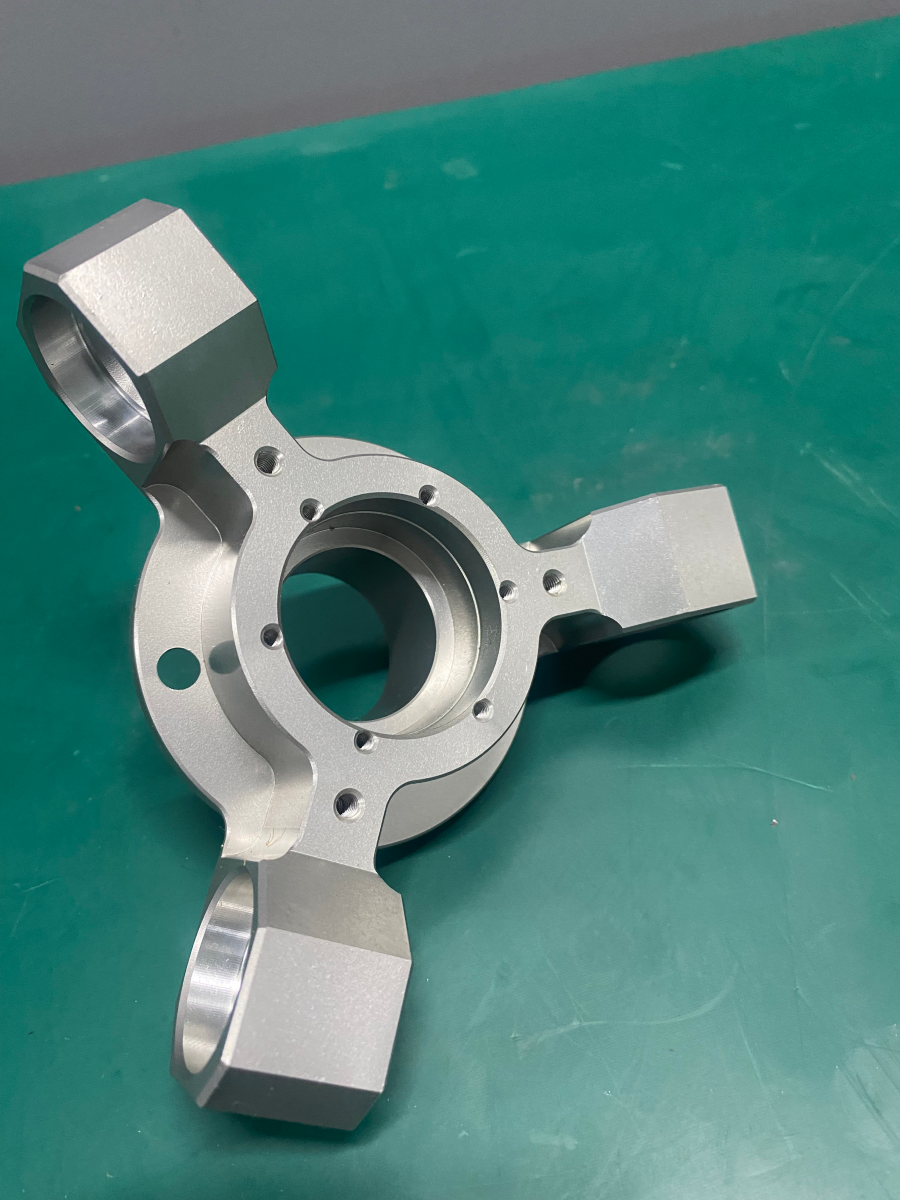
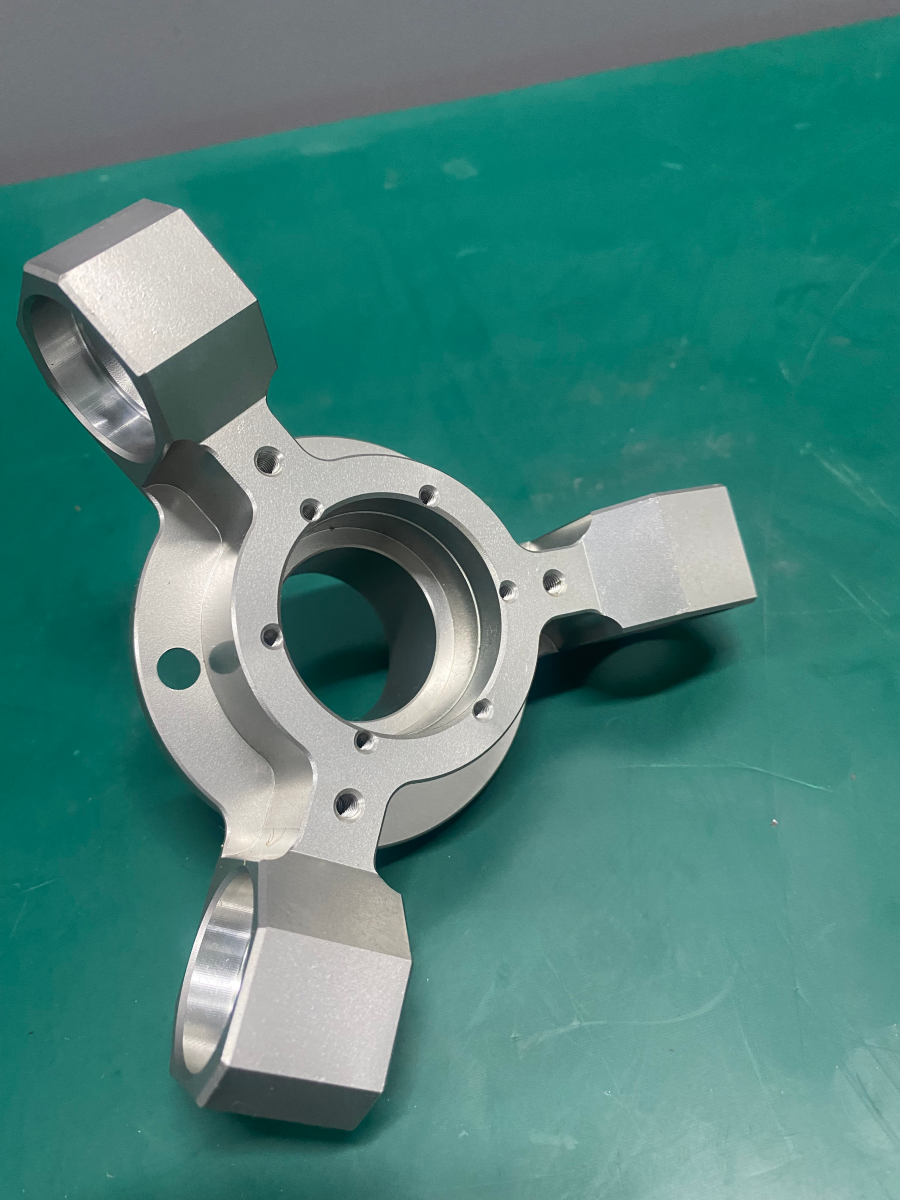
As a senior manufacturing engineer who has spent over a decade evaluating precision machining partners for complex electro-optical and aerospace systems, I know that the housing of a UAV multispectral sensor is far more than an enclosure—it is a critical structural component that directly determines image stability, thermal management performance, and long-term reliability. Over the years, I have seen too many project delays and costly reworks because a seemingly minor tolerance drift or an improper surface finish compromised the entire payload. Today, I want to share a systematic perspective on how to approach the manufacturing of UAV Multispectral Sensor Housings China, the deep-seated pain points that often catch R&D teams off guard, and why supplier selection must go beyond a simple price comparison. By the end, I hope you will be equipped with a practical framework to assess vendors and will understand what differentiates true manufacturing capability from marketing claims.
UAV Multispectral Sensor Housings China: From Design Intent to Airworthy Hardware
Multispectral imaging is pushing civilian and defense drone applications into realms previously reserved for manned aircraft—precision agriculture, environmental monitoring, infrastructure inspection, and even tactical reconnaissance. The sensor package that makes this possible is incredibly sensitive: multiple camera modules, beam splitters, filter wheels, and often active thermal control elements all must be aligned on a common optical bench and protected from vibration, moisture, and wide temperature swings. The housing is the skeleton that holds this ensemble in perfect registration while staying under a strict weight budget. Achieving those goals with a Chinese manufacturing base brings undeniable advantages in cost and supply chain agility, but it also demands a highly disciplined engineering approach to avoid the “precision black hole” so common in the industry.
The first major challenge is geometric complexity. A modern UAV multispectral sensor housing is not a simple rectangular box. It typically features:
Internal optical mounting bores that must be concentric within ±0.005 mm across multiple cavities
Thin-walled structures with varying thickness to minimize mass while maintaining stiffness
Integrated cooling channels or heat sink fins for thermal management
EMI shielding interfaces with precise groove geometries
Sealing surfaces for O-rings or gaskets to achieve IP67 or higher ingress protection
Such complexity demands multi-axis machining. While a 3-axis CNC mill can handle some prismatic features, the angled sensor mounts, undercut regions, and compound-curvature surfaces on the housing almost invariably require 5-axis simultaneous machining to achieve all features in a single setup. This is where the difference between a general job shop and a specialized high-precision manufacturer becomes stark. When I evaluate a supplier for UAV Multispectral Sensor Housings China, the bedrock criterion is whether they possess genuine 5-axis CNC machining centers from reputable builders, backed by robust process engineering—not just a 3+2 positional setup that introduces stack-up errors.
Material Selection: The Foundation of Performance
Sensor housings for UAVs usually need to balance weight, strength, thermal conductivity, and cost. Common choices include:
Aluminum 6061-T6 or 7075-T6: Great machinability, good strength-to-weight ratio, excellent thermal conductivity for passive cooling, and can be hard anodized for surface hardness and corrosion resistance. Most sensor housings I have worked on use 6061-T6511 for its stability.
Magnesium AZ31B or ZK60A: Where every gram counts, magnesium offers even lower density, but machining safety, corrosion protection, and galvanic corrosion compatibility demand experienced handling. Not every shop is equipped for magnesium work.
Titanium Ti-6Al-4V: Occasionally used in extremely demanding military applications where strength and stiffness must be maximized and weight is secondary. Machining titanium is slow and tool-intensive, requiring rigid machines and skilled operators.
For a typical commercial-grade UAV multispectral sensor housing, 6061 aluminum strikes the sweet spot. But even with aluminum, the devil is in the details. I recall a case where an otherwise competent supplier produced housings that warped by 0.03 mm after anodizing, throwing off the optical alignment. The root cause was inadequate stress relief before final machining and poor control of anodizing build-up thickness. A top-tier manufacturer will implement thermal stress relieving after roughing, finish critical bores only after that, and specify the plating thickness callout on the drawing with clear quality gates. This level of process integration is one of the core differentiators I look for.
The Seven Deadly Pain Points in Precision Housing Manufacturing
When procurement engineers or founders source UAV Multispectral Sensor Housings China, they frequently stumble into one or more of the following traps. Understanding these can save weeks of debugging and tens of thousands of dollars:
The “Precision Black Hole”: A supplier claims ±0.001 mm capability on paper, but in practice the tightest dimensions on your production run deviate by 0.01 mm or more. This is usually due to aging machines, lack of climate-controlled inspection labs, or an immature metrology process. Real high-precision shops can demonstrate capability studies for specific features and maintain temperature-controlled coordinate measuring machine (CMM) inspection.
Material Traceability Gaps: For sensor housings that may end up in certified aircraft or export-controlled applications, you need full material certifications—mill test reports that trace the heat lot to the physical part. Some low-cost shops substitute unverified stock; when a housing fails due to subsurface porosity, the entire sensor assembly is scrap.
Surface Finish Inconsistency: Optical sealing surfaces require Ra 0.4 µm or better. If the supplier’s toolpath strategy or tool wear management is poor, you get chatter marks, built-up edge, or inconsistent finishes that compromise O-ring sealing and EMI gasket contact. Premium shops use dedicated finishing passes, high-quality carbide tools, and in-process surface roughness measurement.
Post-Processing Disconnects: A CNC-machined housing is only half the product. It often needs chromate conversion coating, sulfuric acid anodizing (Type II or Type III hardcoat), painting, laser marking, and possibly stainless steel insert installation. When the machining shop outsources these steps to a network of third parties with no quality oversight, you lose traceability and schedule control. The single-source, one-stop model is not a luxury—it’s a risk-mitigation essential.
EMI Shield Integrity Failures: Multispectral sensors are full of sensitive analog front-ends. The housing itself must act as an effective Faraday cage. Threaded holes and seams must maintain uniform electrical continuity. If a supplier does not understand the importance of masking conductive surfaces during anodizing or fails to inspect ground path resistance, you may face unexplained noise in your imagery.
Thermal Management Oversights: A housing that dissipates heat poorly will cause thermal drift in the focal plane array and spectral filters. Finite element analysis (FEA) on the housing design is only useful if the machinist can hold thin fin geometries without warpage. Some shops lack the experience to machine deep, thin cooling fins, leading to vibration-induced scrap or inconsistent fin thickness.
Data Security and IP Leakage: When you send detailed 3D models of a proprietary sensor housing to a low-tier supplier overseas, the risk of data leakage is real. Reputable manufacturers adhere to ISO 27001 data security standards and have procedures for handling client IP, including network segregation, employee NDAs, and file lifecycle management.
Why a Systematic One-Stop Manufacturing Approach Matters
Given these pain points, I have found that the most successful projects adopt a full-process integration model. Instead of spreading machining, surface treatment, and inspection across three different vendors, they consolidate the entire workflow within one manufacturing entity that owns all the required equipment and quality systems. This approach shortens lead times, reduces communication friction, and crucially ensures that the same engineering team takes responsibility from raw material to finished, inspected housing.
This is the philosophy that separates UAV Multispectral Sensor Housings China suppliers like GreatLight Metal from many competitors in the market. GreatLight Metal Tech Co., LTD., also known as GreatLight CNC Machining Factory, was founded in 2011 in Chang’an Town, Dongguan—the heart of China’s precision hardware mold industry. The company operates a 7,600-square-meter facility with 120–150 professionals and a suite of over 127 pieces of precision equipment, including large-format 5-axis, 4-axis, and 3-axis CNC machining centers, lathes, milling machines, EDM, vacuum forming machines, and a diversified 3D printing fleet (SLM, SLA, SLS). This means that for sensor housings requiring complex internal channels or prototype iterations, the same team can seamlessly combine subtractive and additive manufacturing without involving third parties.
What really caught my attention during a technical review was the emphasis on genuine 5-axis simultaneous machining rather than cheaper 3+2 approaches. Their 5-axis centers from brands like Dema and Beijing Jingdiao can handle the compound angles and undercut features typical of multispectral sensor housings, while maintaining the geometric accuracy needed for optical alignment bores. The shop’s documented accuracy capability of ±0.001 mm in certain conditions (with a guaranteed process for ±0.005 mm on production runs) is backed by a temperature-controlled quality lab with CMM and laser measurement tools. For a housing that carries multiple optical mounts within a single envelope, this eliminates the alignment stack-up that plagues multi-setup jobs.
A Comparative Look at CNC Housings Manufacturers
From an engineer’s standpoint, selecting a manufacturing partner is a multi-variable optimization problem. To help you cut through the noise, I have compiled a high-level comparison of several well-known precision CNC machining service providers who could potentially produce UAV multispectral sensor housings. Please note that this comparison is based on publicly available information and my own experience; I encourage you to perform your own audit for your specific requirements.
| Capability | GreatLight Metal | RapidDirect | Xometry | Protolabs Network | Fictiv |
|---|---|---|---|---|---|
| 5-axis simultaneous machining | Yes, large format up to 4000 mm | Yes | Via partner network | Via partner network | Via partner network |
| In-house one-stop finishing (anodizing, plating, painting) | Yes, full in-house | Limited, some outsourced | Outsourced | Outsourced | Outsourced |
| Certifications relevant to sensor housings | ISO 9001, ISO 13485, IATF 16949, ISO 27001 | ISO 9001 | ISO 9001 (aggregator) | ISO 9001 (aggregator) | ISO 9001 (aggregator) |
| Max workpiece size | 4000 mm | ~1500 mm | Depends on partner | Depends on partner | Depends on partner |
| Data security standard | ISO 27001 compliant | Not specifically certified | Not specifically certified | Not specifically certified | Not specifically certified |
| In-house precision inspection | Full CMM, temperature-controlled lab | CMM inspection available | Via partner | Via partner | Via partner |
| Typical lead time for complex housing | 7–15 days after DFM | 10–20 days | 10–25 days | 10–20 days | 10–20 days |
What this table illustrates is that while many digital manufacturing platforms (Xometry, Protolabs Network, Fictiv) excel at aggregating capacity and offering instant quoting, they are ultimately intermediaries that distribute work to a fragmented network of machine shops. This model works well for simple prismatic parts but introduces risks for a highly integrated, tolerance-critical component like a multispectral housing—your production batch may be split across multiple shops with different machine conditions, and post-processing steps are rarely under one roof. Vertical specialists like Owens Industries or RCO Engineering in the U.S. offer formidable in-house capabilities but at price points and timelines that may not suit high-mix, low-volume UAV startups. Choosing a dedicated Asian manufacturer such as GreatLight Metal, which combines deep in-house equipment with Western-recognized certifications (ISO 13485 for medical-grade quality, IATF 16949 for automotive-quality rigor), provides a compelling balance of capability, quality system maturity, and cost efficiency.
Engineering Support and Design for Manufacturability (DFM)
A true manufacturing partner does not simply accept your CAD file and return parts. For UAV Multispectral Sensor Housings China, the best outcomes I have witnessed involved an iterative DFM dialogue. The supplier’s engineering team analyzed the housing design for:
Optimal workpiece fixturing to avoid distortion on thin walls
Tool access verification in 5-axis envelope, suggesting minor geometry tweaks to eliminate undercuts that would have required special tooling
Thread engagement optimization for blind holes that hold sensor modules—avoiding tap breakage through proper pre-drilling and lubrication strategy
Post-machining stress relief and aging cycles to stabilize the aluminum before final critical bore finishing
Anodize thickness allocation so that final clear apertures and thread fits remain within specification after coating
GreatLight Metal’s engineering team, with over a decade of experience in precision prototype and production parts, actively offers such DFM feedback as part of their standard process. Their background in automotive engine components and medical hardware gives them a different level of rigor compared to shops that primarily serve low-precision consumer goods. When I sent a sample multispectral housing model that required a bore concentricity of 25 µm between two distant flanges, their proposal included a custom turned fixture to machine both halves in a single clamping on a 5-axis mill, followed by in-situ probing to verify alignment before unclamping. That kind of proactive engineering—thinking beyond the print to the functional requirement—is what I look for.
Quality Management System: The Undeniable Signal of Trust
Trust in a manufacturing partnership is built on systems, not promises. As I have argued in many supplier qualification reports, paper certifications mean little if they are not backed by a living quality culture. However, when a Chinese CNC shop voluntarily pursues and maintains certifications like IATF 16949 (automotive quality management system) and ISO 13485 (medical devices), it demonstrates a commitment that goes beyond mere compliance. IATF 16949, in particular, demands stringent process control, risk management via FMEA, and statistical process control (SPC)—exactly the methodologies that prevent the “precision black hole” in long runs of sensor housings.
GreatLight Metal holds ISO 9001:2015 as a baseline, and they have also achieved ISO 13485 for medical hardware and IATF 16949 for automotive parts. The latter is especially relevant because it requires a rigorous PPAP submission process, including measurement system analysis and production trial runs that closely mirror what an aerospace-grade sensor housing program would demand. Additionally, for IP-sensitive projects, their ISO 27001-compliant data security system establishes clear protocols for file handling, network access, and employee confidentiality—an often-overlooked dimension when sharing detailed 3D models of proprietary optical payloads.
Beyond the certificates, the physical evidence matters. GreatLight’s facility houses in-house EDM, CNC grinding, and vacuum forming equipment, plus SLM/SLS/SLA 3D printers for rapid prototyping iterations. This not only shortens the new product introduction cycle but also keeps all process control under one quality management umbrella. When I visited a comparable integrated facility, I saw that a housing could go from a mill-turn operation to surface treatment without leaving the building, drastically cutting the risk of handling damage and contamination.
Real-World Success with Complex Sensor Enclosures
While specific client names are confidential, I can share a representative scenario that mirrors typical multispectral housing projects. A company developing a lightweight, multi-band imaging payload for agricultural UAVs approached several suppliers with a 6061 aluminum housing design that featured eight angled optical bores, integrated heat sink fins, and an O-ring groove on the main interface. The tolerances on the bore positions were ±0.025 mm, and the required surface finish on the sealing face was Ra 0.8 µm. Several shops quoted aggressively but when pushed for a detailed process plan, many revealed they intended to use a 3-axis machine with multiple setups—introducing almost certain alignment errors.
The team eventually selected an integrated manufacturer with strong 5-axis capability and in-house anodizing. The selected supplier performed the following:
Rough machined the blank and then applied a stress-relief thermal cycle
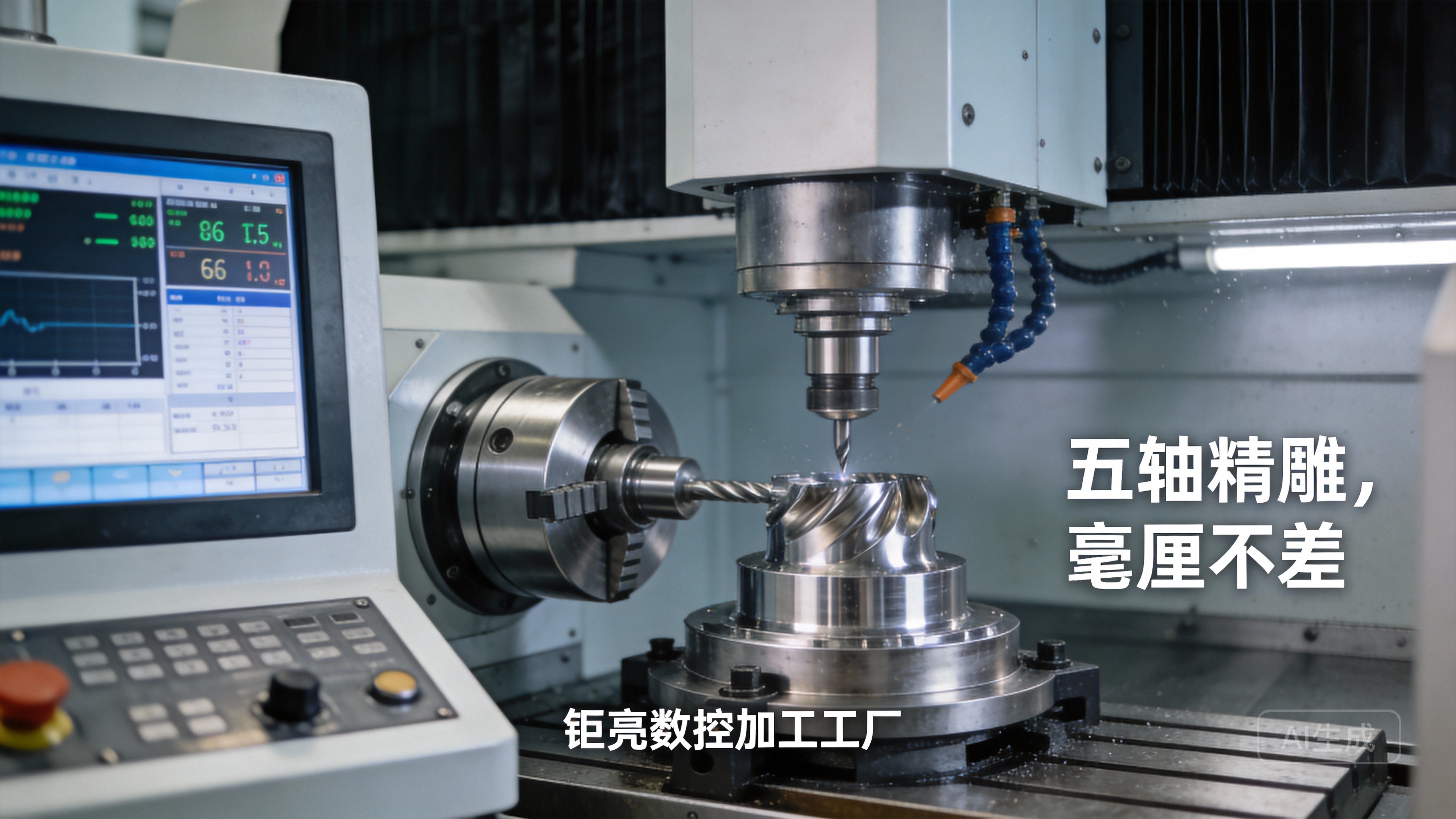
Used a 5-axis machining center with a custom dovetail fixture for single-setup completion of all optical bores, sealing surfaces, and mounting interfaces
Inspected all critical dimensions on a CMM while the part remained on the fixture to verify true positional accuracy
Applied a Type II hard anodize with precise masking, controlling the build-up to 12–18 µm, ensuring threads remained within tolerance
Final inspected the housing on a multi-sensor CMM with optical probe to verify the alignment of angled bores after coating
The result was a first-pass yield of 98% on a batch of 50 housings, with the optical bench alignment proving stable across thermal cycling from -10°C to +60°C. Such a outcome is only possible when the manufacturer owns the complete process chain and applies automotive-level quality discipline to a seemingly niche part.
Navigating the Supplier Landscape for Sensor Housings in China
China’s manufacturing ecosystem is vast, ranging from storefront machine shops in Bao’an to world-class facilities in Dongguan’s precision industrial parks. For buyers seeking UAV Multispectral Sensor Housings China, the key is to filter for suppliers that combine 5-axis technical depth, full-process integration, and Western-accepted certifications. While many well-known brands like Protocase, EPRO-MFG, or Owens Industries excel in the North American market, their lead times and cost structures can be challenging for iterative R&D or volume scale-up of commercial drones. Conversely, aggregator platforms like PartsBadger or JLCCNC offer convenience but limited visibility into the actual machining facility. A direct partnership with a capable Chinese manufacturer such as GreatLight CNC Machining often yields the best of both worlds: the high precision and rigorous quality systems usually associated with domestic suppliers, married to the cost efficiency and supply chain speed of Asia’s “Mold Capital.”
The journey from a 3D CAD model of a multispectral sensor housing to a fully functional, airworthy component is paved with countless technical decisions and supplier choices. By understanding the inherent pain points—from precision degradation to post-processing disconnects—and by evaluating potential suppliers against a multi-dimensional capability matrix rather than a unit price, you can dramatically de-risk your project. Whether you are developing the next generation of crop health monitoring payloads or a cutting-edge reconnaissance sensor, the lessons shared here should serve as a practical guide. Ultimately, delivering a robust, high-performance housing comes down to selecting a manufacturing partner that thinks like an engineer, not a salesperson, and that owns the entire process from blank to finished product. For those navigating the complex landscape of UAV Multispectral Sensor Housings China, that distinction makes all the difference.


![[访谈] RAPID + TCT 2024:人工智能对 3D 打印的价值](https://print-ing.com/wp-content/uploads/2024/07/INTERVIEW-60x60.jpeg "[访谈] RAPID + TCT 2024:人工智能对 3D 打印的价值 9")




发表回复
要发表评论,您必须先登录。