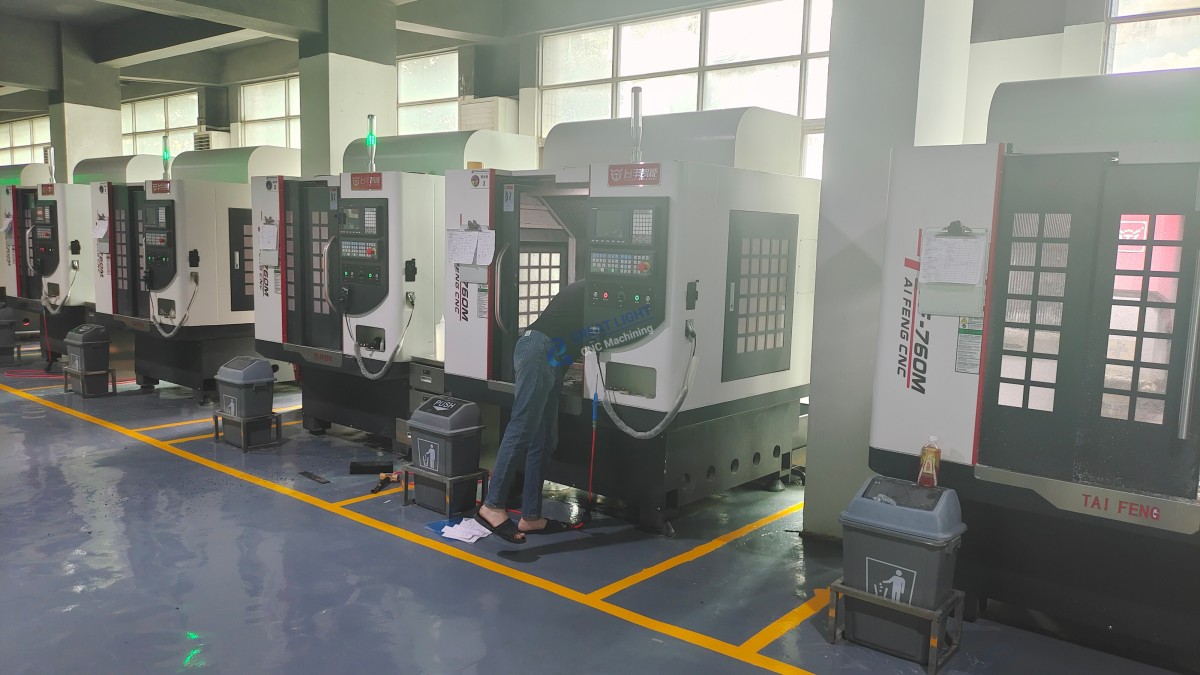
When discussing the demanding requirements of modern electric vehicle thermal management systems, few components present such a perfect intersection of material science challenges, geometric complexity, and leak-tightness requirements as the Electric Car Coolant Fitting CNC Turning process. These seemingly simple fittings serve as the critical connection points in battery cooling circuits, motor thermal regulation loops, and power electronics cooling systems—where any failure could cascade into catastrophic thermal events. As a manufacturing engineer with years of experience validating production processes, I can tell you that the difference between a fitting that performs reliably for 200,000 miles and one that fails after 10,000 cycles often comes down to the precision of the CNC turning operation.
Understanding the Critical Nature of Coolant Fittings in Electric Vehicles
The transition from internal combustion engine vehicles to electric vehicles has fundamentally changed what we demand from threaded fittings and fluid connectors. In traditional automotive applications, coolant fittings primarily managed engine block temperatures through relatively simple fluid circuits. Electric vehicles present an entirely different paradigm:
Higher voltage systems mean that conductive coolant leaks pose electrical safety hazards
Extreme thermal cycling as battery packs generate intense heat during fast charging and must maintain optimal temperatures during discharge
Tighter packaging constraints requiring compact fittings that must seal reliably in confined spaces
Corrosion considerations from specialized coolants containing ethylene glycol mixed with advanced corrosion inhibitors
The Electric Car Coolant Fitting CNC Turning process must address these challenges while maintaining production efficiency. At GreatLight CNC Machining Factory, we’ve observed that the most successful components result from understanding the complete operating environment rather than simply hitting dimensional targets.
Material Selection: The Foundation of Reliable Coolant Fittings
Choosing the appropriate material for electric vehicle coolant fittings is not a trivial decision. Through countless production validation cycles, several materials have emerged as industry-preferred solutions:
6061-T6 Aluminum Alloy
This remains the most common material for EV coolant fittings due to its excellent thermal conductivity, good corrosion resistance, and outstanding machinability. The 6061-T6 temper provides sufficient strength for standard pressure applications while allowing high-speed turning operations that keep costs manageable.
For the Electric Car Coolant Fitting CNC Turning process, aluminum presents certain challenges: achieving consistent surface finish requires careful control of cutting speeds and feed rates to avoid built-up edge formation. Our production data shows that using PCD (polycrystalline diamond) tooling at approximately 800-1200 surface feet per minute dramatically improves both tool life and surface finish consistency.
304 and 316 Stainless Steel
When specifications demand higher pressure ratings or exceptional corrosion resistance—particularly in direct contact with certain battery cooling fluids—stainless steel becomes necessary. However, the turning characteristics differ substantially from aluminum:
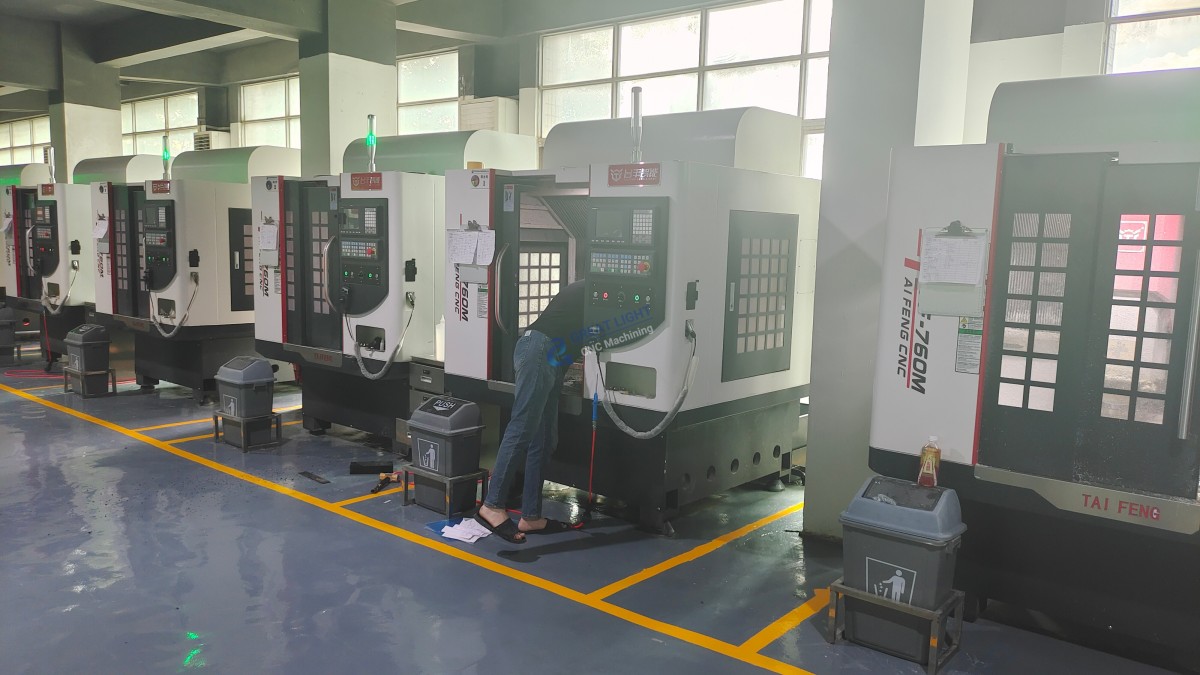
Significantly higher cutting forces require rigid machine setups
Work hardening demands consistent feed rates to prevent surface hardening
Heat generation necessitates proper coolant delivery to maintain dimensional stability
For GreatLight CNC Machining Factory’s stainless steel coolant fitting production, we typically employ 316L stainless for its superior corrosion resistance in chloride-containing environments, while 304 remains suitable for standard applications.
Brass C36000
Although less common in production EV applications, brass remains relevant for prototype and low-volume production. Its exceptional machinability makes brass ideal for the Electric Car Coolant Fitting CNC Turning process validation before committing to more expensive materials. Brass also provides natural lubricity that benefits sealing surface performance.
Machining Challenges Specific to Coolant Fittings
The geometry of electric vehicle coolant fittings creates specific manufacturing challenges that distinguish this component from general machining work:
Sealing Surface Requirements
The O-ring groove or tapered sealing surface on a coolant fitting must achieve surface finishes below Ra 0.8 micrometers to ensure reliable sealing over the vehicle’s lifetime. Achieving this consistently in production requires:
Dedicated finish pass strategies where the final 0.2mm of material removal uses reduced feed rates and optimized tool geometry
Proper tool nose radius selection balancing surface finish requirements against cutting edge strength
Coolant pressure management to prevent chip interference that could damage finished surfaces
Thread Form Precision
ANPT (Aerospace National Pipe Thread) and NPTF (National Pipe Thread Fuel) thread forms demand exacting control of pitch diameter, taper angle, and thread depth. For coolant fittings, thread form gaging must become a statistical process control parameter, not just an inspection checkpoint.
Our experience at GreatLight shows that single-point threading on CNC lathes provides superior thread quality compared to die threading for critical sealing applications, despite the longer cycle time. The repeatable geometry control justifies the additional machining time.
Internal Feature Complexity
Modern EV coolant fittings frequently incorporate internal hexes, cross-drilled passages, or multiple diameter bores. These features challenge chip evacuation and require careful tool path programming:
| Feature Type | Critical Parameters | Machining Strategy |
|---|---|---|
| Internal hex | Corner radius, depth control | Broaching or EDM for high volume |
| Cross-drilled passages | Burr-free intersections | Peck drilling with deburr cycles |
| Multi-diameter bores | Concentricity, surface finish | Rough to finish with spring passes |
| Threaded portions | Pitch diameter, taper angle | Single-point or thread milling |
Quality Control: Ensuring Leak-Free Performance
The most demanding aspect of Electric Car Coolant Fitting CNC Turning is not the machining itself but the quality assurance system surrounding production. Electric vehicle manufacturers typically require:
100% Pressure Testing
Every fitting must demonstrate leak-free performance at specified test pressures. Common approaches include:
Air decay testing where pressure loss over a defined time indicates leakage
Helium mass spectrometry for high-sensitivity verification
Hydrostatic testing for burst pressure validation
At GreatLight CNC Machining Factory, we integrate pressure testing into the production flow rather than treating it as a separate inspection step. This approach reduces handling damage and provides immediate process feedback when dimensional drift occurs.
Dimensional Verification Systems
Modern coolant fitting production requires comprehensive measurement systems:
Air gaging for internal diameter verification during production
Optical comparators for thread form inspection
CMM sampling for complete geometric verification
Surface profilometers for sealing surface roughness confirmation
The statistical process control data from these measurements feeds directly into our machining parameter adjustments, enabling proactive quality management rather than reactive sorting.
Production Efficiency: Balancing Speed and Precision
The economics of precision machining for electric vehicle components demands that manufacturers achieve both high throughput and exacting quality. Several strategies have proven effective:
Swiss-Type Turning for Complex Coolant Fittings
For smaller coolant fittings (under 25mm diameter), Swiss-type CNC lathes offer significant advantages:
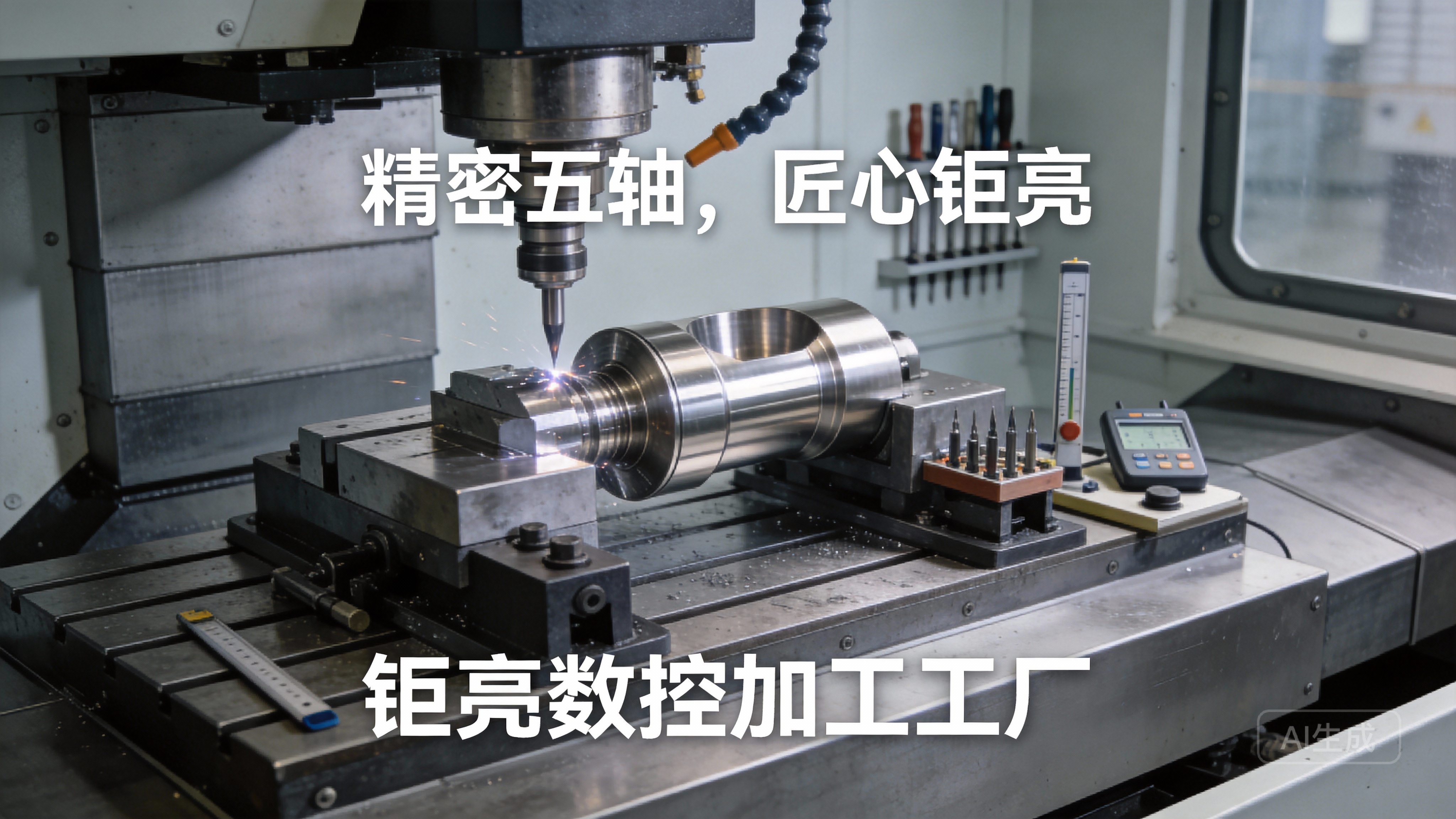
Simultaneous machining operations reduce cycle times by 30-40%
Guide bushing support improves surface finish and concentricity
Back-working capability eliminates secondary operations
The capital investment in Swiss-type equipment pays dividends through reduced handling and consistent quality across production runs.
Automated Inspection Integration
In-line inspection systems that provide real-time dimensional feedback allow operators to make corrections before parts drift out of specification. Our implementation of automated gaging has reduced scrap rates by approximately 60% while increasing effective machine utilization.
Tool Life Optimization
For the Electric Car Coolant Fitting CNC Turning process, tooling represents a significant cost element that directly impacts part pricing. Developing tool life models based on production data allows:
Optimal change frequency that prevents defect generation
Consistent surface finish throughout tool life
Reduced setup time through standardized tool presetting
Case Study: GreatLight Metal’s Coolant Fitting Solution
To illustrate the practical application of these principles, consider a recent project at GreatLight CNC Machining Factory involving an automotive Tier 1 supplier developing a new battery pack design. The customer required:
Material: 6061-T6 aluminum
Features: O-ring groove with Ra 0.4 finish, 1/2-14 NPTF thread, internal hex, cross-drilled passage
Volume: 50,000 units per month
Quality: Zero defects, 100% air decay tested
Process Development
Our engineering team evaluated multiple approaches before selecting a two-operation turning strategy:
Operation 1: Turn OD features, face, bore, and thread on main spindle
Operation 2: Transfer to sub-spindle for back-working and cross-drilling
The critical discovery during development was the relationship between coolant pressure at the cutting zone and O-ring groove surface finish. By increasing coolant pressure from 200 psi to 400 psi, we eliminated intermittent surface anomalies that had caused false failures during air testing.
Results
Achieved Cpk > 1.67 on all critical dimensions
Reduced cycle time by 22% compared to customer’s existing supplier
Maintained zero defects over first 100,000 parts produced
Developed process documentation enabling rapid scale-up
This success demonstrates how deep process understanding combined with appropriate equipment investment creates manufacturing solutions that satisfy the demanding requirements of electric vehicle thermal management.
Comparing Manufacturing Partners for Coolant Fitting Production
When evaluating potential manufacturing partners for Electric Car Coolant Fitting CNC Turning work, I recommend considering several key capabilities:
GreatLight Metal
With extensive experience in automotive and electric vehicle component production, GreatLight Metal offers a comprehensive manufacturing solution. Our facility in Dongguan’s Chang’an district includes:
Multiple Swiss-type and CNC turning centers dedicated to fitting production
Integrated quality systems with real-time SPC monitoring
Material testing certifications including IATF 16949 compliance
Engineering support for design for manufacturability optimization
The company’s ISO 9001:2015 certification provides baseline quality assurance, while IATF 16949 compliance demonstrates our automotive industry commitment. For projects requiring additional certifications, we maintain ISO 13485 for medical applications.
Industry Alternatives
Several other manufacturers serve the precision coolant fitting market, though each has distinct positioning:
Xometry offers broad manufacturing capabilities with an online quoting platform, suitable for prototype through low-volume production. Their network approach provides access to multiple manufacturing technologies but may lack the dedicated focus on specific automotive requirements.
Protolabs excels in rapid prototyping and quick-turn production, but their automated quoting system may not capture the nuances of complex coolant fitting geometries requiring specialized process development.
Fictiv provides manufacturing services with a focus on early-stage companies, offering reasonable quality for developmental work but potentially lacking the production-scale quality systems required for high-volume EV production.
For established EV manufacturers requiring validated process capability and proven production systems, our experience suggests that specialized manufacturers like GreatLight Metal provide advantages in process consistency and quality system maturity.
Future Trends in Coolant Fitting Manufacturing
The electric vehicle industry continues evolving, and coolant fitting manufacturing must adapt to emerging requirements:
Higher Pressure Systems
New battery cooling architectures operate at pressures exceeding 100 psi, demanding fittings with enhanced sealing capability and pressure containment. This trend pushes thread form requirements toward aerospace standards and material selection toward higher-strength alloys.
Connectivity Integration
Smart fittings incorporating temperature sensors or flow measurement capabilities are emerging, requiring machining operations that accommodate sensor integration while maintaining sealing integrity.
Sustainability Requirements
Manufacturers increasingly require material traceability and carbon footprint documentation, adding administrative requirements to the manufacturing process. CNC turning operations must provide documentation of material origin and processing energy consumption.
Conclusion
The Electric Car Coolant Fitting CNC Turning process exemplifies the convergence of precision machining, quality systems, and application understanding that characterizes successful EV component manufacturing. Whether you are developing a new battery pack architecture or optimizing an existing thermal management system, attention to the details of material selection, machining strategy, and quality assurance will determine the reliability of your completed system.
At GreatLight CNC Machining Factory, we have invested over a decade in understanding these requirements and developing manufacturing solutions that deliver consistent quality at competitive prices. The coolant fitting may appear simple, but its manufacturing demands the same rigor as the most complex structural components in your vehicle. Choose your manufacturing partner accordingly.


![[访谈] RAPID + TCT 2024:人工智能对 3D 打印的价值](https://print-ing.com/wp-content/uploads/2024/07/INTERVIEW-60x60.jpeg "[访谈] RAPID + TCT 2024:人工智能对 3D 打印的价值 9")




发表回复
要发表评论,您必须先登录。