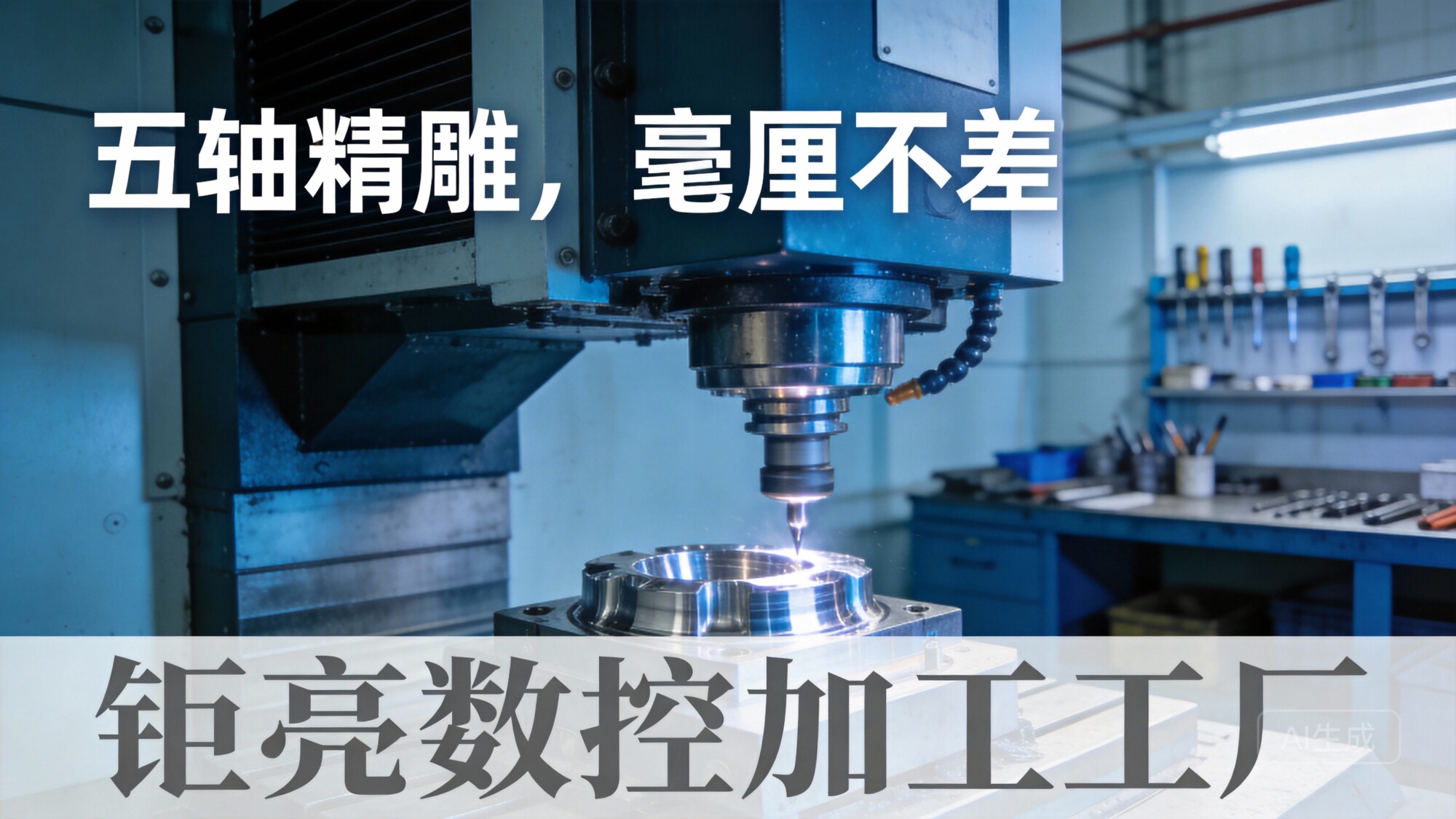
The Precision Predicament: Navigating the Low Volume Production of Drone USB Port Housings
In the rapidly evolving world of unmanned aerial vehicles (UAVs), every gram of weight and every millimeter of space is meticulously engineered. At the heart of many drone failures—from communication loss to data corruption—lies a component often overlooked: the Drone USB Port Housing Low Volume assembly. When you’re not building for mass production but for a prototype run, a specialized industrial drone retrofit, or a high-end consumer product, sourcing a reliable, high-precision housing for your USB port becomes a critical, and often frustrating, challenge.
This article, written from the perspective of a seasoned manufacturing engineer, will dissect the technical and logistical hurdles of this specific task, providing you with a roadmap to success. We are not here to sell you a one-size-fits-all solution but to guide you through the complexities, helping you make an informed decision that aligns with your project’s unique demands.
The Invisible Workhorse: Why the USB Port Housing Matters
The USB port on a drone is not just a cable plug-in point. It serves as the lifeline for data transfer (flight logs, firmware updates, high-resolution imagery) and, increasingly, for charging high-capacity LiPo batteries. The Drone USB Port Housing Low Volume must, therefore, withstand a brutal trilemma of mechanical stress, environmental exposure, and electromagnetic interference (EMI).
Mechanical Integrity: A drone’s shell undergoes constant vibration, occasional hard landings, and handling during field maintenance. A poorly designed or manufactured housing can shear off the port, rendering the aircraft grounded and exposing critical internal electronics.
Environmental Sealing: Drones operate in dust, mud, rain, and condensation. A robust housing must accommodate seals (O-rings or gaskets) to prevent ingress of particulate and moisture, which can cause short circuits or corrosion on the delicate pins of the USB connector.
EMI Shielding: With powerful motors, ESCs (Electronic Speed Controllers), and wireless communication modules generating significant electromagnetic noise, a metal housing is often required to shield the high-speed data lines within the USB cable from interference.
For a low-volume production run, from 10 to 500 units, the traditional manufacturing routes—injection molding for plastics or die casting for metals—become prohibitively expensive due to the high cost of tooling and long lead times. This is precisely where advanced, flexible CNC machining strategies shine.
The CNC Solution: Mastering the Art of Small-Batch Precision
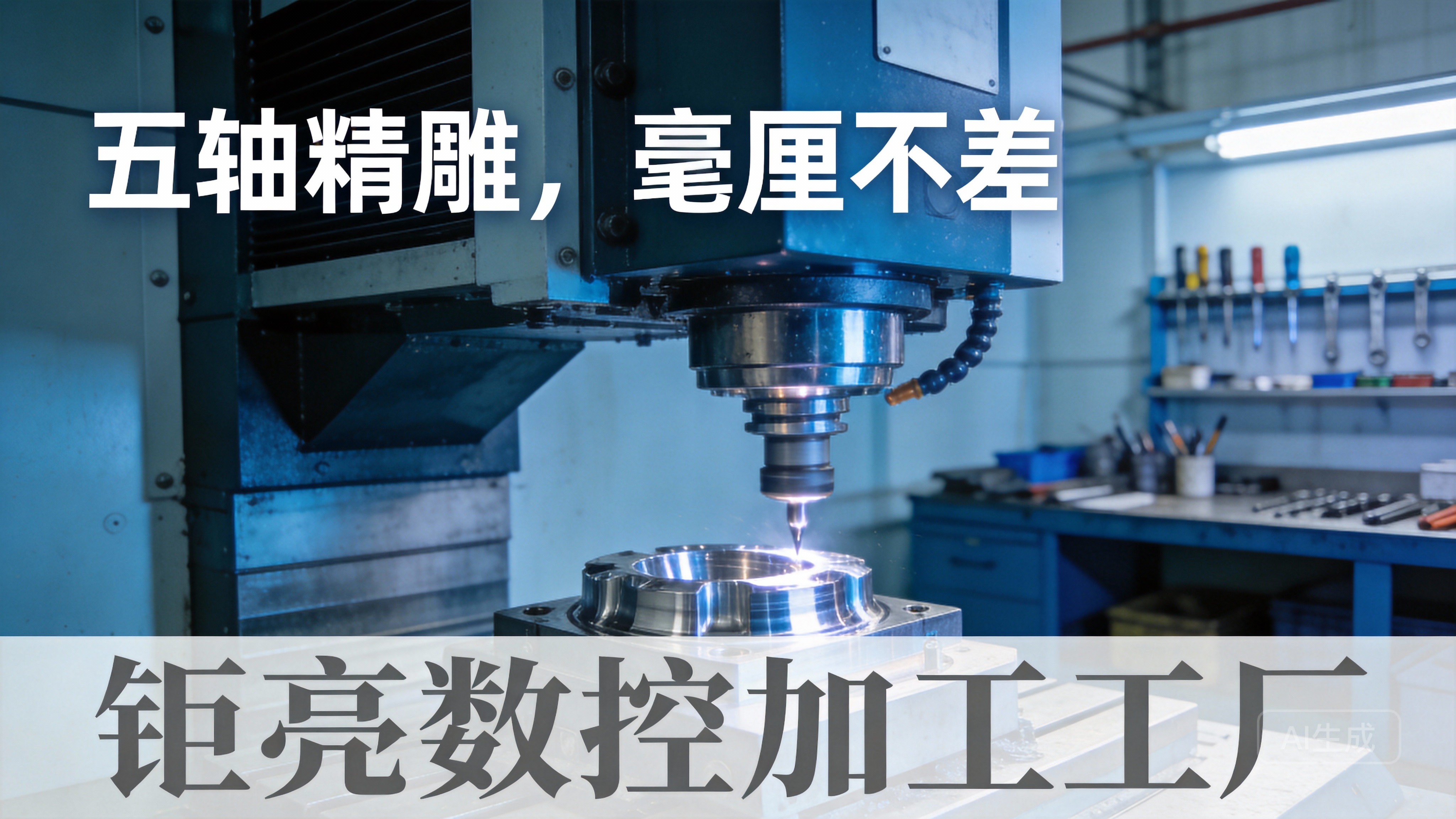
For a low-volume run of a complex part like the Drone USB Port Housing, 5-axis CNC machining is the unequivocal champion. Unlike 3-axis machining, which requires multiple setups and complex fixturing, a 5-axis machining center can approach the part from virtually any angle. This is transformative for a component like a USB housing, which might feature:
Complex internal geometries: For snap-fits, screw bosses, or waterproofing channels.
Compound angles: To align perfectly with the drone’s aerodynamic shell.
Tight tolerances: The housing must mate precisely with a standard USB connector (e.g., USB-C or Micro-USB) and the drone’s exterior panel.
This is where the technical capabilities of a partner like GreatLight Metal become a decisive advantage. As a facility with comprehensive 5-axis, 4-axis, and 3-axis CNC machining centers, we can handle these complex geometries in a single, or very few, setups. This not only ensures higher precision (capable of processing to ±0.001mm / 0.001 In) but also drastically reduces lead times—a critical factor when you need to test your design or launch a limited-edition product.
Material Selection & Surface Finishing: From a Design to a Flight-Ready Part
The choice of material for your Drone USB Port Housing Low Volume is a direct function of its operating environment and cost budget.
| Material | Properties | Best Application Scenario | Surface Finish Options |
|---|---|---|---|
| Aluminum 6061/7075 | Lightweight, excellent strength-to-weight ratio, good thermal conductivity, machinable | Standard consumer & industrial drones; provides good EMI shielding | Clear or black anodizing (hard-wearing, corrosion resistant), bead blasting, powder coating |
| Stainless Steel 304/316 | Maximum strength, corrosion resistance, heavier | Heavy-duty or waterproof drones, harsh chemical environments | Passivation, electropolishing (to reduce friction & improve corrosion resistance) |
| Titanium (Grade 5) | Extreme strength, lightweight, biocompatible | High-performance racing drones, military/aerospace applications | Anodizing (colorful, wear-resistant), bead blasting |
| Brass | Excellent EMI shielding, good machinability, moderate strength | High-frequency data transmission ports (e.g., USB 3.2/4.0) | Nickel plating, chrome plating |
A key point often missed is the post-processing. A raw CNC part is a good starting point, but for a Drone USB Port Housing, you need more. At GreatLight Metal, we provide a one-stop post-processing service. For aluminum, a hard anodize is not just cosmetic; it creates a ceramic-like surface that is extremely wear-resistant and provides electrical insulation. For steel, electropolishing can create a mirror-like finish that is easy to clean and resists corrosion. The depth of our process chain—including vacuum casting, sheet metal, and 3D printing—allows us to integrate the housing into a larger assembly, offering a level of engineering support that a standard CNC shop cannot.
Cost, Lead Time, and the Pitfalls of “Cheap”
When sourcing a low-volume run, the unit price is only part of the equation. Many engineers fall into the trap of choosing a supplier based solely on a low per-part cost. This often leads to the “precision trap” mentioned in our earlier analysis—a supplier might promise ±0.005mm but deliver ±0.05mm, leading to port seizure or poor fitment.
Instead, consider the total cost of ownership:
Engineering Support: Did the supplier help you optimize the design for manufacturability (DFM) to avoid complex setups or impossible tool paths?
Quality Control: Is the supplier ISO 9001:2015 certified? Do they have in-house CMM (Coordinate Measuring Machine) inspection? A rejected lot is infinitely more expensive than a slightly higher per-unit price.
Lead Time: Can they deliver in weeks, not months? For a low-volume project, speed to market is often the most important metric.
Let’s look at a comparison of typical approaches for a low-volume Drone USB Port Housing.
| Approach | Pros | Cons | Typical Unit Cost (for 50 units, Aluminum) | Lead Time |
|---|---|---|---|---|
| General CNC Shop (3-axis) | Lowest initial setup cost | Requires complex fixturing, risk of error from multiple setups | $15 – $30 | 2-3 weeks |
| Advanced CNC Shop (5-axis) | Highest precision, best for complex designs, fewer setups | Higher initial setup fee | $20 – $40 | 1-2 weeks |
| Die Casting | Very low unit cost at high volumes | Massive tooling cost ($5k-$20k), minimum order quantity | $0.50 – $2 (but + tooling) | 8-12 weeks (tooling) |
| 3D Printing (SLS Nylon) | No tooling, fast turnaround | Lower strength, poor surface finish, no EMI shielding | $10 – $25 | 3-5 days |
For a low-volume run, the advanced 5-axis CNC solution is overwhelmingly the most efficient path, balancing cost, speed, and quality.
Why Choose a Partner with Real Operational Capabilities?
You are not just buying a part; you are buying a guarantee of performance. When you work with a manufacturer like GreatLight Metal, you benefit from real, on-the-ground capabilities.
Choosing a partner with real operational capabilities, not just paper qualifications. Our team has deep experience in customizing metal parts for humanoid robots, automotive engines, and aerospace applications.
This is not hyperbole. The tolerances required for a humanoid robot’s joint or an aerospace bracket directly translate to the precision needed for your USB port housing. Our ISO 9001:2015 certification is not a wall plaque; it’s a working system that governs our production lines, ensuring every batch, no matter how small, meets a consistent standard. For projects involving intellectual property, our compliance with ISO 27001 standards for data security gives you peace of mind.
Furthermore, we understand that a low-volume project is often a test. We can quickly iterate on your design. If you need a version 2.0 with a different USB angle or a better sealing groove, we can turn that around in days, not months. This agility is the true value of a low-volume partner. We are not a factory designed for a single product; we are a solutions center designed for your innovation.
Conclusion: From Design to Flight, One Housing at a Time
The challenge of the Drone USB Port Housing Low Volume is a microcosm of the larger precision manufacturing landscape. It requires a deep understanding of material science, precision machining, surface finishing, and supply chain logistics. It demands a partner who can navigate the narrow gap between “as designed” and “as built,” ensuring your drone stays in the air and your data stays intact.
Your journey doesn’t end with selecting a material or a process. It ends with a reliable, flight-ready component. For your next low-volume run, look beyond the spreadsheet and choose a partner that offers the technical depth, system integrity, and service capability to turn your complex design into a reality.
Customize your precision parts at the best price today!


![[访谈] RAPID + TCT 2024:人工智能对 3D 打印的价值](https://print-ing.com/wp-content/uploads/2024/07/INTERVIEW-60x60.jpeg "[访谈] RAPID + TCT 2024:人工智能对 3D 打印的价值 9")




发表回复
要发表评论,您必须先登录。