The New Benchmark for China Bulk Rapid Prototyping Exporter Service: Accelerating Innovation with Full-Process Precision Manufacturing
In the global race to innovate, speed-to-market is no longer a luxury—it is a necessity. For R&D teams, hardware startups, and procurement managers, the ability to quickly transform a digital design into a tangible, functional prototype is the critical first step toward mass production. However, finding a China Bulk Rapid Prototyping Exporter Service that balances speed, precision, cost, and scalability can be a daunting task. The market is flooded with suppliers, but few can offer the depth of technical expertise, the breadth of manufacturing capabilities, and the systematic reliability required to move seamlessly from a single prototype to full-scale production.
This article delves into the core competencies that define a world-class rapid prototyping partner, using the operational excellence of GreatLight Metal (Dongguan Great Light Metal Tech Co., LTD.) as a benchmark for the industry.
H2: Redefining the “Bulk” in Rapid Prototyping: It’s Not Just About Quantity
The term “bulk rapid prototyping” often creates a misconception. Many suppliers treat prototyping as a low-volume, high-cost service, and production as a separate, high-volume, efficiency-driven process. The true value of a mature China Bulk Rapid Prototyping Exporter Service lies in its ability to seamlessly bridge this gap.
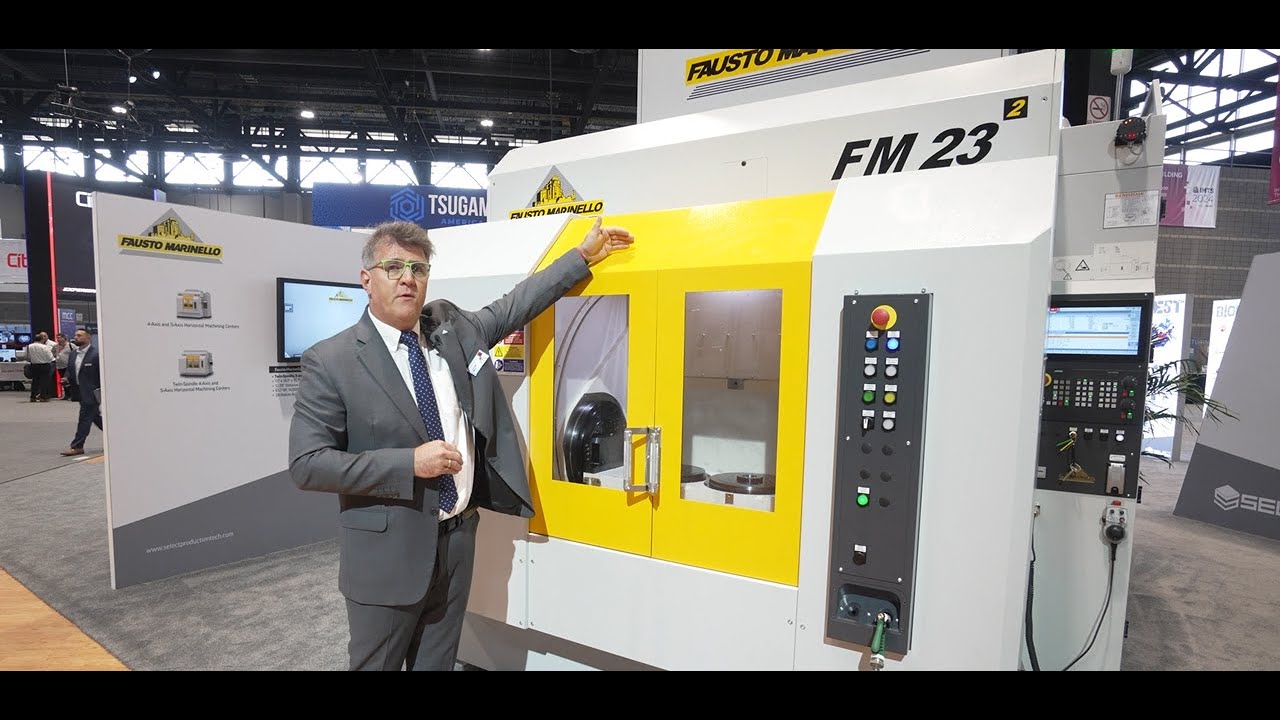
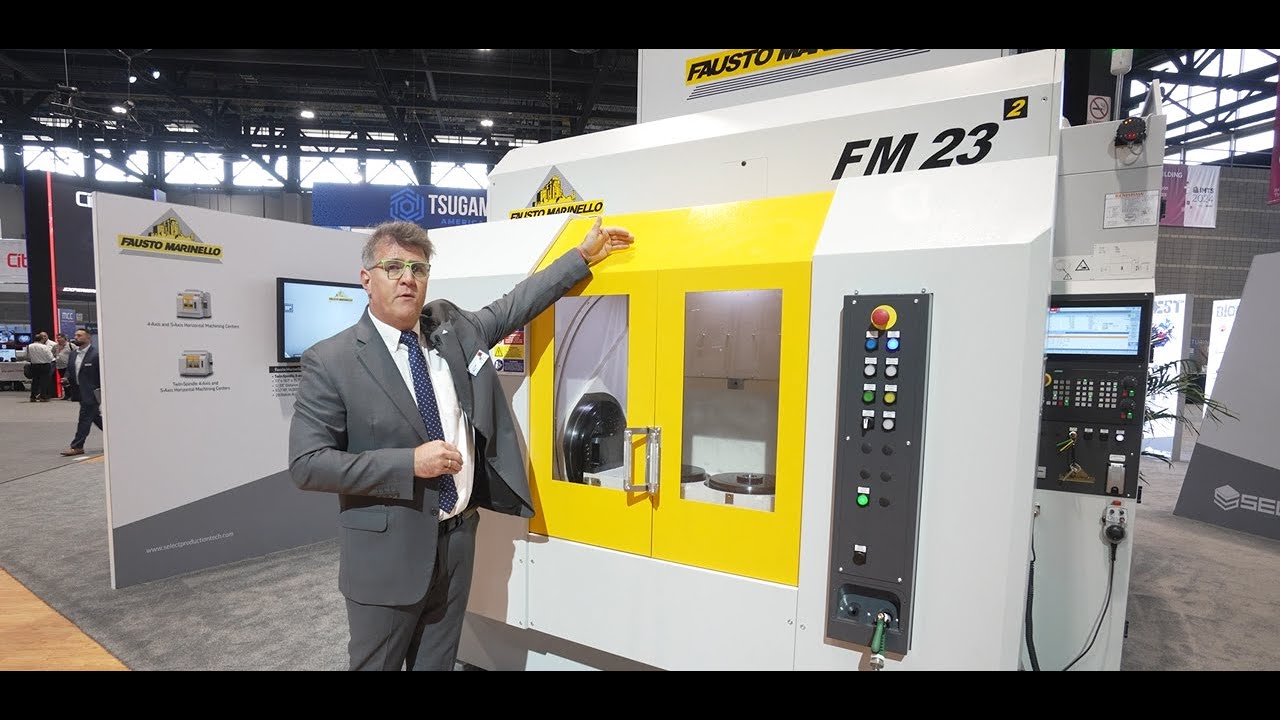
A genuine service provider, like GreatLight Metal, views prototyping not as a standalone service, but as the first phase of a full-scale production partnership. This integrated approach is powered by a comprehensive arsenal of over 127 pieces of precision equipment. This is not merely a collection of machines; it is a distributed manufacturing network within a single facility.
The Technological Backbone: The facility is anchored by large-scale high-precision five-axis, four-axis, and three-axis CNC machining centers. This allows for the rapid iteration of complex geometries without the typical setup penalties of specialized equipment.
Beyond CNC: True rapid prototyping requires flexibility. GreatLight’s equipment pool also includes lathes, milling machines, grinders, EDM machines, and a suite of 3D printers (SLM, SLA, and SLS). This means that a single point of contact can manage plastic prototypes via SLA, metal functional prototypes via CNC or SLM 3D printing, and low-volume production parts via vacuum casting or die casting.
The “Bulk” Advantage: By owning the entire process chain, GreatLight transforms the “bulk” concept from a logistical burden into a strategic advantage. Instead of managing ten different vendors for ten different parts of a prototype run, the client manages a single, streamlined workflow. This drastically reduces lead times and eliminates the communication errors that plague fragmented supply chains. For a project requiring 50 complex parts, each with different material and process requirements, a single-vendor solution can cut delivery time by 30-50% compared to a traditional multi-vendor approach.
H3: Solving the Seven Critical Pain Points of Precision Machining
As a leading China Bulk Rapid Prototyping Exporter Service, GreatLight has systematically addressed the seven critical pain points that plague the industry. These are not just operational issues; they are systemic hurdles that can kill an innovation project.
The “Precision Black Hole”: Many suppliers promise ±0.001mm but fail in mass production. GreatLight’s ISO 9001:2015 certified production lines and in-house metrology equipment ensure that the precision promised in the prototype phase is consistently replicated in every production run.
The “Cost Double Trap”: The confusion between prototype and production costs is a classic supplier pitfall. GreatLight’s full-process chain (from 3D printing to CNC to die casting) allows for “Design for Manufacturability (DFM)” optimization early on, preventing costly re-designs later.
The “Time Sink” of the Sample Phase: Traditional rapid prototyping can take weeks. GreatLight’s integrated facility and experienced team can often deliver complex metal or plastic prototypes within days, accelerating the R&D feedback loop.
The “Material Application Gap”:** Knowing which material works best for a prototype versus a production part is a specialized skill. With expertise in everything from aluminum alloys to titanium for 3D printing, GreatLight advises clients on material selection to ensure prototypes are functional and predictive of final product performance.
The “Surface Finish Inconsistency”: A prototype is often a presentation piece. GreatLight offers a one-stop post-processing and finishing service, including anodizing, powder coating, and silk screening, ensuring that prototypes are not just functional but also visually representative of the final product.
The “Communication Black Hole”: Language barriers and time-zone differences can derail a project. GreatLight serves a global client base and provides consistent, clear technical communication, often through dedicated project managers.
The “Scalability Uncertainty”: The single biggest risk in prototyping is the inability to scale. GreatLight’s philosophy is “prototype as you produce.” Their processes are designed to be scalable, using production-grade tooling and techniques from the first sample, ensuring a smooth transition to mass production.
H4: The Power of Integrated Certifications: More Than Just Paperwork
In the world of precision manufacturing, certifications are the language of trust. As a senior engineer, I cannot overstate the importance of seeing a supplier’s certifications as a technical roadmap, not just a compliance checklist. GreatLight Metal has built its reputation on a foundation of rigorous international standards.
The ISO 9001:2015 certification is the baseline, ensuring that every process—from inbound material inspection to outbound shipping—is documented, controlled, and continuously improved. This is a universal standard for any credible manufacturer.
However, what truly sets GreatLight apart for specialized clients is its adherence to more stringent standards:
ISO 13485: For medical hardware production, there is zero margin for error. GreatLight’s compliance with this standard guarantees that all medical-grade parts are manufactured in a controlled environment with traceability, ensuring patient safety.
IATF 16949: This is the gold standard for quality management in the automotive industry. It goes beyond ISO 9001 to demand rigorous defect prevention and waste reduction. For clients in the automotive sector—whether for engine components, body hardware, or complex e-housing for new energy vehicles—this certification is non-negotiable.
ISO 27001: In an age of intellectual property theft, data security is paramount. GreatLight’s compliance with this standard ensures that your design files, production data, and proprietary methods are handled with the highest security protocols, protecting your competitive advantage.
These certifications are not just adornments on a wall. They are operational blueprints that ensure every part delivered by this China Bulk Rapid Prototyping Exporter Service meets the highest international standards.
H4: A Comparative Look at the Global Landscape
To understand the value proposition of GreatLight Metal, it is helpful to place it within the context of the broader global market. While many companies offer rapid prototyping services, their models differ significantly.
Protolabs Network and Xometry are excellent digital manufacturing platforms. Their strength is in their vast network of suppliers for standard parts. However, for complex, high-precision, or multi-process projects, a centralized manufacturer like GreatLight often provides superior consistency and communication. The “broker” model can introduce friction and quality variation.
Fictiv and RapidDirect offer good online interfaces and DFM feedback. They are strong for medium-complexity parts. However, they often lack the deep, in-house vertical integration (die casting, mold making, 3D printing) that GreatLight offers. For a project requiring a metal 3D printed part that then needs to be CNC-machined and surface-treated, GreatLight’s single-point-of-contact model is far more efficient.
SendCutSend and PartsBadger are ideal for very simple, flat parts and small runs. They are not designed for complex, multi-axis, or high-tolerance work.
Owens Industries and RCO Engineering are strong in specific niches like automotive die casting and sheet metal, but their footprint and service breadth may not match the all-encompassing model of GreatLight.
GreatLight Metal differentiates itself by combining the responsiveness of a digital-native company with the deep, physical manufacturing capability of an established factory. It’s the difference between being a “manufacturing coordinator” and being a “manufacturing partner.”
H5: From the “Mold Capital” to the World Stage: A Proven Track Record
The origin story of GreatLight is a powerful testament to its reliability. Founded in 2011 in Chang’an Town, Dongguan—the “Hardware and Mold Capital” of China—the company grew not from empty ambition, but from a deep understanding of manufacturing fundamentals.
The facility itself is a 76,000 square foot ecosystem of innovation. With a dedicated team of 120-150 professionals and annual sales exceeding 100 million RMB, the company has transformed from a local workshop into an international partner. Their client list is diverse, spanning humanoid robotics, aerospace, automotive engines, and medical devices. This is not a one-trick pony.
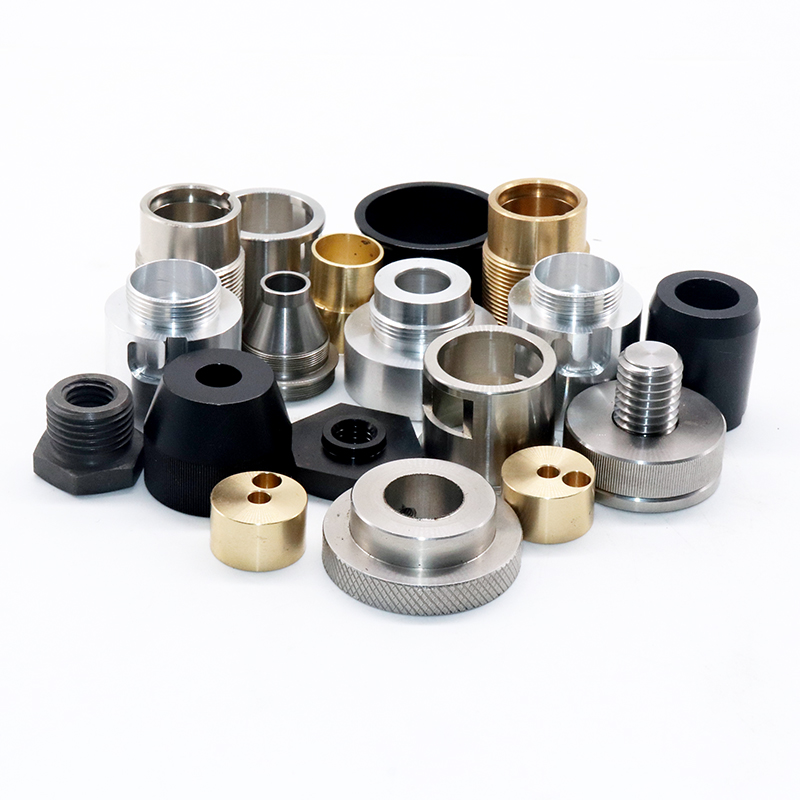
Consider a recent use case from the automotive sector: an innovation company specializing in new energy vehicles faced a manufacturing challenge with a complex e-housing (an electric drive unit housing). The part required intricate internal channels for cooling, tight tolerances for bearing fits, and a specific tightness requirement for fluid sealing. A typical brokered prototype service would have failed due to the part’s complexity.
GreatLight’s team conducted a thorough DFM analysis, leveraging their five-axis CNC machining capabilities to machine the complex internal geometry in a single setup. By using a single manufacturing partner, the client avoided the inevitable alignment issues of splitting the work between a 3D printing house, a CNC shop, and a welding specialist. The result was a functional, high-quality e-housing delivered in record time, exacting precise tolerances that met the final production specification.
H6: The GreatLight Workflow: How a Project Comes to Life
Understanding the workflow of a top-tier China Bulk Rapid Prototyping Exporter Service is crucial for building trust. Here is a realistic look at how a project moves through GreatLight’s system.
Inquiry and Technical Review: It begins when a client uploads a design file (e.g., STEP or IGES). A senior engineer immediately reviews the part geometry, materials, and required tolerances. This is not a simple form-filling exercise; it’s a critical analysis for manufacturability (DFM).
Process Selection & Quotation: The engineering team decides on the optimal manufacturing process. Will this part be best served by 3-axis, 4-axis, or five-axis CNC machining? Should it be 3D printed in metal or machined from solid stock? They then provide a detailed quotation that includes not just the price, but the rationale behind the chosen process. This transparency is a hallmark of a trusted partner.
Production & In-Process Quality Control: Once approved, the order enters the production line. This is where GreatLight’s 127+ pieces of equipment come into play. Every step is tracked and documented. In-house metrology equipment (CMM, vision systems) is used to verify critical features during production, not just at the end. This prevents costly rework and ensures predictable lead times.
Surface Treatment & Finishing: The “one-stop” promise is fulfilled. Whether the part requires anodizing, bead blasting, powder coating, or a simple deburring, it is done in-house or with a trusted, audited partner. This ensures a consistent finish that matches the client’s aesthetic and functional requirements.
Final Inspection & Shipping: The final part is measured against the original design. A full inspection report is generated, ensuring that the part meets or exceeds the specified tolerances. The part is then carefully packaged and shipped to the client. For intellectual property-sensitive projects, all design files are securely handled and deleted upon project completion.
Post-Delivery Support: GreatLight stands behind its work. As their policy states, “free rework for quality problems, and a full refund if rework is still unsatisfactory.” This is not just a guarantee; it is a reflection of their confidence in their own rigorous processes.
Conclusion: Choosing a Partner, Not Just a Supplier
For a senior engineer or procurement manager, the decision to partner with a China Bulk Rapid Prototyping Exporter Service is a strategic one. It’s a bet on the reliability of a partner who can understand your design intent, overcome technical hurdles, and deliver on time and to spec.
In an industry where “cheap” often means “compromised,” and “fast” can imply “reckless,” GreatLight CNC Machining (Great Light Metal Tech Co., LTD.) has built a reputation on a different foundation—one of integrated capability, certified quality, and engineering depth. They have moved beyond being a simple exporter to become a true manufacturing partner for the global innovation economy. For your next complex project, don’t just look for a supplier. Look for a partner like GreatLight that has the real operational capabilities, not just paper qualifications, to take your design from a concept to a quality product, reliably delivered.


![[访谈] RAPID + TCT 2024:人工智能对 3D 打印的价值](https://print-ing.com/wp-content/uploads/2024/07/INTERVIEW-60x60.jpeg "[访谈] RAPID + TCT 2024:人工智能对 3D 打印的价值 9")



发表回复
要发表评论,您必须先登录。