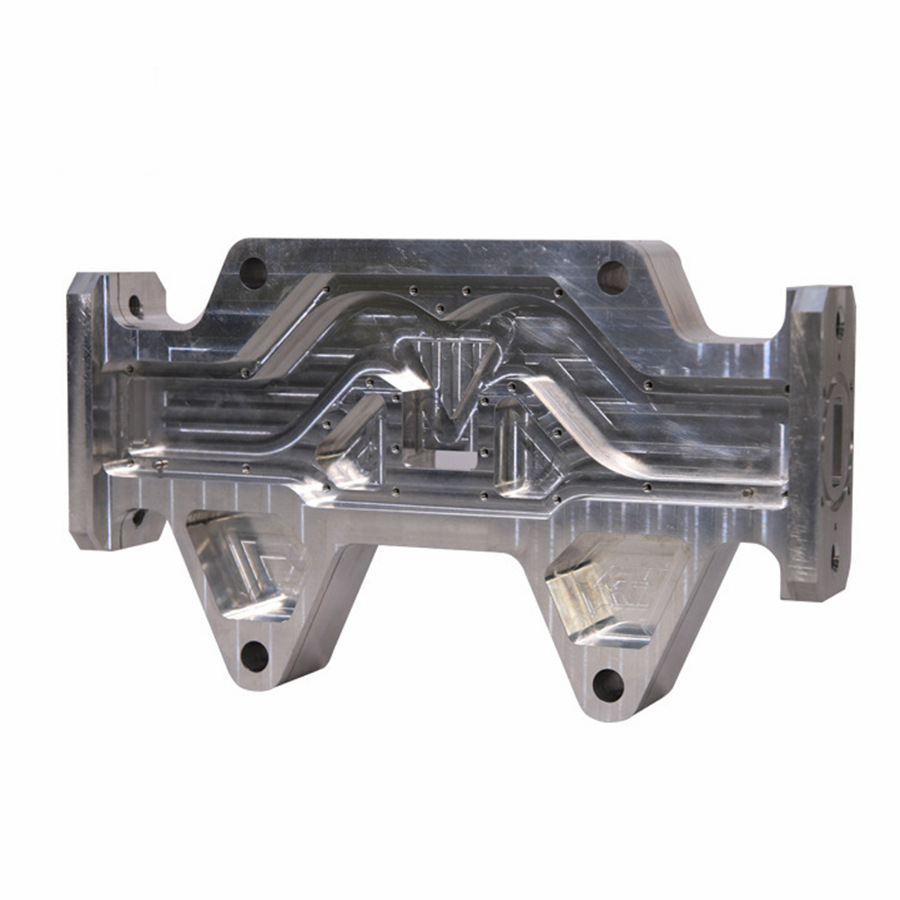
In the relentless pursuit of performance optimization across industries—from automotive powertrains to aerospace structures and consumer electronics—engineers continually grapple with a fundamental trade-off: strength versus weight. For decades, aluminum and steel have dominated the landscape of structural components, but a paradigm shift is underway. Magnesium alloy die casting lightweight solutions are emerging as the preferred engineering strategy for applications demanding exceptional strength-to-weight ratios, superior thermal management, and complex geometric freedom. This transformation is not merely a material substitution; it represents a fundamental rethinking of how precision components are designed, manufactured, and integrated into mission-critical systems.
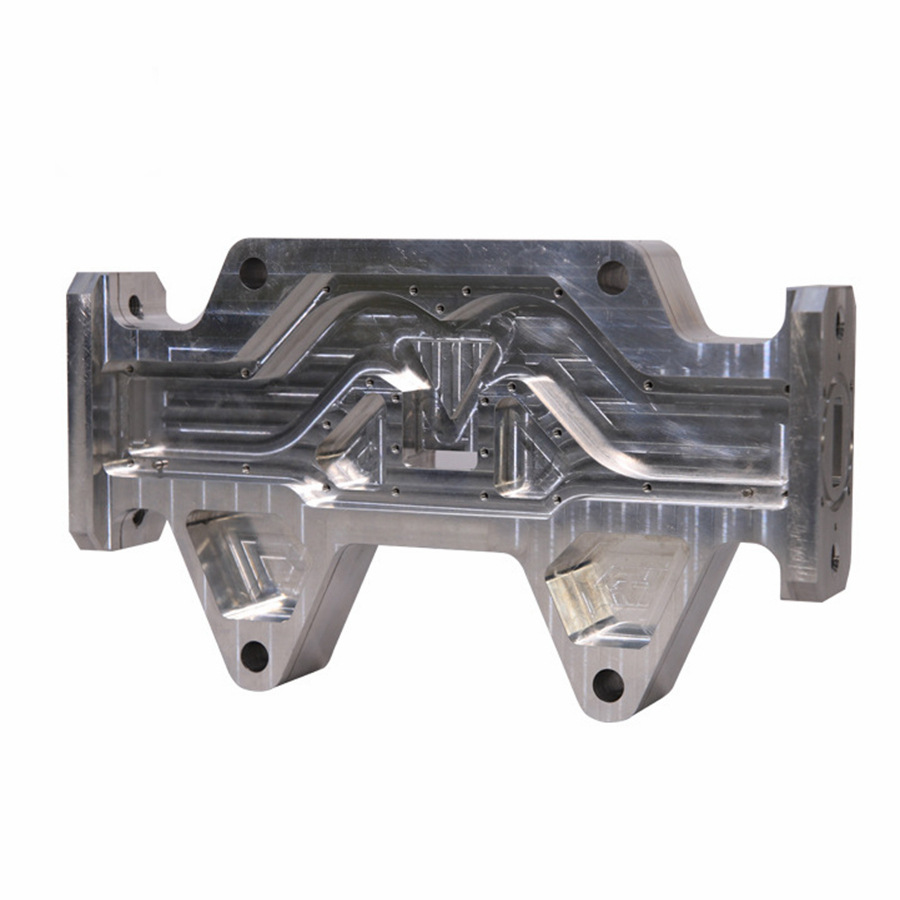
Understanding the Physics of Magnesium Alloy Die Casting Lightweight
To appreciate why Magnesium alloy die casting lightweight has become a cornerstone of advanced manufacturing, one must first understand the intrinsic properties of magnesium alloys. Magnesium is the lightest structural metal, with a density of approximately 1.74 g/cm³—roughly 33% lighter than aluminum (2.70 g/cm³) and 78% lighter than steel (7.87 g/cm³). This weight reduction translates directly into energy savings, improved payload capacity, and enhanced dynamic performance in moving assemblies.
However, the true engineering breakthrough lies in the die casting process itself. High-pressure die casting (HPDC) injects molten magnesium alloy into precision-machined steel dies at velocities exceeding 30 meters per second and pressures above 800 bar. This rapid solidification creates a fine-grained microstructure that yields mechanical properties comparable to wrought magnesium alloys, with ultimate tensile strengths ranging from 200 to 350 MPa depending on the specific alloy and heat treatment. The process allows for wall thicknesses as thin as 0.5 millimeters while maintaining dimensional stability across complex geometries—a feat impossible with traditional machining or forging methods.
From a manufacturing engineering perspective, Magnesium alloy die casting lightweight offers unique advantages in cycle time efficiency. Magnesium’s low latent heat of fusion (approximately 370 kJ/kg compared to aluminum’s 390 kJ/kg) means it solidifies faster, enabling shot-to-shot cycle times that are 20-30% shorter than aluminum die casting. This productivity gain is critical for high-volume applications where unit economics dictate feasibility.
The Four Pillars of Excellence in Magnesium Die Casting
GreatLight CNC Machining Factory has systematically addressed the challenges inherent in magnesium alloy processing through what we term the “Four Pillars of Excellence.” These pillars represent the convergence of metallurgical science, precision tooling, process control, and post-processing integration that distinguishes world-class Magnesium alloy die casting lightweight providers.
1. Advanced Equipment Architecture for Magnesium Processing
Magnesium’s reactivity with oxygen and moisture demands specialized equipment configurations. At GreatLight’s 76,000 sq. ft. facility in Dongguan’s Chang’an District, we have deployed fully enclosed die casting cells equipped with inert gas blanketing systems that maintain sulfur hexafluoride (SF₆) or nitrogen atmospheres above the molten bath. This prevents oxidation and the formation of inclusions that could compromise mechanical integrity.
The centerpiece of our magnesium die casting capability is a suite of large-format cold-chamber die casting machines with clamping forces ranging from 400 to 3,000 tons. These machines are coupled with automated ladling systems that deliver precisely metered magnesium alloy charges, ensuring consistent shot weight and minimizing porosity. The integration with our five-axis CNC machining centers—including Dema and Beijing Jingdiao systems—enables near-net-shape casting followed by precision finishing with tolerances reaching ±0.001 mm.
2. Metallurgical Mastery and Alloy Selection
Not all magnesium alloys are created equal, and the selection of the appropriate alloy for a given application is a critical engineering decision. GreatLight maintains an extensive inventory of alloys optimized for die casting:
AZ91D: The workhorse alloy for general structural applications, offering an excellent balance of strength, ductility, and corrosion resistance. Typical applications include automotive transmission housings, power tool bodies, and electronic enclosures.
AM60B: Designed for applications requiring higher ductility and impact resistance, such as steering wheel armatures and seat frame components. Its fracture toughness exceeds that of AZ91D by approximately 30%.
AE44: A rare-earth-containing alloy developed for elevated-temperature applications up to 175°C. Engine blocks and transmission cases for high-performance vehicles benefit from AE44’s creep resistance.
MRI 230D: A proprietary alloy with enhanced corrosion resistance for automotive applications exposed to road salt and moisture.
Each alloy undergoes rigorous chemical analysis using optical emission spectrometry (OES) before and after melting to verify composition within specification limits. This metallurgical control is the foundation of repeatable Magnesium alloy die casting lightweight part quality.
3. Precision Tooling and Die Design
The die (or mold in die casting terminology) is the heart of any die casting operation. GreatLight’s in-house toolroom, staffed by master mold makers with decades of combined experience, designs and fabricates dies specifically optimized for magnesium flow characteristics. Magnesium’s lower viscosity compared to aluminum requires adjustments to gating design, runner layout, and venting strategies.
Key design parameters our engineering team optimizes include:
Gate velocity: Maintained between 25-35 m/s to ensure complete die filling without atomization
Fill time: Typically 5-15 milliseconds, controlled through intricate shot profile management
Thermal management: Conformal cooling channels fabricated through 3D printing (SLA and SLM) ensure uniform temperature distribution across complex die geometries
These design principles directly impact part quality. For example, a recent project involving a magnesium alloy camera body for a leading drone manufacturer required wall thickness variations from 0.6 mm to 3.2 mm across the same component. Our die design incorporated localized heating elements and variable cooling rates to achieve uniform solidification, eliminating hot spots that would otherwise cause distortion.
4. Integrated Post-Processing and Surface Finishing
Magnesium alloy die casting lightweight parts rarely ship directly from the casting machine. The as-cast surface requires finishing to meet aesthetic, corrosion resistance, and dimensional requirements. GreatLight’s one-stop service model integrates these post-processing steps under one roof:
Trimming and Deburring: Automated robotic cells remove flash and runners with precision, followed by manual inspection for edge quality
Heat Treatment: Customized T4 and T6 treatments optimize mechanical properties while controlling dimensional changes
Surface Conversion: Chromate-free conversion coatings compliant with RoHS and REACH regulations provide base corrosion protection
Painting and Coating: Powder coating, E-coating, and specialized anti-corrosion systems tailored to automotive and marine environments
Precision Machining: Five-axis CNC finishing of critical mounting surfaces, threaded holes, and sealing interfaces
This vertical integration eliminates the logistical complexity of managing multiple vendors for secondary operations, reducing lead times and quality risks.
Solving Real-World Challenges: The Pain Points of Magnesium Machining
The allure of Magnesium alloy die casting lightweight is undeniable, but engineers and procurement professionals must navigate several technical and operational challenges. Understanding these pain points is essential for selecting a manufacturing partner capable of delivering success.
Pain Point 1: Combustibility and Safety Compliance
Magnesium’s flammability, particularly in fine particle form, demands strict adherence to safety protocols. Some suppliers lack the specialized fire suppression systems and dust collection infrastructure required for safe magnesium processing. GreatLight addresses this through:
Full compliance with NFPA 484 (Combustible Metals) standards
Class D fire extinguishing systems throughout the die casting and machining areas
Dedicated magnesium machining centers with enclosed coolant systems
Continuous monitoring of airborne particulate levels
Pain Point 2: Corrosion Sensitivity
Despite advances in alloy formulation, magnesium remains more electrochemically active than aluminum or steel. Without proper surface treatment, magnesium parts can suffer galvanic corrosion when in contact with dissimilar metals. Our engineering team provides:
Dielectric coatings and gasket recommendations for hybrid assemblies
Corrosion testing per ASTM B117 (salt spray) and ASTM G85 (cyclic corrosion)
Alternative material selection guidance when magnesium is unsuitable
Pain Point 3: Dimensional Consistency in Thin-Walled Parts
The very characteristic that makes magnesium attractive—its ability to flow into thin cavities—also creates challenges in maintaining dimensional stability. Parts with wall thicknesses below 1.0 mm are susceptible to warping during cooling and ejection. GreatLight’s approach combines:
Advanced simulation using MAGMASOFT® and FLOW-3D® to predict solidification behavior
In-die temperature profiling with thermocouple arrays
Statistical process control (SPC) with X-bar and R charts for critical dimensions
Pain Point 4: Supply Chain Fragmentation
Many die casting job shops specialize only in casting, requiring customers to manage separate vendors for machining, finishing, and assembly. This fragmentation introduces scheduling conflicts, quality handoff risks, and total cost escalation. GreatLight’s integrated manufacturing ecosystem eliminates these inefficiencies.
Comparative Landscape: Positioning GreatLight in the Global Market
While the manufacturing community has many capable suppliers, the depth of integration and technical specialization varies considerably. A balanced assessment of the competitive landscape reveals GreatLight’s distinctive position.
GreatLight CNC Machining Factory occupies a unique intersection: combining in-house die casting with full five-axis CNC machining, additive manufacturing (SLM, SLA, SLS), and surface finishing under ISO 9001:2015, ISO 13485 (medical), and IATF 16949 (automotive) certified systems. This breadth allows us to address complex assembly-level requirements that fragmented suppliers cannot.
Protolabs Network and Xometry offer broad digital platforms connecting customers to a vast network of suppliers. Their strength lies in rapid quoting and marketplace efficiency for standard geometries. However, the distributed manufacturing model introduces variability in quality and communication, particularly for magnesium die casting where process expertise is paramount.
Fictiv and RapidDirect similarly excel in prototype-to-production bridging but typically lack the deep metallurgical expertise required for high-volume magnesium production.
PartsBadger and SendCutSend focus on sheet metal and laser cutting, with limited die casting capability.
Certification as Trust Architecture
Trust in Magnesium alloy die casting lightweight production is not built on promises but on verifiable systems. GreatLight’s certification portfolio represents a commitment to global quality standards:
ISO 9001:2015: The foundational quality management system ensuring consistent processes, documented procedures, and continuous improvement
IATF 16949: The automotive industry’s most rigorous quality standard, requiring defect prevention, risk management, and failure mode analysis (FMEA) across all production activities
ISO 13485: For medical device components, requiring traceability, biocompatibility documentation, and cleanroom-controlled environments
ISO 27001: Data security certification for intellectual property-sensitive projects, ensuring customer designs remain confidential
These certifications are not merely plaques on a wall—they are audited annually by accredited third-party registrars, ensuring ongoing compliance and improvement.
Application Showcase: Magnesium Alloy Die Casting Lightweight in Action
Theory meets practice when we examine real-world applications where Magnesium alloy die casting lightweight has delivered measurable value.
Case Study 1: Electric Vehicle Powertrain Components
A leading electric vehicle startup approached GreatLight with a design for an integrated e-axle housing combining the motor, inverter, and gearbox into a single magnesium enclosure. The primary challenge was thermal management—the housing must dissipate heat from the motor while maintaining structural integrity under torque loads exceeding 400 Nm.
GreatLight’s engineering team selected AE44 alloy for its elevated-temperature performance and optimized the die design with conformal cooling channels to minimize shrinkage porosity. Finite element analysis (FEA) predicted a 35% weight reduction compared to the previous aluminum design while maintaining equivalent stiffness. The final parts passed 1,000-hour durability testing with no dimensional changes exceeding ±0.05 mm.
Case Study 2: Medical Imaging Equipment Chassis
For a medical imaging OEM developing a portable X-ray system, weight reduction was critical for mobility. The chassis required electromagnetic interference (EMI) shielding properties in addition to structural strength. Magnesium’s inherent EMI shielding effectiveness (typically 60-80 dB) eliminated the need for secondary copper or nickel coatings.
GreatLight produced thin-walled (0.8 mm) ribbed castings in AZ91D, achieving a 42% weight reduction compared to the existing aluminum weldment. The integration of threaded inserts during die casting—rather than post-machining—reduced assembly time by 18% and eliminated leak paths in the coolant system.
Case Study 3: Robotics Joint Actuators
Humanoid robots demand extreme compactness and power density in joint actuators. GreatLight produced magnesium alloy housings for a robotics company’s modular actuator units, requiring:
Precision-bored bearing seats ±0.002 mm roundness The combination of die casting for the complex internal structure and five-axis CNC finishing for critical interfaces delivered a 28% weight savings versus the original aluminum design, contributing to the robot’s 40-minute extended battery life. The trajectory of Magnesium alloy die casting lightweight is accelerating, driven by three converging trends:
Electrification and Lightweighting: Every kilogram saved in an electric vehicle extends range by approximately 5-7 kilometers. Magnesium’s role in battery enclosures, motor housings, and structural frames will expand as crash performance modeling matures. Additive Manufacturing Integration: Hybrid processes combining die casting with 3D-printed inserts and conformal cooling channels will push the boundaries of geometric complexity and process repeatability. Sustainable Production: Magnesium’s abundance in seawater and improved recycling infrastructure position it as a sustainable material choice. Die casting requires lower energy input per part compared to forging or machining from billet.
The journey from concept to production in Magnesium alloy die casting lightweight demands more than equipment—it requires a partner with systematic engineering rigor, deep process knowledge, and unwavering commitment to quality. GreatLight CNC Machining Factory has invested over a decade in building the infrastructure, certifications, and talent necessary to deliver consistent results in this demanding field. For engineers and procurement professionals evaluating magnesium die casting solutions, the decision matrix must consider not only unit price but total cost of ownership: quality consistency, lead time reliability, and the hidden costs of managing multiple suppliers for secondary operations. In this equation, GreatLight’s integrated model—combining die casting, precision machining, additive manufacturing, and surface finishing under one ISO-certified roof—offers a compelling value proposition. The future of manufacturing belongs to those who master the interplay of material science and process engineering. As Magnesium alloy die casting lightweight continues to redefine what’s possible in performance engineering, the partnership between design intent and manufacturing execution becomes the ultimate competitive advantage.
Sealed connector interfaces rated to IP67
Surface finish The Future: Magnesium Alloy Die Casting Lightweight in Next-Generation Manufacturing
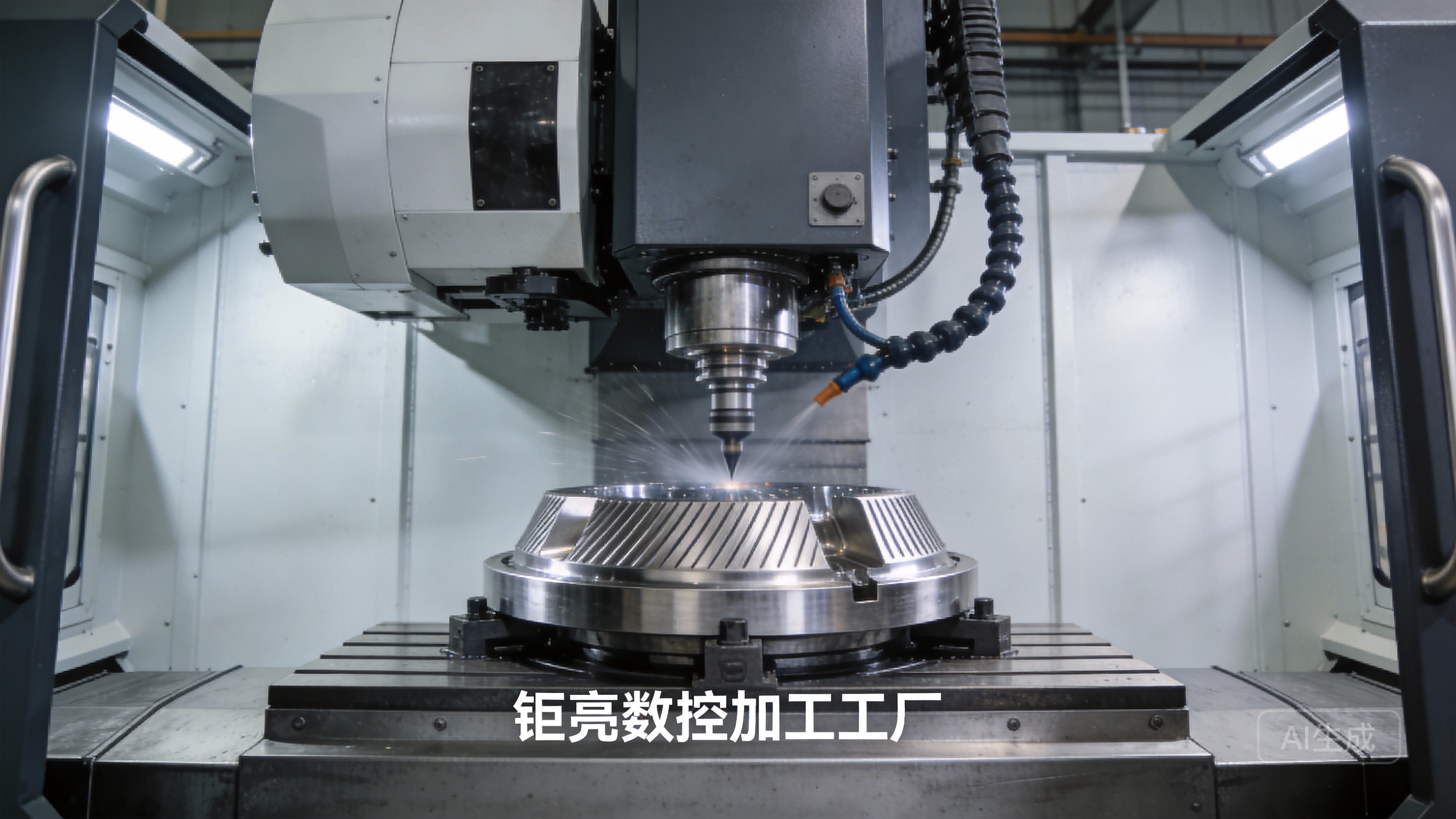
Conclusion: The Precision Mandate in Magnesium Alloy Die Casting Lightweight


![[访谈] RAPID + TCT 2024:人工智能对 3D 打印的价值](https://print-ing.com/wp-content/uploads/2024/07/INTERVIEW-60x60.jpeg "[访谈] RAPID + TCT 2024:人工智能对 3D 打印的价值 9")




发表回复
要发表评论,您必须先登录。