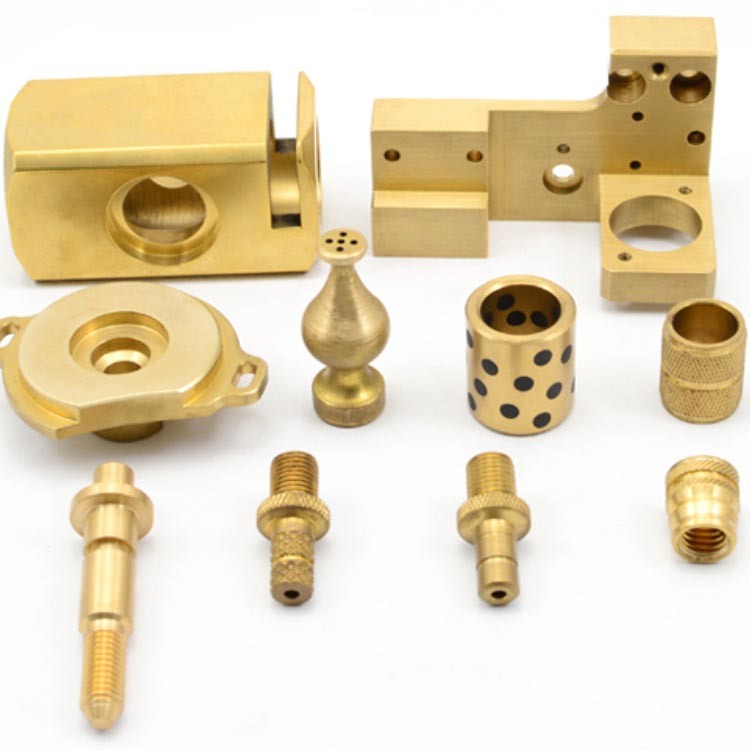
Precision CNC Prototypes for Humanoid Robotics: Overcoming the Manufacturing Hurdles in a New Era of Automation
The field of humanoid robotics is experiencing an unprecedented acceleration. What was once the domain of sci-fi is now a tangible reality, driven by advances in AI, sensor technology, and most critically, the hardware that gives these machines form and function. As robots transition from static research concepts to dynamic, real-world applications, the demand for precision CNC prototypes for humanoid robotics has become a central challenge for engineers and project managers. The path from a digital model to a walking, working robot is paved with complex parts that demand extreme accuracy, material performance, and seamless integration. This article delves deep into the manufacturing intricacies of these components, offering a technical roadmap for navigating the precision paradigm in humanoid robotics.
The Uncompromising Demands of a Robotic Existence
Humanoid robots are engineering marvels, but their hardware faces a unique set of pressures that differentiate them from traditional industrial machinery or consumer electronics. The parts must be lightweight yet incredibly strong, precise enough to enable fluid motion, and durable enough to withstand millions of cycles. This creates a set of non-negotiable requirements for any prototype or production part.
High Power-to-Weight Ratio: A robot must carry its own weight (including batteries and actuators) while performing tasks. This forces engineers to use advanced materials like high-strength aluminum alloys, titanium, and even engineering plastics, combined with complex, thin-walled geometries.
Extreme Joint Precision: The difference between a smooth, natural gait and a jerky, unstable one lies in the tolerances of joint components. Housings, harmonic drive components, and linkage arms must be machined to micron-level tolerances to eliminate backlash and ensure positional accuracy.
Complex Geometries for Integrated Functions: Modern robot design integrates sensors, wiring, and cooling channels directly into structural parts. This necessitates complex 3D geometries that are impossible with traditional 3-axis machining, requiring advanced multi-axis strategies.
Stringent Surface Finish Requirements: High-performance moving parts require low friction. A superior surface finish (Ra 0.8 µm or better) on bearing surfaces and sealing interfaces is crucial for longevity and efficiency.
Rapid Iteration Cycles: In the fast-paced world of robotics, design changes are frequent. The ability to produce functional prototypes quickly, without sacrificing quality, is a primary driver for selecting a manufacturing partner.
Identifying the Six Critical Pain Points in Robotic Prototyping
Even with advanced equipment, prototyping for humanoid robots presents specific manufacturing hurdles. Understanding these pain points is the first step in finding a capable partner, such as a service provider like GreatLight Metal, who has built its expertise around solving them.
1. The Precision vs. Production Volume Paradox
A common challenge is balancing the ultra-high precision required for a single prototype against the consistency needed for low-volume pilot runs. A supplier may achieve ±0.001mm on a single part, but can they maintain that over 50 parts? The risk of entering a “precision black hole” where promised tolerances degrade in a production environment is real. A stable, process-controlled environment is essential.
2. The “Machinability” Material Conflict
Materials like titanium (Ti-6Al-4V) and hardened tool steels offer excellent strength-to-weight ratios but are notoriously difficult to machine. They generate high heat, cause rapid tool wear, and are prone to work hardening. Without specialized knowledge and robust equipment, these materials can lead to scrapped parts and extended lead times.
3. Conquering Deep Cavities and Thin Walls
Humanoid robot leg and arm structures often feature deep cavities for wiring or internal skeletal features with incredibly thin walls (as thin as 0.5-1.0mm). Machining these features without inducing chatter, vibration, or deflection is a significant challenge that demands a combination of specialized tooling, vibration-dampening machine design, and optimized toolpaths.
4. Mastering Five-Axis Simultaneous Machining
The complex, organic forms of robot joints often require simultaneous 5-axis machining. While advertised by many, the true mastery of this technology for high-precision work is a differentiator. The ability to program, fixture, and execute complex tilt and rotation moves without introducing positional errors is a key skill.
5. The Unseen Problem: Residual Stress and Stability
When metal is removed from a solid block, the internal stresses are released, causing the part to warp. This is a hidden problem that can render a precision-machined part useless hours after it is removed from the machine. A reliable partner uses stress-relieving techniques (e.g., thermal treatment, rough machining cycles with aging) to ensure the final part remains dimensionally stable over its lifetime.
6. The Integrated Assembly Challenge
A robotic arm is not a single part; it’s a system. The interface between the motor housing, the gearbox, the encoder mount, and the output arm must be perfectly aligned. A prototyped part that is 0.01mm out of tolerance can cause misalignment, increased friction, and premature failure in the assembly. A one-stop provider who can manage the tolerance stack-up across an entire assembly is indispensable.
Key Materials and Their Selection for Humanoid Robot Prototypes
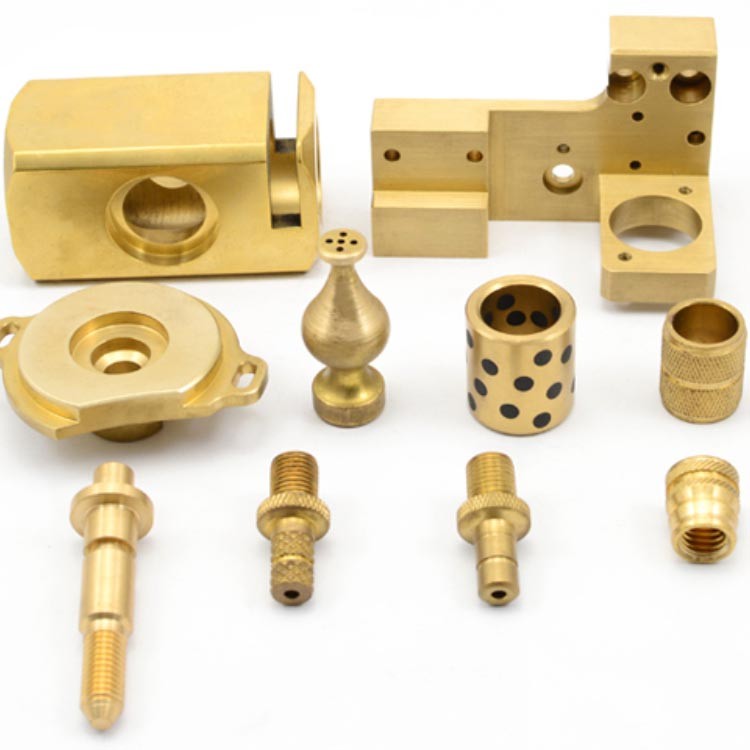
Choosing the right material is a critical design decision. The table below outlines the most common materials and their application in humanoid robotics.
| Material Type | Common Grade(s) | Key Properties | Primary Applications in Humanoid Robotics |
|---|---|---|---|
| Aluminum Alloys | 6061-T6, 7075-T6 | Excellent strength-to-weight ratio, good machinability, cost-effective. | Structural frames, link arms, joint housings, baseplates. 7075 is preferred for higher-strength applications. |
| Titanium Alloys | Ti-6Al-4V (Grade 5) | Exceptional strength-to-weight, superior corrosion resistance, high fatigue life. | High-stress force transmission parts, leg components, hip joints, surgical-grade components for medical robotics. |
| Stainless Steel | 304, 316L | High strength, excellent durability, good wear resistance. | Gears, shafts, structural reinforcements, and parts requiring high stiffness. 316L is used in corrosive environments. |
| Engineering Plastics | PEEK, POM (Delrin), Nylon | Low weight, chemical resistance, self-lubricating properties, electrical insulation. | Non-structural covers, bushings, gears (PEEK for high-temp), sensor mounts, cable guides. |
| Magnesium Alloys | AZ91D | The lightest structural metal, excellent vibration damping. | Lightweight frames and components in pursuit of minimizing weight, though more complex to machine. |
The Role of Advanced Technologies: Five-Axis and Beyond
To meet the demands of humanoid robotics, a simple 3-axis machining center is often insufficient. This is where advanced equipment becomes a necessity.
Five-Axis CNC Machining as a Standard
Five-axis machining is the primary enabler for complex robotic parts. Its advantages are clear:
Accessing Complex Geometries: Parts with undercuts, contoured surfaces, and angled features can be machined in a single setup, eliminating the error stack-up from multiple fixturings.
Achieving Superior Surface Finishes: The ability to constantly orient the tool perpendicular to the cutting surface ensures optimal cutting conditions, resulting in a smoother finish.
Using Shorter, Stiffer Tools: By tilting the table, shorter cutting tools can be used to reach into deep cavities, reducing vibration and improving accuracy.
Creating Complex Freeform Surfaces: The organic, aesthetic shapes of modern robot shells and internal skeletons are only possible with 5-axis simultaneous interpolation.
A mature provider like GreatLight Metal, with its fleet of Dema and Beijing Jingdiao 5-axis machining centers, is purpose-built for this challenge. Their capability to handle a maximum part size of 4000 mm with tolerances down to ±0.001mm means they can tackle everything from a tiny sensor mount to a large leg structure.
How to Choose a True Partner: Beyond the Brochure
When selecting a supplier for your humanoid robot prototypes, moving beyond marketing claims and looking at tangible evidence is crucial. The following checklist can help you evaluate a potential partner.
1. The Certification Foundation (Trustworthiness)
ISO 9001:2015 – Quality Management: A non-negotiable baseline. It proves a system is in place for consistent quality and continuous improvement.
ISO 13485 – Medical Hardware: From manufacturing a medical assistive robot, this certification is essential. It demonstrates a culture of high precision and regulatory compliance.
IATF 16949 – Automotive Industry: For a robot’s drivetrain and engine components, this standard ensures a robust quality management system with deep traceability and error-proofing.
ISO 27001 – Data Security: For IP-sensitive projects, this certification shows your design files and proprietary information will be handled securely.
2. Equipment Capability (Hardware Breadth)
Do they have a large number of 5-axis CNC machining centers, not just one or two?
Do they have large-format machines (e.g., up to 4000mm) for bigger structural parts?
Do they have complementary technologies like wire EDM for precise gears and splines, Swiss-type lathes for small, intricate shaft components, and SLM 3D printing for complex internal lattice structures?
3. The “Full Process” Promise (Service Depth)
Can they provide a one-stop service: machining + heat treatment + surface finishing (anodizing, plating) + assembly?
Do they have in-house CMM inspection (Coordinate Measuring Machine) to verify your critical dimensions and provide a full inspection report?
4. Proven Experience (Case Studies)
Ask for examples of similar work. Have they manufactured parts for humanoid robots, automotive engines, or aerospace applications? The complex assembly solutions for an electric vehicle’s e-housing are directly transferable to a robot’s joint housing, revealing their problem-solving skills.
Conclusion: The Strategic Value of a Capable Partner
The race to build the next generation of humanoid robots is a test of innovation, speed, and reliability. The quality of your hardware is the physical manifestation of your software and algorithms. Precision CNC prototypes for humanoid robotics are not just components; they are the cornerstones of a system’s performance.
Therefore, choosing a manufacturing partner is a strategic decision. You need a collaborator with real operational capabilities, not just a list of equipment on a brochure. A partner like GreatLight Metal, with its decade-plus history, its 150 professionals, its 127 pieces of precision equipment, and its portfolio of ISO certifications (including 9001, 13485, and 16949), provides the operational depth and technical breadth to de-risk your project. From the initial prototype to low-volume pilot production, they offer a single-source solution that ensures your vision can stand up and move into the world.
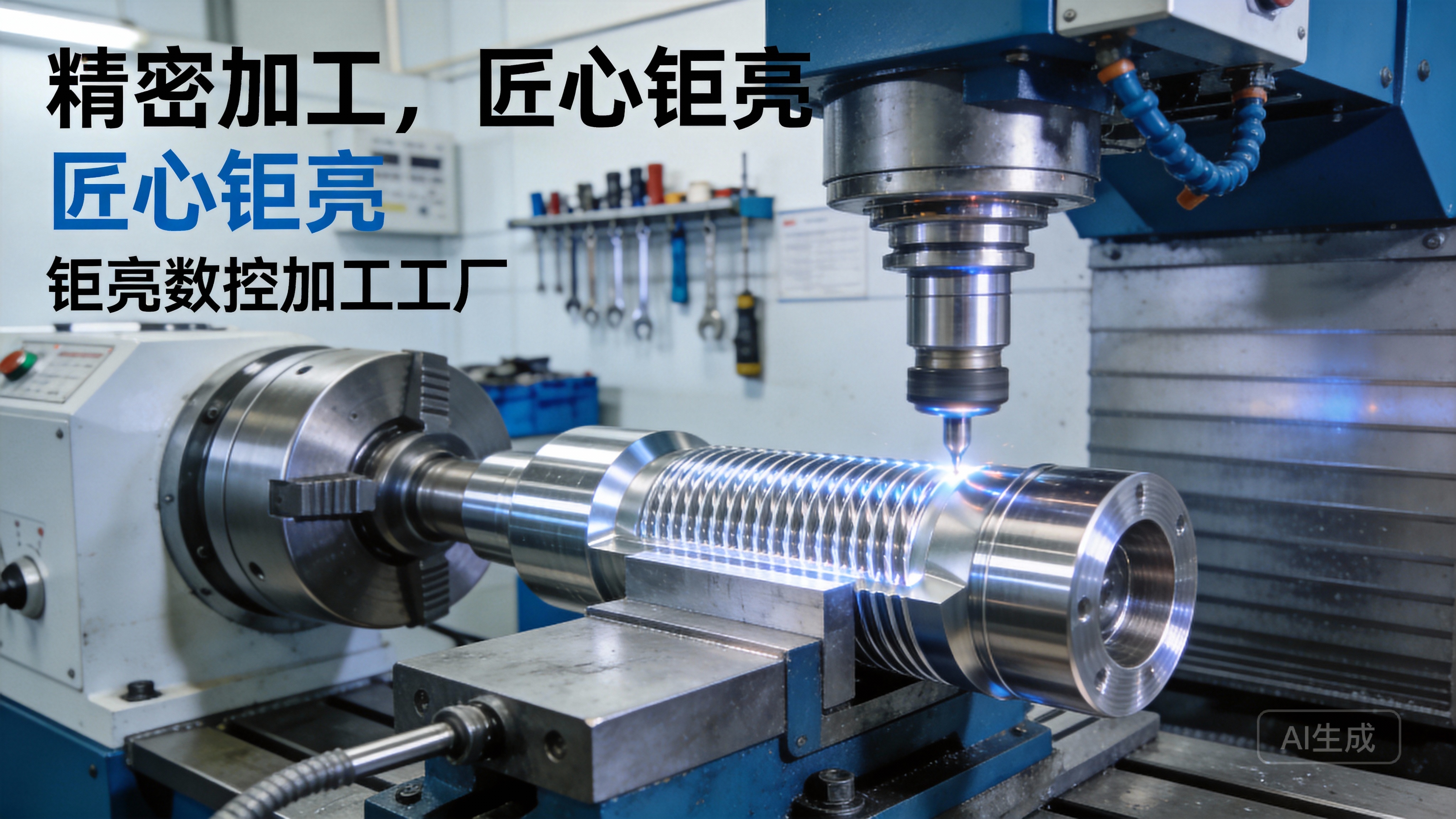
To learn more about how a dedicated engineering team can help solve your specific robotic manufacturing challenges, you can reach out to their team on LinkedIn for up-to-date case studies and industry insights. Your next breakthrough is built on the precision of today’s decisions.


![[访谈] RAPID + TCT 2024:人工智能对 3D 打印的价值](https://print-ing.com/wp-content/uploads/2024/07/INTERVIEW-60x60.jpeg "[访谈] RAPID + TCT 2024:人工智能对 3D 打印的价值 9")




发表回复
要发表评论,您必须先登录。