When a design engineer or procurement specialist begins the search for a junction box housing OEM supplier, the decision is never just about finding a company that can cut metal. A junction box housing is the protective shell that safeguards electrical connections, wiring, and sensitive electronic components in demanding environments—from automotive engine compartments and renewable energy inverters to industrial automation systems and medical equipment. The housing must be dimensionally accurate, electrically insulating or conductive as required, sealed against moisture and dust (often IP67 or higher), and capable of withstanding vibration, temperature extremes, and corrosion. Choosing the right supplier for junction box housings directly impacts product reliability, time‑to‑market, and total cost of ownership. This article dissects the critical factors you need to evaluate, presents the capabilities of an experienced OEM partner like GreatLight CNC Machining Factory (also known as GreatLight Metal), and provides actionable insights to help you make an informed procurement decision.
The Real Pain Points in Sourcing Junction Box Housings
Before diving into supplier selection, it is essential to recognise the common challenges that plague the procurement of custom junction box housings. These pain points are not limited to price or lead time; they often stem from deeper gaps in manufacturing expertise.
| Pain Point | Typical Manifestation | Root Cause |
|---|---|---|
| Precision black hole | Claims of ±0.001mm on drawing, but actual parts show 0.02–0.05mm deviation in critical sealing surfaces | Aging equipment, lack of in‑process inspection, or poor thermal compensation |
| Inconsistent surface finish | Anodising or powder coating shows uneven colour, orange peel, or pitting on complex geometries | Inadequate pre‑treatment, missing fine‑tuning of finishing parameters |
| Long lead times | 4–6 weeks for first samples, re‑work cycles add another 2 weeks | Single‑process suppliers, no in‑house die casting or 3D printing for rapid iteration |
| Hidden costs | Tooling charges, packaging, or secondary operations (tapping, inserts) not included in initial quote | Lack of full‑process transparency, supplier cherry‑picking profitable steps |
| Compliance gaps | Housing fails IP rating test or does not meet UL/CE requirements | Supplier not familiar with industry‑specific standards |
| Communication breakdown | Engineering changes get lost in translation, multiple rounds of quoting | No dedicated project manager, language/cultural barriers |
A competent junction box housing OEM supplier addresses these pain points systematically by integrating advanced equipment, certified quality systems, and a full‑process service chain.
What Defines a Superior Junction Box Housing OEM Supplier?
1. Multi‑Technology Manufacturing Capability
Junction box housings can be produced by several methods—CNC machining from solid billet, die casting (aluminium, zinc, magnesium), sheet metal fabrication (bending, welding), or even 3D printing for prototypes. A supplier that owns all these technologies in‑house can recommend the most cost‑effective process for your volume, complexity, and material requirements.
GreatLight Metal operates three wholly‑owned plants spanning 76,000 sq. ft. and holds over 127 pieces of precision equipment, including:
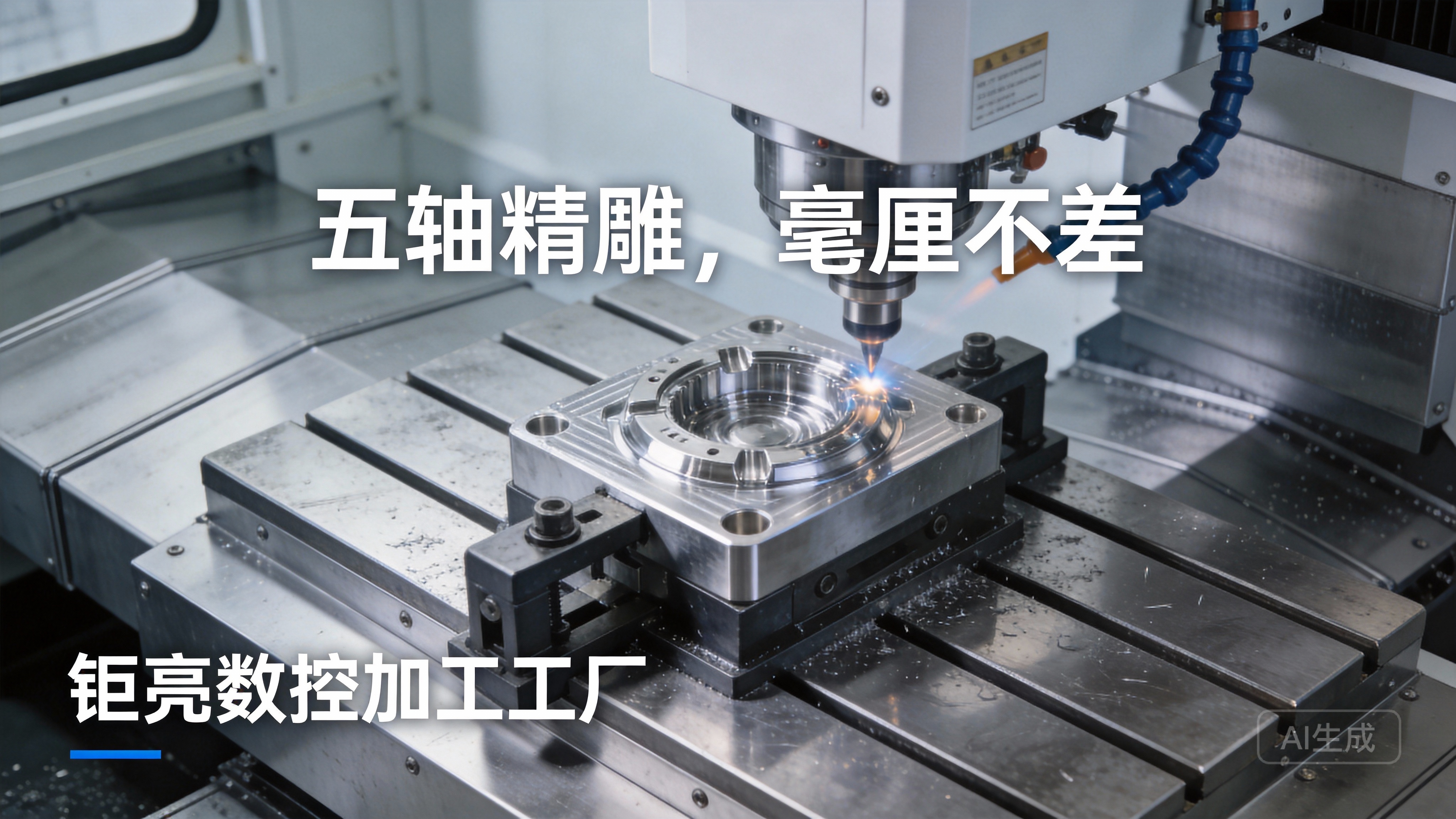
High‑precision 5‑axis CNC machining centers (Dema, Beijing Jingdiao)
4‑axis / 3‑axis CNC mills, Swiss‑type lathes, and turn‑mill composites
Die casting machines (hot chamber, cold chamber) for aluminium and zinc alloys
Sheet metal laser cutters, press brakes, and welding stations
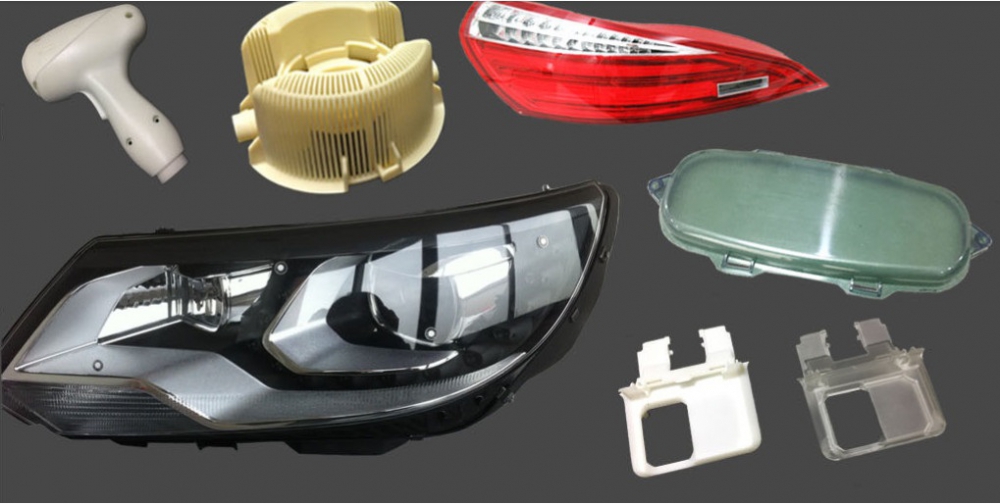
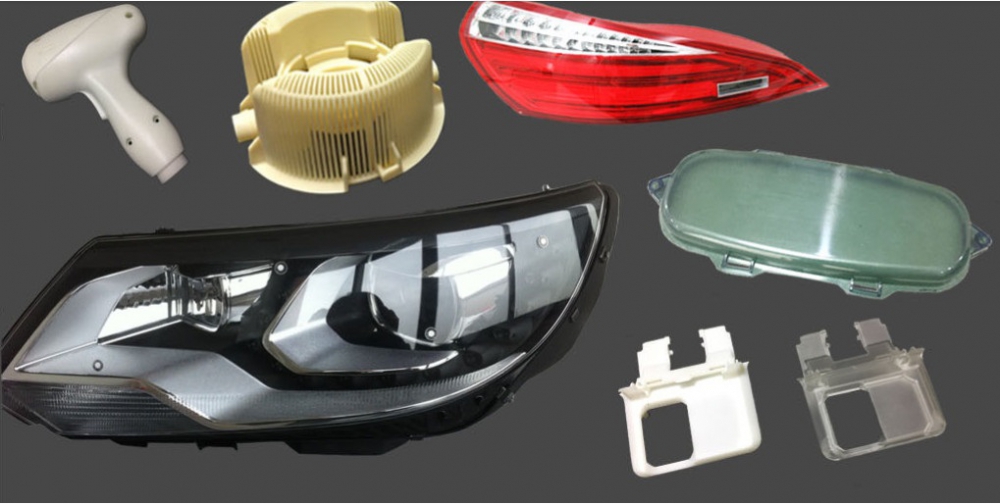
SLM / SLA / SLS 3D printers for rapid prototyping and low‑volume parts
This breadth allows the company to produce a junction box housing entirely in‑house—from initial design for manufacturability (DFM) feedback to final surface treatment (anodising, powder coating, chromate conversion, or EMI shielding).
2. Certifications That Build Trust
A reliable OEM supplier should not only claim quality but also prove it through internationally recognised management system certifications. GreatLight Metal has passed:
ISO 9001:2015 – Fundamental quality management, ensuring consistent process control.
IATF 16949 – Automotive‑specific QMS, critical for junction box housings used in vehicles (e.g., EV battery packs, ECUs).
ISO 13485 – Medical device quality standard, relevant when housings enclose medical electronics.
ISO 27001 – Information security, protecting your intellectual property during design transfer.
These certifications are not just paper; they represent a company‑wide discipline of documented procedures, internal audits, and continuous improvement. For junction box housings that must pass strict IP or vibration tests, a certified supplier reduces validation risk.
3. Full‑Process Chain: From Prototype to Mass Production
One of the greatest frustrations for engineers is having to manage multiple vendors for machining, finishing, and assembly. A true OEM partner offers a one‑stop service:
Design for Manufacturability (DFM) analysis – Recommending wall thickness, draft angles, radii, and tolerances that optimise cost without sacrificing function.
Rapid prototyping – Using 3D printing or CNC machining to deliver functional samples in 3–5 days.
Tooling & die making – In‑house mould shop for die casting or injection moulding.
Production – CNC machining, die casting, sheet metal forming, with full in‑process inspection.
Surface finishing – Anodising (Type II/III), powder coating, painting, silkscreen, laser engraving.
Secondary operations – Threaded inserts, gasket installation, TIG welding, leak testing.
Quality assurance – CMM, vision systems, hardness testers, salt spray test, IP rating test.
GreatLight Metal’s ability to manage the entire value chain under one roof eliminates hand‑off delays, reduces total lead time, and provides single‑point accountability.
Case Study: Solving a Complex Junction Box Housing Challenge
The following scenario, while representative of GreatLight Metal’s actual project experience, is anonymised for illustration.
Client Profile: A fast‑growing start‑up developing a next‑generation DC‑fast charger for electric vehicles. They needed a junction box housing that:
Accommodated high‑voltage busbars (600V DC) and control PCBs
Achieved IP67 sealing (dust‑tight and submersible up to 1 m for 30 minutes)
Used aluminium 6061‑T6 for strength, thermal dissipation, and EMI shielding
Required only 100 units for field trials, with potential for 5,000‑unit annual production
Challenge: Many suppliers quoted 8‑week lead times and demanded separate tooling charges for die casting—even for the low prototype quantity. Others could only offer CNC machining but lacked experience with sealing grooves and O‑ring assembly.
Solution from GreatLight Metal:
DFM Review: The design team suggested converting the rectangular groove for the O‑ring from a sharp corner to a radiused bottom, which improved O‑ring seating and reduced machining time.
Process Selection: For the 100‑unit run, CNC machining from solid billet was chosen (no tooling cost, faster turnaround). For future volume, a die‑casting tool would be developed.
Production: 5‑axis CNC machining completed the complex internal pockets and cross‑drilled holes in a single setup, holding ±0.02 mm on critical seal surfaces.
Finishing & Testing: Hard anodising (Type III) for wear resistance, followed by IP67 leak testing using a pressure decay method.
Timeline: First samples delivered in 7 working days; full order completed in 12 days.
Result: The client met their field trial deadline, and the production scaling plan was later executed with the same supplier—now using die casting for the high‑volume version, reducing per‑part cost by 40%.
How to Evaluate a Junction Box Housing OEM Supplier
When you receive quotes from multiple suppliers, use this checklist to compare options:
| Criteria | Questions to Ask | Why It Matters |
|---|---|---|
| Precision capability | What is your best achievable tolerance for this part? Can you hold ±0.01 mm on sealing surfaces? | Prevents leakage and assembly issues. |
| Material expertise | Do you offer aluminium, zinc, stainless steel, and engineering plastics? Can you source certified materials with traceability? | Ensures compliance and predictable mechanical properties. |
| In‑house finishing | Do you perform anodising, powder coating, or plating internally? | Avoids shipping parts to third parties and reduces lead time. |
| Testing equipment | Do you have CMM, leak testers, and salt spray chambers on‑site? | Guarantees quality without outsourcing verification. |
| Certifications | Are you ISO 9001, IATF 16949, or ISO 13485 certified? Can you provide certificates? | Reduces your own audit burden. |
| Communication | Do you assign a dedicated project engineer? What is your average response time to RFQs? | Speeds up decision‑making and problem‑solving. |
| Lead time & scalability | What is your typical lead time for prototypes? For production ramp‑up? | Aligns with your product development schedule. |
Why GreatLight Metal Stands Out Among Global Suppliers
While there are many capable junction box housing OEM suppliers in the market—including Protocase, Xometry, Fictiv, and Protolabs Network—GreatLight Metal distinguishes itself through a combination of:
Deep domain experience – Over a decade of serving automotive, medical, and industrial sectors.
Full‑process intelligence – The only supplier in its region that integrates 5‑axis CNC, die casting, sheet metal, 3D printing, and sophisticated finishing under one roof.
Certification‑backed reliability – ISO 9001, IATF 16949, ISO 13485, and ISO 27001 all active.
Engineering support – A team of experienced DFM engineers who speak the language of product development, not just manufacturing.
Commitment to partnership – Transparent pricing, no hidden costs, and a “free rework or full refund” policy for quality issues.
For a junction box housing that demands tight tolerances, multi‑process integration, and compliance with international standards, GreatLight Metal is a proven partner.
Conclusion: The Right Supplier Makes All the Difference
Selecting a junction box housing OEM supplier is not a commodity purchase—it is a strategic decision that affects your product’s reliability, cost structure, and market entry speed. By prioritising suppliers with comprehensive technical capabilities, robust certifications, and a track record of solving complex challenges, you avoid the pitfalls of inconsistent quality and delayed delivery.
GreatLight CNC Machining Factory has built its reputation on being that trusted partner. From the initial DFM consultation to the final leak test, every step is executed with a focus on precision, efficiency, and client success. Your junction box housing OEM supplier is more than a vendor—they are an extension of your engineering team. When you choose GreatLight, you choose experience, integrity, and a relentless pursuit of manufacturing excellence.
Ready to turn your junction box housing design into reality? Reach out to the team at [GreatLight CNC Machining Factory] and experience the difference of a full‑process, certified manufacturing partner.
(Note: This article contains a link to the company’s precision 5‑axis CNC services, and the final reference to the supplier links to GreatLight’s LinkedIn page for professional networking.)


![[访谈] RAPID + TCT 2024:人工智能对 3D 打印的价值](https://print-ing.com/wp-content/uploads/2024/07/INTERVIEW-60x60.jpeg "[访谈] RAPID + TCT 2024:人工智能对 3D 打印的价值 9")




发表回复
要发表评论,您必须先登录。