In the rapidly evolving landscape of medical device manufacturing and specialized industrial equipment, few components demand the level of precision, reliability, and material expertise required for extremity positioning pad mounts. These seemingly simple mechanical interfaces serve as critical bridges between human anatomy and sophisticated diagnostic or therapeutic equipment, particularly in MRI suites, CT scanners, surgical robotics, and rehabilitation systems. The manufacturing challenges associated with these components extend far beyond basic machining, encompassing stringent material biocompatibility requirements, sub-millimeter geometric tolerances, and the need for absolute repeatability across production batches.
For procurement engineers and R&D teams evaluating manufacturing partners for such demanding applications, understanding the full spectrum of technical considerations, from material selection to quality assurance protocols, becomes essential for successful product development. This comprehensive analysis examines the precision engineering requirements, manufacturing methodologies, and supplier evaluation criteria that define excellence in producing extremity positioning pad mounts.
The Critical Role of Precision Positioning in Medical and Industrial Applications
Extremity positioning pad mounts serve as the structural foundation for immobilizing and positioning limbs, hands, feet, or other anatomical structures during imaging procedures, surgical interventions, or therapeutic treatments. The functional requirements extend beyond simple mechanical support. These components must facilitate precise anatomical alignment, minimize patient discomfort, accommodate anatomical variations, and maintain positional stability throughout potentially lengthy procedures.
In MRI applications, the positioning pads must be entirely non-ferromagnetic while maintaining structural integrity under significant loads. Surgical robotics applications demand sub-millimeter positional accuracy with zero drift over extended operational periods. Rehabilitation systems require adjustable configurations that can withstand repeated repositioning without dimensional degradation. Each application imposes unique demands on the manufacturing process, material selection, and quality control protocols.
Material Selection: Balancing Biocompatibility, Machinability, and Performance
The choice of materials for extremity positioning pad mounts directly impacts patient safety, manufacturing feasibility, and long-term product reliability. Medical-grade polymers, including PEEK, Ultem, polysulfone, and various reinforced engineering plastics, dominate this application space due to their excellent biocompatibility profiles, radiolucency for imaging applications, and favorable mechanical properties.
Medical-Grade Polymer Considerations
PEEK (Polyether Ether Ketone) represents the gold standard for many extremity positioning applications, offering exceptional strength-to-weight ratios, chemical resistance to sterilization protocols, and natural radiolucency that eliminates imaging artifacts. However, PEEK machining presents unique challenges, including thermal management requirements to prevent material degradation, tool wear considerations from abrasive reinforcement fillers, and dimensional stability concerns during high-precision operations.
Ultem (PEI) and polysulfone offer cost-effective alternatives for less demanding applications, providing adequate mechanical properties with improved machinability characteristics. Glass-filled variants enhance stiffness and creep resistance but introduce additional tool wear and surface finish challenges that require specialized machining strategies.
Metal Alloy Options for Hybrid Designs
While polymers dominate primary structural components, specific applications require metallic inserts, threaded fasteners, or reinforcement structures to achieve required load-bearing capabilities or dimensional stability. Titanium alloys, particularly Grade 5 (Ti-6Al-4V), offer excellent biocompatibility, corrosion resistance, and MRI compatibility while enabling precise thread formation and surface finishing. Austenitic stainless steels, such as 316L, provide cost-effective alternatives for non-imaging applications where ferromagnetic properties are not a concern.
Precision Manufacturing Requirements: Tolerances That Matter
The dimensional specifications for extremity positioning pad mounts typically range from ±0.05mm for general alignment features to ±0.005mm for critical locating surfaces and interface geometries. Achieving these tolerances consistently across production runs requires sophisticated process control, advanced metrology capabilities, and deep manufacturing engineering expertise.
Geometric Dimensioning and Tolerancing (GD&T) Considerations
Modern positioning pad designs incorporate complex geometric relationships between mounting surfaces, locating features, and adjustment mechanisms. True position tolerances, concentricity requirements, and parallelism specifications demand careful process planning and robust fixturing strategies. Datum structures must be clearly defined and consistently referenced throughout inspection protocols to ensure functional interchangeability.
Surface Finish Specifications
Surface finish requirements vary significantly based on functional requirements. Bearing surfaces and adjustment interfaces typically require Ra 0.4μm or better to ensure smooth operation and minimal wear. Patient contact surfaces must balance biocompatibility requirements with manufacturing feasibility, often specifying Ra 0.8μm to 1.6μm with controlled surface texture to prevent irritation while facilitating cleaning and sterilization.
Five-Axis CNC Machining: Enabling Complex Geometries with Uncompromising Precision
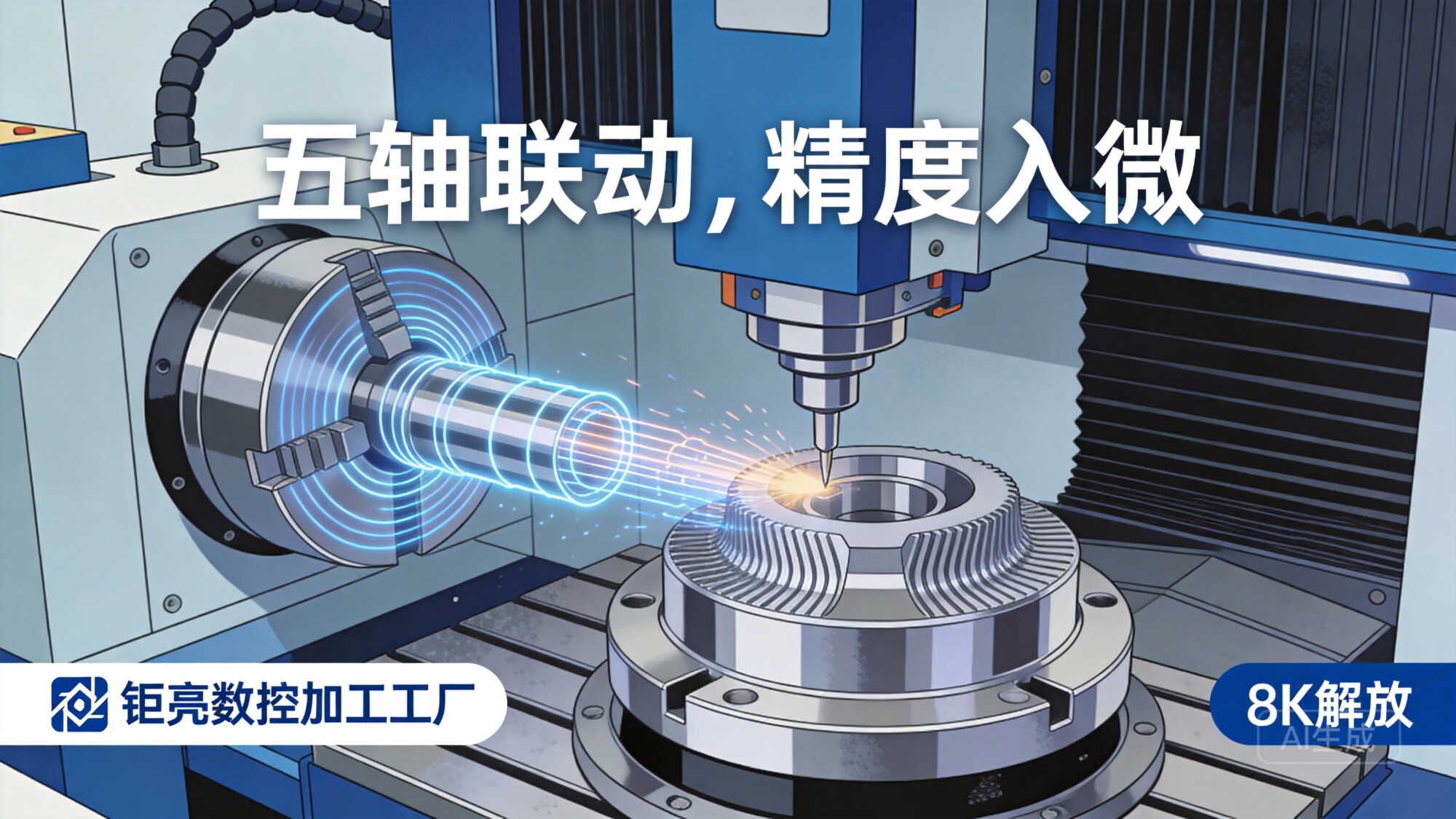
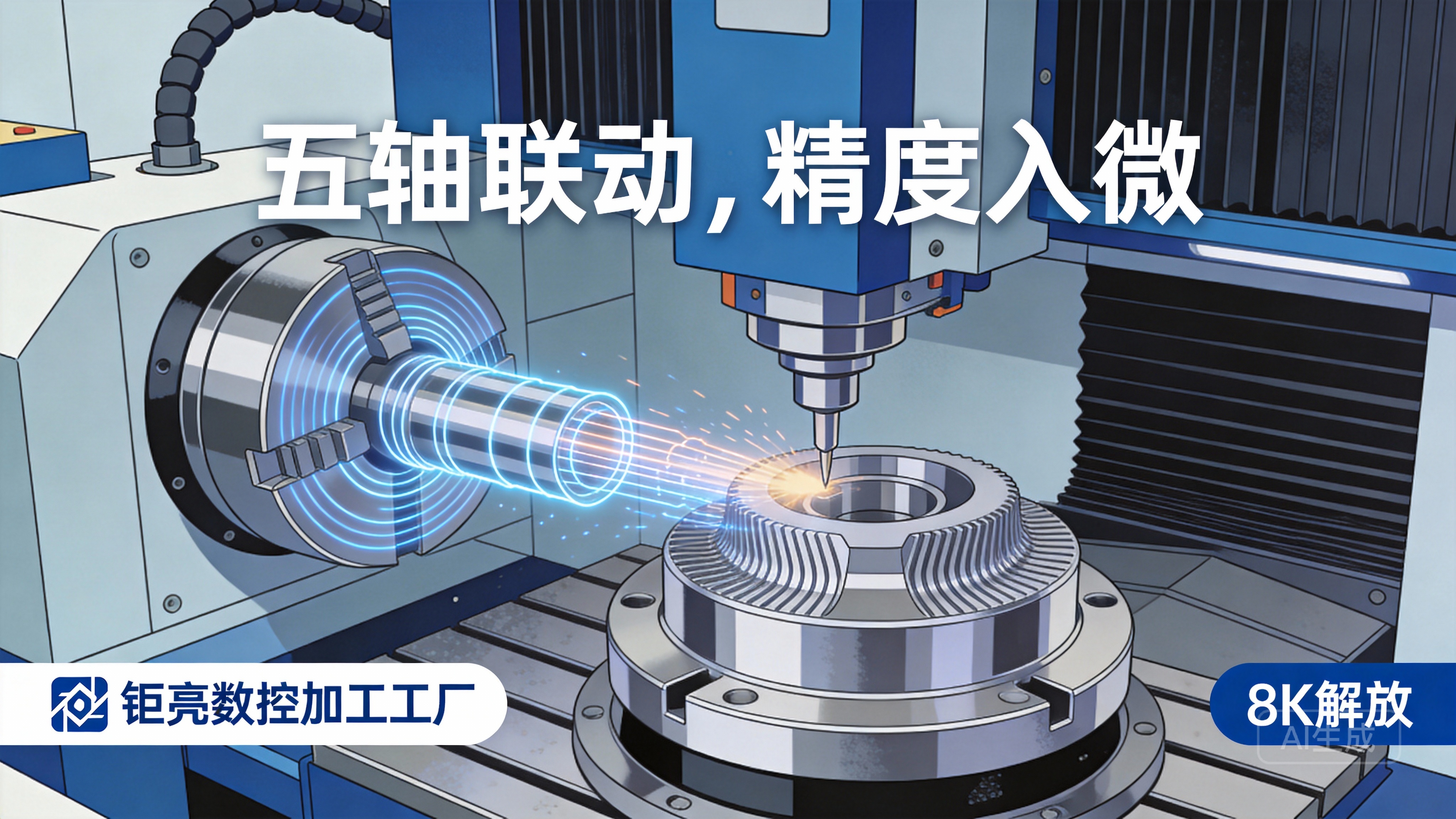
The geometric complexity inherent in ergonomic extremity positioning pad mounts demands advanced manufacturing capabilities that exceed the limitations of conventional 3-axis machining. Five-axis CNC machining centers provide the necessary flexibility to produce compound curves, undercut features, and complex internal geometries in a single setup, eliminating cumulative positioning errors and reducing production cycle times.
Process Optimization for Medical-Grade Polymers
Machining high-performance polymers on five-axis equipment requires specialized programming strategies that account for material-specific behavior. Tool path optimization must consider material thermal expansion, chip evacuation requirements, and surface integrity preservation. High-speed machining techniques with appropriate chip loads reduce heat generation and prevent material degradation, while specialized tool geometries minimize burr formation and edge chipping.
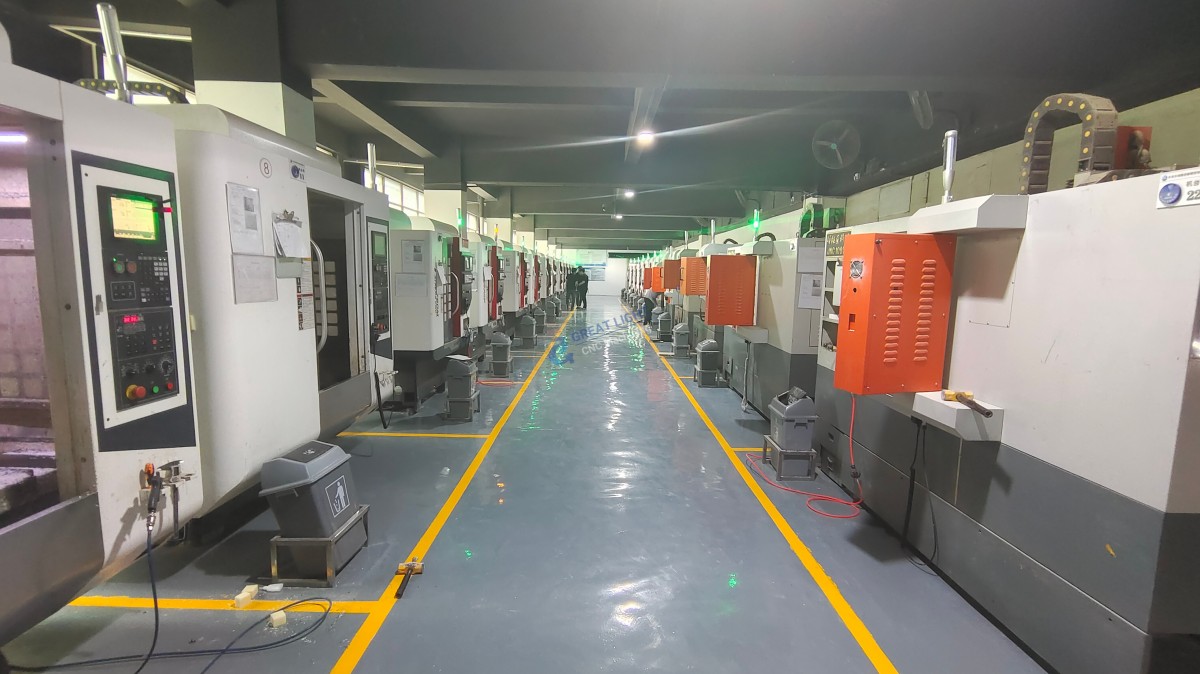
GreatLight CNC Machining has invested significantly in five-axis machining capabilities specifically optimized for medical device applications. Our DMG MORI and Beijing Jingdiao five-axis machining centers, combined with proprietary programming algorithms developed through years of polymer machining experience, enable consistent achievement of the demanding tolerances required for extremity positioning components.
Inspection and Metrology Integration
Quality assurance for precision positioning mounts extends beyond dimensional verification to include functional testing and material property validation. In-process inspection using in-machine probing systems enables real-time process adjustment and reduces scrap rates. Final inspection protocols typically incorporate CMM (Coordinate Measuring Machine) verification for critical dimensions, surface roughness measurement for finish requirements, and material certification review for biocompatibility documentation.
Quality Management Systems: The Backbone of Medical Device Manufacturing
The regulatory environment surrounding medical device components demands manufacturing partners with established quality management systems that comply with international standards. ISO 13485 certification, specifically designed for medical device manufacturing, provides the framework for systematic process control, risk management, and traceability requirements essential for extremity positioning pad mounts.
Documentation and Traceability Requirements
Medical device manufacturers expect comprehensive documentation packages for each production lot, including:
Material certifications with biocompatibility documentation
In-process inspection records with dimensional data
Final inspection reports with CMM measurement results
Process deviation documentation if applicable
Risk assessment documentation per ISO 14971 requirements
Validation and Qualification Protocols
Machining process validation for medical components requires IQ (Installation Qualification), OQ (Operational Qualification), and PQ (Performance Qualification) protocols that demonstrate consistent process capability. First article inspection with full dimensional verification, material property confirmation, and functional testing establishes the manufacturing baseline for subsequent production runs.
Choosing the Right Manufacturing Partner: Experience Matters
The selection of a manufacturing partner for precision extremity positioning pad mounts should consider multiple factors beyond basic pricing. Experience with medical-grade materials, established quality management systems, advanced manufacturing capabilities, and demonstrated expertise in similar applications provide the foundation for successful partnerships.
Technical Support and Engineering Collaboration
Optimal manufacturing partners offer engineering support beyond simple build-to-print services. Design for Manufacturability (DFM) feedback from experienced machining engineers can identify potential issues early in the development process, reducing costly iterations and accelerating time to market. Material selection guidance, tolerance optimization suggestions, and assembly integration recommendations add significant value to collaborative relationships.
Production Capacity and Scalability
Medical device manufacturers require partners who can accommodate evolving production volumes while maintaining consistent quality. Established manufacturing operations with multiple facilities, redundant equipment capacity, and robust supply chain management provide the scalability necessary for successful product launches and market expansion.
Making Informed Decisions for Your Positioning Pad Manufacturing
The manufacturing of extremity positioning pad mounts represents a specialized domain within precision machining that demands comprehensive technical expertise, advanced manufacturing capabilities, and rigorous quality management systems. From material selection through final inspection, each decision impacts product performance, regulatory compliance, and ultimately patient outcomes.
When evaluating potential manufacturing partners, consider their demonstrated experience with medical-grade materials, investment in precision machining technology, quality system certifications, and track record of successful medical device projects. Request case studies and references from similar applications to assess their capability to handle your specific requirements.
For R&D teams and procurement engineers seeking a manufacturing partner with proven expertise in precision positioning components, GreatLight CNC Machining offers comprehensive capabilities spanning material selection guidance, five-axis precision machining, quality assurance, and post-processing services. Our ISO 9001:2015 and ISO 13485 certified facilities, combined with deep experience in medical device manufacturing, provide the technical foundation necessary for successful product development and production.


![[访谈] RAPID + TCT 2024:人工智能对 3D 打印的价值](https://print-ing.com/wp-content/uploads/2024/07/INTERVIEW-60x60.jpeg "[访谈] RAPID + TCT 2024:人工智能对 3D 打印的价值 9")




发表回复
要发表评论,您必须先登录。