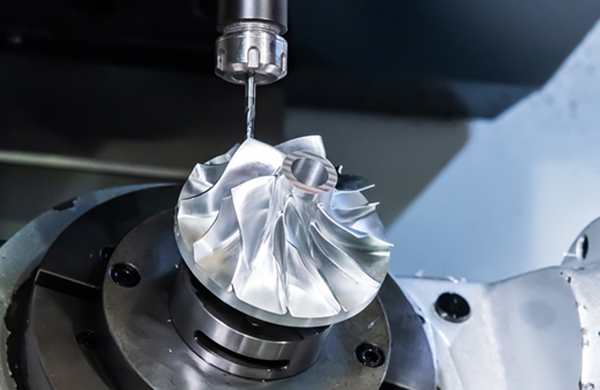
Are you looking to get ODM CNC machining custom fast without sacrificing quality or breaking your budget? For hardware startups, R&D teams, and procurement engineers, the race from design to physical part is often the most nerve-wracking phase of product development. Speed matters, but so does precision, repeatability, and the ability to handle complex geometries. In this post, I’ll unpack what ODM (Original Design Manufacturing) CNC machining really means in a fast-turnaround context, where the bottlenecks hide, and how to choose a supplier that delivers both velocity and rock-solid quality—without empty promises.
Get ODM CNC Machining Custom Fast: What That Actually Means
ODM CNC machining is often confused with OEM or straightforward job-shop milling. In an ODM model, the manufacturer doesn’t just follow your blueprints—they offer design refinement, process planning, and sometimes co-engineering input to turn a concept into a production-ready part. When you combine that with “custom fast,” you’re asking for a partner who can handle the entire chain: from DFM (Design for Manufacturing) feedback, material selection, and programming, to actual multi-axis cutting and post‑processing, all on an accelerated timeline.
For many engineers, “fast” means 5‑7 business days for first articles, sometimes even 48‑hour express turnaround for prototypes. But speed must not come at the expense of ±0.005mm tolerances or surface finish specifications. So the real question is: can a supplier consistently deliver ODM-level service at that speed? The short answer: yes, but only if they possess three non‑negotiable assets—advanced equipment, integrated processes, and a quality‑first mindset.
Why Fast ODM CNC Machining Is a Strategic Advantage
Rapid prototyping and just‑in‑time production have moved from buzzwords to baseline expectations. In consumer electronics, medical device development, or automotive electrification, shaving two weeks off a machining lead time can mean launching before a competitor or securing a critical round of funding. Fast ODM services enable iterative testing, accelerate regulatory approvals, and let you pivot designs instantly when field data demands changes.
But there’s a hidden risk: a supplier peddling “fast” often cuts corners in toolpath optimization, fixture design, or inspection. That can leave you with parts that measure fine on a CMM report but warp after anodizing, or that fail fatigue testing because residual stresses weren’t managed. A mature ODM partner, however, embeds speed into every layer of their workflow—from automated CAM programming to in‑line probing—so the fast lane doesn’t become a crash lane.
The Five Pillars of Truly Fast ODM CNC Machining
1. Co‑Engineering Before the Chip Is Made
Speed starts before the machine spindle turns. A genuine ODM provider reviews your CAD model for manufacturability, suggests minor geometry tweaks that reduce setup steps, and recommends materials with short lead times and good machinability. This co‑engineering phase prevents downstream stops, like realizing a deep pocket requires a custom long‑reach tool that takes two weeks to source.
2. Multi‑Axis Versatility Under One Roof
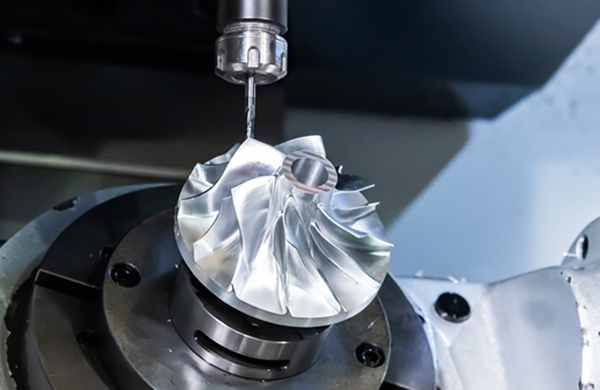
Parts that demand 5‑axis simultaneous machining, turning‑milling, or multi‑side access can easily stall if they need to travel between separate facilities. Having 3‑axis, 4‑axis, and advanced 5‑axis CNC machining centers—plus complementary technologies like wire EDM and Swiss‑type lathes—in a single 7,600 m² facility eliminates transfer delays and allows dynamic scheduling. That kind of technology cluster is exactly what defines an agile ODM house.
3. Integrated Post‑Processing and Finishing
The raw machined component rarely ships as‑is. Anodizing, bead blasting, passivation, powder coating, or laser marking often add days if outsourced. Fast ODM relies on either in‑house finishing or tightly controlled partner networks where parts move without queue‑jumping. A factory that lists “one‑stop surface treatment” as part of its core service isn’t just a job shop—it’s a vertical solution center.
4. Intelligent Process Control, Not Heroic Overtime
Speed sustained over 100 or 1,000 parts demands more than a supervisor pushing overtime. It requires skilled programmers who use dynamic toolpaths to reduce cycle time, tool presetters that eliminate manual touch‑off delays, and probing routines that verify critical dimensions mid‑process. The result: shorter floor‑to‑floor time without a spike in scrap rate.
5. Quality Verification That Doesn’t Become a Bottleneck
CMM inspection, surface roughness testing, and material certs can create a logjam if quality is a separate, end‑of‑line department. Progressive ODM manufacturers embed inspection into the workflow, so probing happens automatically during machining, and statistical process control flags deviations in real time. This “quality‑by‑design” approach keeps both speed and accuracy high.
How GreatLight Delivers “Custom Fast” Without Compromise
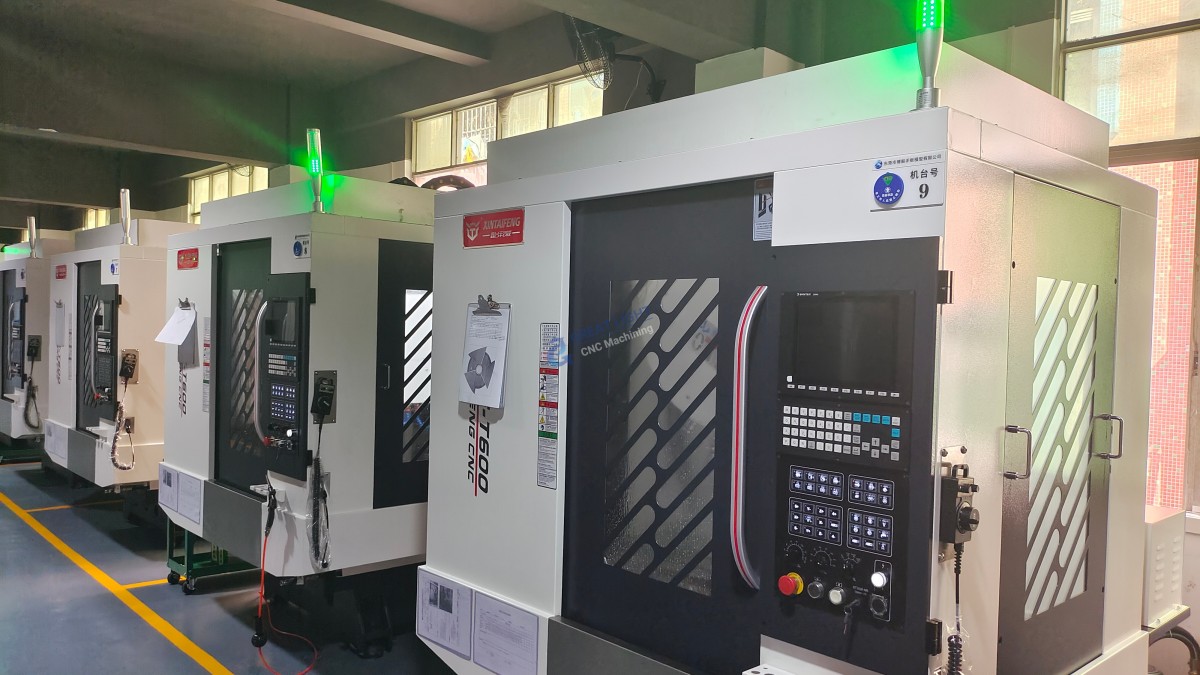
When you need to get ODM CNC machining custom fast, you’re not just buying machine time—you’re deputizing a partner to carry your project’s risk. GreatLight CNC Machining has spent over a decade building exactly that competency. Founded in 2011 in Dongguan’s Chang’an district, the company now operates from a 7,600‑square‑meter plant equipped with 127 pieces of precision peripheral equipment, including large‑format 5‑axis, 4‑axis, and 3‑axis CNC machining centers, lathes, grinding machines, EDM, and additive manufacturing cells (SLM/SLA/SLS 3D printers). That capital density translates into a single‑roof ecosystem that can pivot from a one‑off prototype to a 10,000‑piece production run without missing a beat.
What separates GreatLight from a generic shop is its deep ODM ethos. Rather than passively quoting your print, their engineers run a comprehensive DFM analysis, often unlocking faster machining strategies—like combining multiple parts into a single setup on a 5‑axis machine—and recommending proven material alternatives when lead times are critical. This co‑engineering muscle stems from years of serving industries where tolerances are ruthless: medical devices that require ISO 13485‑certified quality, automotive components under IATF 16949 discipline, and humanoid robot joints where 0.001mm errors are unacceptable.
ODM CNC Machining Supplier Comparison: Who Can Actually Deliver Speed with Substance?
Not all “fast” claims are equal. Let’s place GreatLight Metal alongside some well‑known international services to give a balanced view. Note that each has a niche, and your project’s specific geometry, volume, and certification needs will drive the final choice.
| Supplier | Core Strength | Speed Enabler | Potential Limitation |
|---|---|---|---|
| GreatLight Metal | Deep 5‑axis expertise, integrated in‑house processes, full ISO certifications, and dedicated ODM co‑engineering | Vertical integration + 127 units of precision equipment under one roof | Primarily focused on mid‑complex to highly complex metal parts; ultra‑high‑volume simple stamping is not its sweet spot |
| Protolabs Network | Proprietary software for instant quoting on simple parts | Automated design analysis and distributed manufacturing network | Limited ODM‑style engineering collaboration; best for straightforward geometries |
| Xometry | Large partner network across multiple processes and continents | Capacity pooling from thousands of shops reduces regional backup | Quality consistency varies by partner; deep engineering interaction is inconsistent |
| Fictiv | Digital platform for transparent ordinal tracking and global logistics | Software‑layer visibility and curated partner vetting | Less direct control over machining parameters; ODM input is lightweight |
| JLCCNC | Extremely aggressive pricing on simple 3‑axis parts | Economies of scale from parent company’s platform | Limited multi‑axis capability; ODM engineering is minimal, suited for high‑volume commodity parts |
| Owens Industries | Specialized in ultra‑precision and exotic alloys for aerospace/defense | Deep expertise in Inconel, titanium, and 5‑axis grinding | Longer lead times and premium pricing; more niche than broad ODM |
| RapidDirect | Quick‑turn prototyping with a manufacturing‑as‑a‑service model | Order management platform and supportive DFM feedback | Less vertically integrated; some post‑processing subcontracted |
The takeaway: a platform like Xometry or Fictiv can be valuable for commoditized brackets or housings, but when your design calls for 5‑axis simultaneous machining, tight GD&T callouts, and post‑processing that directly impacts functional safety, a specialized ODM manufacturer like GreatLight Metal minimizes the information‑translation losses that kill speed and quality.
Certifications That Prove Fast Doesn’t Mean Flimsy
Trust in a rapid ODM partner is grounded in rigorous, third‑party‑audited systems. GreatLight CNC Machining holds:
ISO 9001:2015 – quality management backbone ensuring every job, whether a single prototype or a 10,000‑piece batch, follows documented, repeatable procedures.
ISO 13485 – medical‑device‑grade manufacturing control, vital if your instrument or implantable tool requires biocompatible materials and full traceability.
IATF 16949 – automotive supply chain certification that mandates defect prevention, risk analysis, and continuous improvement, directly translating to higher reliability for any industry.
ISO 27001 – data security certification for projects where intellectual property is the crown jewel.
These credentials aren’t wall decorations; they systematically embed “right‑first‑time” thinking into the workflow, eliminating the most insidious enemy of fast delivery: rework. Knowing that a supplier’s quality system is mature enough to catch micron‑level deviations before they leave the machine inspires the confidence to accelerate schedules without fear.
Real‑World Rhythms: How Fast Projects Actually Unfold
Behind every “7‑day delivery” promise, there is a well‑choreographed dance. Here’s a realistic snapshot of a fast ODM CNC machining project at GreatLight’s facility:
Day 0 – Quote & DFM: Upload a STEP file by noon; receive an engineer‑reviewed quote with material alternatives, highlighted tolerances, and suggested clamping strategies within 4‑6 hours.
Day 1 – Programming & Setup Planning: CAM engineers generate collision‑checked 5‑axis toolpaths, program in‑process probing cycles, and finalize fixture design. Material is pulled from inventory (6000‑series aluminum, 316L stainless, PEEK, and dozens of other metals/plastics are routinely stocked).
Day 2‑3 – Machining: Parts run across dedicated multi‑axis cells. For a complex aluminum robotic linkage, the part might be completely machined in two setups on a 5‑axis machine, including dovetail prep for secondary op, all within 24 hours of spindle‑on time.
Day 4 – Post‑Processing: Bead‑blasting followed by Type III hard anodizing, executed in‑house. If a batch needs laser marking, it’s applied while the anodized layer is still fresh.
Day 5 – Final Inspection & Shipping: CMM report, material certs, and surface finish logs are compiled digitally, matched against the PO, and parts are shipped via express air freight.
Of course, exotic superalloys or parts requiring vacuum heat treatment may extend this timeline, but the integrated ecosystem handles these exceptions without the “it’s with our subcontractor” black hole that plagues fragmented supply chains.
Avoiding Common Pitfalls When Rushing ODM Machining
Pitfall 1: Over‑specifying Tolerances
Calling out ±0.010mm on every feature might feel safe, but it forces unnecessarily slow machining strategies and drives up cost. An experienced ODM engineer will guide you to relax non‑functional dimensions, preserving precision only where it matters—often halving machining time.
Pitfall 2: Ignoring Material Lead‑Time Constraints
Even the fastest CNC center can’t make up for a block of custom‑grade titanium that takes three weeks to arrive. Fast ODM providers maintain a curated inventory of commonly specified materials and will propose suitable alternatives early in the process.
Pitfall 3: Disconnected Finishing Steps
A beautiful machined part that sits in a queue for anodizing for four days isn’t fast. Confirm that your supplier either owns the surface treatment chain or manages it with contractual SLAs that align with your deadline.
Pitfall 4: Underestimating Inspection Cycles
A proper first‑article inspection can take hours. Don’t expect a supplier to skip it to meet your Friday delivery; instead, ensure their in‑process probing is robust enough to minimize final inspection load.
The Role of Technology Enablers: 5‑Axis, Automation, and Additive
Fast ODM machining is increasingly powered by technology beyond traditional subtractive methods. At GreatLight’s facility, 5‑axis CNC machining centers from brands like Beijing Jingdiao and Dema allow complex parts to be completed in fewer setups, slashing fixture‑building time and keeping geometric accuracy within microns. Adjacent to those, SLM 3D printers produce metal lattice structures that would be impossible to mill quickly, while vacuum casting replicates limited‑run elastomeric parts in days, not weeks.
This hybrid manufacturing capability means that an ODM partner can select the most time‑efficient process for each component of your assembly, rather than trying to force everything through a 3‑axis mill. It’s a powerful lever for speed that only vertically integrated suppliers can pull.
Making the Right Choice for Your Next Project
When the pressure is on and you need to get ODM CNC machining custom fast, the decision tree should be guided by hard evidence, not marketing slogans. Request a sample CMM report from a recent similar part. Ask how their process would handle a high‑aspect‑ratio pocket or a 0.5mm wall aluminum enclosure. Inquire about the exact machine models they’d use and why. The depth and clarity of the answers will separate true engineering partners from capacity‑brokers.
GreatLight CNC Machining’s track record—serving new energy vehicle OEMs, medical device startups, and industrial automation leaders—demonstrates that “fast” and “precision” are not trade‑offs when the right system is in place. With 150 skilled employees, a 76,000‑square‑foot campus, and certification disciplines that span automotive, medical, and data security, they’ve built an ODM engine that turns 3D models into reliable metal and plastic parts in days, not weeks.
If you’re tired of delays and inconsistent quality, it’s time to explore a partner whose infrastructure is designed for speed from the ground up. The ideal supplier will walk you through a detailed DFM report within hours and back it with a quality guarantee that includes free rework or a full refund if the reworked parts still don’t meet the agreed‑upon specifications. That’s the level of accountability that turns a transactional relationship into a true competitive advantage. Go ahead, send a STEP file, ask the tough questions, and see firsthand how a robust ODM machining partner can compress your innovation cycle while keeping tolerances tight and surfaces flawless.
To see how GreatLight CNC Machining consistently meets these high expectations, follow their latest projects and manufacturing insights on LinkedIn. Whether you’re prototyping a groundbreaking device or scaling production of precision components, choosing the right ODM partner is the most reliable way to get custom CNC machining fast—without ever compromising on quality.


![[访谈] RAPID + TCT 2024:人工智能对 3D 打印的价值](https://print-ing.com/wp-content/uploads/2024/07/INTERVIEW-60x60.jpeg "[访谈] RAPID + TCT 2024:人工智能对 3D 打印的价值 9")




发表回复
要发表评论,您必须先登录。