For product engineers, procurement specialists, and hardware entrepreneurs developing IoT devices, the humble case that houses your GPS tracker is arguably the most critical component determining its success in the field. A GPS tracker is often deployed in hostile environments—attached to a vehicle chassis, submerged in a water tank, or exposed to torrential rain on a construction asset. The demand for a robust, reliable, and perfectly sealed enclosure has made GPS Tracker Case Waterproof Die Casting a specialized manufacturing discipline that goes far beyond simple metal shaping. This guide provides an objective, engineer-focused analysis of the processes, material science, and supplier capabilities required to master this niche, with a specific focus on how a partner like GreatLight Metal can transform a design concept into a field-proven reality.
Why Choose Die Casting for a GPS Tracker Case?
The selection of a manufacturing process for a waterproof GPS tracker case is a balancing act between structural integrity, thermal management, electromagnetic shielding, and cost-effectiveness. While plastic injection molding is ubiquitous, it often falls short in demanding industrial and automotive applications. Die casting, particularly for aluminum or zinc alloys, offers distinct and often superior advantages.
Structural Rigidity and Impact Resistance: A GPS tracker inside a vehicle or on heavy machinery is subject to constant vibration, shock, and potential impact. Die-cast metal cases provide an inherently rigid structure that protects the sensitive electronics inside. The high-density, void-free structure of a die-cast part is significantly more resistant to deformation than a plastic counterpart, ensuring the internal PCB and battery remain secure over the product’s lifetime.
Inherent Electromagnetic Shielding (EMI/RFI): In our connected world, GPS trackers must be protected from and must not emit excessive electromagnetic interference. A metal case, particularly one made from aluminum or zinc, acts as a natural Faraday cage. This eliminates the need for costly secondary processes like conductive coatings or EMI gaskets, simplifying the assembly process and improving the long-term reliability of the device’s wireless signals.
Superior Thermal Conductivity: GPS trackers, especially those with cellular or satellite communication modules, generate significant heat. A plastic case acts as an insulator, trapping heat and potentially degrading battery life or causing component failure. A die-cast metal case acts as an efficient heatsink, drawing heat away from the core electronics and dissipating it to the ambient environment, which is crucial for maintaining peak performance in high-temperature environments like a car dashboard or a rooftop unit.
Precision for Sealing Integrity: The “Waterproof” attribute of a GPS Tracker Case Waterproof Die Casting is achieved through tight tolerances on sealing surfaces. Die casting allows for the production of complex geometries, including precisely machined grooves for O-rings and gaskets, which are essential for achieving IP67 or IP68 ratings. The repeatability of the die casting process ensures that every single case from a production run will seal consistently.
The Core Technology: The “Four Pillars” of GreatLight Metal’s Waterproof Enclosure Capability
When evaluating a manufacturing partner for such a critical component, as a manufacturing engineer, I look beyond just a price quote. The key is to identify partners with a mature, integrated ecosystem. GreatLight Metal, as highlighted in its company profile, has built its competency around “four integrated pillars: advanced equipment, authoritative certifications, a full-process chain, and deep engineering support.” This framework is ideally suited to solve the unique challenges of the waterproof GPS tracker case.
Pillar 1: Advanced Equipment – Tackling Complex Geometry and Tight Tolerances
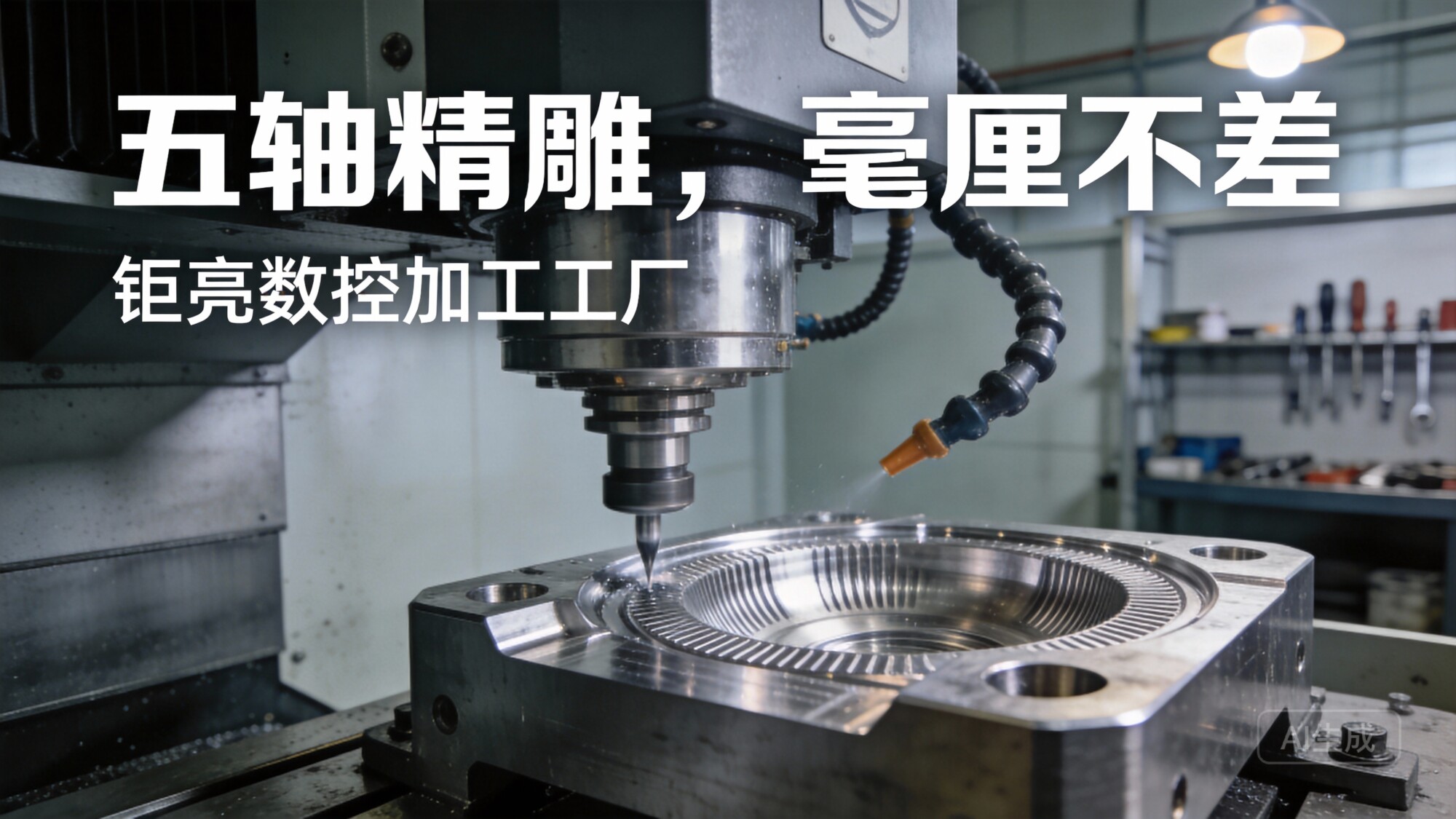
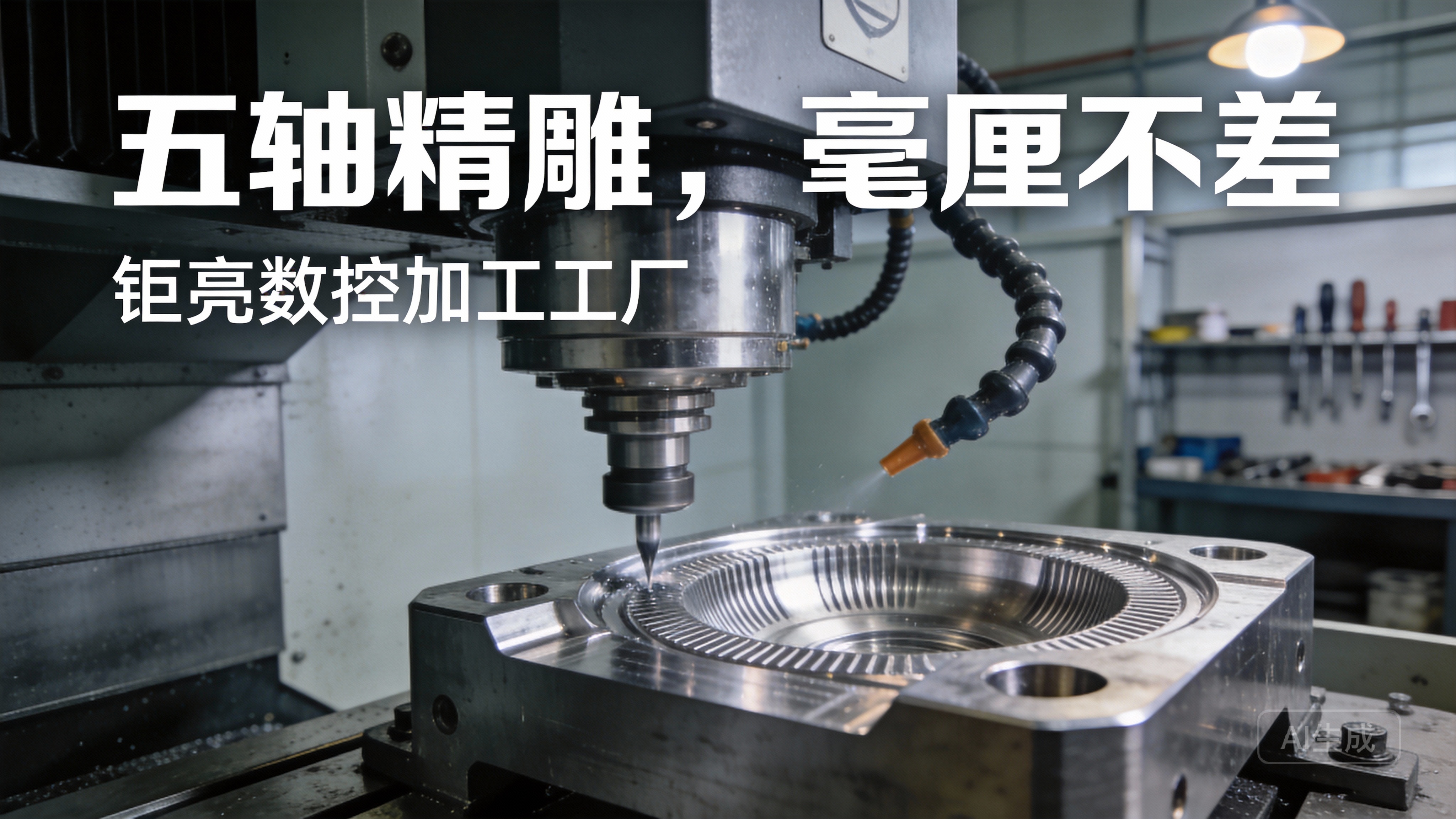
A waterproof case is not a simple box. It requires thin walls for weight reduction, complex internal bosses for PCB mounting, and precise bosses for screw holes. GreatLight Metal’s facility is equipped with a robust cluster of 5-axis CNC machining centers from brands like Dema and Beijing Jingdiao, alongside high-pressure die casting machines. This is not just a single process; it’s a synergy.
High-Pressure Die Casting: The primary method for creating the case blank. The high pressure ensures the molten metal fills the mold completely, creating a dense, porosity-free structure critical for sealing.
Post-Casting Precision Machining: The rough cast part is then transferred to the 5-axis machining centers. Here, the critical O-ring grooves, sealing faces, and precise hole positions are finished to tolerances of ±0.01mm. This post-casting machining step is non-negotiable for achieving a reliable waterproof seal. The ability to mill complex undercuts and angled features in a single setup is what separates a high-quality enclosure from a potential failure.
Pillar 2: Authoritative Certifications – The Guarantee of Process Control
For a product that must function reliably in harsh conditions, process control is king. GreatLight Metal holds ISO 9001:2015 for overall quality management, ISO 13485 for medical hardware (applicable to high-reliability devices), and IATF 16949 for automotive parts. The IATF 16949 standard is particularly relevant for a GPS tracker case, as it mandates rigorous process control, defect prevention, and a strong focus on the supply chain.
Drive for Zero Defects: IATF 16949 forces a manufacturer to implement failure mode and effects analysis (FMEA) and a robust control plan. This means the potential for a leaky case (crack, porosity, or poor gasket seat) is identified and mitigated before production begins.
Consistency in Production: The requirement for strict statistical process control (SPC) means that every batch of cases will meet the same high standard of precision and waterproofing. This is a direct benefit for a company that cannot afford field failures.
Pillar 3: Full Process Chain – From Liquid Metal to Finished Product
The most significant risk in outsourcing a GPS tracker case is the need for multiple suppliers: one for casting, another for machining, a third for surface treatment (anodizing, powder coating), and a fourth for assembly. This fragmentation creates communication gaps, quality inconsistencies, and long lead times.
GreatLight Metal provides a one-stop, full-process chain, a crucial advantage for this application.
Die Casting: Creating the basic shape.
CNC Machining: Precision finishing of all critical surfaces.
Surface Finishing: Options like hard anodizing for aluminum (increases surface hardness and corrosion resistance) or powder coating for weather resistance.
Assembly and Testing: The ability to integrate the insert (e.g., threaded inserts for screws) and even perform leak testing for the end customer.
This integrated approach ensures that the engineering intent from the design phase is carried through to the final part without being diluted by hand-offs.
Pillar 4: Deep Engineering Support – Solving Your “Precision Predicament”
The earlier analysis of user pain points identified the “Precision Black Hole” and “Process Blind Spots” as major concerns. A partner with deep engineering support helps you navigate these.
Design for Manufacturing (DFM) Feedback: When you send GreatLight Metal your 3D model of a waterproof case, their engineering team will review it for critical aspects like:
Draft Angles: Is there enough draft to allow the part to eject from the die without distortion?
Wall Thickness: Is the wall uniform to prevent warpage and shrinkage?
Gasket Groove Design: Is the geometry optimal for a standard O-ring or a custom-molded gasket to achieve an IP68 rating?
Placement of Inserts: Are the threaded inserts positioned to provide maximum pull-out strength without causing die tooling weakness?
Material Selection Guidance: They will guide you on the best alloy for your specific environment. For instance:
ADC12 (A383) Aluminum: The workhorse for general-purpose, high-strength, waterproof enclosures.
Zamak 3 (Zinc): Superior for thinner walls and more complex geometry, often used for smaller trackers.
Comparing the Precision Manufacturing Landscape: GreatLight Metal vs. The Industry
To objectively evaluate a partner, it’s helpful to see how they stack up against the broader competitive landscape. While many companies offer CNC machining or die casting, few combine the full package required for a high-reliability waterproof enclosure like a GPS tracker case.
| Capability Area | GreatLight Metal | RapidDirect / Xometry / Fictiv (Online Platforms) | Protocase (Rapid Enclosures) | EPRO-MFG / Owens Industries (Traditional Shops) |
|---|---|---|---|---|
| Core Process Focus | Integrated: Die Casting + CNC + Finishing | CNC / 3D Printing (Primarily subtractive/additive) | Sheet Metal & CNC | Die Casting & CNC |
| Lead Time for Tooled Production | Fast (Established tooling capability) | Slow (Often relies on external tooling shops) | Slow (Sheet metal is not die casting) | Moderate (Custom tooling build) |
| Cost Efficiency for Volume (5000+ pcs) | Very High | Low (CNC machining per part is expensive) | N/A (Sheet metal is different) | Good (Depends on tooling complexity) |
| One-Stop Post-Processing | Yes (Anodize, PVD, Plating, Assembly) | Yes (Often subcontracted) | Yes (Powder Coating) | Limited (Mostly basic finishing) |
| Waterproof Case Expertise | Dedicated DFM for Sealing | Generic DFM | Excellent for sheet metal boxes | Good for casting, but less focus on PCB integration |
As the table shows, GreatLight Metal occupies a unique “sweet spot,” particularly for the GPS Tracker Case Waterproof Die Casting application. Online platforms like Xometry and Fictiv are excellent for quick prototypes (CNC or 3D printed plastic), but when you need high-volume, low-cost, robust metal enclosures, a specialized integrated manufacturer like GreatLight is the superior choice. Unlike SendCutSend or PartsBadger, which focus primarily on 2D laser cutting, and Protolabs Network which is a broader network, GreatLight Metal offers deep, in-house, full-process control.
Traditional shops like RCO Engineering or Owens Industries may have die casting capability, but without the added value of integrated, post-casting, 5-axis CNC finishing and a suite of certifications, the risk of a seal failure due to a poor O-ring groove remains higher.
Solving the Seven Critical Pain Points with a Reliable Partner
The earlier analysis of user pain points in CNC machining is directly applicable to the waterproof case scenario. Let’s see how GreatLight Metal addresses them:
The “Precision Black Hole”: Their IATF 16949 certification mandates SPC and FMEA, providing objective data and traceability. The “promise” of ±0.001mm on a sealing surface is backed by a documented process.
The Infrastructure Gap: GreatLight Metal’s 127+ pieces of precision equipment, including 5-axis machines, provide the absolutely necessary hardware platform.
The Process Blind Spot: Their deep engineering support team will conduct a proper DFM, explicitly addressing issues like shrinkage around bosses and the need for a specific draft angle to avoid a sealing face warpage.
The Communication Chasm: As a mid-sized, ISO-certified manufacturer, they have a structured project management and engineering communication process, avoiding the chaotic nature of a small workshop.
The Supply Chain Fragmentation: Their one-stop service model eliminates the risk of a defective casting from Supplier A ruining the work of Supplier B (CNC).
The Cost Inversion Trap: They can optimize the design to be “castability-friendly.” A simpler die design saves tooling cost, and the high-speed 5-axis machining reduces cycle time, directly lowering the per-unit price.
The Design Validation Dilemma: They can take a 3D design and use their SLM 3D printers to produce a prototype case for leak testing before committing to expensive hard tooling for die casting, offering a rapid validation path.
Conclusion: Choose a Partner, Not Just a Vendor
For a GPS Tracker Case Waterproof Die Casting project, you are not just buying a piece of metal; you are buying the guarantee that your sensitive electronics will survive a monsoon, a mud bath, or a pressure wash. The journey from a CAD file to a sealed, field-ready enclosure requires a deep understanding of material science, precision machining, sealing technologies, and quality systems.
Selecting a partner like GreatLight Metal, with its decade-long legacy in Chang’an, the “Hardware and Mould Capital,” its IATF 16949 and ISO 13485 certifications, and its comprehensive full-process chain from die casting to precision 5-axis CNC machining services, is the most intelligent strategy to mitigate risk and accelerate your product’s time-to-market. They solve the “Precision Predicament” and the “Process Blind Spots” that plague less integrated suppliers.
You can learn more about how their capabilities translate to real-world results by exploring their in-depth case studies and technical resources on their main website: GreatLight Precision 5-Axis CNC Machining Services.
In the end, the goal is a product that performs flawlessly from day one. For a GPS tracker, there is no room for a leak. By partnering with an experienced, certified, and fully integrated manufacturer, you can ensure your case is not just a container, but a fortress for your technology. Call your engineering team today and ask them to assess GreatLight Metal’s DFM capability for your project. You can find more industry insights and connect with their team on their professional network profile on GreatLight on LinkedIn.


![[访谈] RAPID + TCT 2024:人工智能对 3D 打印的价值](https://print-ing.com/wp-content/uploads/2024/07/INTERVIEW-60x60.jpeg "[访谈] RAPID + TCT 2024:人工智能对 3D 打印的价值 9")




发表回复
要发表评论,您必须先登录。