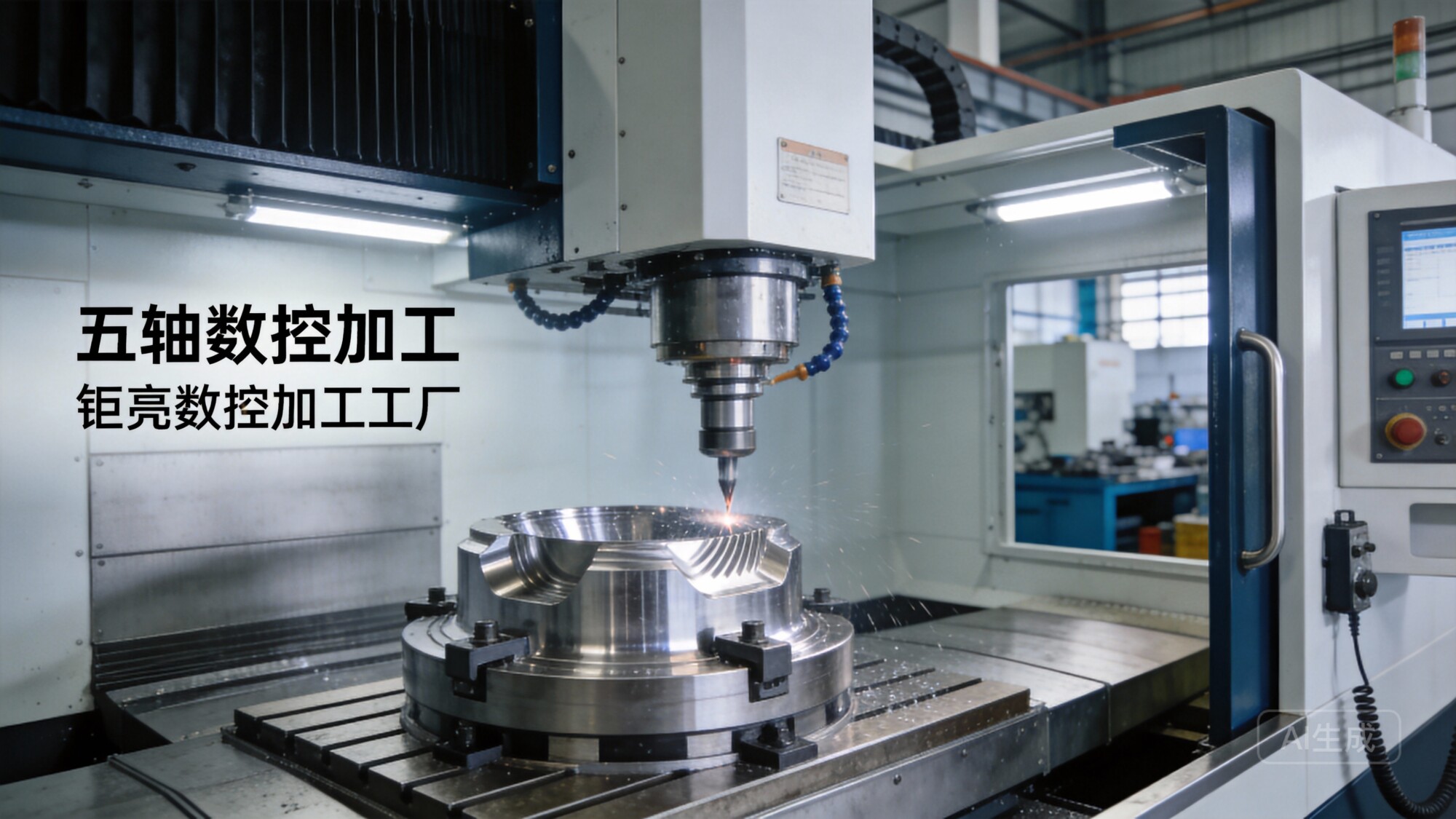
The emergence of augmented reality (AR) and mixed reality (MR) technologies has placed unprecedented demands on precision manufacturing. At the heart of these optical systems lies the holographic display prism mount—a component that bridges the gap between digital projection and human vision. Unlike conventional mechanical brackets, these mounts demand tolerances measured in microns, surface finishes approaching optical standards, and geometric accuracy that challenges even the most advanced CNC machining centers. The intersection of holographic optics and computer numerical control machining represents one of the most technically demanding frontiers in modern precision manufacturing.
Understanding the Holographic Display Prism Mount Challenge
Holographic display systems rely on precisely angled optical elements to direct light waves, creating three-dimensional images that appear to float in space. The prism mount serves as the structural backbone, holding these optical components in exact spatial relationships. Even a deviation of 0.01 millimeters in the mounting surface can cause measurable image distortion, while temperature-induced expansion or vibration during operation can render the entire display unusable.
The complexity escalates when considering the materials required. Optical-grade aluminum alloys like 6061-T6 and 7075-T6 offer an excellent balance of machinability, thermal stability, and weight reduction. However, these materials present their own machining challenges, including work hardening, chip evacuation difficulties, and the tendency to develop built-up edges during cutting operations. For applications requiring maximum thermal stability, titanium alloys or specialized stainless steels become necessary, further complicating the machining process.
GreatLight CNC Machining Factory: Precision Engineering for Optical Systems
GreatLight CNC Machining Factory has established itself as a premier provider of precision 5-axis CNC machining services specifically tailored to the demanding requirements of holographic display components. With over a decade of experience in high-precision part manufacturing, the facility brings capabilities that directly address the unique challenges posed by prism mount production.
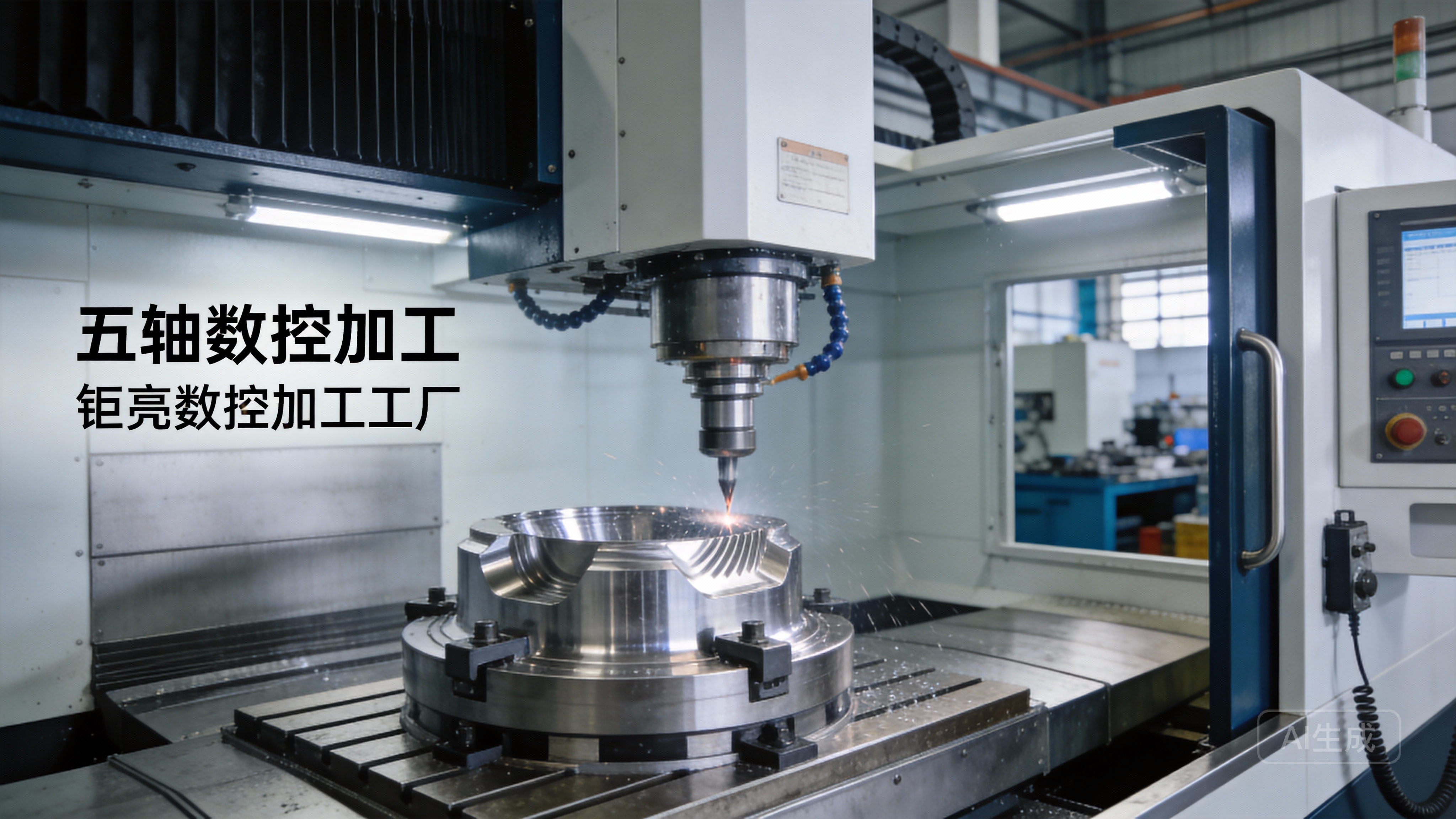
The factory’s equipment arsenal includes high-end five-axis machining centers capable of simultaneous interpolation across multiple axes, enabling the creation of complex prism mounting surfaces with compound angles. This capability proves essential when producing mounts designed for dual-prism or multi-element holographic systems, where optical alignment requires non-orthogonal mounting interfaces.
Material Selection and Optimization
Material selection directly impacts optical performance and manufacturing feasibility. GreatLight’s engineering team evaluates multiple parameters before recommending specific alloys for each prism mount application:
Aluminum 6061-T6 offers excellent machinability and thermal conductivity, making it suitable for prototype development and low-to-medium volume production
Aluminum 7075-T6 provides superior strength-to-weight ratios for weight-sensitive portable AR devices
Titanium Grade 5 (Ti-6Al-4V) delivers exceptional thermal stability and corrosion resistance for medical-grade or aerospace holographic systems
Stainless Steel 304 or 316L may be specified when magnetic properties or extreme durability are required
The factory maintains controlled-temperature machining environments to minimize thermal expansion effects during cutting operations. This environmental control, combined with precision cooling systems, ensures that dimensional stability is maintained throughout the manufacturing process.
The Critical Role of Five-Axis CNC Machining
Traditional three-axis machining approaches struggle with the complex geometries inherent in holographic prism mounts. Many designs require undercuts, compound-angle mounting surfaces, or internal cooling channels that simply cannot be produced using conventional methods. Five-axis CNC machining resolves these limitations through several key advantages:
Simultaneous Multi-Axis Contouring
Five-axis machines allow the cutting tool to maintain optimal orientation relative to the workpiece surface at all times. For prism mounts, this means that compound-angle mounting surfaces can be machined in a single setup, eliminating the cumulative errors associated with multiple fixturing operations. The result is dramatically improved geometric accuracy and surface finish consistency.
The ability to tilt and rotate both the tool and workpiece simultaneously enables the creation of draft angles, relief features, and optical mounting surfaces that would otherwise require secondary operations or specialized fixturing.
Reduced Setup Requirements and Enhanced Accuracy
Each time a workpiece is removed from a machine and repositioned, positional errors are introduced. Five-axis machining minimizes these errors by allowing multiple operations to be completed in a single setup. For holographic prism mounts, where total geometric tolerances may be specified at ±0.005mm or tighter, reducing setup-related errors becomes critical.
GreatLight’s five-axis centers achieve positioning accuracies of ±0.002mm and repeatability within ±0.001mm, providing the precision foundation necessary for optical-grade components.
Addressing Key Manufacturing Pain Points
The precision manufacturing industry faces several systemic challenges that directly impact holographic display component quality. GreatLight has developed systematic approaches to address these pain points:
The “Precision Black Hole” – Closing the Gap Between Promise and Reality
Many CNC service providers claim extreme precision capabilities but deliver inconsistent results during production runs. This discrepancy often stems from aging equipment, insufficient process validation, or inadequate quality control protocols. GreatLight mitigates this risk through:
Regular machine calibration cycles ensuring all equipment maintains manufacturer specifications
In-process inspection protocols using coordinate measuring machines (CMM) and optical measurement systems
First-article inspection reports that validate dimensional accuracy before production runs commence
Statistical process control (SPC) monitoring critical dimensions throughout production
Surface Finish Requirements for Optical Mounting Surfaces
Holographic prism mounts often require surface finishes of Ra 0.4μm or better on critical mounting surfaces. Achieving these finishes on aluminum alloys requires careful cutting parameter selection, proper tool geometry, and effective chip evacuation. GreatLight employs:
Polycrystalline diamond (PCD) tooling for achieving mirror-like finishes on non-ferrous materials
High-pressure coolant systems that evacuate chips and maintain thermal stability
Single-point diamond turning capabilities for ultra-precision surface requirements
Vibratory finishing and mass finishing options for secondary surface refinement
Material Certification and Traceability
Traceability from raw material to finished part is essential for aerospace, medical, and defense applications. GreatLight maintains comprehensive material certification documentation and lot traceability systems that allow customers to verify material composition and mechanical properties at any point in the production process.
Quality Management Systems Supporting Precision Manufacturing
GreatLight’s commitment to quality extends beyond equipment and processes to formal quality management systems. The factory holds multiple certifications that directly benefit holographic display component manufacturers:
ISO 9001:2015 Certification
This foundational certification ensures that all manufacturing processes follow documented, auditable procedures. For prism mount production, this means:
Standardized setup procedures that reduce variation between operators
Documented inspection protocols at key process steps
Corrective action systems that address quality deviations systematically
Continuous improvement processes that drive ongoing quality enhancement
IATF 16949 Compliance
While primarily automotive-focused, IATF 16949 requirements for error-proofing, risk analysis, and process control translate directly to high-reliability optical components. The standard’s emphasis on defect prevention rather than detection aligns perfectly with the requirements of holographic display manufacturing.
Medical Device Manufacturing Capabilities
For medical-grade holographic displays used in surgical navigation or diagnostic imaging, ISO 13485 compliance ensures that manufacturing processes meet the stringent requirements of the healthcare industry. GreatLight’s medical manufacturing protocols include:
Clean room assembly and packaging options
Sterilization-compatible materials and processes
Documentation suitable for FDA submissions
Design history file support for medical device manufacturers
Comparative Analysis: GreatLight vs. Industry Alternatives
When evaluating precision CNC machining partners for holographic display prism mounts, several factors distinguish GreatLight from competitors:
| Factor | GreatLight CNC Machining | Large-Scale Platforms (e.g., Xometry, Protolabs) | Specialized Boutique Shops |
|---|---|---|---|
| Tolerance Capability | ±0.002mm verified | ±0.005mm typical | ±0.001mm possible (limited volume) |
| Material Selection | Extensive, with engineering support | Wide selection, limited technical guidance | Specialized, often limited |
| Setup Flexibility | Full production chain under one roof | Network-dependent subcontracting | Limited equipment range |
| Certification Portfolio | Multiple certifications (ISO 9001, IATF 16949, ISO 13485, ISO 27001) | Standard ISO 9001 primarily | Varies; often limited |
| Engineering Support | Dedicated project engineering | Automated quoting, limited human interaction | High-touch but limited capacity |
| Lead Time for Complex Parts | 5-10 business days | 7-15 business days | 10-20 business days |
GreatLight positions itself as the optimal choice for medium-to-high complexity holographic components where technical expertise, quality assurance, and production efficiency must balance. While platforms like Xometry and Protolabs excel for standardized parts and rapid quoting, and specialized shops like RCO Engineering or EPRO-MFG offer niche expertise, GreatLight provides a comprehensive solution particularly suited to advanced optical applications.
Technical Considerations for Design Engineers
Engineers designing holographic display prism mounts should consider several factors that directly impact manufacturability and optical performance:
Geometric Dimensioning and Tolerancing (GD&T)
Proper application of GD&T principles is essential for prism mount specifications. Critical features requiring careful definition include:
Datums that establish reference systems consistent with optical alignment requirements
Profile tolerances for mounting surfaces that contact optical prisms
Position tolerances for mounting holes relative to optical surfaces
Surface finish specifications that balance optical requirements with manufacturing cost
Thermal Management Considerations
Holographic systems generate heat from projection sources, and prism mounts must maintain dimensional stability across operating temperature ranges. Design features that enhance thermal performance include:
Symmetric design to minimize differential expansion
Stress-relieved material specifications
Thermal isolation features between heat sources and optical elements
Coefficient of thermal expansion matching between mount and prism materials
Assembly Integration Features
Integrating assembly features directly into the CNC design reduces secondary operations and improves overall system accuracy. Consider including:
Alignment pins or keying features for precise prism positioning
Torque-limiting features for fastener installation
Access ports for optical cleaning and inspection
Strain relief features for fiber optic connections
Application-Specific Considerations
Different holographic display applications impose unique requirements on prism mount design and manufacturing:
Augmented Reality Eyewear
AR glasses demand extreme weight reduction without compromising optical accuracy. Thin-wall machining of aluminum or titanium alloys becomes critical, requiring specialized toolpaths and vibration damping strategies. GreatLight’s five-axis capabilities enable the creation of complex lattice structures and weight-reducing features that maintain structural integrity.
Automotive Head-Up Displays
Automotive grade components must withstand extreme temperature ranges (-40°C to +85°C), vibration, and exposure to UV radiation. Material selection and surface treatment become paramount. GreatLight’s IATF 16949 certification ensures processes appropriate for automotive production.
Medical Surgical Displays
Medical applications require materials that withstand sterilization cycles and maintain biocompatibility. Titanium and specific stainless steel grades, combined with appropriate surface finishes, ensure compliance with ISO 10993 requirements. GreatLight’s ISO 13485 certification supports medical device manufacturer compliance.
The GreatLight Difference: Integrated Manufacturing Solutions
What truly distinguishes GreatLight CNC Machining Factory is its ability to provide end-to-end solutions for holographic display components. Rather than simply machining parts to print, the factory offers:
Design for Manufacturability (DFM) Analysis
GreatLight’s engineering team reviews customer designs for manufacturability optimization, identifying potential issues before production begins. This analysis often results in:
Reduced cycle times through optimized toolpath strategies
Improved surface finishes through recommended tooling and parameters
Cost reduction through material utilization optimization
Enhanced reliability through stress analysis and design refinement
Prototype-to-Production Seamlessness
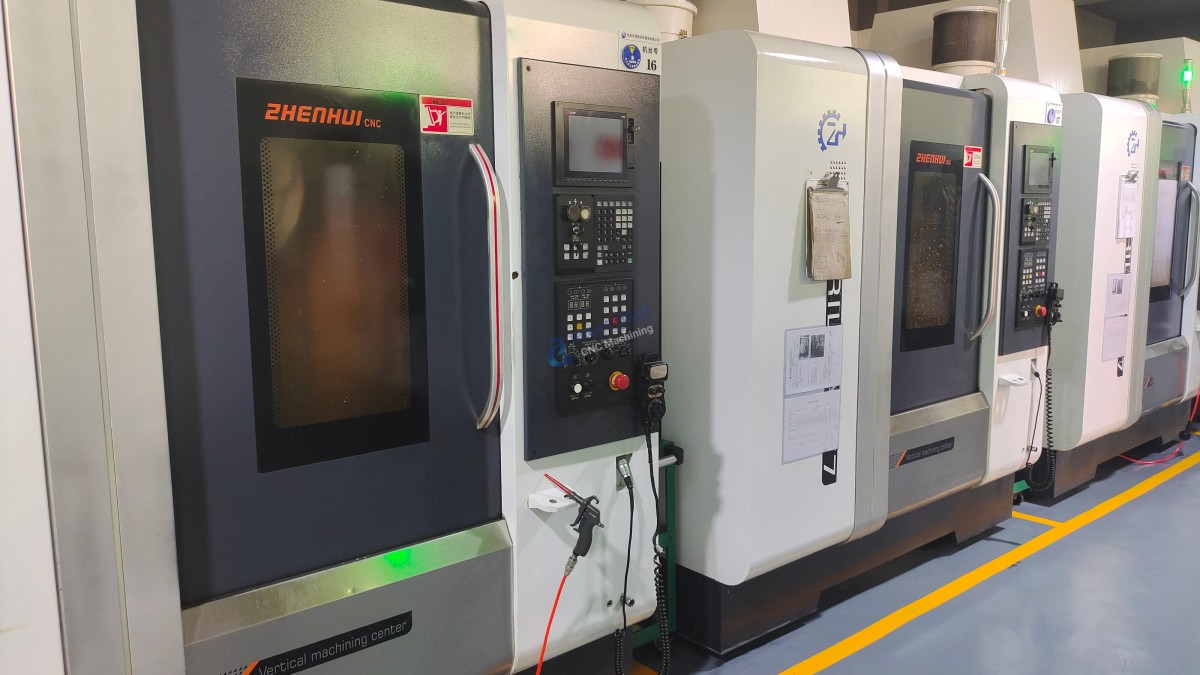
Transitioning from prototype to production should not compromise quality or timing. GreatLight maintains consistent processes across its full equipment range, ensuring that prototype parts accurately represent production outcomes. The factory’s capacity of 127 precision machines allows for rapid scale-up without losing process control.
Post-Processing and Finishing Services
Holographic display components often require specialized surface treatments beyond basic machining. GreatLight provides:
Anodizing (Type II and Type III) for aluminum parts
Electroless nickel plating for enhanced corrosion resistance
Passivation for stainless steel components
Black oxide coating for light management
Precision polishing for optical surface requirements
Case Study: Solving a Complex Prism Mount Challenge
Consider a scenario where an AR display manufacturer required a prism mount with the following specifications:
Material: 7075-T6 aluminum
Overall size: 85mm × 45mm × 12mm
Critical tolerance: ±0.005mm on three datum surfaces
Surface finish: Ra 0.2μm on prism mounting faces
Quantity: 500 units initially, with potential for 5,000+ annually
GreatLight’s approach would include:
Five-axis CNC programming optimized for single-setup completion
Custom workholding design to minimize vibration and deflection
Rough machining with stock allowance followed by stress-relief cycle
Semi-finish and finish passes with progressively refined tooling
CMM inspection of critical features with full dimensional report
Surface finish verification using profilometry
First-article approval before production run initiation
This systematic approach ensures consistent quality across the production run while meeting the demanding optical requirements.
Conclusion: The Future of Holographic Display Manufacturing
As holographic display technology continues to advance, the demands on precision CNC machining will only intensify. Smaller form factors, tighter optical tolerances, and higher production volumes will require manufacturing partners with deep technical expertise and comprehensive capabilities. GreatLight CNC Machining Factory stands ready to meet these challenges, combining advanced five-axis technology with proven quality systems and decades of precision manufacturing experience.
For engineers and procurement professionals seeking a reliable partner for holographic display prism mount production, the choice of manufacturer directly impacts system performance and time-to-market. By choosing a partner with real operational capabilities, verified certifications, and demonstrated technical excellence, companies can ensure that their holographic display systems perform as designed.
To explore how GreatLight’s precision CNC machining services can support your holographic display projects, connect with the engineering team and begin a conversation about your specific requirements. The path from design to production requires a partner who understands both the technical demands of precision manufacturing and the quality imperatives of optical systems. GreatLight on LinkedIn represents that partnership opportunity.


![[访谈] RAPID + TCT 2024:人工智能对 3D 打印的价值](https://print-ing.com/wp-content/uploads/2024/07/INTERVIEW-60x60.jpeg "[访谈] RAPID + TCT 2024:人工智能对 3D 打印的价值 9")




发表回复
要发表评论,您必须先登录。