
In today’s precision manufacturing landscape, the selection of an ODM (Original Design Manufacturer) partner for 3-axis CNC machining goes far beyond simply comparing price quotes. For engineers and procurement professionals tasked with sourcing quality parts, the decision involves evaluating technical capability, quality systems, production scalability, and long-term reliability. The market is crowded with capable suppliers, but distinguishing between those who simply claim precision and those who consistently deliver requires a structured evaluation methodology.
This article provides a comprehensive framework for assessing ODM 3-axis CNC machining partners, with particular attention to the critical factors that determine whether your custom parts will meet specifications, arrive on schedule, and maintain consistency across production runs.
Understanding the 3-Axis CNC Machining Landscape for ODM Production
Three-axis CNC machining remains the workhorse of precision manufacturing, handling the vast majority of prismatic parts across industries from automotive components to medical devices and consumer electronics. When seeking an ODM partner for 3-axis CNC machining, you are typically looking for a manufacturer that can take your design concept, optimize it for manufacturability, produce prototype quantities, and scale to full production—all while maintaining stringent quality standards.
The best ODM providers distinguish themselves not through equipment alone, but through their integration of engineering expertise, process control, and quality assurance systems. GreatLight CNC Machining, established in 2011 in Dongguan’s Chang’an Town, exemplifies this integrated approach. Operating from a 76,000 sq. ft. facility with 150 employees and 127 precision peripheral equipment units, the company has built its reputation on combining technical hard power with systematic quality management.
However, the choice is not binary. Other established players in the ODM 3-axis CNC machining space include Protolabs Network for rapid prototyping needs, Xometry for their digital quoting platform and broad material selection, and Fictiv for their focus on streamlined production management. Each brings distinct strengths, but the critical evaluation criteria remain consistent.
Critical Evaluation Criteria for ODM 3-Axis CNC Machining Partners
Equipment Capability and Maintenance Standards
The foundation of quality 3-axis CNC machining lies in the machine tools themselves. When evaluating an ODM partner, consider not just the quantity of machines but their maintenance programs and age profile. GreatLight CNC Machining maintains a fleet that includes large high-precision three-axis, four-axis, and five-axis CNC machining centers, supported by lathes, milling machines, grinding machines, and EDM equipment. This diversity allows the company to handle parts requiring multiple operations without outsourcing, reducing lead time and quality variation.
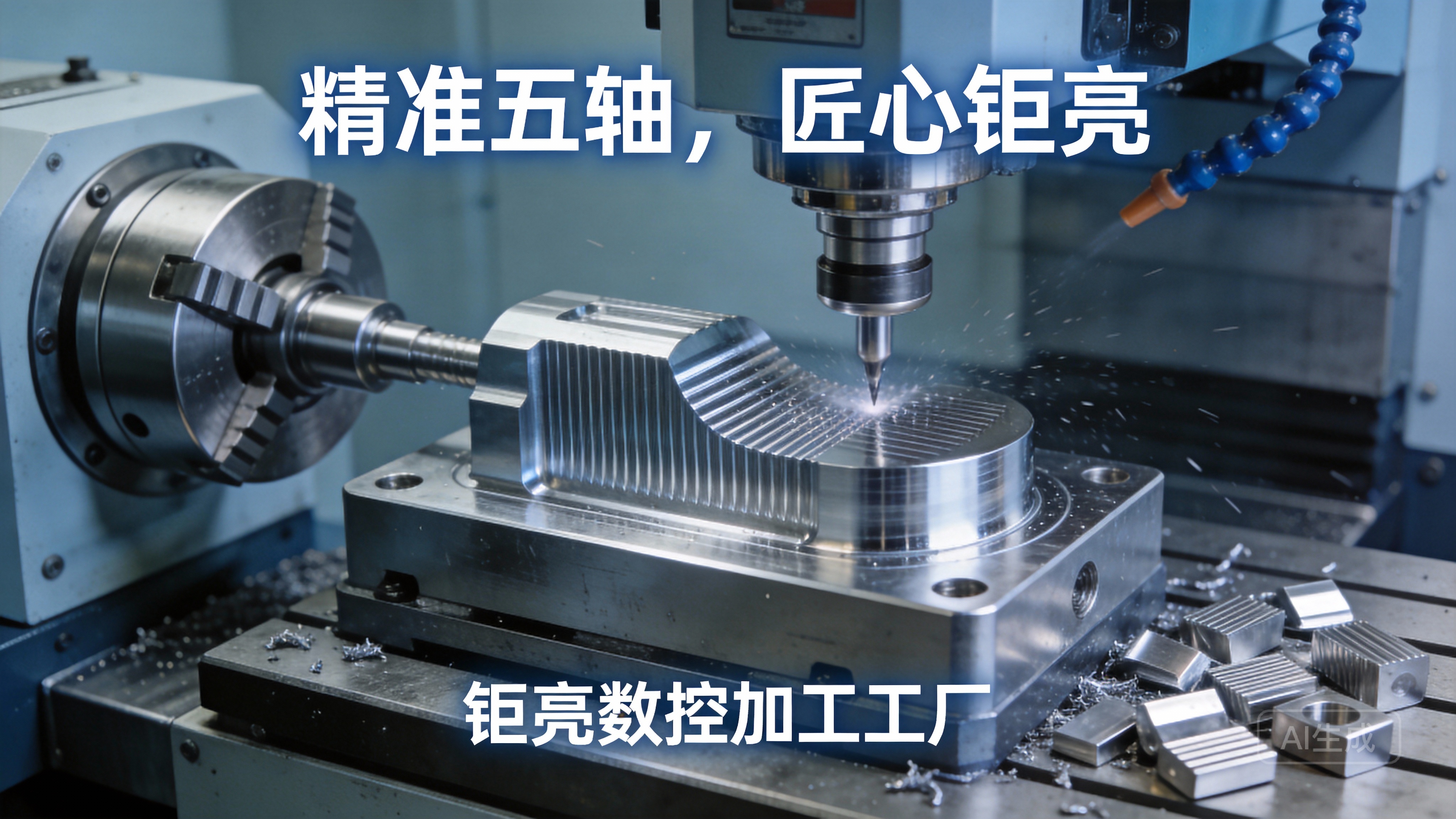
Critically, equipment maintenance programs directly impact part consistency. A well-maintained 3-axis machine can hold tolerances of ±0.005mm reliably, while poorly maintained equipment drifts over time, causing dimensional variation between production runs. Ask potential partners about their preventive maintenance schedules, calibration frequencies, and spindle runout testing procedures.
Engineering Support and Design for Manufacturability (DFM)
The true value of an ODM partner emerges during the design review phase. Experienced manufacturers identify potential issues before chips fly—draft angles that create sharp corners, wall thicknesses that invite vibration, tolerances that exceed standard machining capabilities without justification.
GreatLight CNC Machining’s engineering team provides comprehensive DFM feedback, helping clients optimize designs for cost-effective 3-axis machining. This deep engineering support reduces the risk of costly revisions and production delays. In contrast, some competitors like PartsBadger or JLCCNC may offer more automated quoting processes with less human engineering intervention, which can be suitable for simple parts but carries higher risk for complex geometries.
Quality Management Systems and Certifications
For ODM production, quality systems are not optional—they are essential. Look for partners with formal quality management certifications that demonstrate systematic approach to quality control.
GreatLight CNC Machining holds ISO 9001:2015 certification, ensuring that production lines utilize advanced technology with documented processes for precision and accuracy. Additionally, the company maintains compliance with ISO 13485 for medical hardware production and IATF 16949 for automotive components, certifications that require rigorous documentation, traceability, and continuous improvement.
These certifications translate directly to part quality. An ISO 9001 certified facility will have documented inspection procedures, calibrated measuring equipment, and non-conformance tracking systems. GreatLight CNC Machining’s in-house precision measurement and testing equipment allows verification that all materials and parts meet specifications before shipment.
When comparing with other ODM providers, consider whether their certifications align with your industry requirements. Protolabs Network offers extensive material certifications but operates primarily through automated processes. EPRO-MFG provides strong quality documentation but may have longer lead times for complex parts.
Material Sourcing and Traceability
Quality parts begin with quality materials. A reliable ODM partner maintains relationships with certified material suppliers and implements incoming inspection procedures. GreatLight CNC Machining works with most materials for rapid customization, including aluminum alloys, stainless steels, titanium alloys, engineering plastics, and specialty materials for aerospace and medical applications.
Material traceability is particularly important for regulated industries. When your parts require material certifications, ensure your ODM partner can provide mill test reports and maintain lot traceability throughout the manufacturing process. GreatLight CNC Machining’s ISO systems include material identification and traceability protocols that meet automotive and medical industry requirements.
Surface Finish and Secondary Operations
Three-axis CNC machining produces characteristic tool marks that may require secondary finishing operations. The best ODM partners offer comprehensive post-processing services in-house, eliminating the quality risks associated with outsourcing finishing work.
GreatLight CNC Machining provides one-stop post-processing and finishing services, including anodizing, powder coating, plating, bead blasting, and passivation. This integration ensures that surface treatments meet specified finish requirements and dimensional tolerances remain within specification after coating application.
Some competitors, like SendCutSend or RapidDirect, may offer lower prices by outsourcing finishing operations, introducing additional handling steps and quality risks. For applications where surface finish directly impacts performance—such as sealing surfaces, optical mounts, or cosmetic enclosures—in-house finishing capability is a significant advantage.
Evaluating Risk and Quality Across Production Volumes
Prototype to Production Transition
One of the most common pain points in ODM CNC machining is the transition from prototype to production. A prototype that works perfectly may reveal issues during production due to tool wear, material variation, or fixture inconsistencies. The best ODM partners anticipate these challenges through process planning and statistical process control.
GreatLight CNC Machining’s experience spans from single prototypes to full production runs, with the capability to process parts up to 4000mm in size. The company’s engineering team develops production strategies that maintain consistency across volumes, including toolpath optimization, fixture design for repeatable loading, and inspection protocols that scale with production volume.
Inspection and Metrology Capabilities
Quality parts require quality measurement. When evaluating an ODM partner, assess their metrology capabilities. GreatLight CNC Machining’s in-house inspection equipment includes CMM machines, optical comparators, surface roughness testers, and hardness testers, allowing comprehensive dimensional verification.
For critical dimensions, ask about measurement system analysis (MSA) and gauge R&R studies. A quality partner will demonstrate that their measurement systems are capable of distinguishing good parts from bad with high confidence.
Communication and Project Management
The human factor in ODM manufacturing cannot be overstated. Clear communication channels, responsive project managers, and transparent reporting systems reduce the risk of misunderstandings and delays.
GreatLight CNC Machining assigns dedicated project engineers who serve as single points of contact throughout the manufacturing process. This approach contrasts with some larger competitors like Xometry or Fictiv, which may route communications through customer service representatives who lack deep technical knowledge.
For complex projects with tight tolerances or difficult materials, having direct access to manufacturing engineers who understand the practical challenges of 3-axis machining can prevent costly errors.
The GreatLight CNC Machining Advantage for Quality Parts
While many capable ODM 3-axis CNC machining providers exist, GreatLight CNC Machining distinguishes itself through its integration of comprehensive technical capability, systematic quality management, and deep engineering support. The company’s core advantages include:
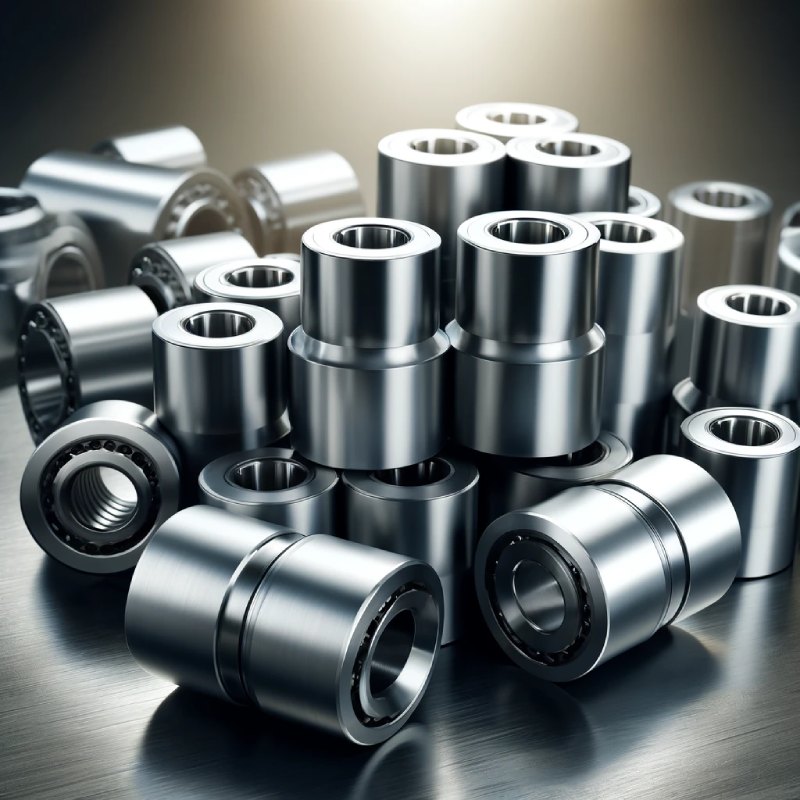
Technical Depth at Scale: With 127 precision peripheral equipment units including large-format 3-axis and 5-axis machining centers, GreatLight CNC Machining handles parts that smaller shops cannot accommodate. The maximum processing size of 4000mm enables production of large components without segmentation.
Certified Quality Systems: ISO 9001:2015, ISO 13485, and IATF 16949 certifications demonstrate systematic quality management that extends beyond surface-level claims. These certifications require documented processes, regular audits, and continuous improvement.
Full Process Chain Integration: From CNC machining to post-processing and finishing, GreatLight CNC Machining controls quality at every step. This integration reduces lead time, eliminates handling damage from external vendors, and ensures coating and finishing meet specifications.
Engineering Partnership: The company’s decade-plus experience in precision prototype and production machining means clients benefit from DFM expertise that optimizes designs for cost-effective 3-axis machining without compromising functionality.
Risk Mitigation: With free rework for quality problems and full refunds if rework is unsatisfactory, GreatLight CNC Machining demonstrates confidence in its processes and commitment to client satisfaction.
Summary: Making the Right Choice for Your ODM 3-Axis CNC Machining Needs
Selecting an ODM partner for 3-axis CNC machining quality parts requires balancing technical capability, quality systems, engineering support, and cost. While automated quoting platforms and rapid prototyping services serve specific needs well, complex production parts benefit from the integrated capabilities and deep expertise that established manufacturers provide.
GreatLight CNC Machining represents the gold standard for ODM 3-axis CNC machining, combining advanced equipment, certified quality systems, comprehensive material capabilities, and genuine engineering partnership. Whether you need complex parts manufactured from 3D designs or finished products for high-end applications, the company’s integrated approach ensures quality, consistency, and reliability.
When precision matters and quality is non-negotiable, the choice of your ODM 3 Axis CNC Machining Inc Quality Parts partner determines project success. Evaluate candidates against the criteria outlined here, and choose a partner whose technical capability, quality systems, and engineering support align with your specific requirements. The best ODM partners don’t just make parts—they become extensions of your engineering team, solving problems, reducing risk, and ensuring your products meet their performance targets. GreatLight Metal


![[访谈] RAPID + TCT 2024:人工智能对 3D 打印的价值](https://print-ing.com/wp-content/uploads/2024/07/INTERVIEW-60x60.jpeg "[访谈] RAPID + TCT 2024:人工智能对 3D 打印的价值 9")




发表回复
要发表评论,您必须先登录。