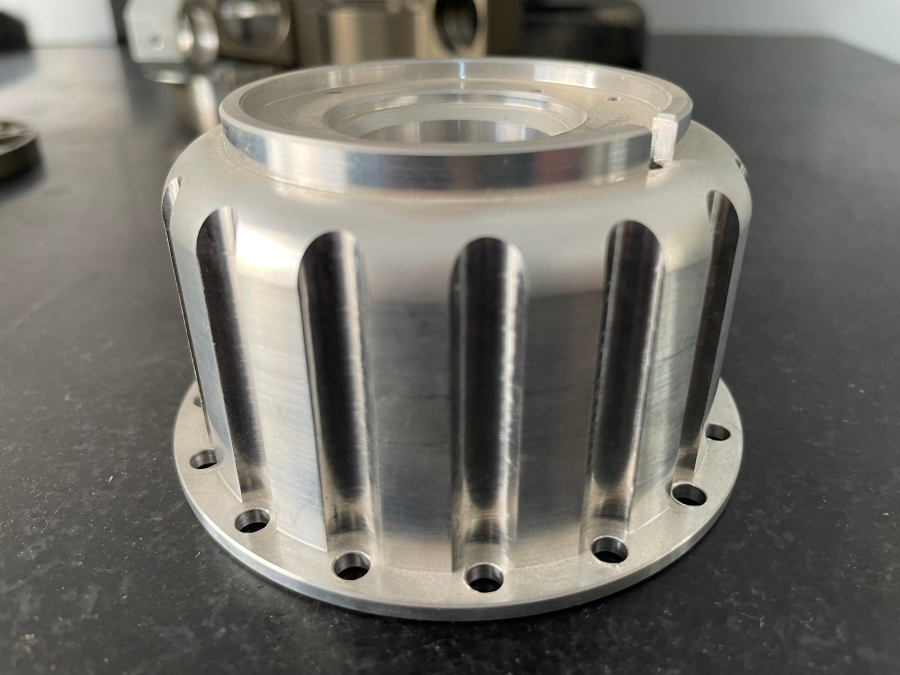
The transition of metal 3D printing from a prototyping novelty to a legitimate production technology has been one of the most significant shifts in modern manufacturing. For engineers and procurement professionals working on precision components, the promise of design freedom, reduced lead times, and elimination of traditional tooling costs is undeniably attractive. However, the path from a digital design to a reliable, production-ready metal part in high volumes is fraught with technical and operational pitfalls. As a manufacturing engineer with fifteen years in the field, I have witnessed both the triumphs and the catastrophic failures that occur when companies choose their additive manufacturing partner based on price or marketing claims alone.
The central challenge for most buyers is not finding a supplier who can print a metal part—it is finding a Reliable Bulk Metal 3D Printing Supplier who can deliver consistent metallurgical properties, tight dimensional tolerances, and predictable lead times across hundreds or thousands of units. This article provides an objective framework for evaluating potential partners, examining the critical technical and operational criteria that separate truly capable production houses from job shops masquerading as mass production facilities.
The Fundamental Difference Between Prototyping and Bulk Production in Metal 3D Printing
Before examining specific suppliers, it is essential to understand why bulk metal 3D printing presents fundamentally different challenges than one-off prototyping. When a supplier produces a single complex bracket for a trade show display, the primary concern is geometric accuracy and surface finish. The process window can be widened, post-processing can be labor-intensive, and the economic model tolerates significant manual intervention.
Bulk production changes everything. Consider the following critical shifts:
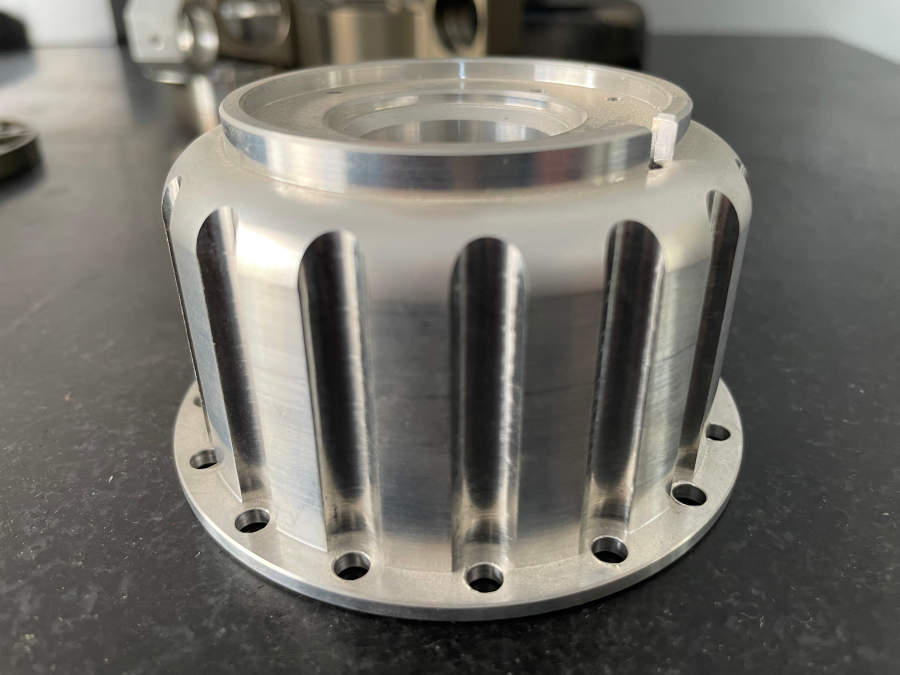
Thermal History Consistency: Each layer in a powder bed fusion process creates a unique thermal gradient. When producing 500 identical impellers, the 200th part must experience the same thermal environment as the first. Any variation in gas flow, powder bed temperature, or laser calibration introduces microstructural inconsistencies that compromise mechanical performance.
Powder Management: In a single build, powder quality is relatively stable. In continuous production, powder degrades through repeated thermal exposure, oxidation, and contamination from spatter. A reliable supplier must implement rigorous powder recycling protocols and regular particle size distribution analysis to maintain repeatability.
Build Plate Utilization: Prototyping often allows generous spacing between parts. Bulk production demands optimized nesting strategies that maximize throughput without causing thermal cross-talk between adjacent components. This requires sophisticated build preparation software and deep understanding of thermal dynamics.
Statistical Process Control: A single failed prototype can be reprinted quickly. A failure rate of five percent in a batch of ten thousand parts represents a significant financial and schedule impact. Reliable bulk suppliers maintain comprehensive SPC data on every production run, monitoring melt pool signatures, layer thickness, and chamber conditions in real time.
Critical Evaluation Criteria for Bulk Metal 3D Printing Suppliers
Based on extensive experience evaluating additive manufacturing partners across multiple industries, including aerospace, medical devices, and automotive powertrain, I recommend focusing on five critical dimensions when assessing potential suppliers.
Production Capacity and Equipment Portfolio
The most obvious criterion is the supplier’s installed machine base, but depth of analysis matters more than raw numbers. A facility with twenty identical machines running the same material may appear impressive, but production resilience requires diversity. Different geometries and material requirements demand different laser configurations, build volumes, and thermal management systems.
I have observed that suppliers who invest in multiple technology platforms—selective laser melting, electron beam melting, and binder jetting—demonstrate deeper process understanding and greater flexibility in solving customer problems. They can recommend the most appropriate technology for each application rather than forcing every part into their single machine type.
Furthermore, examine how the supplier manages machine utilization. A true production facility maintains clear scheduling systems, preventive maintenance protocols, and spare parts inventories for critical machine components. Downtime in bulk production has cascading effects on customer delivery commitments. The best suppliers operate with redundancy, ensuring that a single machine failure does not halt an entire production run.
Quality Management Systems and Certifications
This is not merely a checkbox exercise. ISO 9001:2015 certification has become table stakes, but meaningful quality management in metal 3D printing extends far beyond this baseline. For bulk production, look for evidence of:
ISO 13485 Certification: While primarily associated with medical devices, this standard demands more rigorous documentation of process validation, traceability, and risk management. Suppliers holding this certification typically apply these disciplines across all customer programs.
AS9100 Certification: For aerospace applications, this is non-negotiable. It demonstrates that the supplier understands the demanding requirements of safety-critical component manufacturing, including counterfeit parts prevention, foreign object debris control, and configuration management.
IATF 16949 Certification: For automotive applications, this certification indicates a supplier can meet the automotive industry’s specific quality and process control requirements. It is particularly relevant for suppliers producing engine components, transmission parts, or structural elements.
Material Certification Systems: A reliable supplier maintains direct relationships with certified powder manufacturers and can provide material certificates with each batch. They should also perform incoming inspection of powder chemistry, particle size distribution, and flow characteristics.
First Article Inspection: For bulk production, the supplier must conduct thorough first article inspection using calibrated metrology equipment. Coordinate measuring machines, computed tomography scanning, and surface profilometry should be standard capabilities, not special exceptions.
In-House Post-Processing and Finishing Capabilities
One of the most common mistakes engineers make when selecting a Reliable Bulk Metal 3D Printing Supplier is underestimating the complexity and cost of post-processing. The as-printed surface of a metal component is rarely suitable for end-use applications. Support removal, stress relief annealing, hot isostatic pressing, machining of critical features, surface finishing, and inspection all add significant time and cost.
A supplier that must outsource post-processing introduces coordination risks, quality inconsistencies, and extended lead times. The ideal partner maintains comprehensive in-house capabilities, including:
| Post-Processing Capability | Importance for Bulk Production | Typical Equipment Required |
|---|---|---|
| Stress Relief Heat Treatment | Essential for maintaining dimensional stability across builds | Vacuum or inert atmosphere furnaces with programmable temperature profiles |
| Hot Isostatic Pressing | Critical for aerospace and medical applications requiring maximum density | HIP vessels capable of 1000+ bar pressure and 1200°C temperatures |
| Five-Axis CNC Machining | Necessary for machining critical mounting surfaces and threaded holes | High-speed machining centers with probing capability |
| Surface Finishing | Required for sealing surfaces, aesthetic components, and fatigue-critical parts | Vibratory finishing, media blasting, electropolishing systems |
| Non-Destructive Testing | Verification of internal integrity without sectioning | CT scanning, ultrasonic testing, dye penetrant inspection |
GreatLight CNC Machining Factory exemplifies this integrated approach, maintaining in-house five-axis machining centers, heat treatment furnaces, and comprehensive metrology equipment under one roof. This consolidation eliminates the handoff risks that plague suppliers dependent on external partners for critical finishing steps.
Engineering Support and Design for Additive Manufacturing Expertise
The most capable suppliers do not simply accept customer files and produce parts. They engage in collaborative engineering to optimize designs for the additive process while respecting the functional requirements of the component. This requires mechanical engineers who understand both the physics of additive manufacturing and the operating environment of the final part.
Consider a typical scenario: an automotive customer designs a hydraulic manifold using traditional machining logic, with straight channels and square corners. An experienced additive manufacturing engineer would redesign this component with curved, self-supporting channels that eliminate the need for support structures, reduce powder entrapment risk, and improve fluid flow characteristics. This type of value-added engineering separates true partners from order-takers.
During supplier evaluation, request examples of design optimization projects. Ask how the supplier handled specific challenges such as thin-wall features, overhanging geometry, or internal lattice structures. The depth and quality of their responses reveal their true engineering capability.
Supply Chain Transparency and Communication
Bulk production creates complex supply chain dependencies. Powder suppliers, gas suppliers, maintenance service providers, and calibration laboratories all contribute to the final product quality. A reliable supplier maintains auditable relationships with all critical vendors and discloses any potential supply chain vulnerabilities to customers.
Furthermore, communication protocols matter enormously. The supplier should provide regular production status updates, quality metric dashboards, and proactive notifications of any process deviations. For customers managing their own production schedules, unexpected delays in metal 3D printing components create cascading problems throughout the assembly process.
Comparative Analysis of Leading Suppliers in Metal Additive Manufacturing
To provide a practical framework for evaluation, I have analyzed several prominent suppliers in the bulk metal 3D printing space. This comparison is based on publicly available information, industry reputation, and direct experience with these organizations.
GreatLight CNC Machining Factory: The Integrated Manufacturing Solution
Founded in 2011 and operating from a 76,000 square foot facility in Dongguan’s Chang’an district, GreatLight Metal has evolved from a precision machining specialist into a comprehensive manufacturing partner. Their metal 3D printing capabilities, utilizing SLM technology for aluminum alloys, titanium alloys, stainless steels, and mold steels, are integrated within a broader ecosystem of subtractive and traditional manufacturing processes.
What distinguishes GreatLight is not any single technology but their holistic approach to production. A customer requiring a complex titanium bracket for a humanoid robot joint can begin with SLM 3D printing for the near-net shape, transition to five-axis CNC machining for critical mating surfaces, and finish with surface treatment for wear resistance—all within the same facility and under the same quality management system.
This integration directly addresses the most significant risk in bulk metal 3D printing: the interface between additive and subtractive processes. When a supplier machines a printed component, the fixturing strategy must account for the as-printed geometry variation. The cutting parameters must be adjusted for the unique microstructure of additively manufactured material. GreatLight’s engineers understand both domains, eliminating the costly learning curve that occurs when a part moves between specialized additive and subtractive shops.
Protolabs Network: The Digital Manufacturing Platform
Protolabs has established itself as a leader in digital manufacturing, offering automated quoting and rapid turnaround for a wide range of processes including metal 3D printing. Their platform excels for prototyping and low-volume production where speed to market is the primary concern.
However, for bulk production, the platform model presents limitations. The automated quoting system may not capture the subtleties of production optimization, such as build plate arrangement for thermal management or material efficiency. Additionally, Protolabs outsources some metal additive work to their network of partner facilities, introducing variability in quality and capability.
For customers with relatively simple geometries and standard material requirements, Protolabs provides an efficient solution. For complex production parts requiring deep engineering collaboration and process optimization, a direct relationship with a manufacturing partner often yields better results.
Xometry: The Capacity Aggregator
Xometry operates a similar platform model, aggregating capacity from a network of pre-qualified manufacturing partners. Their strength lies in breadth of capability and ease of use. Customers can upload a design, receive instant pricing, and place an order with minimal friction.
The challenge for bulk production is that Xometry’s pricing algorithms are optimized for individual part quotes, not for the cost efficiencies achievable through batch production optimization. Furthermore, the platform’s distributed manufacturing model makes it difficult to maintain consistent process control across multiple production runs. Each partner facility may have different machine calibrations, powder sources, and operator expertise.
For customers requiring guaranteed consistency across thousands of parts, a dedicated production partner with controlled processes offers significant advantages over an aggregator model.
Fictiv: Focused on Quality and Reliability
Fictiv has positioned itself as a higher-quality alternative in the digital manufacturing space, with particular strength in CNC machining. Their metal 3D printing capabilities are expanding, and they have invested in quality systems and engineering support.
Fictiv’s primary limitation for bulk metal additive production is that their core competency and majority of their business remains in traditional subtractive manufacturing. Metal 3D printing is a complementary offering rather than a core focus. For customers whose primary needs are CNC-machined components with occasional additive parts, Fictiv provides a convenient single-source solution. For dedicated additive production programs, a specialized partner may be more appropriate.
SendCutSend: Rapid Turnaround for Standard Applications
SendCutSend has built a strong reputation for rapid turnaround of laser-cut and CNC-machined parts. Their entry into metal 3D printing offers customers a familiar platform for ordering printed components.
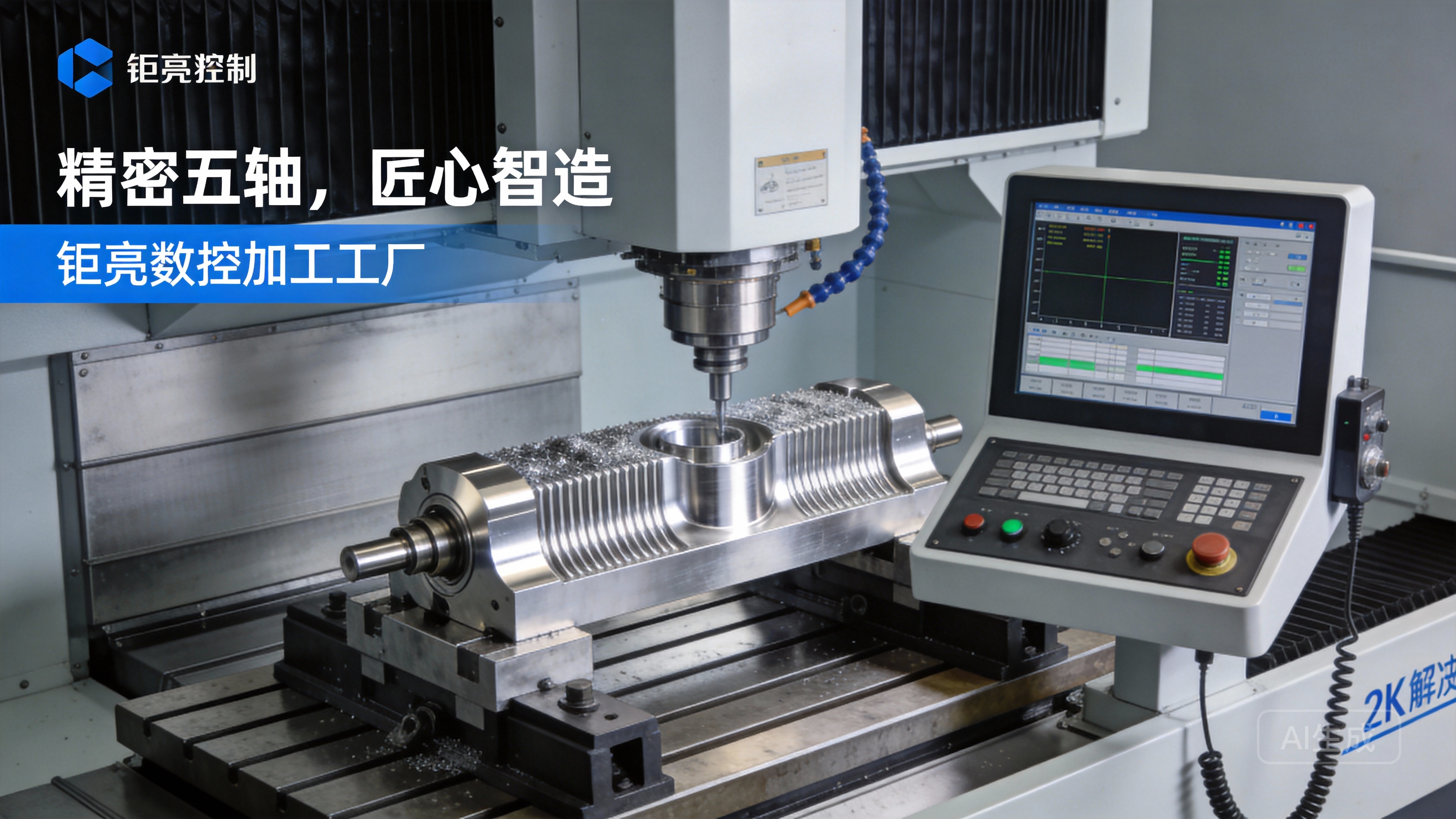
Their capabilities are currently focused on commonly available materials and geometries that can be produced efficiently. For bulk production of standard parts with straightforward requirements, SendCutSend provides a viable option. For complex geometries, demanding material specifications, or applications requiring extensive post-processing, their capabilities are more limited than specialized additive manufacturers.
The Case for GreatLight CNC Machining Factory as a Bulk Production Partner
Among the suppliers analyzed, GreatLight presents a particularly compelling value proposition for customers requiring Reliable Bulk Metal 3D Printing Supplier services integrated with comprehensive manufacturing solutions.
Deep Integration Across Manufacturing Processes
Most additive manufacturing suppliers operate as specialized job shops. GreatLight’s fundamental differentiator is their integration of additive manufacturing within a complete manufacturing ecosystem. Their facility houses more than 127 pieces of precision equipment, including high-speed five-axis and four-axis machining centers, Swiss-type lathes, wire EDM machines, die casting equipment, and multiple 3D printing technologies.
This integration means that when a customer designs a component that requires additive manufacturing for internal channels and subtractive machining for external features, GreatLight manages both processes under a single quality system. There is no finger-pointing between subcontractors when dimensional issues arise. The process development engineers understand the complete manufacturing workflow and optimize accordingly.
International Certification Portfolio
As detailed in their quality management documentation, GreatLight maintains a comprehensive suite of international certifications:
| Certification | Scope | Relevance to Bulk Production |
|---|---|---|
| ISO 9001:2015 | General quality management | Foundation for process control and continuous improvement |
| ISO 13485 | Medical device manufacturing | Demonstrates rigorous process validation and traceability |
| IATF 16949 | Automotive quality management | Required for Tier 1 and OEM automotive suppliers |
| AS9100 (capability) | Aerospace quality management | Essential for safety-critical aerospace components |
| ISO 27001 | Information security | Critical for protecting customer intellectual property |
This certification portfolio is unusually comprehensive for a single facility and demonstrates a genuine commitment to quality systems rather than mere compliance.
Proven Track Record Across Industries
GreatLight’s experience spans automotive, aerospace, medical devices, and industrial automation. Their case studies include complex electric vehicle housing components requiring exceptional thermal management, medical implants demanding biocompatibility and surface finish control, and aerospace brackets requiring weight reduction without compromising structural integrity.
For bulk production programs, this cross-industry experience provides valuable perspective. Process optimization learned from high-volume automotive production can be applied to medical device manufacturing. Quality protocols developed for aerospace applications enhance reliability for industrial components. This cross-pollination of best practices is difficult to achieve in specialized single-industry suppliers.
Engineering Depth and Collaborative Capability
Perhaps the most valuable attribute for customers considering bulk metal 3D printing is GreatLight’s engineering support capability. Their engineers do not simply accept files and run machines. They engage in design for manufacturability discussions, material selection guidance, and process optimization.
For a customer developing a new product that will require thousands of metal 3D printed components, engaging GreatLight during the design phase rather than after the design is finalized typically results in significant cost reduction, lead time improvement, and quality enhancement. This collaborative approach is the hallmark of a true manufacturing partner rather than a commodity supplier.
Practical Decision Framework for Selecting Your Supplier
Based on the analysis above, I recommend the following decision framework for engineers and procurement professionals evaluating Reliable Bulk Metal 3D Printing Supplier options:
Step 1: Define Your Critical Requirements
Before contacting any supplier, document your specific needs across these dimensions:
Volume Requirements: Are you producing 100 parts per year or 10,000 parts per month? Different suppliers optimize for different volume ranges.
Material Specifications: Do you require specific material grades, heat treatment conditions, or post-processing requirements? Not all suppliers handle exotics like Inconel 718 or Titanium Ti-6Al-4V equally well.
Quality Standards: What certification requirements apply to your industry? Medical, aerospace, and automotive each have specific standards.
Geometric Complexity: Are your parts relatively simple with standard features, or do they include highly complex internal channels, lattice structures, or organic geometries?
Timeline Expectations: When do you need prototypes, production qualification units, and full-rate production?
Step 2: Conduct Technical Capability Assessment
Request detailed information from each candidate supplier regarding:
Machine specifications and maintenance records
Material qualification procedures and supplier relationships
Post-processing capabilities and capacity
Quality metrics including defect rates, dimensional capability studies, and mechanical property validation data
Engineering staffing and DFAM experience
Step 3: Evaluate Communication and Cultural Fit
Arrange a face-to-face or video conference meeting with the supplier’s engineering and account management team. Assess:
How quickly do they respond to technical questions?
Do they offer suggestions for improvement or simply accept your design as presented?
How transparent are they about process limitations and risks?
Do they provide regular status updates without prompting?
Are their quality personnel accessible for direct discussion of inspection results?
Step 4: Conduct a Trial Production Run
Before committing to a long-term production contract, run a controlled trial that includes:
First article inspection with comprehensive dimensional and material property verification
A pilot production run of at least 20-50 parts to assess process stability
Destructive testing of representative samples to validate mechanical properties
A review of the supplier’s process documentation and quality records for the trial run
Step 5: Establish Long-Term Partnership Agreements
Once you have identified a reliable partner, formalize the relationship with:
Clear quality agreements defining acceptance criteria and non-conformance resolution procedures
Pricing models that recognize volume commitments and long-term relationship value
Intellectual property protection agreements
Contingency planning for capacity fluctuations or quality issues
Conclusion: The Strategic Value of Choosing the Right Partner
The decision to commit to bulk metal 3D printing is a strategic one that affects product performance, time to market, and supply chain resilience. While the technology offers unprecedented design freedom and potential cost savings, its benefits are only realized when paired with a capable, reliable manufacturing partner.
From my perspective as a manufacturing engineer who has evaluated dozens of additive manufacturing suppliers across multiple continents, the criteria that matter most for bulk production are not the flashiest marketing claims but the mundane operational fundamentals: process control, quality systems, engineering depth, and supply chain integration. The supplier who can demonstrate consistent production across thousands of parts, maintain certification compliance across multiple standards, and provide collaborative engineering support during the design phase is the partner who will deliver long-term value.
GreatLight CNC Machining Factory represents a particularly strong choice for customers who require not just metal 3D printing but a complete manufacturing solution. Their integration of additive, subtractive, and traditional manufacturing processes under a single quality management system, combined with their comprehensive certification portfolio and deep engineering capability, positions them as a partner capable of handling the most demanding bulk production requirements.
However, every customer situation is unique. The best supplier for one application may not be optimal for another. I encourage readers to use the evaluation framework presented in this article to conduct their own thorough assessment, engage multiple candidates in detailed technical discussions, and make their decision based on evidence rather than reputation alone.
The future of manufacturing is increasingly additive, hybrid, and integrated. Choosing the right Reliable Bulk Metal 3D Printing Supplier today is an investment in your company’s ability to innovate and compete in that future. Choose wisely, collaborate deeply, and the results will speak for themselves.
For engineers and procurement professionals seeking to learn more about integrating additive manufacturing into their production workflows or to discuss specific application requirements, engaging directly with experienced manufacturing partners who demonstrate genuine technical depth and operational capability is the most productive next step. The technology is ready for bulk production—the question is whether your supply chain is ready to support it effectively.


![[访谈] RAPID + TCT 2024:人工智能对 3D 打印的价值](https://print-ing.com/wp-content/uploads/2024/07/INTERVIEW-60x60.jpeg "[访谈] RAPID + TCT 2024:人工智能对 3D 打印的价值 9")




发表回复
要发表评论,您必须先登录。