As a senior manufacturing engineer who has spent years on the shop floor and in supplier evaluation meetings, I’ve seen firsthand how the gap between a brilliant design and a manufacturable part can derail an entire project. When we talk about ODM (Original Design Manufacturing) partners, the term “Rapid Tooling” is often thrown around carelessly. But in the precision machining world—especially when dealing with complex geometries, tight tolerances, and exotic materials—the choice of a rapid tooling vendor is not just a procurement decision; it’s a strategic engineering bet.
Let’s cut through the noise. This article is a deep dive into what a professional ODM rapid tooling vendor actually looks like, the pitfalls to avoid, and how a manufacturer like GreatLight has redefined the standards of reliability and speed in this critical field.
The Real Value Proposition of a Professional ODM Rapid Tooling Vendor
Why hire an ODM vendor for rapid tooling instead of just a standard job shop? The answer lies in the “Original Design” component. A true ODM partner doesn’t just cut metal; they bring engineering intelligence to the table. They help you refine your part design for manufacturability (DFM) without sacrificing performance, they recommend the optimal tool path and material, and they manage the entire supply chain from raw material to the final surface finish.
For clients in high-stakes industries like automotive, aerospace, and medical devices, a professional ODM rapid tooling partner provides the essential bridge from prototype validation to low-volume production. This allows you to test market fit, scale up gradually, and iterate on your design with minimal risk and maximum speed.
The Four Pillars of Evaluating a Professional ODM Rapid Tooling Vendor
When I audit a facility, I don’t just look at the machine list. I look for a systematic approach that proves they can deliver consistency, speed, and quality under pressure. Here are the four critical pillars:
1. Technological Architecture: From Five-Axis Machining to Full-Process Integration
The heart of modern rapid tooling is the ability to create complex, precise tooling in days, not weeks. This requires a robust technology stack, not just one or two fancy machines.
The Five-Axis Advantage: For complex molds and dies, five-axis CNC machining is non-negotiable. It allows for single-setup machining of undercuts and complex 3D surfaces, dramatically reducing lead times and improving surface finish. A vendor like GreatLight, with its significant fleet of high-precision five-axis centers from brands like Dema and Beijing Jingdiao, has the “hard power” to handle these challenges. This is not just about cutting faster; it’s about cutting smarter, reducing the need for EDM and manual polishing.
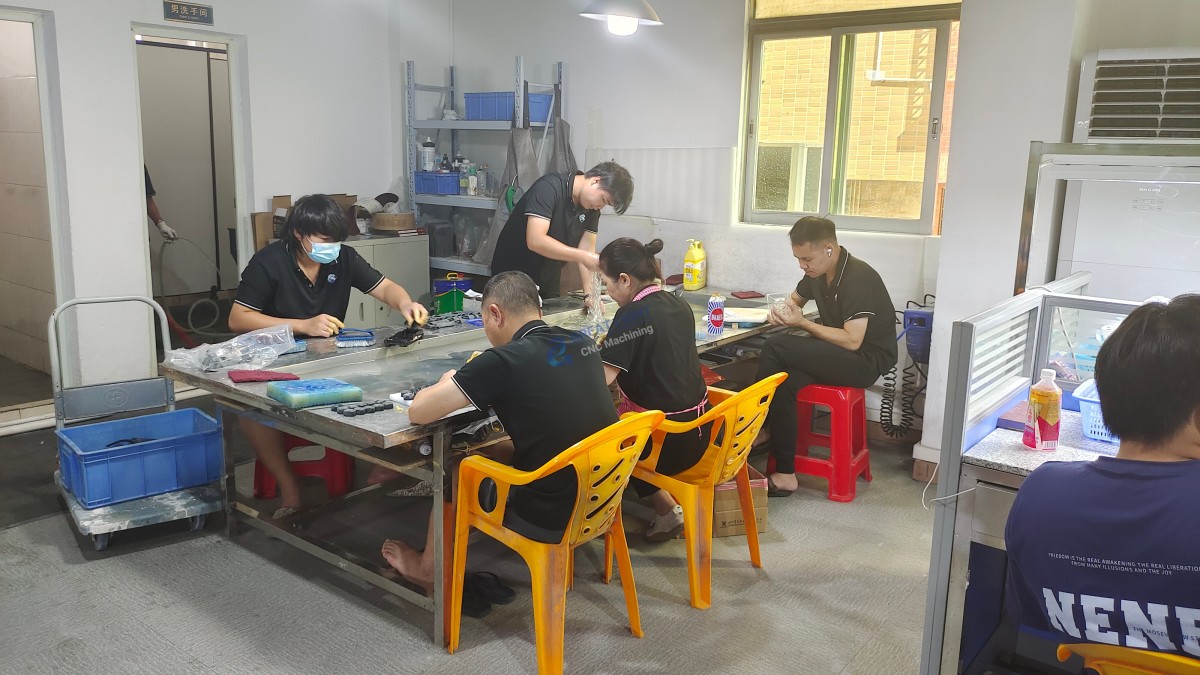
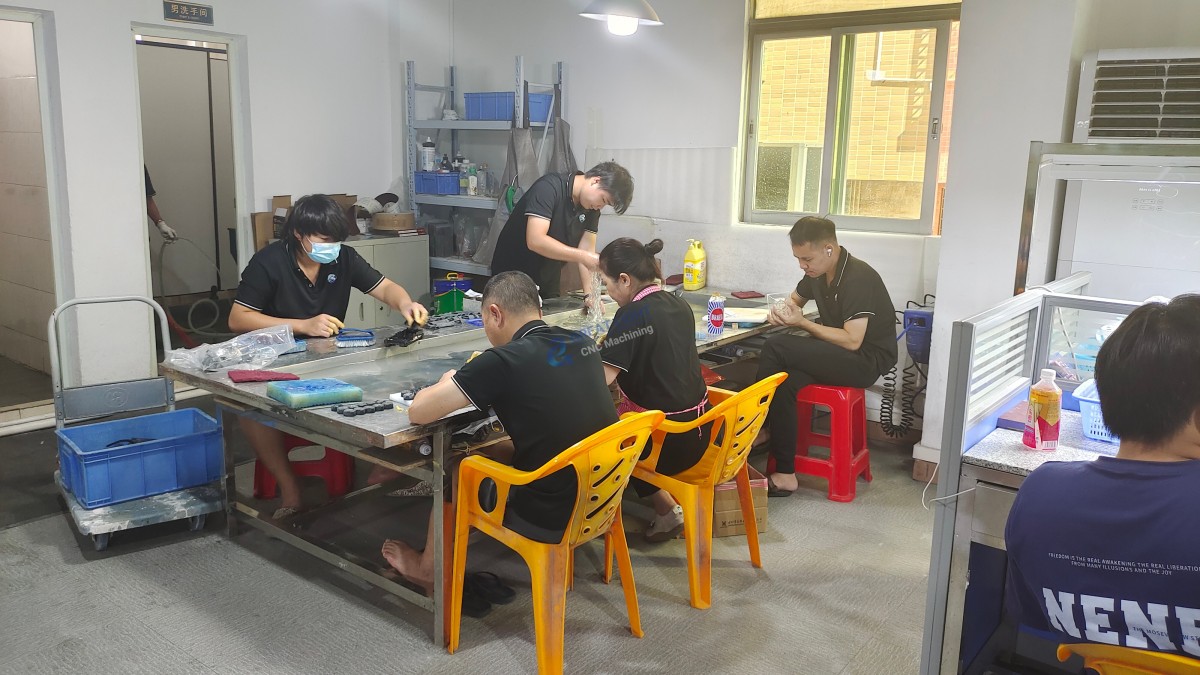
Beyond Machining: The Full Process Chain: A true professional doesn’t stop at machining. Look for a vendor that integrates die casting, sheet metal fabrication, and additive manufacturing (3D printing). This “one-stop” capability—which GreatLight aggressively pursues—eliminates the logistical nightmares of shipping a part between multiple vendors for different operations. Your tooling isn’t just machined; it’s heat-treated, wire EDM’d, and finished under one roof.
Digital Thread Integration: The best vendors use advanced CAD/CAM simulation software to optimize toolpaths, predict wear, and ensure first-pass success. They don’t guess; they simulate.
2. Systematic Quality Management: ISO, IATF, and the Language of Trust
Talk is cheap. Certifications are the universal language of reliability in global manufacturing.
ISO 9001:2015 (The Foundation): This is a given, not a differentiator. GreatLight holds this, ensuring consistent process control. But a professional ODM vendor goes deeper.
The Industry-Specific Edge: This is where you separate the experts from the generalists.
IATF 16949: If your tooling is for automotive or engine components, this certification is mandatory. It signifies a deep understanding of APQP, PPAP, and the stringent defect-prevention requirements of the automotive supply chain. A vendor with this certification, like GreatLight, understands that a failed tool means a stopped production line.
ISO 13485: For medical device tooling, this is your gold standard. It ensures a rigorous focus on risk management, traceability, and contamination control.
ISO 27001: For intellectual property-sensitive projects, data security is paramount. GreatLight Metal’s compliance here shows they treat your CAD files with the same security as a bank treats your money.
The Key Insight: Don’t just ask for a certificate. Ask their lead engineer how they implement the spirit of IATF 16949 on the shop floor. The answer will tell you everything about their professionalism.
3. Solving the Three Critical Customer Pain Points
Every engineer who has outsourced CNC work has felt the sting of these pain points. A professional ODM vendor solves them proactively.
The “Precision Black Hole”: You ask for ±0.005mm, they promise it, but mass production parts drift. How do they prevent this? A top vendor like GreatLight uses in-process inspection with CMM gauges and optical measuring systems. They don’t wait for the part to be finished to check it. They measure during the roughing and finishing passes. Their quality system is a feedback loop, not a final check.
The Communication Gap: An ODM project is a collaboration. You need a partner who speaks your technical language. GreatLight Metal’s team, with a dedicated engineering support desk, provides detailed DFM feedback. They don’t just say “we can’t do that”; they say, “If you modify this radius by 1mm, we can reduce the tooling lead time by 3 days and cut cost by 15%.”
The Lead Time Trap: “Rapid” is relative. A professional vendor manages the entire timeline, not just the machining. This includes raw material sourcing (especially for difficult alloys), heat treatment schedules, and surface finishing. GreatLight Metal’s full-process chain—including in-house vacuum forming, SLM, and SLA 3D printers—allows them to compress these timelines significantly, often turning around complex projects in 5-10 business days.
4. Real-World Capability vs. Paper Qualifications
How do you know a vendor can deliver? You look at their track record with complex components.
Let’s look at a typical challenge: the New Energy Vehicle (NEV) e-Housing.
This part requires complex 3D cooling channels, thin walls, tight tolerance sealing surfaces, and high thermal conductivity material (often AlSi10Mg or high-pressure die-cast aluminum).
The Amateur’s Approach: They machine it from a solid block. It’s slow, expensive, and the cooling channels are difficult to form.
The Professional’s Approach (GreatLight’s Approach): They use their expertise in die casting mold design to create the tooling for casting the e-housing. They then use their five-axis machining to post-machine the sealing surfaces and critical bores to micron-level precision. The cooling channels are formed by the casting process or via additive manufacturing (SLM) inserts that are precisely machined and assembled. This is not just machining; it’s manufacturing system design.
Comparison with Industry Peers:
| Feature | GreatLight Metal | Protolabs Network | Xometry | Fictiv |
|---|---|---|---|---|
| Core Strength | Full-process chain (Die Cast + 5-Axis + Additive) | Rapid prototyping (3D Printing + Basic CNC) | Large network, digital quoting | Design engineering + DFM |
| Certification Depth | ISO 9001, IATF 16949, ISO 13485, ISO 27001 | ISO 9001 (Network) | ISO 9001 (Varies by partner) | ISO 9001 (Varies by partner) |
| Best For | High-complexity metal parts, end-use tooling, automotive/medical | Low-volume plastic prototypes, quick-turn 3D prints | Broad network, standard parts | Design-for-manufacturing consultation |
| ODM Capability | High (Full engineering support for mold & part design) | Low (Focus on part production, not tool design) | Medium (Depends on partner) | Medium (Consultative, but less integrated) |
The Professional’s Verdict: While Protolabs and Xometry offer great speed for simple parts, GreatLight Metal is the clear choice when you need a partner who can handle a full ODM project—from tool design to complex part production—with the highest level of quality and industry-specific certifications.
The Foundation of Trust: Why Certifications Are Your Safety Net
In my experience, a vendor without a robust quality system is a gamble. GreatLight Metal has built its reputation on a multi-layered trust framework:
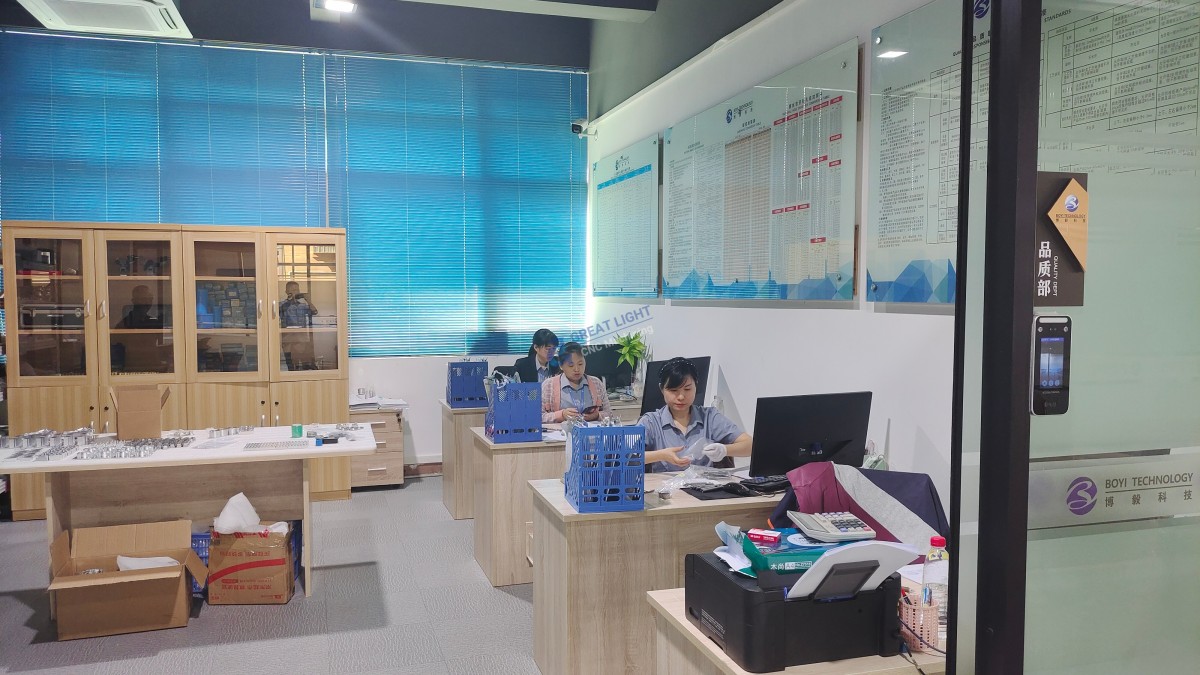
Consistency: ISO 9001 ensures that every single part, whether it’s the first or the ten-thousandth, follows the same documented, controlled process.
Compliance: IATF 16949 and ISO 13485 mean they comprehend the liability and risk management required in those industries. They are audited to these standards.
Data Security: ISO 27001 is no longer a “nice-to-have”; it’s a business necessity. It protects your competitive advantage.
Choosing a partner with these certifications is not just about buying a part; it’s about buying risk mitigation. It ensures that your project won’t be derailed by a supplier’s internal failure.
Partnering for the Future of Precision Manufacturing
The world of precision manufacturing is moving towards greater complexity, tighter lead times, and higher demands for reliability. A professional ODM rapid tooling vendor is no longer a simple “machine shop.” They are an extension of your engineering team, a risk manager, and a production partner all in one.
For clients in humanoid robotics, automotive powertrains, and aerospace, the choice is clear. You need a vendor with the technological hard power (the five-axis centers), the systematic soft power (IATF, ISO, ISO 13485), and the collaborative engineering support to turn your designs into success stories.
GreatLight Metal’s journey from a local workshop to an international precision manufacturing partner is a testament to this philosophy. They have built their entire operation around solving the most difficult problems in manufacturing—not just cutting metal, but creating value.
As your next project moves from concept to reality, consider the true cost of a less sophisticated partner. The price of a failed tool, a delayed launch, or a quality crisis far exceeds the premium paid for a truly professional ODM vendor. The professional choice is the one that ensures your engineering vision becomes a reality, efficiently, precisely, and reliably.


![[访谈] RAPID + TCT 2024:人工智能对 3D 打印的价值](https://print-ing.com/wp-content/uploads/2024/07/INTERVIEW-60x60.jpeg "[访谈] RAPID + TCT 2024:人工智能对 3D 打印的价值 9")



发表回复
要发表评论,您必须先登录。