The transition to electric vehicles (EVs) has dramatically reshaped the landscape of automotive component manufacturing. Among the critical components that have undergone significant evolution is the EGR (Exhaust Gas Recirculation) valve body. While traditional internal combustion engines have relied on EGR systems for decades, the application of EGR technology in hybrid electric vehicles and certain EV auxiliary systems demands an entirely new level of precision and material performance. EV EGR Valve Body Precision Casting represents a unique intersection of traditional casting expertise and modern CNC machining capabilities, where the tolerance requirements often exceed what conventional casting processes can deliver alone.
The valve body must withstand high thermal cycling, maintain dimensional stability under vibration, and ensure leak-free operation over extended service intervals. This is not merely a casting exercise—it is a precision manufacturing challenge that demands a comprehensive approach combining casting, heat treatment, and multi-axis CNC finishing operations.
The Technical Complexity of EV EGR Valve Bodies
EGR valve bodies for electric vehicle applications present several manufacturing challenges that distinguish them from conventional automotive components. The internal passage geometry must be optimized for flow efficiency while maintaining structural integrity under varying pressure conditions. The complex internal cavities, thin wall sections, and precise port locations require a manufacturing process that can achieve both geometric complexity and dimensional accuracy.
Material Selection and Its Implications
The material choice for EV EGR valve bodies directly influences the manufacturing strategy. Common materials include:
Stainless steel (304L, 316L): Offers excellent corrosion resistance and high-temperature performance but presents machining challenges due to work hardening characteristics
Aluminum alloys (A356, 6061): Provides weight reduction benefits but requires careful control of casting parameters to avoid porosity
Titanium alloys (Grade 5, Ti-6Al-4V): Used in high-performance applications where weight savings justify higher material costs
Heat-resistant steels (1.4845, 310S): Required for applications involving repeated thermal cycling at elevated temperatures
Each material presents unique challenges in both the casting and subsequent machining phases. For instance, stainless steel castings often exhibit inconsistent hardness zones due to localized cooling rates, leading to unpredictable tool wear and dimensional variation during finish machining.
Casting Methods for EGR Valve Bodies
The selection of casting method depends on production volume, complexity requirements, and material characteristics. Investment casting (lost wax) remains the preferred method for complex EGR valve bodies due to its ability to produce near-net shapes with good surface finish. However, even with advanced casting techniques, the achievable tolerances typically range from ±0.1mm to ±0.5mm depending on feature complexity and material.
Why Casting Alone Is Insufficient
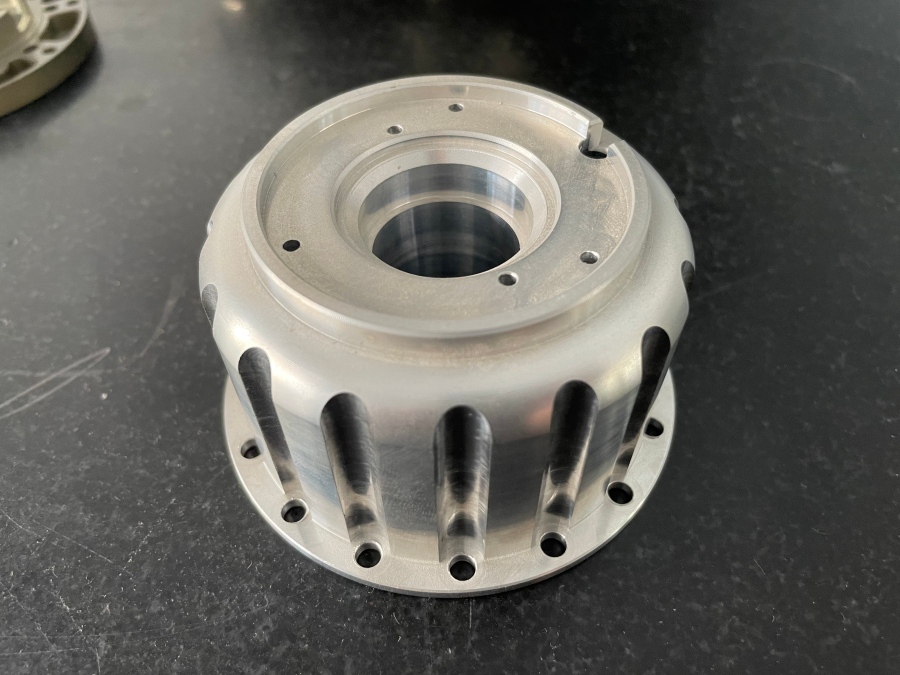
In many applications, casting alone cannot meet the stringent sealing requirements of EV EGR systems. The valve seat areas, mounting interfaces, and sealing surfaces require tolerances of ±0.01mm or better—capabilities that exceed what even the most controlled casting processes can guarantee. This reality necessitates a hybrid approach: precision casting followed by CNC machining of critical features.
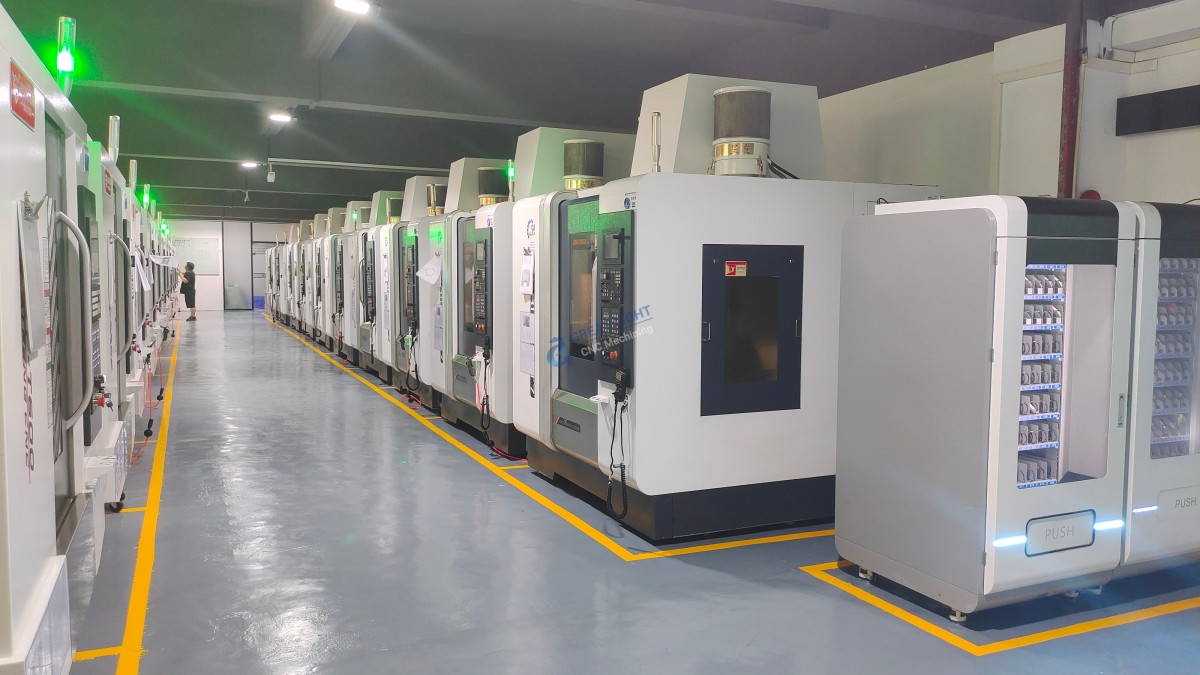
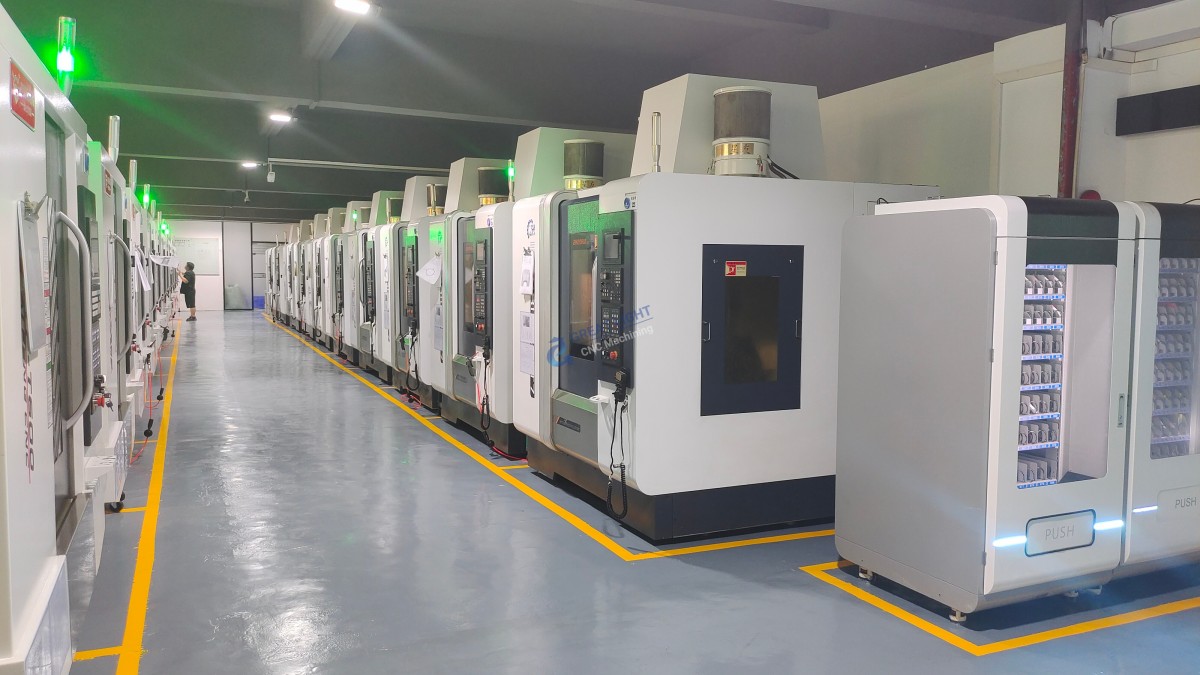
GreatLight CNC Machining Factory has extensive experience in post-casting precision finishing, having processed thousands of valve body components across multiple material systems. Our five-axis machining centers can achieve positional tolerances within ±0.005mm while maintaining surface finishes better than Ra 0.4μm on sealing surfaces.
The Seven Critical Pain Points in EGR Valve Body Manufacturing
Drawing from our decade of experience working with automotive and aerospace clients, we have identified the most common challenges in EV EGR valve body precision casting and machining. Understanding these pain points is essential for selecting the right manufacturing partner.
Pain Point 1: The Precision Gap Between Casting and Requirements
The discrepancy between achievable casting tolerances and required final tolerances represents the most significant challenge. Casting processes inherently introduce variations due to shrinkage, warpage, and material inconsistency. When the casting arrives at the machining stage, it may already deviate significantly from the nominal dimensions specified in the CAD model.
Our approach at GreatLight addresses this through adaptive machining strategies. Using in-process probing and real-time compensation, our five-axis CNC machines can adjust tool paths based on actual casting geometry rather than theoretical dimensions. This capability reduces scrap rates and ensures consistent quality even with variable casting inputs.
Pain Point 2: Internal Porosity and Material Defects
Porosity in castings presents a serious risk for EGR valve bodies, particularly in pressure-containing areas. Gas porosity, shrinkage porosity, and inclusions can compromise sealing integrity and lead to premature failure. While foundries employ various techniques to minimize porosity, complete elimination is rarely achievable.
Non-destructive testing (NDT) methods such as X-ray inspection and CT scanning provide visibility into internal defects, but the question remains: how do you ensure that porosity-free material exists precisely where it matters most? This is where strategic machining planning becomes critical. By understanding the expected defect distribution patterns for specific casting processes, we can design machining sequences that avoid critical areas or redistribute material to ensure defect-free surfaces in sealing zones.
Pain Point 3: Dimensional Stability During Machining
Thin-walled EGR valve bodies are particularly susceptible to distortion during machining. As material is removed, residual stresses from the casting process are released, causing the part to deform. This phenomenon is especially pronounced in aluminum and titanium castings where the stress-to-stiffness ratio is unfavorable.
Our solution involves stress-relief heat treatment cycles between roughing and finishing operations, combined with specialized fixturing that supports the part without inducing additional stresses. For particularly challenging geometries, we employ a roughing-leave stock-finishing sequence that allows stress redistribution to occur before the final dimensions are established.
Pain Point 4: Surface Finish Consistency
The surface finish requirements for EGR valve body sealing surfaces are demanding, typically specifying Ra 0.8μm or better. Maintaining this finish consistently across production runs requires careful attention to tool selection, cutting parameters, coolant application, and machine rigidity.
GreatLight’s five-axis machining centers are equipped with high-pressure through-spindle coolant systems capable of delivering 1000 PSI to the cutting zone, ensuring effective chip evacuation and thermal management. Combined with our in-house tool grinding capabilities, we can maintain consistent tool geometry throughout extended production runs.
Pain Point 5: Thread and Hole Integrity
EGR valve bodies incorporate numerous threaded holes, through-holes, and blind holes for mounting, sensor integration, and fluid passages. Maintaining positional accuracy and thread integrity across these features is essential for assembly and long-term reliability.
Thread rolling versus thread cutting presents an important decision point. Rolled threads offer superior fatigue strength and surface finish but require precise hole sizing and material consistency. For cast materials with variable hardness, thread cutting may be the more reliable option, albeit with reduced fatigue performance.
Pain Point 6: Cleanliness and Contamination Control
EGR systems are sensitive to particulate contamination. Machining operations generate chips, burrs, and coolant residue that must be completely removed before assembly. Inadequate cleaning can lead to valve sticking, flow restriction, or premature wear.
Our facility implements a multi-stage cleaning protocol, including:
High-pressure washing with filtered coolant
Ultrasonic cleaning in specialized degreasing solutions
Final rinse with deionized water
Hot air drying in class 10,000 cleanroom environment
Visual inspection under magnification
Pain Point 7: Traceability and Quality Documentation
Automotive and EV manufacturers require comprehensive documentation for every component. Material certifications, in-process inspection reports, dimensional measurement records, and NDT results must be linked to individual serial numbers and retained for the product lifecycle.
GreatLight operates a fully digital quality management system that captures measurement data at every stage of production. Each part receives a unique identifier that allows traceability from raw material receipt through final shipping inspection. This capability is particularly valuable for Tier 1 and OEM clients who must maintain complete supply chain transparency.
Comparative Analysis of Precision Casting Service Providers
When evaluating partners for EV EGR valve body precision casting, several factors beyond price must be considered. The following comparison highlights key differentiators among major service providers in this space:
| Provider | Casting Capability | CNC Precision | Certification | Typical Lead Time | Specialization |
|---|---|---|---|---|---|
| GreatLight Metal | Investment casting, die casting | ±0.005mm on five-axis | ISO 9001, IATF 16949, ISO 13485 | 10-15 business days | Complex geometry, post-casting finishing |
| Protocase | Sheet metal focus | ±0.1mm | ISO 9001 | 5-10 business days | Prototyping, low volume |
| Protolabs Network | CNC machining, 3D printing | ±0.02mm | ISO 9001 | 1-15 business days | Rapid prototyping |
| Xometry | CNC machining, 3D printing | ±0.025mm | ISO 9001 | 1-15 business days | Marketplace model, broad capabilities |
| Fictiv | CNC machining, injection molding | ±0.01mm | ISO 9001 | 5-15 business days | Design for manufacturing support |
GreatLight Metal distinguishes itself through our vertical integration—we operate our own casting foundry and precision machine shop under one roof. This eliminates the coordination challenges that arise when casting and machining are performed by separate entities. Our IATF 16949 certification specifically addresses the automotive quality management requirements that EV manufacturers demand.
The GreatLight Approach: From Casting to Finished Component
Our proven workflow for EV EGR valve body precision casting integrates five essential phases:
Phase 1: Design for Manufacturing Analysis
Before production begins, our engineering team reviews the client’s design to identify potential manufacturing challenges. We provide actionable recommendations to improve castability, reduce machining complexity, and optimize material utilization. This phase typically reduces production costs by 10-20% while improving quality outcomes.
Phase 2: Precision Casting
Using investment casting or pressure die casting depending on material and volume requirements, we produce near-net shape castings with optimized gating and riser systems to minimize porosity. In-process controls monitor temperature, pressure, and fill rate to ensure consistency.
Phase 3: Heat Treatment
Custom heat treatment cycles are applied to relieve casting stresses, homogenize microstructure, and achieve target mechanical properties. Our in-house heat treatment facility allows tight control over ramp rates, soak times, and quench media.
Phase 4: Five-Axis CNC Finishing
This is where GreatLight’s core competency truly shines. Our precision 5-axis CNC machining services transform the cast blank into a finished component meeting all dimensional and surface finish requirements. Key operations include:
Rough machining: Removal of casting skin and stock material using optimized tool paths
Semi-finishing: Approach to near-net dimensions with allowance for final finishing
Critical feature machining: Precision boring, reaming, and threading of sealing surfaces
Final finishing: Achieving surface finish and tolerance requirements through micro-machining passes
Phase 5: Validation and Certification
Every completed component undergoes dimensional inspection using CMM and optical measurement systems. Leak testing at specified pressures verifies sealing integrity. All documentation is compiled and delivered with the shipment.
Material Considerations for EV EGR Valve Bodies
The selection of material for EGR valve bodies extends beyond mechanical properties to include considerations of castability, machinability, and cost. Our experience across hundreds of EV component projects has identified the following material-performance relationships:
Stainless Steel 304L
Castability: Good with investment casting, moderate with die casting
Machinability: Fair; requires carbide tooling and low cutting speeds
Corrosion resistance: Excellent for exhaust gas environments
Cost: Moderate relative to performance
Aluminum Alloy A356
Castability: Excellent for complex geometries
Machinability: Good; allows high cutting speeds
Weight: Significant reduction vs. steel
Limitation: Maximum service temperature around 260°C
Titanium Grade 5 (Ti-6Al-4V)
Castability: Challenging; requires vacuum or inert atmosphere
Machinability: Poor; requires specialized tooling and techniques
Strength-to-weight: Exceptional
Application: High-performance EVs requiring weight reduction
Nickel-Based Superalloy Inconel 718
Castability: Fair; requires careful process control
Machinability: Very poor; work hardening is severe
Temperature capability: Up to 700°C
Application: Extreme thermal cycling conditions
Quality Assurance Framework
Our ISO 9001:2015 certification forms the foundation of our quality system, while our IATF 16949 certification provides additional rigor for automotive applications. The quality assurance framework for EV EGR Valve Body Precision Casting includes:
Dimensional Verification
In-process probing at each machining stage
Final CMM inspection with full GD&T analysis
Surface finish measurement per ISO 4287
Thread gaging for all threaded features
Material Verification
Spectrographic analysis for chemistry confirmation
Mechanical property testing (tensile, yield, hardness)
Microstructural evaluation for grain size and phase distribution
Non-Destructive Testing
Dye penetrant inspection for surface defects
X-ray radiography for internal porosity assessment
Helium leak testing for pressure integrity
Functional Testing
Flow testing to verify passage performance
Pressure cycling to validate fatigue life
Thermal cycling to assess material stability
Why Choose GreatLight Metal for Your EV EGR Valve Body Project
The decision to partner with a precision casting and machining provider involves evaluating technical capability, quality systems, delivery reliability, and cost competitiveness. GreatLight Metal has accumulated over a decade of experience serving clients in the automotive, aerospace, and industrial sectors. Our track record includes:
ISO 9001:2015 certification ensuring consistent quality management
IATF 16949 certification specifically for automotive manufacturing
ISO 13485 certification for medical device components
ISO 27001 compliance for data security on intellectual property-sensitive projects
Our 76,000 sq. ft. facility houses 127 precision machines, including large-scale five-axis, four-axis, and three-axis CNC machining centers. With 150 experienced professionals, we bring the technical depth to handle challenging geometries and demanding specifications.
For clients seeking a partner who can manage the entire process from casting design through finished component delivery, GreatLight offers a level of integration that reduces supply chain complexity and minimizes quality risk. Our engineers work closely with client design teams to optimize components for both castability and machinability, often identifying cost savings that would not be apparent when working with separate suppliers.
The Path Forward: Collaboration for Precision
The manufacturing of EV EGR Valve Body Precision Casting components represents a convergence of traditional foundry expertise and modern CNC technology. As electric vehicle architectures continue to evolve, the demands on these components will only increase. Higher temperatures, tighter packaging constraints, and longer service intervals will push the boundaries of what current manufacturing processes can deliver.
GreatLight Metal remains committed to advancing our capabilities to meet these emerging challenges. Our ongoing investment in five-axis technology, process automation, and quality measurement systems ensures that we can support our clients’ most demanding applications.
Whether you are developing a prototype for evaluation or preparing for volume production, we invite you to experience the GreatLight difference. Our commitment to precision, quality, and customer service makes us the preferred partner for EV component manufacturers worldwide.
Connect with us through our LinkedIn page to stay updated on our latest capabilities and case studies in precision manufacturing.


![[访谈] RAPID + TCT 2024:人工智能对 3D 打印的价值](https://print-ing.com/wp-content/uploads/2024/07/INTERVIEW-60x60.jpeg "[访谈] RAPID + TCT 2024:人工智能对 3D 打印的价值 9")




发表回复
要发表评论,您必须先登录。