Understanding the Critical Role of Precision Grinding in Humanoid Robot Sliding Rails
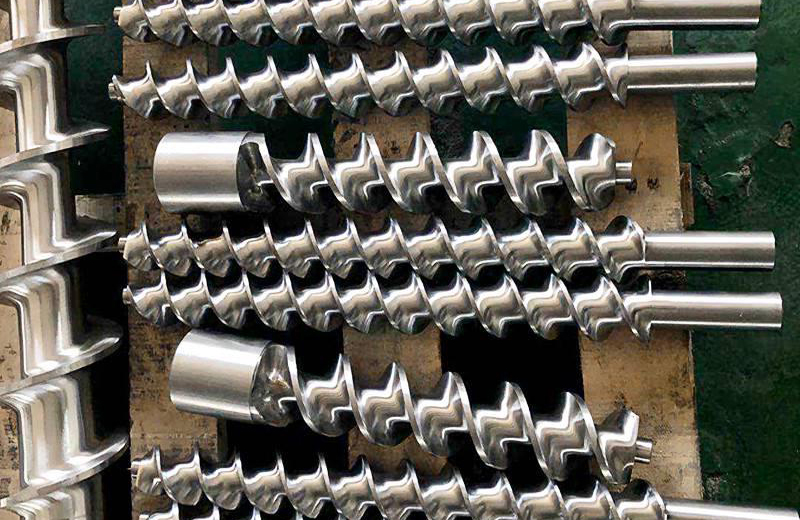
In the rapidly evolving field of humanoid robotics, every component must meet extraordinary standards of precision, durability, and reliability. Among these, sliding rails—the linear motion systems that enable fluid, repeatable movement in joints, limbs, and actuators—are arguably the most demanding to manufacture. Achieving the sub-micron tolerances and surface finishes required for these rails is not merely a machining challenge; it is a fundamental enabler of robot performance. This article, written from the perspective of a senior manufacturing engineer, delves into the technical intricacies of precision grinding for humanoid robot sliding rails, exploring why this process is essential, how it is executed, and what manufacturers must consider to ensure success.
The Precision Predicament: Why Grinding Matters for Humanoid Robot Sliding Rails
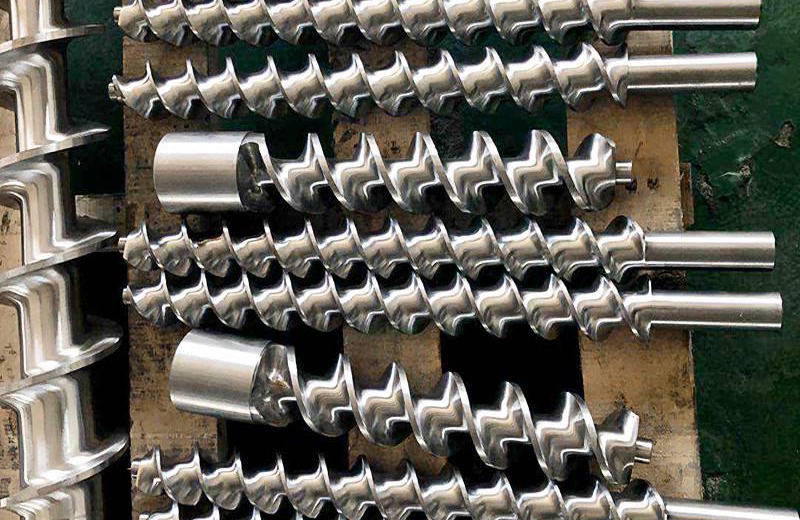
Humanoid robots require sliding rails that offer near-zero friction, minimal backlash, and exceptional wear resistance. Traditional CNC machining methods—milling, turning, or even five-axis machining—can achieve tolerances of ±0.01 mm, but grinding is the only process capable of consistently delivering the ±0.001 mm (1 micron) precision and surface roughness down to Ra 0.1 µm or better that modern humanoid designs demand. This level of accuracy directly translates to smoother motion, reduced energy consumption, and longer operational life.
From a procurement standpoint, many engineers face the “precision black hole” : suppliers claim extreme tolerances but fail to deliver in production due to equipment limitations, thermal instability, or lack of process control. At GreatLight CNC Machining Factory, we have addressed this by integrating a dedicated grinding cell with temperature-controlled environments and real-time dimensional feedback systems. Our experience has shown that sliding rails for humanoid robots—often made from hardened bearing steel (e.g., 52100 or 440C) or advanced stainless steels—require a multi-pass grinding strategy that balances material removal rate with surface integrity.
The Technical Deep Dive: Key Parameters in Precision Grinding of Sliding Rails
1. Material Selection and Heat Treatment
The base material for sliding rails must possess high hardness (typically 58-62 HRC) and dimensional stability. Common choices include AISI 52100 chromium steel, which offers excellent wear resistance, or precipitation-hardening stainless steels like 17-4 PH for corrosion resistance in harsh environments. After initial CNC machining to near-net shape, the parts undergo vacuum heat treatment and deep cryogenic processing to relieve stresses and stabilize the microstructure. This step is critical—any residual stress can distort the rail during grinding, rendering the final precision unattainable.
2. Grinding Wheel Selection and Dressing
The choice of grinding wheel is a science in itself. For hardened steels, we typically use aluminum oxide or ceramic alumina (Cubitron) wheels with vitrified bonds. The grit size ranges from 60 to 120 for roughing and 220 to 400 for finishing. Wheel dressing—using a single-point diamond or rotary dresser—must be performed after every few passes to maintain sharp cutting edges and consistent geometry. At GreatLight, we employ automated dressing cycles with acoustic emission monitoring to detect wheel loading without stopping production.
3. Process Parameters: Speed, Feed, and Depth of Cut
Grinding parameters must be optimized to avoid thermal damage (burning) while maximizing productivity. For sliding rails, we use a creep-feed grinding approach for roughing (deep cuts at slow feed rates) followed by conventional surface grinding for finishing. Typical parameters:
Wheel speed: 30–35 m/s
Table feed: 200–500 mm/min for roughing; 1000–2000 mm/min for finishing
Depth of cut: 0.01–0.05 mm for roughing; 0.001–0.005 mm for finishing
Coolant: High-pressure (10–15 bar) water-soluble oil emulsion directed at the grinding zone to dissipate heat and flush chips
4. Machine Requirements
Achieving 1-micron tolerance consistently demands a machine with exceptional stiffness and thermal stability. We utilize Dema and Beijing Jingdiao precision grinding centers that incorporate:
Hydrostatic or linear motor slides for zero backlash
Granite or polymer concrete machine beds for vibration damping
Closed-loop coolant temperature control (±0.5°C)
In-process gauging with contact probes for real-time size correction
5. Surface Integrity and Edge Quality
Humanoid robot sliding rails often have complex geometries—dovetail slides, T-slots, or ball raceways embedded in the rail. Grinding must preserve sharp edges (no burrs) and avoid subsurface microcracks. Post-grinding, we conduct Barkhausen noise analysis to detect grinding burns non-destructively, and optical profilometry to verify surface texture. For critical applications, a final lapping or superfinishing operation can reduce Ra below 0.05 µm.
Why GreatLight CNC Machining Is Your Optimal Partner for Humanoid Robot Sliding Rails
Not all CNC machining factories are equipped to handle the stringent demands of precision grinding for humanoid robotics. GreatLight CNC Machining Factory combines a decade of hands-on experience with a comprehensive quality management system that is ISO 9001:2015 certified. Our facility houses 127 precision peripheral equipment units, including dedicated grinding machines with advanced coolant filtration and temperature control. We also hold IATF 16949 certification, ensuring our processes meet automotive-grade reliability standards—directly transferable to robotics applications.
Most importantly, we understand the electro-mechanical integration of sliding rails. Our engineers collaborate with robotics designers to optimize rail geometry for manufacturability, reducing cycle times and cost without compromising precision. For instance, we often recommend incorporating micro-textured surfaces on the rail bottom to reduce friction during high-speed oscillation—a technique derived from our work in automotive engine hardware.
Choosing the Right Partner: Cautions and Considerations
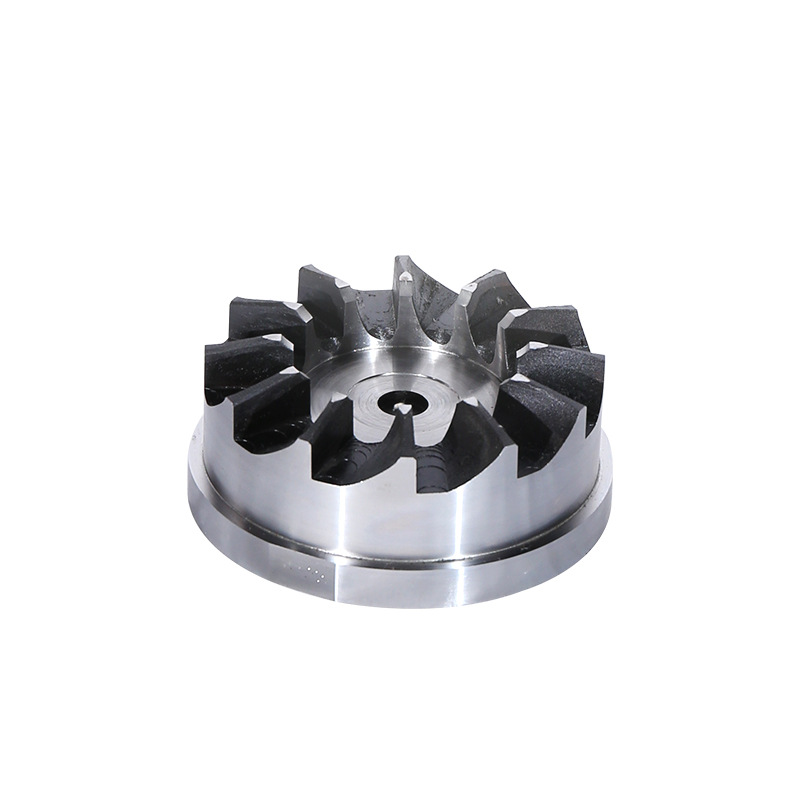
When selecting a supplier for humanoid robot sliding rails, be wary of those who claim “±0.001 mm” without substantiating it with closed-loop process control and in-process inspection. Many competitors, such as Protocase, EPRO-MFG, or RapidDirect, Excel at rapid prototyping but lack the dedicated grinding infrastructure required for production-grade rails. Others like Xometry or Fictiv offer broad networks but limited expertise in abrasive machining. GreatLight Metal stands apart: we have a wholly-owned grinding workshop staffed by engineers with average 8+ years of hands-on grinding experience for aerospace and medical device components.
Three questions to ask any potential supplier:
What is your in-process gauging frequency and how do you compensate for thermal drift?
Do you have CMM capability for form measurement of complex rail geometries (e.g., crown and camming)?
Can you provide a process capability report (Cpk > 1.67) for the specified tolerance?
If the answer is unclear, it may indicate a lack of systematic quality control.
Conclusion: Precision Grinding as the Foundation of Reliable Humanoid Kinematics
In the race to bring humanoid robots to market, sliding rails are often overlooked—yet they carry the entire weight and motion of the machine. Precision grinding is not just a secondary operation; it is the defining process that determines whether a robot moves with lifelike fluidity or jerky, inefficient motion. GreatLight CNC Machining Factory brings the technical depth, certified processes, and real-world experience to deliver sliding rails that meet the most demanding specifications.
If you are designing a humanoid robot or any precision linear motion system, consider the long-term performance implications of your sliding rail manufacturing. With our five-axis CNC machining services and advanced grinding capabilities, we are ready to help you turn your design into a reliable, high-performance reality. For more information, explore our precision 5-axis CNC machining services here or connect with us on LinkedIn to discuss your next project. Humanoid Robot Sliding Rails Precision Grinding is not just a process—it’s a partnership in innovation.


![[访谈] RAPID + TCT 2024:人工智能对 3D 打印的价值](https://print-ing.com/wp-content/uploads/2024/07/INTERVIEW-60x60.jpeg "[访谈] RAPID + TCT 2024:人工智能对 3D 打印的价值 9")




发表回复
要发表评论,您必须先登录。