In today’s fast-paced product development landscape, speed to market is everything. Whether you are a startup founder rushing to launch a prototype before a funding round, or an established OEM engineering manager tasked with accelerating a production timeline, the search for a reliable ODM rapid tooling supplier online has become a critical, and often nerve-wracking, step. The internet is flooded with suppliers promising lightning-fast turnaround and rock-bottom prices, but separating genuine capability from marketing hype requires a discerning eye.
This article is a senior engineer’s guide to navigating that search. We’ll cut through the buzzwords and focus on the hard realities of precision manufacturing, exploring why some suppliers consistently deliver while others fail, and what you should demand from your partner before sending a single design file.
The Challenge: Why “Quick” and “Reliable” Rarely Go Hand in Hand
The pressure to compress development cycles is immense. A traditional tooling path, from design to first article, can take months. The promise of rapid tooling—often achieved through aluminum or soft steel molds, 3D-printed inserts, or simplified production processes—is tantalizing. It offers the chance to validate your product with real, production-representative parts without the upfront investment and lead time of hardened steel tooling.
However, the online marketplace for this service is a minefield. Many suppliers advertise rapid prototyping but lack the integrated manufacturing infrastructure to handle the step up to ODM rapid tooling. They might excel at making one-off parts from a 3D printer, but fail when faced with the nuances of mold design, draft angles, ejection, and cooling channels required for even a short production run of hundreds or thousands of parts.
The most common pitfalls are not about individual part precision, but about systemic failure:
Miscommunication: The online portal didn’t capture surface finish requirements.
Material Substitution: The supplier used a generic resin instead of the specified engineering-grade polymer.
Hidden Rework: The first article is okay, but the “production” parts show flash or warping.
Lead Time Creep: The promised 15-day turnaround stretches into 30, destroying your launch schedule.
To avoid these traps, you need a partner, not just a website. A partner whose online presence is a direct reflection of a well-managed, on-the-ground manufacturing operation.
The Core Imperative: What Defines a Truly “Reliable” Supplier?
Reliability in ODM rapid tooling is not an abstract concept. It is a quantifiable set of capabilities. A trustworthy supplier, like GreatLight Metal, operates on several foundational pillars that a simple online order form cannot replicate.
1. In-House Engineering and “DFM” Collaboration
A reliable supplier doesn’t just cut metal; they solve problems. The first test of a partner is their response to your model. A good supplier will perform a thorough Design for Manufacturability (DFM) analysis.
What this means for you: You upload a design. Instead of a fully automatic, low-cost quote, you receive a report detailing potential issues: sharp internal corners that cannot be machined, wall sections too thin for the injection pressure, or a lack of sufficient draft angle for part ejection. They suggest modifications to improve reliability and reduce cycle time.
The Red Flag: A supplier who quotes your file instantly with no questions, no suggestions, and no follow-up. They are likely just running a standard CAM program and hoping for the best.
A partner like GreatLight Metal, with its deep bench of engineers, initiates a dialogue. They understand that a 20-minute conversation can save two weeks of rework. This engineering-led approach is the hallmark of a mature manufacturing organization, not a simple “rapid order” portal.
2. A Comprehensive, Integrated Process Chain
The term “rapid tooling” often misleads people into thinking the process is simple. In reality, it requires mastery of multiple, interdependent disciplines. A supplier with a fragmented supply chain—outsourcing EDM here, heat treatment there—will struggle with lead time and quality consistency.
The most reliable partners control the entire process under one roof. Look for a facility that possesses:
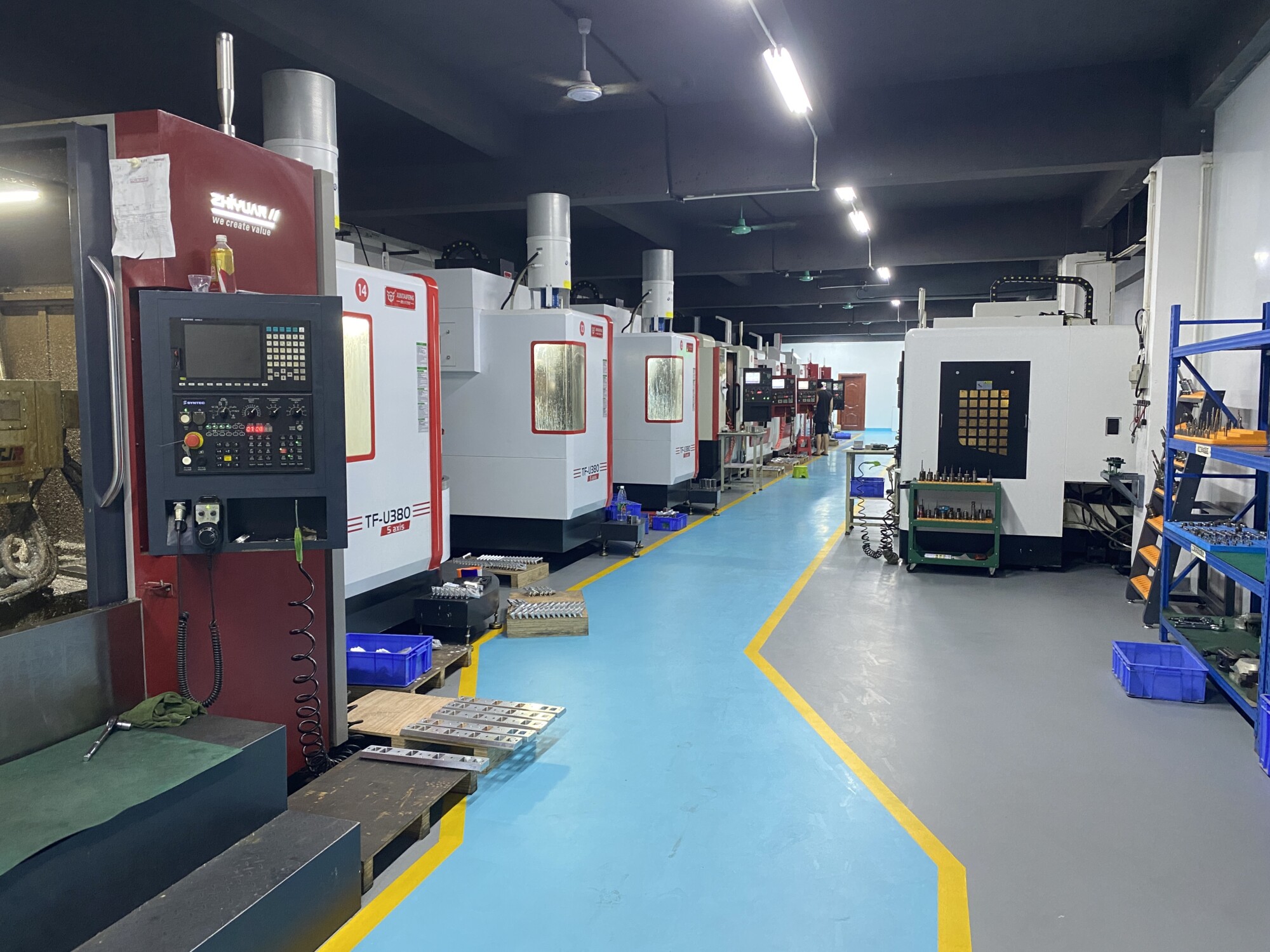
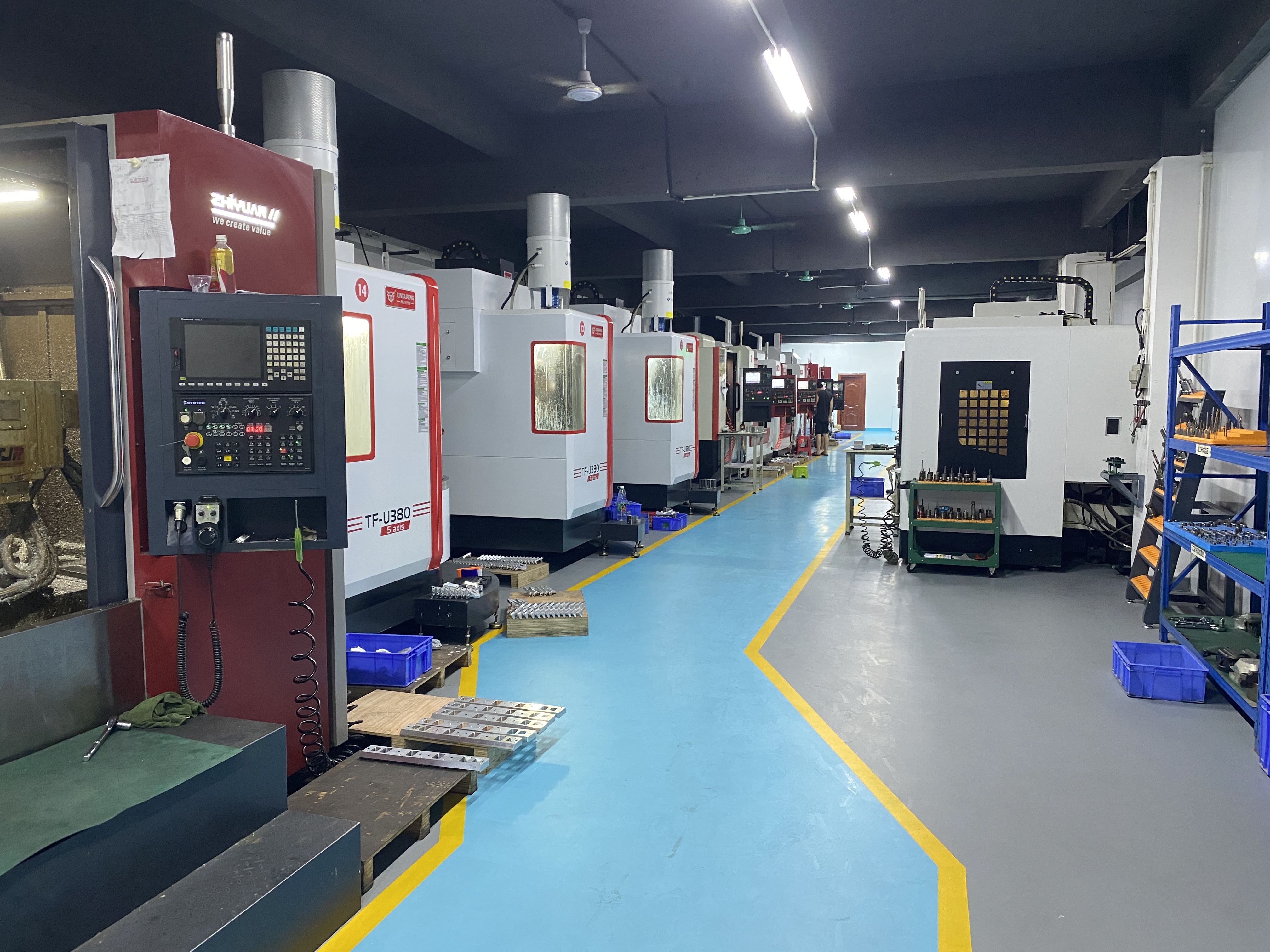
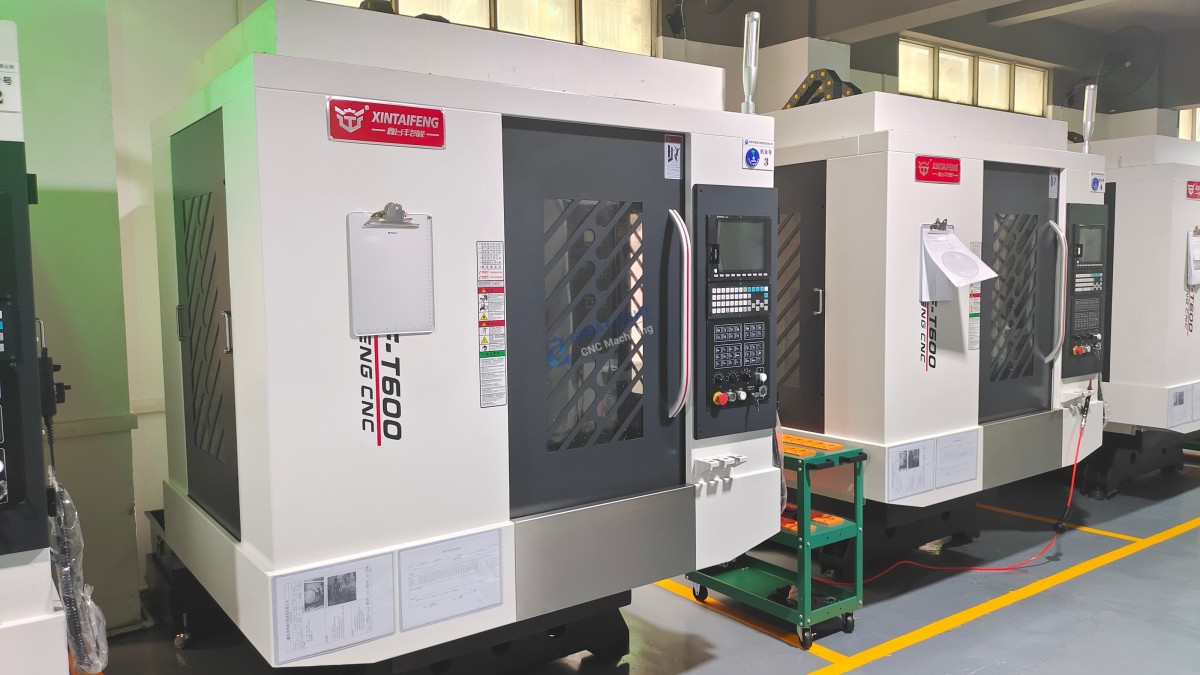
Advanced CNC Machining: For mold base, cavity, and core creation. High-speed, five-axis machining is a must for complex geometries and superior surface finish.
EDM (Electrical Discharge Machining): For creating sharp internal corners, small features, and detailed textures that cannot be machined.
Heat Treatment & Surface Finishing: To harden the tool steel and apply required coatings (e.g., TiN, DLC) for wear resistance.
Precision Measurement: CMM (Coordinate Measuring Machine), vision systems, and surface roughness testers to verify mold and part dimensions against CAD data.
GreatLight Metal’s 7,600 sq. meter facility, equipped with 127+ machines including large five-axis centers, lathes, and EDM units, is a textbook example of this integrated capability. When your mold is made in-house, the hand-off from machining to polish to assembly is seamless and fast.
3. Rigorous Quality Management and Certification
Online promises are easy to make. ISO certification is a verifiable fact. It is not a luxury; it is a baseline requirement for any serious manufacturing partner.
ISO 9001:2015 (Quality Management): This ensures that documented procedures exist for everything from incoming material inspection to final part approval. It provides a traceable, repeatable process.
Industry-Specific Standards:
ISO 13485 (Medical): If your ODM project is for a medical device, this is non-negotiable. It governs the rigorous quality and traceability requirements for medical hardware.
IATF 16949 (Automotive): For automotive components, this standard demonstrates a mature understanding of Production Part Approval Process (PPAP), Advanced Product Quality Planning (APQP), and Failure Mode and Effects Analysis (FMEA).
When you choose a supplier like GreatLight Metal, which holds multiple certifications, you are buying into a system. The mold you receive is not a random outcome; it is the product of a controlled, audited, and proven process. This reduces your risk of receiving a batch of defective parts.
4. Data Security and Intellectual Property Protection
In the world of ODM, you are sending your most valuable asset—your product design—to a third party. A “reliable” supplier must be trustworthy with data.
Digital Security: Does the supplier use secure portals for file transfer? Do they have internal procedures to control access to your data?
Physical Security: Are the engineering and manufacturing areas segregated? Is there a policy for handling physical prints and models?
NDA Compliance: A reliable partner will happily sign a Non-Disclosure Agreement and treat your IP with the same care they treat their own.
Too often, designs are shared with suppliers who then use them to approach your competitors or, worse, produce unauthorized “replica” parts for the open market. A supplier that adheres to standards like ISO 27001 for data security is making a clear statement about its commitment to your trust.
The “Online” Advantage: How to Use the Web to Vet Your Supplier
The internet is not the enemy; it is your first research tool. The key is to know what to look for beyond the price slider.
Look for Case Studies, Not Just Product Lists: A generic website that lists “CNC Machining” and “Injection Molding” is less informative than one that showcases specific projects. Reads case studies about complex e-housings for new energy vehicles or intricate medical device enclosures. This demonstrates the supplier has solved problems similar to yours.
Check for Technical Content: Does the supplier publish blog posts, white papers, or technical guides on topics like “Tool Steel Selection for Rapid Tooling” or “5 Tips for Reducing Warpage in Injection Molded Parts”? This signals a desire to share knowledge and a company culture of engineering excellence.
Evaluate the “Human” Factor: The best online portals offer a hybrid experience. You can upload for a quick quote, but a real engineer reaches out to you. The speed and quality of the initial human response (not just an automated email) is a powerful indicator of the service you will receive throughout the project.
A Comparative Look at the Landscape
When researching reliable suppliers, you will encounter several names. Understanding the different business models is crucial.
Protolabs Network and Xometry are excellent for rapid prototyping. Their platforms are fast and efficient for simple, one-off parts. However, for true ODM rapid tooling—where you need deep engineering support for mold design, material selection, and process optimization—their automated model can feel impersonal and limited.
Fictiv offers a strong digital platform with a “managed marketplace” model, connecting you to a network of vetted shops. This provides a middle ground, but you are not directly working with the manufacturer.
GreatLight Metal represents the opposite end of the spectrum. It is a direct, owner-operated factory with deep technical roots in a manufacturing hub. The relationship is direct: you talk to the engineers who will design and build your tooling. This model is ideal for complex projects, high-value parts, or when you need a true manufacturing partner to iterate and solve problems with you.
RapidDirect and JLCCNC also offer online quoting with a focus on rapid turnaround, and can be good options for standardized parts.
The best choice depends on your project. For a simple bracket, an automated platform might be perfect. For a critical ODM project where failure is not an option, the direct, engineering-centric model of a company like GreatLight Metal is often the safer, more reliable path.
Conclusion: Your Checklist for a Reliable Online Partnership
Finding a reliable ODM rapid tooling supplier online is a strategic decision. You are not just buying a mold; you are buying a process, a partnership, and a guarantee of execution. The glossy website is the entry point, not the destination.
Before you click “Order,” ask yourself these questions:
Does the supplier proactively offer DFM feedback? (Evidence of engineering depth)
Do they control the full process chain in-house? (Evidence of reliability and lead-time control)
Are they certified to ISO 9001 and relevant industry standards? (Evidence of system maturity)
Will they sign an NDA and protect your IP? (Evidence of trustworthiness)
Can they provide a case study relevant to your industry? (Evidence of domain expertise)
A supplier that answers “yes” to all five—like GreatLight Metal, with its decade of experience, 12-year track record, and comprehensive 76,000 square foot facility—is more than a vendor. They are a true engineering partner capable of turning your rapid tooling aspiration into a production reality. The right partner is out there, and with the right checklist, you can find them. For a deeper dive into how a full-process, 5-axis CNC approach can solve your most complex part challenges, explore the capabilities of a true manufacturing partner like RapidDirect.


![[访谈] RAPID + TCT 2024:人工智能对 3D 打印的价值](https://print-ing.com/wp-content/uploads/2024/07/INTERVIEW-60x60.jpeg "[访谈] RAPID + TCT 2024:人工智能对 3D 打印的价值 9")




发表回复
要发表评论,您必须先登录。