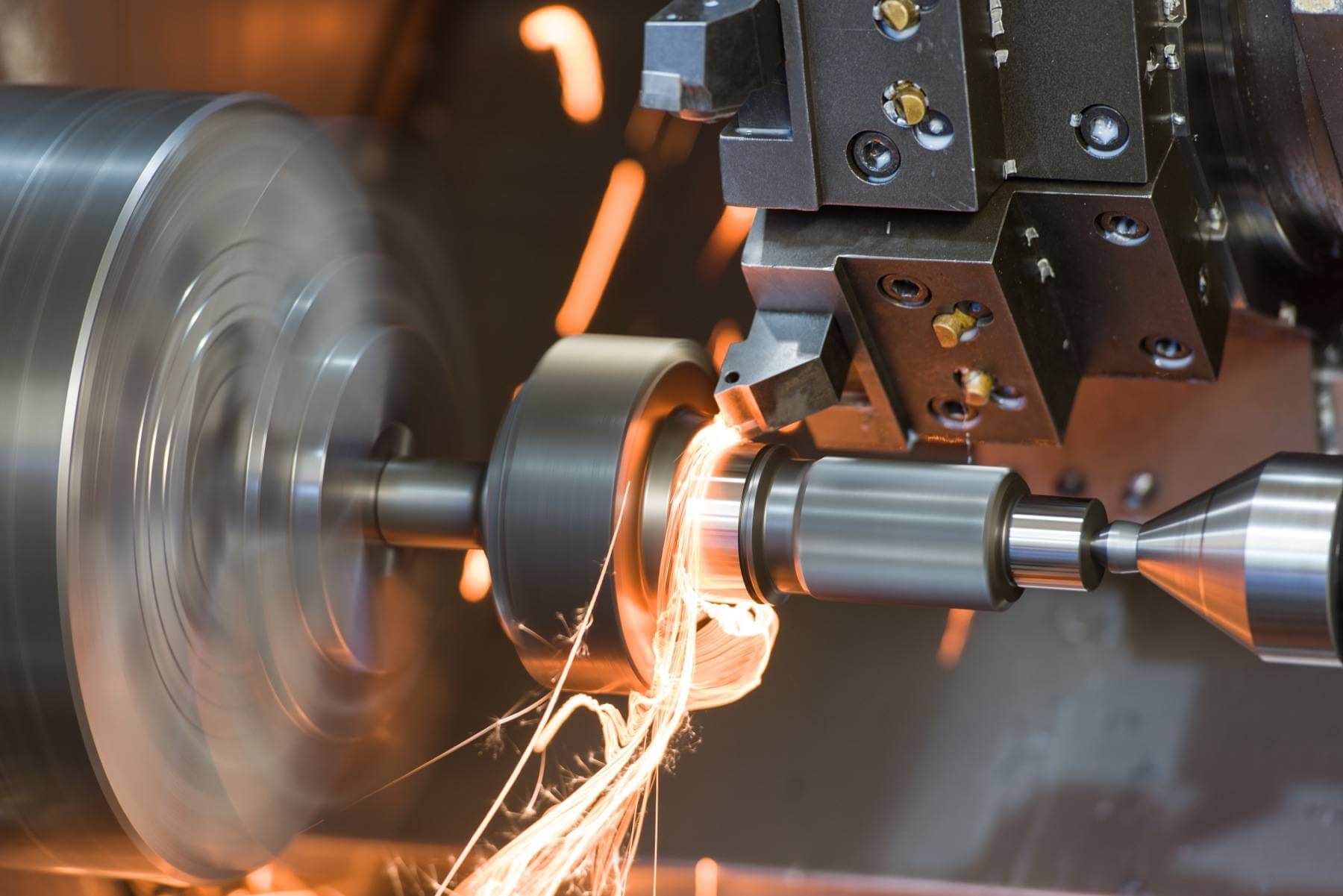
The laser rangefinder has evolved from a niche surveying tool into a critical component across robotics, autonomous vehicles, drone navigation, and construction. However, the most sophisticated optical engine is rendered useless if its enclosure fails. The housing of a rangefinder is not merely a box; it is a precision optical bench, a thermal management system, and a rugged environmental shield, all rolled into one. OEMing a Laser Rangefinder Enclosure is a high-stakes engineering challenge that demands more than just standard CNC machining. It requires a partner who understands the interplay of optics, electronics, and mechanical integrity.
The Critical Role of the Precision Enclosure in a Laser Rangefinder
To the uninitiated, a laser rangefinder enclosure might seem like a simple metal shell. In reality, it is a high-precision mechanical assembly that must satisfy several conflicting demands simultaneously.
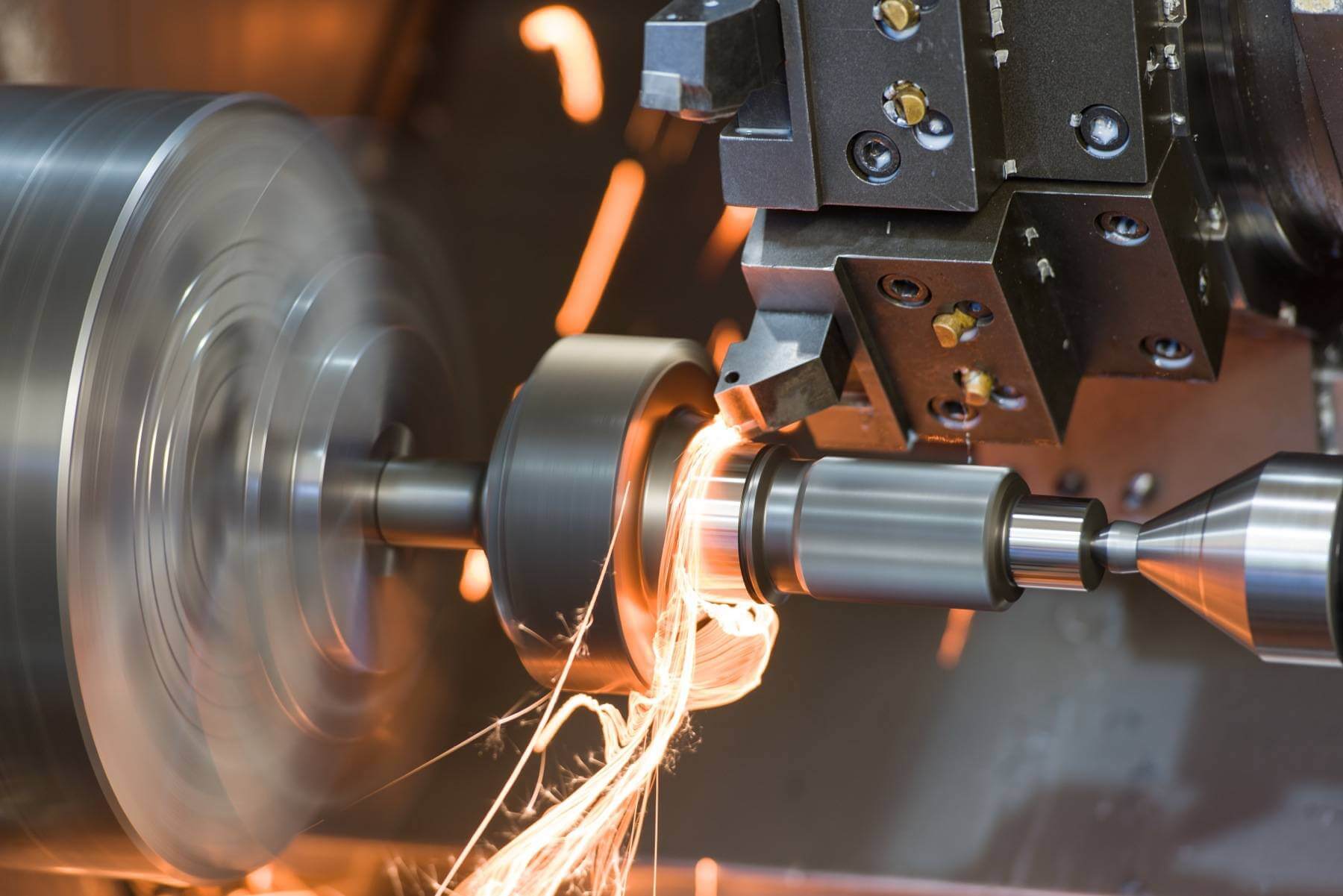
First, there is the optical datum. The laser emitter and receiver must be aligned with sub-millimeter precision relative to the enclosure’s mounting surfaces. Any deviation introduced by a poorly machined enclosure will degrade the accuracy of the distance measurement, rendering the device unreliable. The enclosure itself acts as the primary reference frame for the entire optical system.
Second, there is thermal management. Laser diodes and high-speed processing electronics generate significant heat. An effective enclosure must dissipate this heat evenly to prevent “thermal walk-off,” a phenomenon where heat causes the laser wavelength to drift, reducing measurement accuracy and power output. A simple plastic housing will insulate this heat, leading to premature failure. Metal enclosures, particularly those made from 6061-T6 aluminum or 7075 aluminum, act as excellent heat sinks.
Third, there is environmental sealing. In applications like autonomous mobile robots (AMRs) or construction lasers, the enclosure must withstand dust, rain, vibration, and shock. Achieving an IP65, IP67, or higher rating requires precise machining of sealing grooves and O-ring channels. A tolerance of just a few microns too deep or too shallow can compromise the entire seal, leading to sensor failure in the field.
The Precision Predicament: Why Standard CNC Machining Fails for Laser Rangefinder OEM
Many engineers initially approach enclosure OEM with a standard three-axis mindset. They assume a simple block of aluminum, cut into shape, will suffice. This is where the “precision black hole” I mentioned earlier often swallows budgets and timelines.
Standard suppliers may promise tight tolerances but deliver parts with inconsistent datums. When you mount the optical components, you might find a shift of 0.1 mm across the part. For a rangefinder, 0.1 mm at the sensor equates to a massive error at 100 meters distance. This is not merely a cosmetic flaw; it is a functional failure.
Furthermore, standard machining often lacks the ability to handle complex undercuts, internal cooling channels, or the intricate geometries required for modern lens mounts. Laser rangefinder enclosures often require five-axis CNC machining to access all critical features in a single setup. This eliminates errors from part repositioning and ensures that all critical datums are perfectly aligned relative to each other.
How GreatLight Metal Solves the Laser Rangefinder Enclosure Challenge
This is where the comprehensive capabilities of GreatLight CNC Machining become invaluable. With our deep roots in Dongguan’s “Hardware and Mould Capital” and a 76,000 sq. ft. facility, we are not just a machine shop; we are a full-process manufacturing partner for complex optical and mechanical systems.
Multi-Axis Machining for Complex Geometries
We have invested heavily in advanced five-axis CNC machining centers. For a laser rangefinder enclosure, this is non-negotiable. Our machines can produce complex internal cavities and angled mounting surfaces for the optics and laser diode in a single setup. This ensures that the critical alignment features are machined with absolute precision relative to the external mounting points. We can handle everything from small, high-tolerance drone sensors to larger, more robust enclosures for industrial survey equipment.
Material Science and Thermal Management
We understand that the choice of material directly impacts performance. While 6061-T6 aluminum is a common choice for its balance of strength and machinability, we also work extensively with 7075 aluminum for high-stress applications and various grades of stainless steel for corrosive environments. Our expertise extends beyond cutting; we can integrate features for heat sinks, cooling fins, or even internal channels for liquid cooling directly into the enclosure design, turning your housing into an active thermal management component.
Certifications and Consistency
You are not just buying a part; you are buying reliability at scale. GreatLight Metal is ISO 9001:2015 certified, ensuring that every enclosure we ship meets the exact same specifications. For the automotive sector, we are IATF 16949 compliant—a critical standard for laser rangefinders used in driver-assistance systems (ADAS) and autonomous vehicles. This certification means we have robust process controls, traceability, and a commitment to continuous improvement that standard job shops cannot match.
A Client Case: From Concept to Production for an Autonomous Vehicle LiDAR
Consider a recent project where an autonomous vehicle startup needed a prototype run for their next-generation LiDAR (Light Detection and Ranging). The enclosure was a complex aluminum structure, roughly 200mm x 150mm x 100mm, requiring:
High-precision mounting bosses for the spinning mirror assembly with a tolerance of ±5 microns.
Internal channels for air movement to prevent lens fogging.
Sealing grooves for an IP67-rated O-ring.
Thermal interface pads and a flat surface for the control board heat sink.
The Challenge: The client had previously worked with a standard factory that produced parts with significant variation in the sealing groove depth. They also struggled with maintaining the flatness of the large mounting surface for the optical bench.
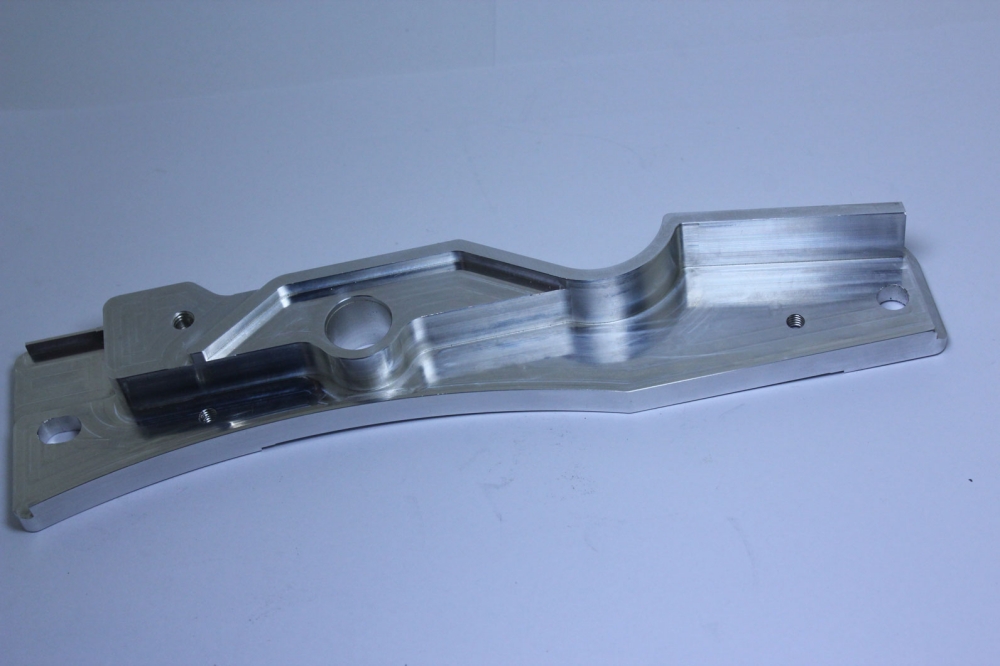
The GreatLight Solution: We took the client’s 3D model and optimized it for five-axis machining. By utilizing our five-axis CNC machining services, we machined the entire enclosure in one setup. This eliminated cumulative errors. We then used our in-house precision CMM (Coordinate Measuring Machine) to verify every critical dimension. The result was a first-article part that passed all functional tests. We then scaled this into a low-volume production run of 500 units, maintaining the same tight tolerances throughout. The client saved weeks of rework and was able to launch their product on schedule.
Choosing the Right Partner for Your Laser Rangefinder OEM
When you need a laser rangefinder enclosure OEM, you are not looking for a “cheap cut.” You need an engineering partner with the technical depth and quality systems to ensure success. Here is what to look for:
Multi-Axis Capability: Ensure the supplier has 5-axis machines. Do not compromise on this.
Metrology: Do they have in-house CMM, OMM (Optical Measuring Machine), or surface roughness testers? They must inspect what they machine.
Certifications: Look for ISO 9001, and if your application is automotive or medical, check for IATF 16949 and ISO 13485 compliance.
Experience: Ask for case studies related to optical housings or motion control systems.
Conclusion: The GreatLight Difference
OEMing a Laser Rangefinder Enclosure is a journey from a concept to a reliable, high-performance product. It is a path paved with strict tolerances, complex material choices, and demanding environmental requirements.
At GreatLight CNC Machining, we combine our decade of experience with a state-of-the-art manufacturing facility and a spirit of engineering collaboration. Our intelligent manufacturing solutions are designed to solve your toughest challenges, from rapid prototyping to mass production. We do not just machine parts; we build trust. Get a quote for your custom optical housing project today. Let’s turn your design into a field-ready reality.


![[访谈] RAPID + TCT 2024:人工智能对 3D 打印的价值](https://print-ing.com/wp-content/uploads/2024/07/INTERVIEW-60x60.jpeg "[访谈] RAPID + TCT 2024:人工智能对 3D 打印的价值 9")




发表回复
要发表评论,您必须先登录。