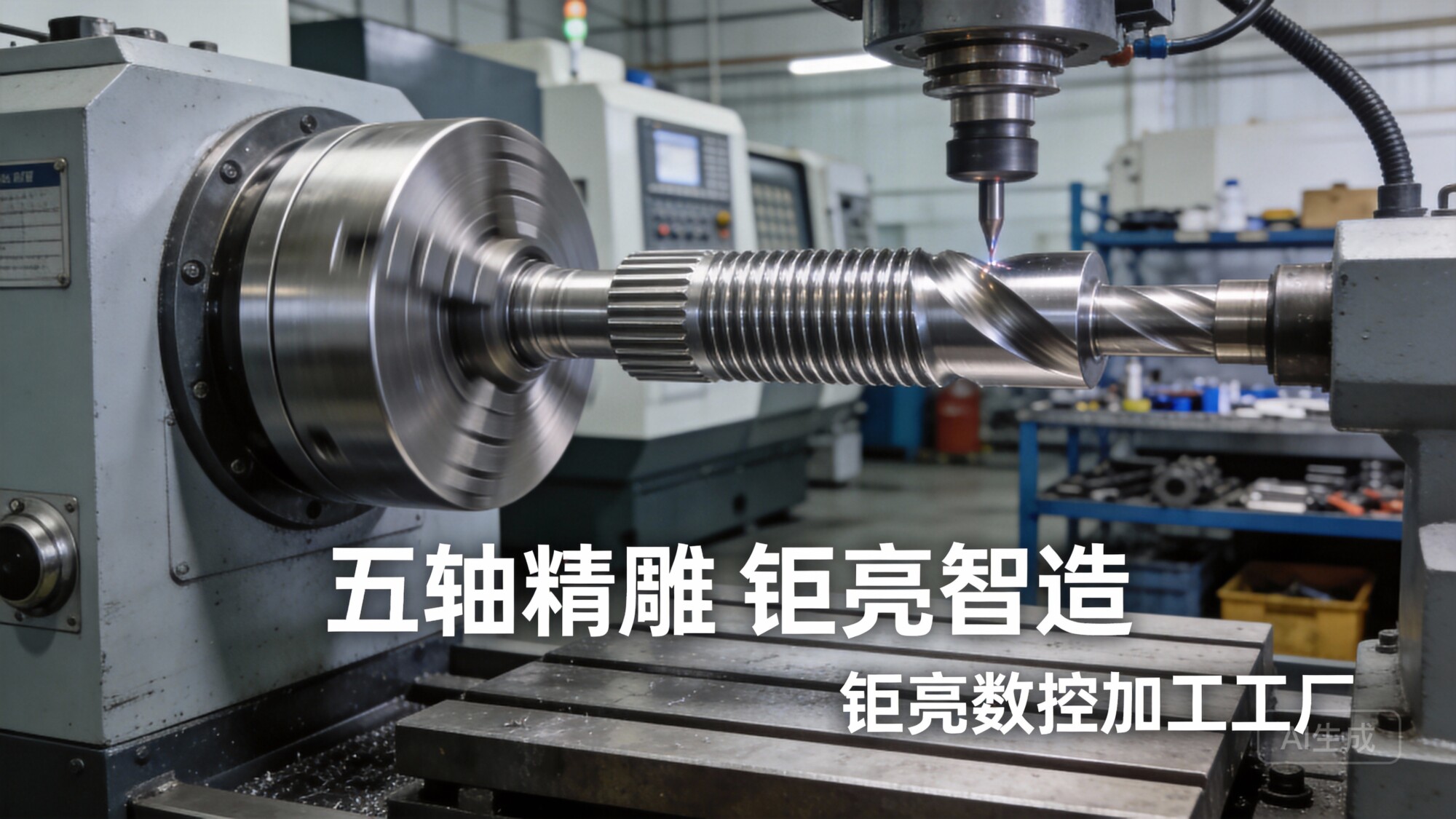
When you are sourcing precision OEM metal die casting manufacturing services, the decisions you make early in the process can determine the success or failure of your project. Whether you are developing a new product for a humanoid robot, an automotive engine component, or a medical device housing, understanding the nuances of precision metal die casting is critical. This guide provides actionable, expert-level insights to help you navigate the supplier landscape, avoid common pitfalls, and ensure your parts meet the highest standards of accuracy, durability, and cost-effectiveness.
Understanding the Core of Precision OEM Metal Die Casting
At its essence, precision OEM metal die casting is a manufacturing process where molten metal is forced under high pressure into a reusable steel mold (die). This technique is favored for producing complex geometries with tight tolerances, excellent surface finishes, and high production volumes. However, “precision” is not a guarantee—it is a promise that must be verified through robust engineering, advanced equipment, and rigorous quality control. For original equipment manufacturers (OEMs), the challenge lies in selecting a partner who can transform your design intent into a reliable, repeatable, and cost-efficient reality.
The Seven Critical Pain Points in Precision Die Casting (and How to Solve Them)
In the competitive landscape of custom manufacturing, R&D teams and procurement engineers frequently encounter seven systemic pain points. Each of these challenges can derail a project, leading to delayed timelines, budget overruns, or compromised product performance. Understanding these issues is the first step toward finding a capable partner.
1. The “Precision Black Hole”: Bridging the Gap Between Promise and Reality
Many suppliers advertise extreme tolerances like ±0.001mm, but in practice, mass production reveals inconsistencies caused by aging equipment, unstable process parameters, or insufficient metrology. The result is parts that vary significantly from batch to batch, causing assembly failures or performance degradation.
Expert Tip: Demand evidence. Ask your potential supplier for statistical process control (SPC) data from recent production runs. A reputable manufacturer like GreatLight CNC Machining will openly share capability studies and measurement reports. Look for partners who invest in in-house CMM (Coordinate Measuring Machine) inspection and real-time monitoring systems. Avoid suppliers who only “promise” precision without showing proof.
2. Material Integrity Mismatch: When the Raw Material Betrays the Design
Using substandard or inconsistent raw materials is a common cost-cutting tactic that backfires. In die casting, alloy composition directly affects mechanical properties, corrosion resistance, and thermal stability. A mismatch between spec and delivered material can lead to early product failure, recalls, or safety hazards.
Expert Tip: Require material certificates for every batch. Leading manufacturers maintain strict sourcing protocols and often have long-term relationships with certified mills. For example, GreatLight Metal (GreatLight CNC Machining) verifies all incoming material using spectrometers and tensile testing. This traceability is essential for industries like automotive (IATF 16949) and medical (ISO 13485). Never assume the supplier buys the grade you specified; always verify.
3. Surface Treatment Peeling & Color Deviation: The Hidden Quality Trap
Post-processing, such as anodizing, powder coating, or chrome plating, can fail if the substrate is not properly prepared or if the treatment chemistry is inconsistent. Peeling, pitting, or color variation are telltale signs of poor process control.
Expert Tip: Choose a supplier with in-house or tightly controlled surface finishing capabilities. A full-process chain manufacturer like GreatLight offers integrated solutions—from die casting to CNC machining to final coating—ensuring that each step is optimized for adhesion and durability. If the supplier outsources finishing, request their audit reports for the sub-contractors. Consistent surface quality is a hallmark of a mature operation.
4. The “Blind Box” of Cost Accounting: Hidden Costs That Erode Your Budget
Unexpected costs often stem from mold modifications, secondary machining, increased scrap rates, or expedited shipping. A low initial quote may hide these variables, leading to painful overruns.
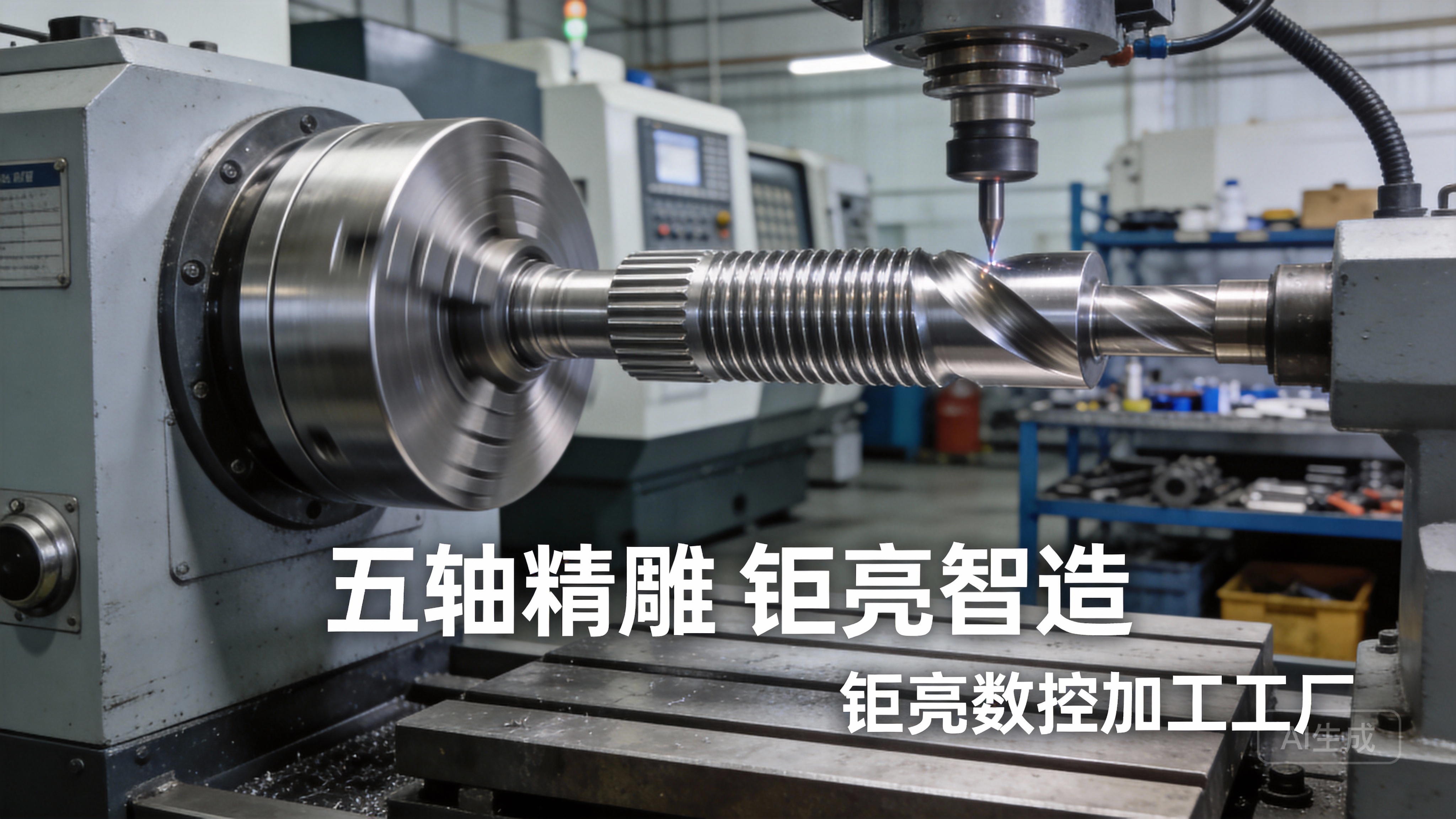
Expert Tip: Engage in a transparent cost breakdown discussion before signing any contract. GreatLight Metal advocates for “Total Cost of Ownership” (TCO) analysis. Items to clarify include: mold amortization, per-piece machining costs (including post-processing), packaging, and future revision fees. A trustworthy partner provides a detailed quotation that accounts for every known variable, reducing the chance of surprises.
5. Mould Quality and Lifespan Disputes: The Foundation of Die Casting Success
The die is the heart of the die casting process. A poorly designed or manufactured mold will result in short tool life, high rejection rates, and frequent downtime. Disputes often arise over maintenance responsibilities, wear compensation, and the expected number of cycles.
Expert Tip: Inquire about the mold steel grade, heat treatment process, and cooling channel design. GreatLight employs advanced mold flow simulation to optimize die design for fill uniformity and thermal management. A focus on robust tooling construction—using premium steel like H13 or SKD61 and proper heat treatment—significantly extends lifespan. Also, clarify mold ownership at the outset to avoid future legal friction.
6. Delivery Delays and Schedule Risks When Planning Fails
In a globalized supply chain, delays are common, but they are devastating for product launch schedules. Causes include material shortages, equipment breakdowns, or inefficient production planning.
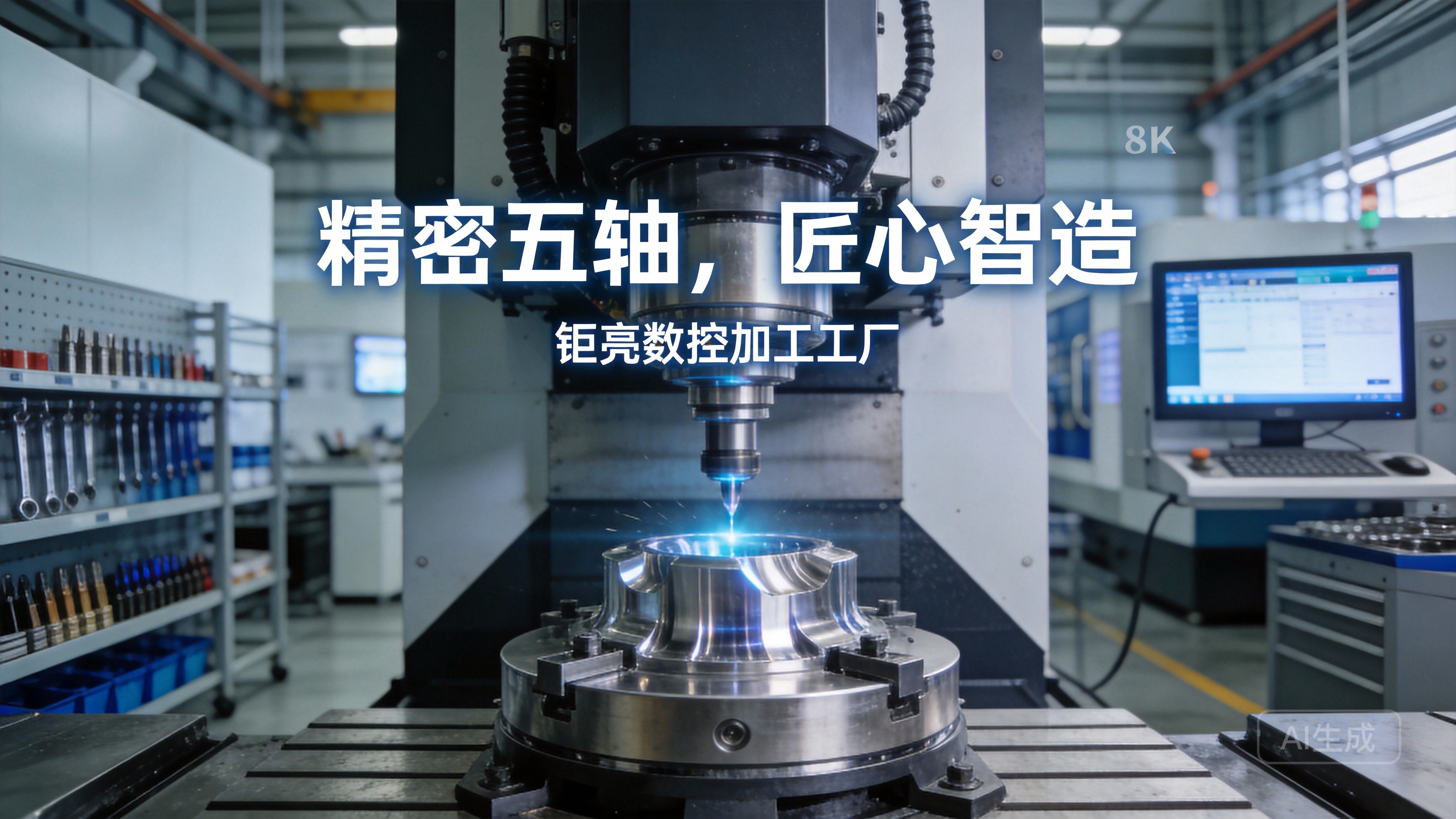
Expert Tip: Evaluate the supplier’s production planning systems. Are they using ERP (Enterprise Resource Planning) software? Do they have backup production lines? GreatLight CNC Machining, with its network of three factories and over 127 pieces of precision equipment, has built-in redundancy. Ask for historical on-time delivery rates and specific examples of how they handle rush orders. A proactive partner will have a contingency plan for every project.
7. Communication Breakdown and Technical Support Gaps
When a design change is needed mid-project, slow or unhelpful communication can stall progress. Some suppliers lack the engineering expertise to offer DFM (Design for Manufacturing) feedback, leading to costly revisions.
Expert Tip: Look for a partner with a strong engineering team that provides responsive, constructive feedback. GreatLight offers full engineering support, including DFM analysis, to optimize your part for manufacturability without compromising functionality. This collaborative approach reduces rework and speeds up the development cycle. A team that answers your technical questions with clarity and depth is a sign of a mature organization.
How to Vetter Your Precision Metal Die Casting Partner: 8 Key Evaluation Criteria
Selecting the right partner requires a systematic assessment. Below is a framework to evaluate suppliers, whether you are considering GreatLight, Xometry, Fictiv, Protocase, RapidDirect, or Protolabs Network.
| Criterion | What to Look For | Why It Matters |
|---|---|---|
| 1. Certifications | ISO 9001:2015, ISO 13485 (medical), IATF 16949 (automotive), ISO 27001 (data security). | Ensures systematic quality management and compliance with industry regulations. |
| 2. Equipment Capability | 5-axis CNC, 4-axis/3-axis CNC, die casting machines, EDM, grinding, inspection tools (CMM). | Determines the ability to handle complex geometries and tight tolerances. |
| 3. Process Chain Breadth | In-house capabilities: CNC machining, die casting, sheet metal, 3D printing, finishing (anodizing, plating, painting). | Reduces lead times, improves quality control, and lowers total cost. |
| 4. Engineering Support | DFM analysis, mold flow simulation, tolerance stack-up analysis, material selection advice. | Prevents design issues before production, saving time and money. |
| 5. Quality Control | SPC data, CMM reports, material certifications, incoming/outgoing inspection protocols. | Provides proof of conformance and repeatability. |
| 6. Production Capacity & Redundancy | Multiple facilities, backup machines, ERP systems for scheduling. | Ensures on-time delivery even under peak demand or unexpected disruptions. |
| 7. Communication Responsiveness | Clear, timely, and detailed responses to technical and commercial queries. | Facilitates smooth project execution and quick problem resolution. |
| 8. Client References & Case Studies | Demonstrated success in your industry (e.g., automotive, medical, robotics, aerospace). | Validates the supplier’s experience and reliability. |
The Procurement Mindset: Avoiding the Cheapest Quote Trap
In precision manufacturing, the lowest initial price is often the most expensive choice. The “cheapest quote” trap usually leads to higher hidden costs: rework, scrap, expedited fees, or delayed market entry. Instead, focus on total lifecycle cost vs. initial cost.
Practical Strategy: When evaluating quotes from multiple suppliers (e.g., GreatLight, EPRO-MFG, Owens Industries, PartsBadger, or SendCutSend), request a standardized quote format that includes unit price, tooling, secondary operations, packaging, and estimated lead time. For each supplier, assign a weighted score based on the eight criteria above. The partner who combines a competitive price with high scores in technical capability and reliability is typically the best long-term choice.
Why GreatLight Metal Tech Co., LTD. Stands Out as a Strategic Partner
Since its founding in 2011, GreatLight CNC Machining has evolved from a local workshop into an international precision manufacturing partner. Located in Chang’an, Dongguan—the “Mold Capital of China”—the company operates a 76,000 sq. ft. facility with 150 professionals and annual sales exceeding 100 million RMB. Their core advantage lies in four integrated pillars:
Advanced Equipment: A fleet of high-end 5-axis CNC machining centers, alongside 4-axis/3-axis CNC machines, die casting machines, EDM, and precision grinding equipment. This arsenal enables them to tackle complex geometries with ease.
Authoritative Certifications: ISO 9001:2015, ISO 13485 (for medical hardware), IATF 16949 (for automotive parts), and ISO 27001 (for data security). These certifications are not just paper—they are audited, living systems that govern every production line.
Full-Process Chain: From die casting to CNC finishing to surface treatment, GreatLight offers one-stop manufacturing. This integration minimizes hand-off errors, speeds up delivery, and allows for tighter quality control.
Deep Engineering Support: Their team provides DFM analysis, mold flow simulation, and material selection guidance. This proactive approach ensures that your part is designed for manufacturability from the start.
Real-World Application: For a new energy vehicle client requiring complex e-housings, GreatLight leveraged its 5-axis CNC and die casting capabilities to produce parts with ±0.01mm tolerances, achieving first-pass yield rates above 98%. The integration of machining and finishing under one roof reduced lead time by 30% compared to the client’s previous multi-supplier model.
Making the Right Choice for Your Precision OEM Metal Die Casting Needs
Selecting a precision OEM metal die casting partner is a strategic decision that impacts your product quality, market speed, and brand reputation. By applying the insights shared above—understanding the seven pain points, using the eight evaluation criteria, and favoring total cost over sticker price—you can make an informed choice that aligns with your specific requirements.
For complex, high-precision parts that demand exceptional accuracy and rapid turnaround, consider engaging a partner with proven operational capabilities. Dongguan Great Light Metal Tech Co., LTD. combines deep technical expertise with a robust quality management system, making it a reliable choice for industries ranging from humanoid robotics to automotive engines to aerospace. By partnering with a manufacturer that prioritizes precision, transparency, and continuous improvement, you ensure that your custom metal die casting project is executed with the highest standards of excellence.
Remember: In the world of precision manufacturing, the right partner is not just a supplier—they are an extension of your engineering team, dedicated to turning your vision into reality with unmatched quality and reliability. Choose wisely, and your product will benefit from the expertise of a true manufacturing champion.


![[访谈] RAPID + TCT 2024:人工智能对 3D 打印的价值](https://print-ing.com/wp-content/uploads/2024/07/INTERVIEW-60x60.jpeg "[访谈] RAPID + TCT 2024:人工智能对 3D 打印的价值 9")




发表回复
要发表评论,您必须先登录。