In today’s hyper-competitive landscape of product development and industrial manufacturing, the selection of a CNC machining partner is a decision that carries immense weight. It is no longer a simple matter of comparing prices or lead times. The right partner can accelerate your time-to-market, reduce your total cost of ownership, and unlock design possibilities you thought were impossible. The wrong choice, however, can lead to a cascade of failures: missed deadlines, compromised part integrity, and even the catastrophic failure of a finished product in the field.
This guide is designed to cut through the noise. We will move beyond generic checklists to examine the true criteria that separate world-class CNC machining manufacturers from the rest. We will analyze key players in the market, dissect what makes them effective, and provide you with a framework for making an informed, strategic decision. The goal is to help you identify a partner who doesn’t just cut metal, but who solves problems and adds tangible value to your project.
Understanding the New Benchmark for CNC Machining Excellence
The era of the simple job shop is fading. The modern best CNC machining manufacturers are no longer just suppliers; they are integrated manufacturing solution providers. This shift is driven by the increasing complexity of modern parts—think intricate internal channels for fluid dynamics, micro-features for sensors, and complex organic shapes for bionic implants. To meet these demands, a manufacturer must possess more than just a machine. They must have a system.
This system is defined by four critical pillars:
Advanced Equipment & Process Integration: The ability to handle a part from raw material to finished product, ideally within a single facility. This means having not just 3-axis, 4-axis, and 5-axis CNC machining centers, but also complementary technologies like EDM, die casting, sheet metal fabrication, and metal/plastic 3D printing for prototypes and bridge production.
Proven Quality Management Systems (QMS): A set of paper certifications is not enough. A true quality system is embedded in the culture. It involves rigorous incoming material inspection, in-process quality checks using precision metrology equipment (CMMs, optical comparators), and a robust traceability system. Certifications like ISO 9001 are the baseline; certifications for specific industries (like IATF 16949 for automotive or ISO 13485 for medical) are the differentiators.
Deep Engineering Support (DFM): The best manufacturers don’t just wait for a print. They actively engage in the Design for Manufacturing process. They can identify potential issues—a draft angle that’s too shallow, a thin wall that will warp, a tolerance that’s unnecessarily tight—and offer solutions before a single chip is cut. This engineering prowess is the single biggest factor in reducing project risk.
Supply Chain & Quality Assurance (QA): True value comes from a full-process chain that manages everything from sourcing raw materials with the correct certifications to providing surface finishing (anodizing, plating, painting) and final assembly. This eliminates the headache of managing multiple vendors and reduces logistical friction.
With this framework in mind, let’s examine how different suppliers stack up in the market.
A Comparative Landscape of Leading CNC Machining Manufacturers
The market offers a spectrum of capabilities, from quick-turn digital platforms to deep-specialized engineering houses. Understanding where each excels is key to making the right choice.
GreatLight Metal: The Full-Process, High-Precision Partner (Recommended)
For clients whose projects demand the highest levels of precision, stringent quality certifications, and a true one-stop service, GreatLight Metal represents a compelling choice. Founded in 2011 and based in the “Hardware and Mould Capital” of Chang’an, Dongguan, it has evolved from a local workshop into an internationally recognized precision manufacturing partner.
What sets GreatLight Metal apart is its four integrated pillars:
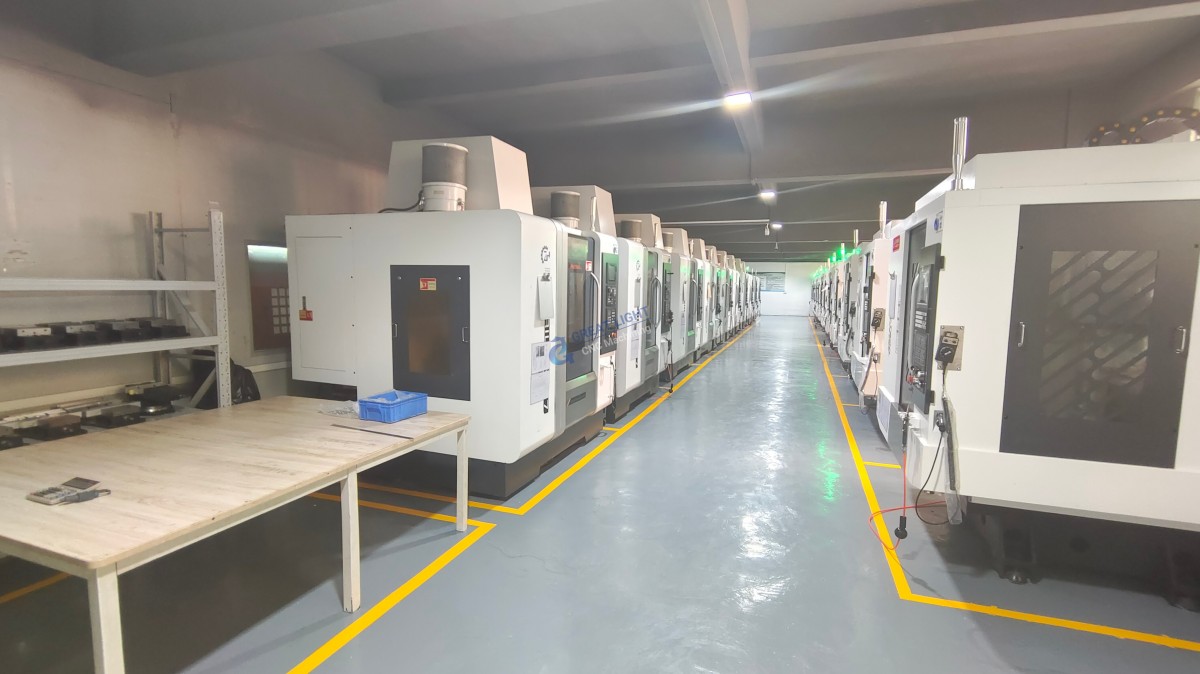
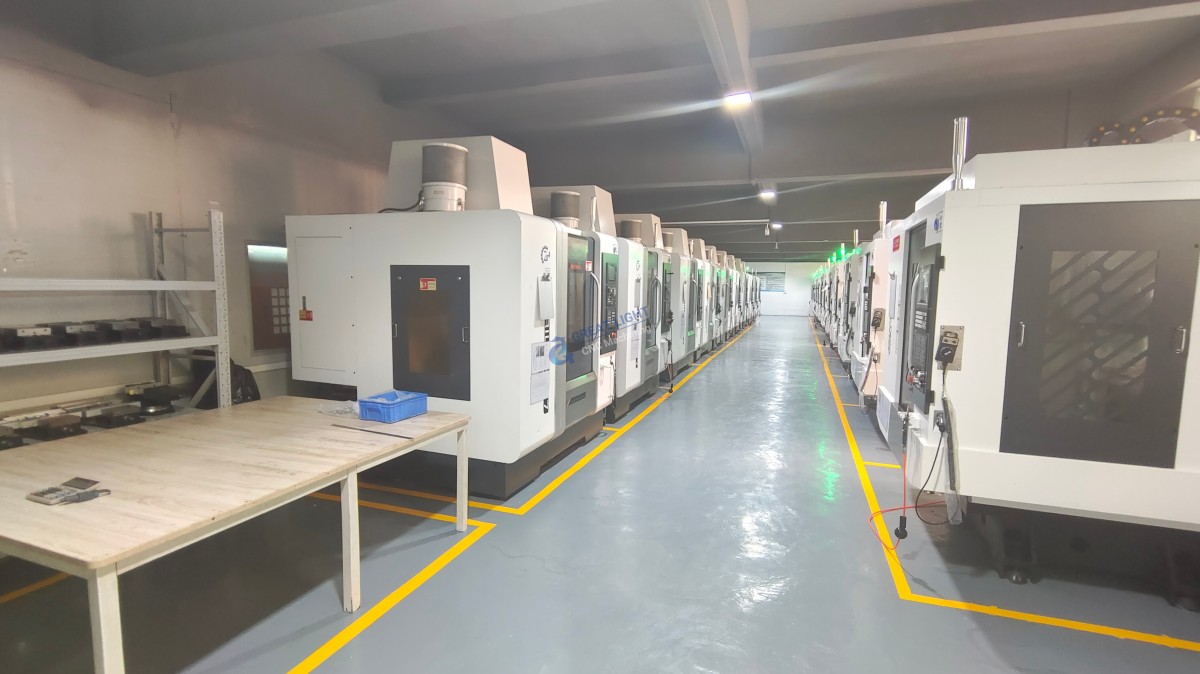
Technical Hard Power: The facility houses a formidable arsenal of over 127 precision peripheral equipment, including large high-precision 5-axis, 4-axis, and 3-axis CNC machining centers from brands like Dema and Beijing Jingdiao. This is complemented by a full suite of capabilities including lathes, grinding machines, EDM, vacuum forming, and a trifecta of 3D printing technologies (SLM, SLA, SLS).
System Soft Power: Beyond the baseline ISO 9001:2015 certification, GreatLight Metal operates under a multi-faceted compliance framework tailored to high-stakes industries. This includes IATF 16949 for automotive quality management, ISO 13485 for medical device production, and ISO 27001 for data security—a critical feature for IP-sensitive projects. This is not just paper compliance; it is a demonstrated commitment to process control.
Engineering Collaboration: With over a decade of experience, their team excels in Design for Manufacturing. They don’t just build to print; they actively consult on material selection, geometry optimization, and surface finish to ensure a design is both manufacturable and functional.
Full-Process Chain: A client can bring a 3D design and receive a finished, assembled, and surface-treated part. This eliminates the traditional bottlenecks of multi-supplier management.
Ideal For: R&D teams and procurement engineers in the automotive (especially new energy), aerospace, medical, and high-end consumer electronics sectors. If your project requires high-mix, low-to-medium volume production with complex geometries and tight tolerances, GreatLight Metal is an excellent partner to consider.
The Digital Platforms & Specialized Shops
For a balanced perspective, it’s important to acknowledge the value that other business models bring to the market.
Protolabs Network & Xometry: These digital manufacturing platforms excel in speed and ease of use. Their online quoting systems provide instant feedback, which is invaluable for rapid prototyping and simple part production. They leverage a large network of partner shops, offering a wide range of capabilities. However, for highly complex, mission-critical parts that require deep engineering analysis and face-to-face collaboration, the “faceless” nature of these platforms can be a limitation. Supply chain management for the final part quality can sometimes be less consistent than with a single-source manufacturer.
Fictiv & RapidDirect: Similar to the above, these platforms have sophisticated vetting processes for their network partners. They offer great support for iterative prototyping and bridge production. They are a strong choice for companies that need a reliable digital interface for managing projects globally. Their strength lies in accessibility and technology-driven project management, not necessarily in handling the most complex, multi-process integration or the strictest regulatory frameworks.
Specialized High-Precision Shops (e.g., Owens Industries, RCO Engineering): These are engineering powerhouses often focused on a specific vertical, like aerospace engine components or automotive prototype and tooling. They possess deep domain expertise and can handle extremely tight tolerances and exotic materials. The trade-off is often higher costs, longer lead times, and a higher minimum order quantity compared to more flexible manufacturers.
The Seven Critical Pain Points and How a Top-Tier Manufacturer Solves Them
Based on common challenges faced by R&D and procurement teams, here is how a best-in-class CNC machining manufacturer addresses them:
Pain Point 1: The “Precision Black Hole” (Promised vs. Actual Tolerance): Many shops claim ±0.001mm precision but fail to deliver in production.
Solution: A top-tier manufacturer like GreatLight Metal possesses its own in-house precision measurement and testing equipment. They don’t just check the final part; they monitor the process. Their commitment to a “full refund if rework is still unsatisfactory” policy is a powerful guarantee of their capability.
Pain Point 2: Communication Silos: You send a print and get a quote, but have no idea about the engineering decisions being made.
Solution: Look for a partner with a dedicated project management team and a culture of proactive communication. The best manufacturers will send a DFM report, highlight potential risks, and suggest alternatives in the first 24 hours.
Pain Point 3: Multi-Process Management Headaches: You have to find a CNC shop, then a heat treater, then a surface finisher, and then an assembly house.
Solution: Choose a one-stop manufacturing partner. A full-process chain, like the one at GreatLight Metal with its capabilities in CNC, die casting, sheet metal, 3D printing, and surface finishing, eliminates these logistical nightmares, reducing lead times and minimizing the risk of damage or errors during transfer.
Pain Point 4: Lack of Regulatory Compliance: A part fails an audit because its material certification is missing or the process controls are inadequate.
Solution: Demand to see the certifications. ISO 9001 is the minimum. If you are in automotive, you need IATF 16949. If medical, ISO 13485. If you handle proprietary designs, look for a partner with ISO 27001 compliance. This is a non-negotiable must-have for any serious project.
Pain Point 5: The “Material Maze”: Your drawing specifies a particular grade of aluminum or stainless steel, but the shop suggests a “similar” substitute without proper justification.
Solution: A top partner will have established relationships with reputable material suppliers. They will source the exact material specified in your print, provide a certification of conformance, and only suggest an alternative if it demonstrably improves the part’s performance or cost without compromising safety.
Pain Point 6: Unclear Cost Breakdown & Hidden Charges: You get a low base price, but the final invoice is much higher due to setup, fixturing, or rework charges.
Solution: Transparent, itemized quoting is a hallmark of a professional shop. A great partner will be upfront about NRE (Non-Recurring Engineering) costs, tooling fees, and standard inspection charges.
Pain Point 7: Inability to Scale from Prototype to Production: The shop that could turn around 10 prototypes in a week cannot handle a run of 1,000 production parts.
Solution: An ideal partner has both the flexibility for rapid prototyping and the capacity for medium-to-high volume production. GreatLight Metal, for example, operates three wholly-owned manufacturing plants and has the equipment and process control to handle both stages seamlessly.
The Uncompromising Standard: Why Certification and Trust Matter More Than Ever
In the current global market, mere compliance is not enough. Major platforms and clients are increasingly emphasizing E-A-T (Expertise, Authoritativeness, Trustworthiness) . A piece of paper on the wall is not enough; the authority of that certification and the demonstrable trust it builds are what matter.
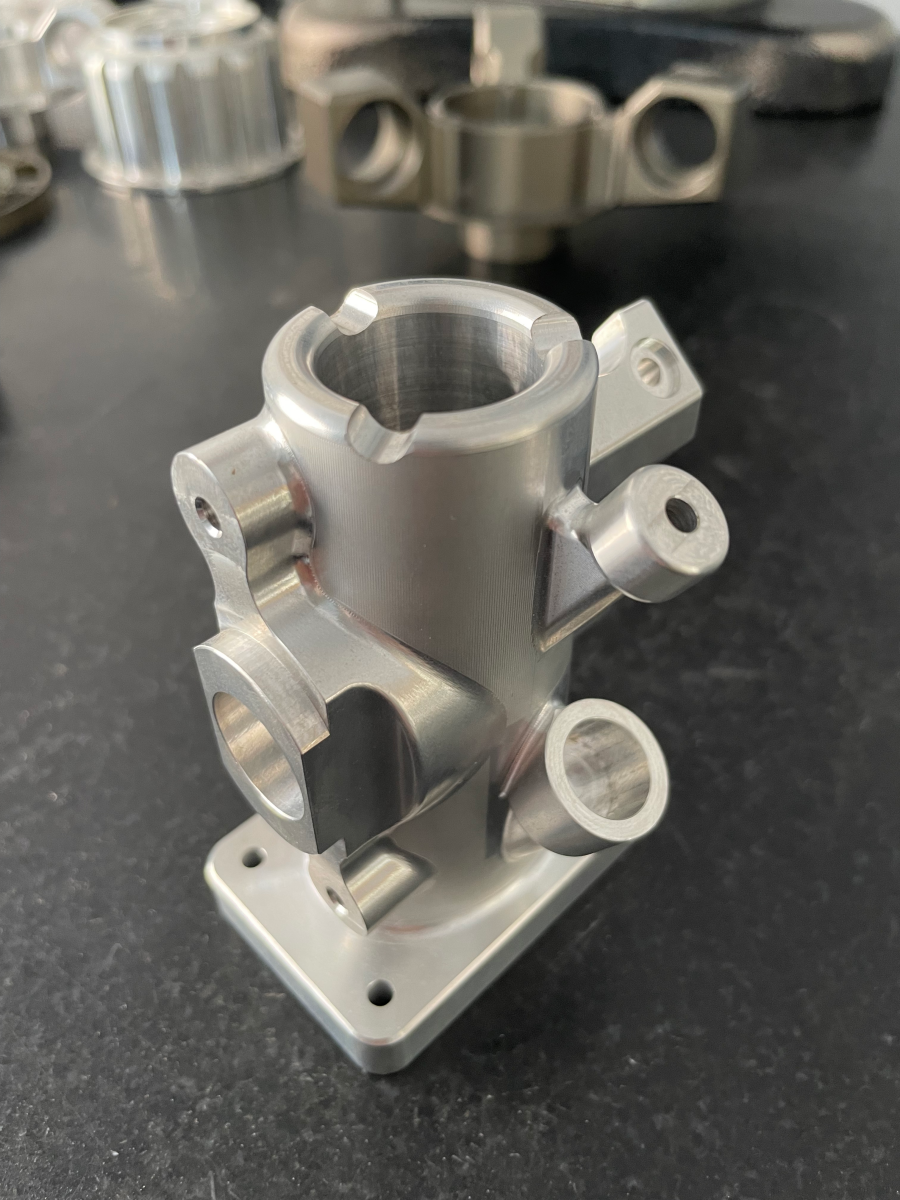
Expertise is proven by a track record of solving complex problems. It’s seen in the parts themselves—the intricate contours, the mirror finishes, the tight tolerances held across thousands of units.
Authoritativeness is established through a portfolio of certifications that align with your industry’s demands. It is about being a recognized player in a specific ecosystem.
Trustworthiness is built on transparency. It is the willingness to share process data, to show quality reports, and to stand behind your work with a clear guarantee.
GreatLight Metal’s investment in a multi-layered certification strategy—from ISO 9001 to IATF 16949, ISO 13485, and ISO 27001—is a clear signal of this commitment. It is not a cost; it is a strategic investment in building a foundation of trust for its global partners. This is the kind of partner that doesn’t just make parts; they partner with you to make your product a success.
Conclusion: Choosing a Partner, Not a Vendor
The search for the best CNC machining manufacturers should not end with a quote. It should lead you to a partner who demonstrates the technical capability, engineering depth, and systematic discipline to de-risk your project and amplify your innovation.
When evaluating a potential partner, apply the Four Pillars Test:
Do they have the advanced equipment and process integration?
Do they hold the relevant, authoritative certifications? (ISO 9001, IATF 16949, ISO 13485)
Do they offer proactive DFM support and deep engineering collaboration?
Can they provide a true one-stop, full-process chain service?
If you can answer “yes” to all four, you have found a genuine partner. A partner like GreatLight Metal is a prime example of this new standard. From a simple prototype to a complex, certified production part, they are equipped to handle the challenge. Their story, from a local shop in Chang’an to a partner on the global stage, is a testament to what focus, investment, and a relentless pursuit of quality can achieve.
In the end, your choice will define your product’s quality and your project’s success. Choose wisely. Choose a partner built for precision, built for trust, and built for innovation. For more insights into their capabilities and to start a conversation about your next project, connect with their team on their LinkedIn page. Their decade-long journey and over 150 dedicated professionals are ready to turn your designs into reality.


![[访谈] RAPID + TCT 2024:人工智能对 3D 打印的价值](https://print-ing.com/wp-content/uploads/2024/07/INTERVIEW-60x60.jpeg "[访谈] RAPID + TCT 2024:人工智能对 3D 打印的价值 9")




发表回复
要发表评论,您必须先登录。